About the data
TECHNOLOGY

Fusion technologies and approaches

From confinement approaches to heating, magnets, fuel and materials: explore principles, component roles and development stages, then the companies and projects behind them. Understand the industrial context as well as the technology.

FUSION INDUSTRY · 3D

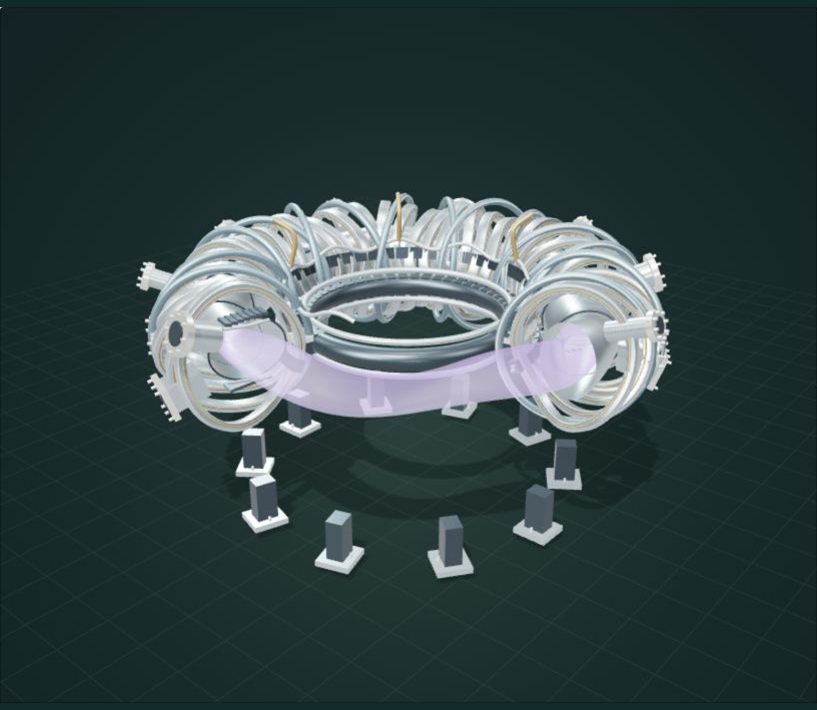
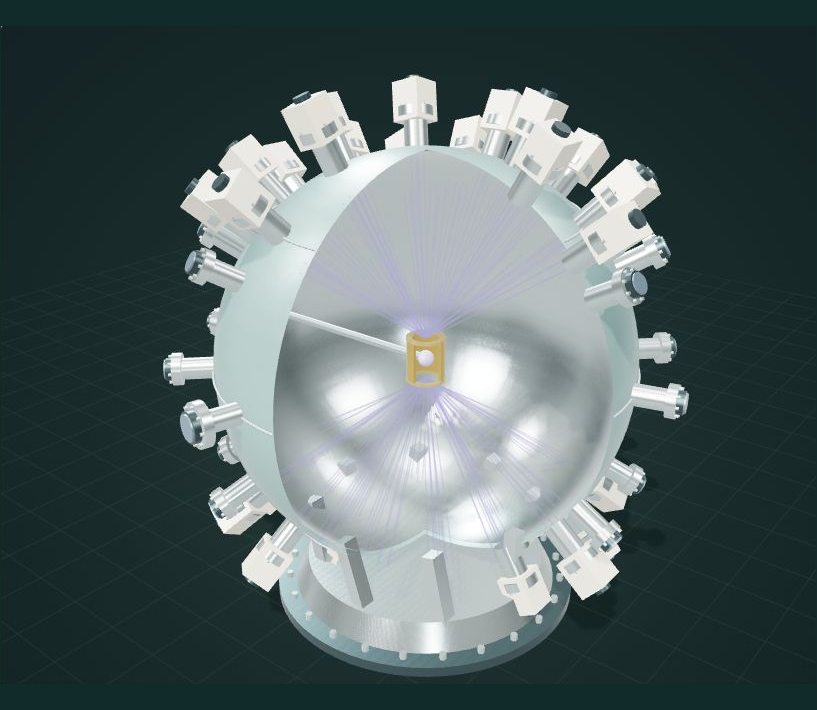
Five fusion approaches in 3D

Understand fusion through the positions of magnets, vessels and fuel. Explore all five models, then follow the connections to technology, experiments and industry.

Three approaches to fusion to explore first

Start with tokamaks and their accumulated research and operating experience, then explore stellarators, heliotrons and laser fusion. Diagrams explain each approach’s progress and remaining challenges for power generation.

Explore devices and plansJT-60SAITERQ-DEMOAll projects →

Read about technologies and research

36 entries (showing 1–12)
Technology

How stellarators evolved: from the 1951 idea to designing magnetic fields

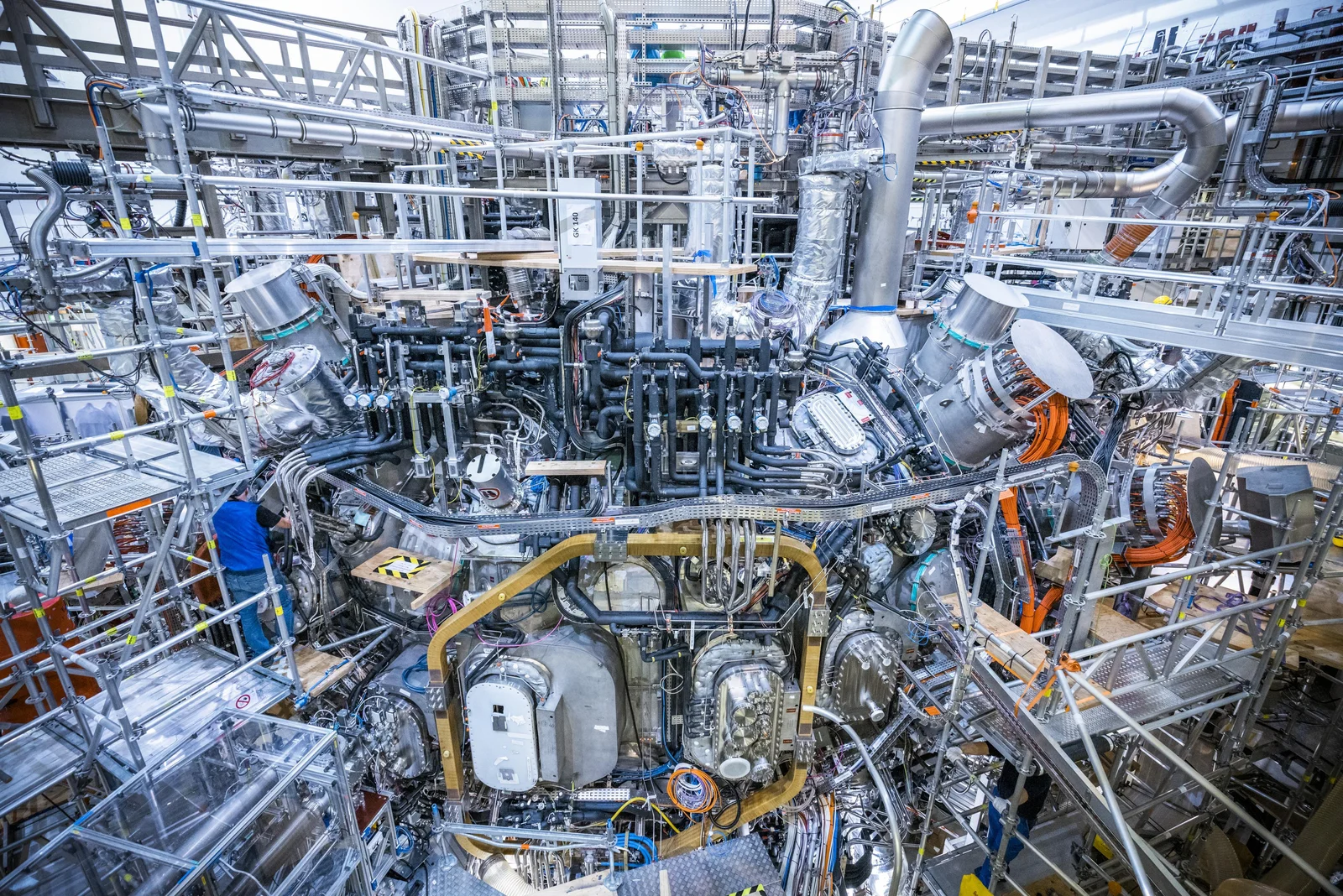
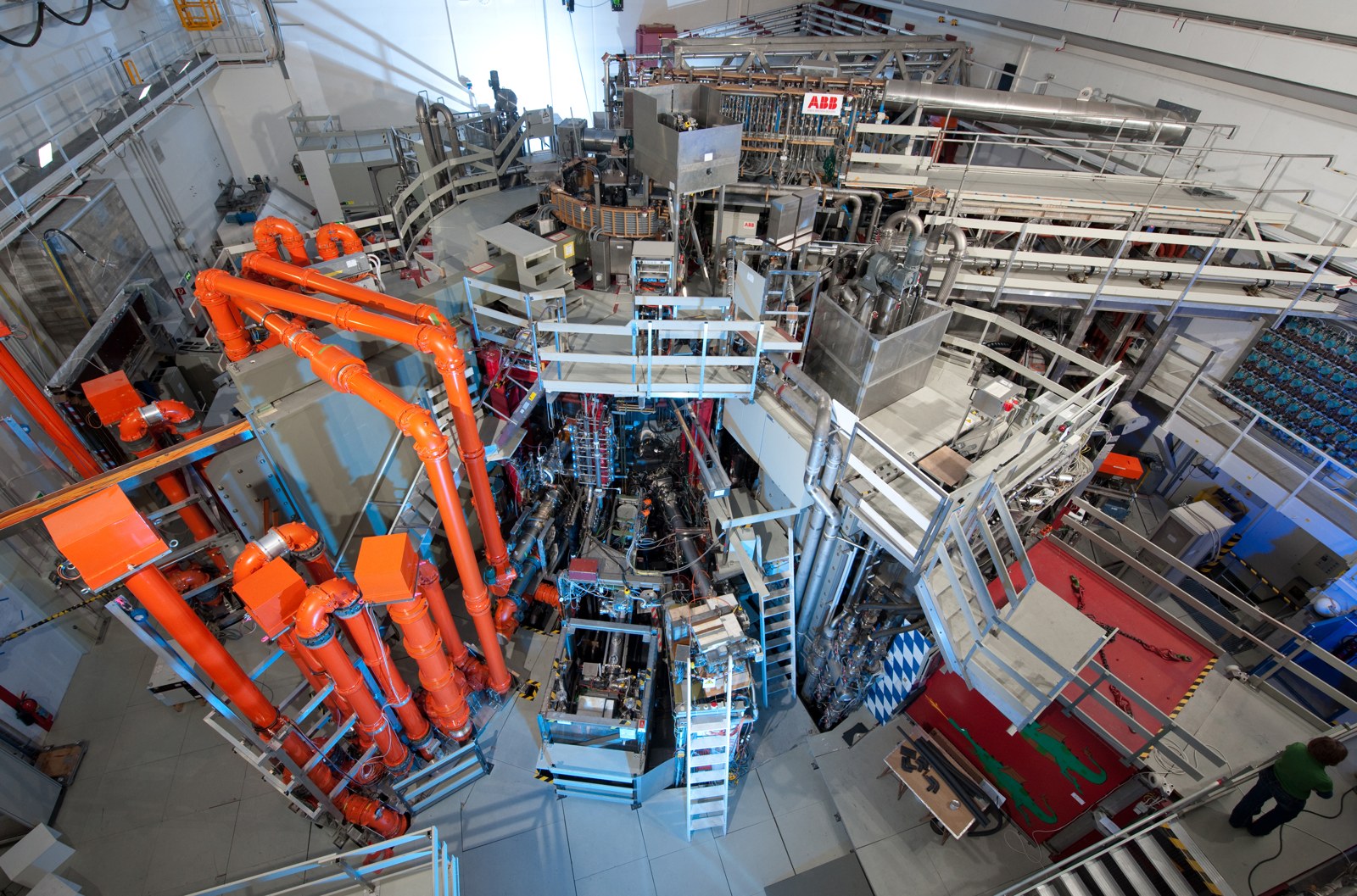
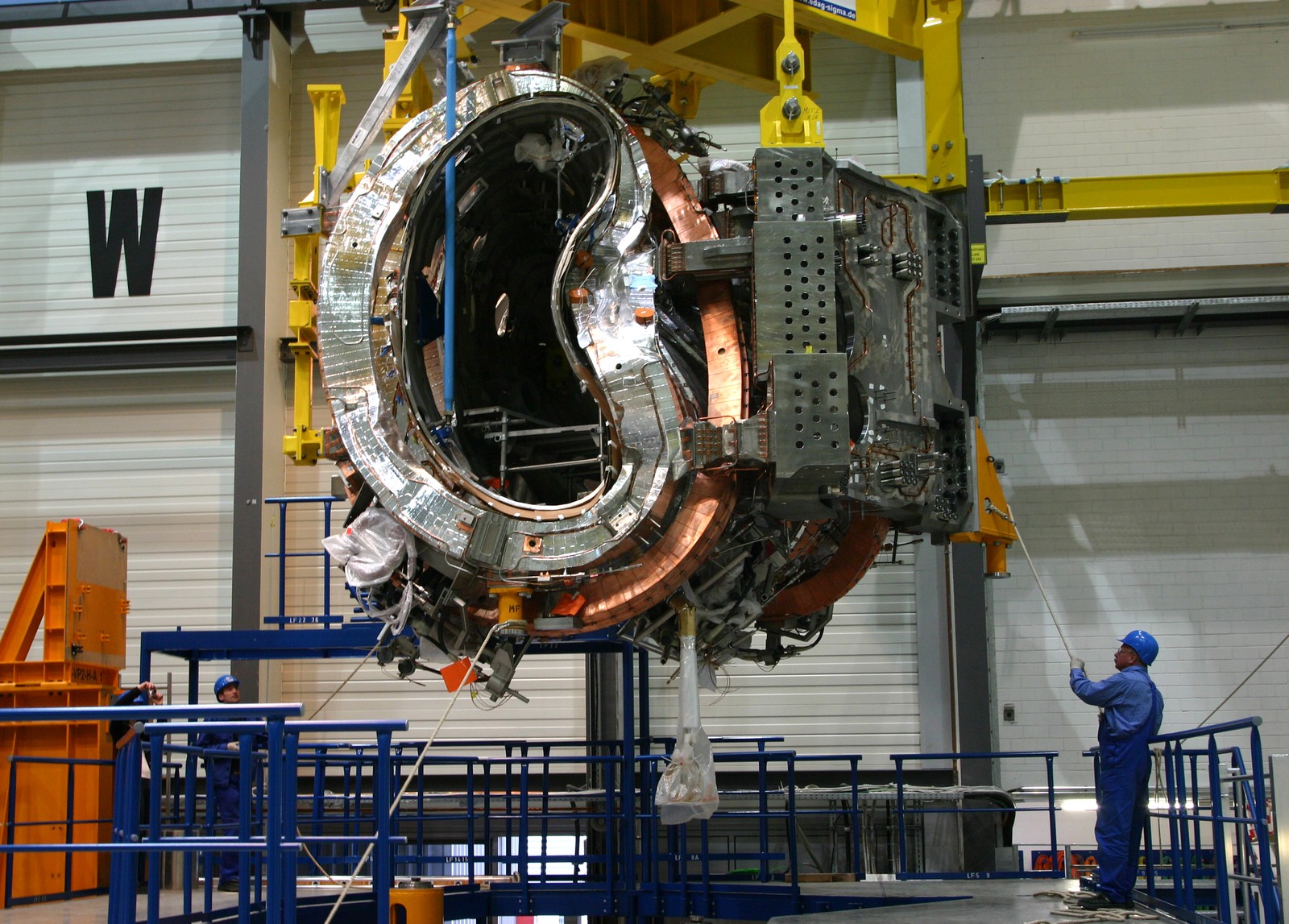
Fusion research has not been a history of everyone switching together to the best-performing machine. After US priorities shifted to tokamaks, Japan and Germany developed other paths. The turning point was not simply learning to manufacture complex coils: designers increasingly worked backward from desired plasma properties to magnetic fields and coils, then tested predictions in real machines. Follow the 1951 concept, Wendelstein 7-AS, LHD, and Wendelstein 7-X to understand progress and the distance still remaining to power plants.

技術を読み解く、3つの視点

方式の違いをつかんだら、加熱・材料・燃料・保守など、装置を動かす要素技術へ。研究成果と発電所の目標を分けて読み進められます。

トカマク・ヘリカル・レーザーは、どう比べる?

まず、燃料をどのように高温にして、核融合が起きる状態を保つかに注目します。それぞれの方式の解説で、閉じ込めの考え方と装置に必要な技術を比較できます。

エネルギー利得と、発電の実現は同じ?

実験のエネルギー利得を読むときは、何を入力・出力として比べた数値かを確かめます。発電には、熱を電気に変える設備や装置全体の消費電力、運転・保守も含めた評価が必要です。

どの装置で、何を確かめている?

同じ核融合の研究でも、プラズマの制御、材料・機器の試験、発電実証など、装置の目的はさまざまです。プロジェクトの目的と開発段階を確認してから成果を読むと、意義を理解しやすくなります。