Why freeze fusion fuel? How pellet injection and density control work
Why add cold hydrogen when the aim is to keep plasma hot? Fueling in magnetic confinement is explained through pellet disappearance, density profiles, and synchronization with heating. Read the advances and unresolved questions in W7-X and Heliotron J research.
Read the Japanese original
Injecting an extremely cold pellet of hydrogen into plasma at tens of millions of degrees: fusion research includes a technology that deliberately sends cold fuel into a place researchers want to keep hot. It is called pellet injection.
This may seem contradictory, but the purpose is not heating. It is delivering the required number of particles to the required location. Using experiments from 2025 and a research report from 2026 as guides, this article explains fueling in magnetic-confinement machines. It is not news of a new electricity-generation achievement.
Summary
- Treat adding fuel and heating the plasma as separate jobs.
- Frozen pellets break down as they enter the hot region, supplying particles.
- Performance depends not only on pellet size but also on deposition location, injection intervals, and coordination with heating.
Gas injection alone has difficulty reaching the core
In a magnetic-confinement machine, loading fuel at the beginning is not the end of the job. Particles leave the plasma, and its state is maintained through continued exhaust and replenishment. Future power plants must also remove helium produced by the reaction. IPP’s fueling explainer
Hydrogen can be introduced as gas, but particles entering from outside do not necessarily reach the intended central region efficiently. One approach is therefore to solidify hydrogen into small pieces and launch them at speed. Pellets are a form for transporting fuel as solid particles.
Plasma density describes how many particles occupy a given volume. Not just average density but its distribution between core and edge matters. Fueling technology is thus not merely an inlet: it is also a means of manipulating that distribution.
This use differs from the fuel targets illuminated and compressed in laser fusion. Here, the subject is replenishing particles in plasma that already exists within a magnetic field.
A pellet can deliver fuel even as it disappears
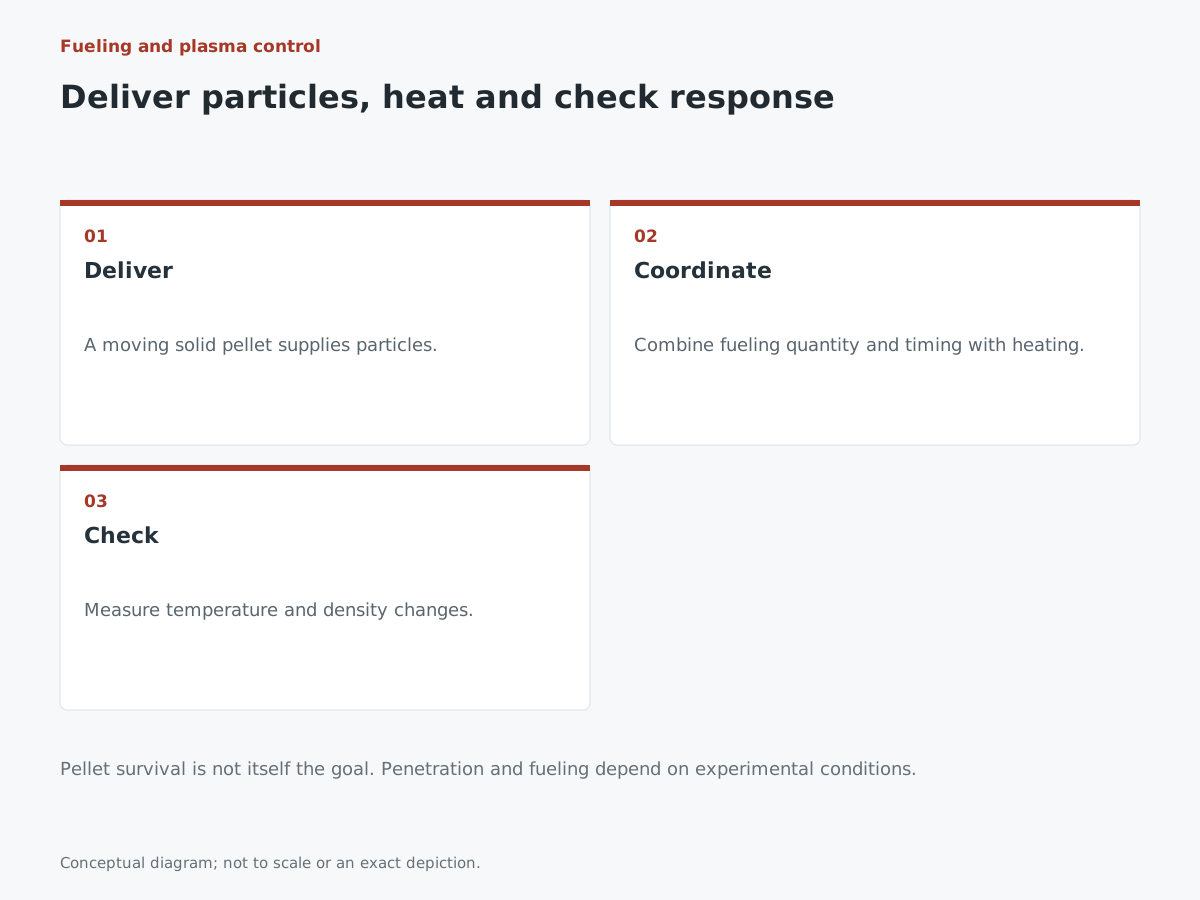
An icy pellet entering a hot region cannot remain solid indefinitely. Material is lost from its surface, becomes gas, and is ionized into part of the plasma. This erosion of a pellet by heating is called ablation.
What matters is not keeping the pellet intact to the end, but where it releases particles. ORNL explains that pellets can travel farther into hot plasma before supplying fuel than gas injection can. ORNL technical explainer, September 8, 2015
However, a solid pellet does not necessarily reach the center. Results vary with plasma conditions and the pellet’s size, speed, and injection direction. IPP likewise emphasizes combining sufficient size and speed with an appropriate repetition rate. IPP pellet-injection research
Separate where fuel is cooled from where it is heated
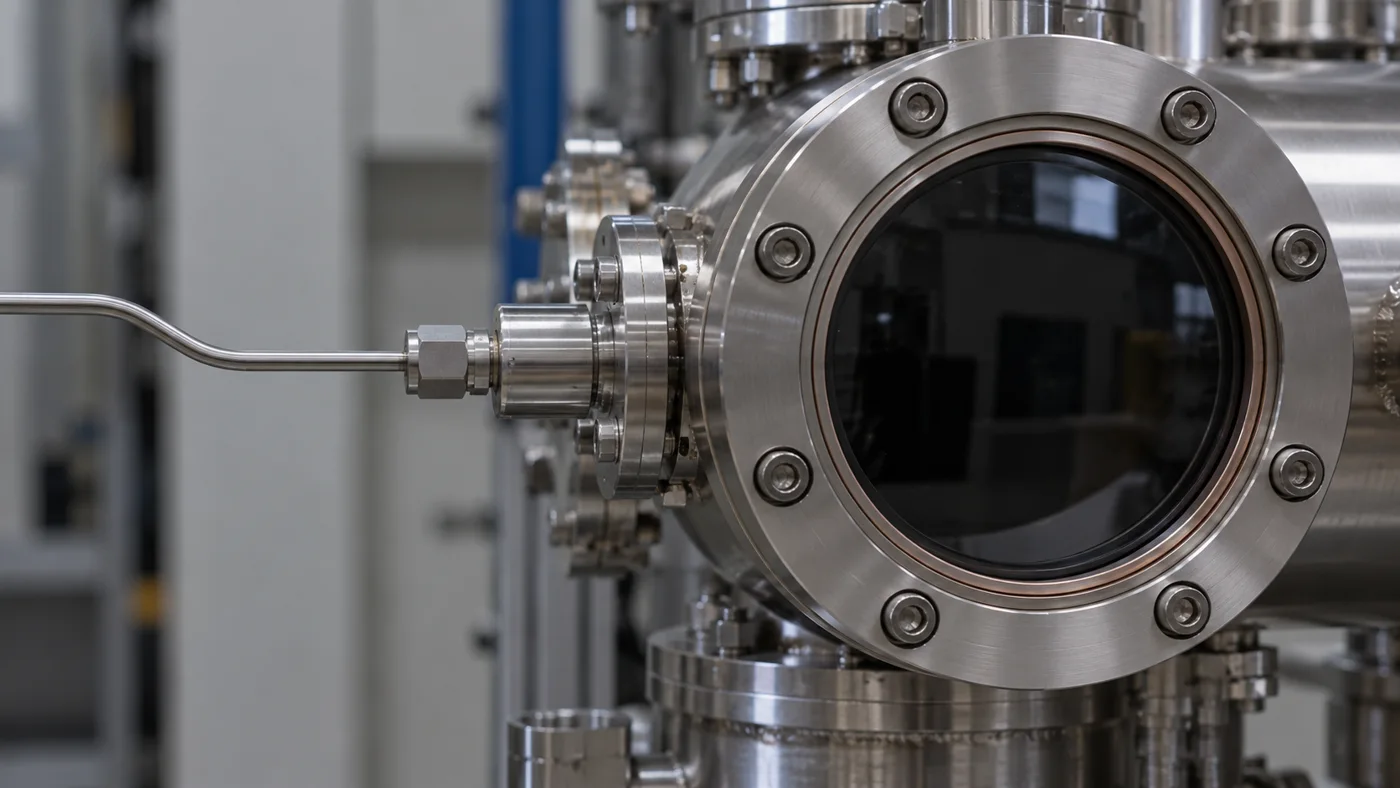
Equipment for Wendelstein 7-X (W7-X) introduced by ORNL on August 28, 2025 solidifies hydrogen at about 12 kelvin and supplies it continuously. Kelvin is a unit of absolute temperature; 12 kelvin is approximately minus 261°C. ORNL introduction to the W7-X fueling equipment
It is the fuel on the supply side that is cold, not the entire plasma inside the machine. Maintaining a high-temperature state including the newly supplied particles requires coordination with heating. That is why adding fuel and raising temperature cannot be treated as a single operation.
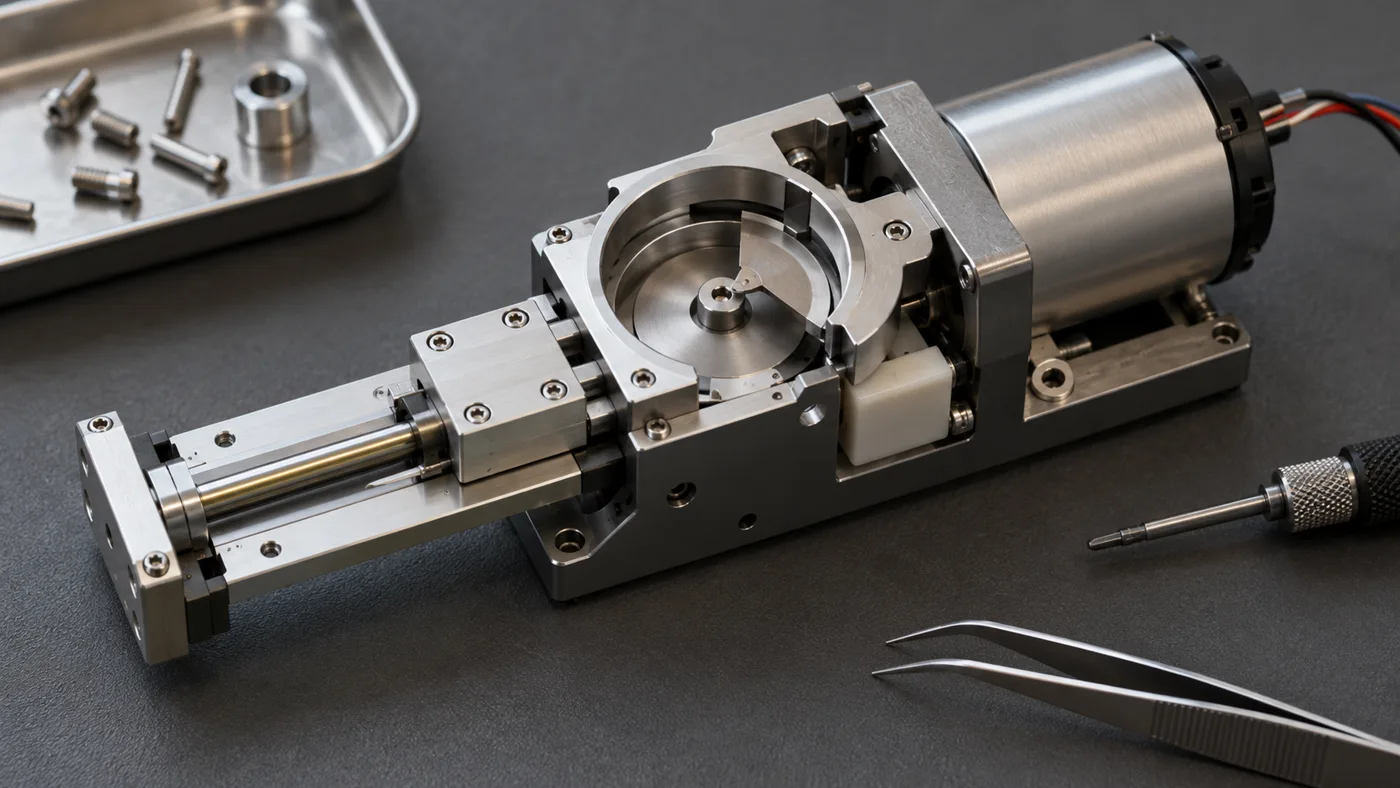
From an engineering standpoint, the cold pellet-making section, the launching section, and the route into the plasma must operate as one system. Maximum speed alone cannot establish whether the equipment can supply fuel reliably during operation.
W7-X synchronized the rhythms of heating and injection
W7-X is a stellarator research machine operated by IPP in Germany. According to IPP, an experiment on May 22, 2025 injected about 90 frozen hydrogen pellets over 43 seconds, together with microwave heating. A preprogrammed variation in injection frequency balanced heating and fueling. IPP announcement of June 3, 2025, updated June 30
This was progress in sustaining a high triple product—the product of temperature, density, and energy-confinement time—for a long duration. An update after the announcement took JET results into account, so it is inappropriate to read it as an outright record surpassing every other machine. Still less does it mean 43 seconds of electricity generation or a demonstration of continuous commercial-reactor operation.
The notable achievement is the move from successfully injecting one pellet to continued fueling with the plasma’s state in mind. Heating equipment and fuel-supply equipment must not simply perform well individually; they must work together.
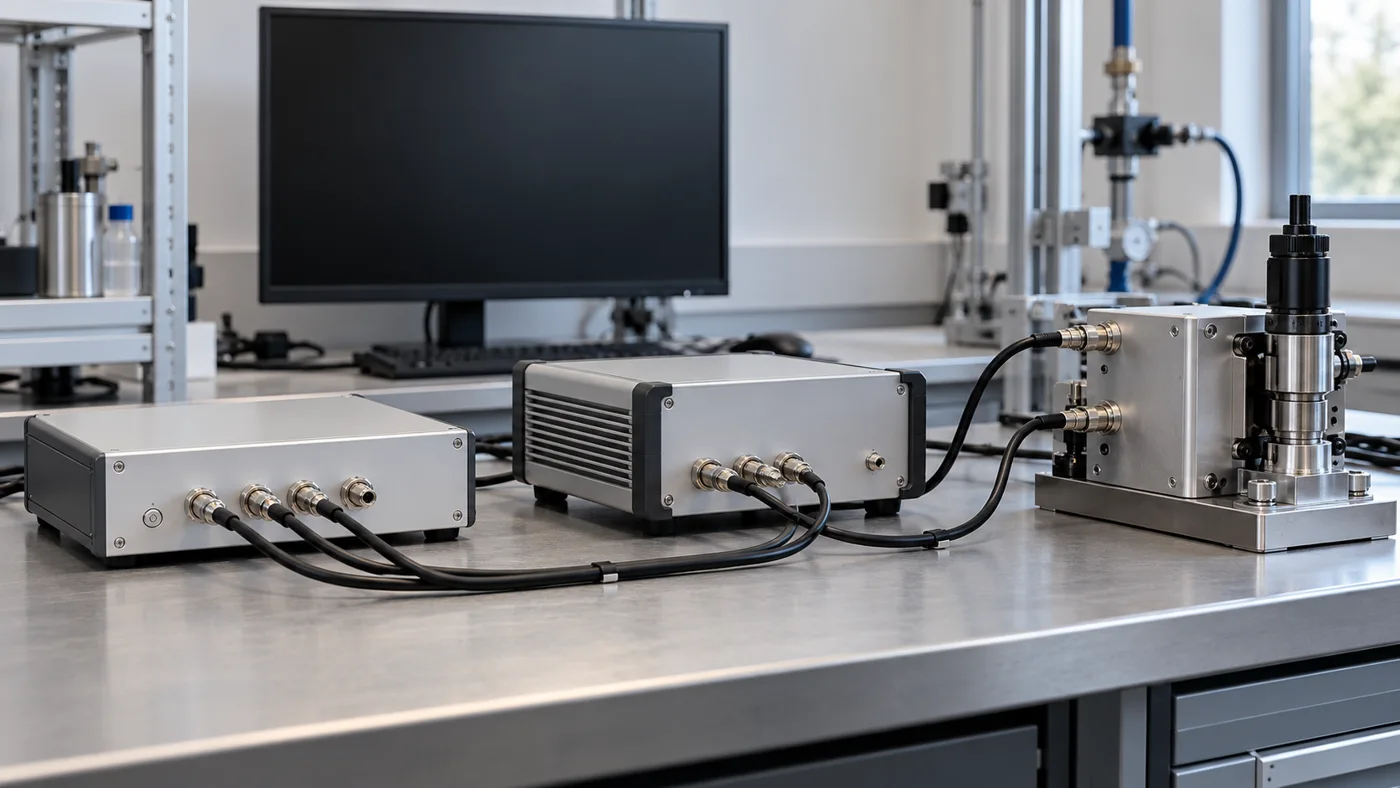
How does the plasma change after injection?
Research in Japan also examines how fueling changes the state of the whole plasma. A group including Kyoto University and NIFS observed increased density and reorganization of temperature and density profiles after pellet injection in Heliotron J. The paper was published on May 13, 2025, and NIFS introduced it on June 4. NIFS research announcement
The research describes a state different from that before injection, reached through the introduction of cold particles and subsequent reheating. Questions remain about whether favorable conditions persist and why the transition occurs. This result comes from a different device than W7-X, and the same numbers or operating conditions cannot simply be carried over.
Fuel reaching its destination and maintaining a desirable state must be verified separately. Measuring changes in temperature and density over time, rather than only the number of supplied particles, helps evaluate the technology.
Do not stop at “larger pellets are better”
A W7-X preprint published on September 15, 2026 analyzed experiments from 2024–2025 and reported a positive correlation between pellet size and stored energy in a quasi-steady state. It also found quantitative differences between modeled and measured particle-deposition locations. Preprint by Fujii and colleagues
This is presented as a researcher-published preprint; this article has not confirmed peer review or journal publication. Even if larger pellets show promise, that does not establish a design rule that increasing size always improves performance.
Measurements must cover both the pellet’s own state and the plasma’s response. Aligning fuel-system operating records and diagnostic data on the same time axis can reveal differences invisible in injection success rates alone. The ability to explain actual machine behavior should be evaluated separately from the ability to predict future operation.
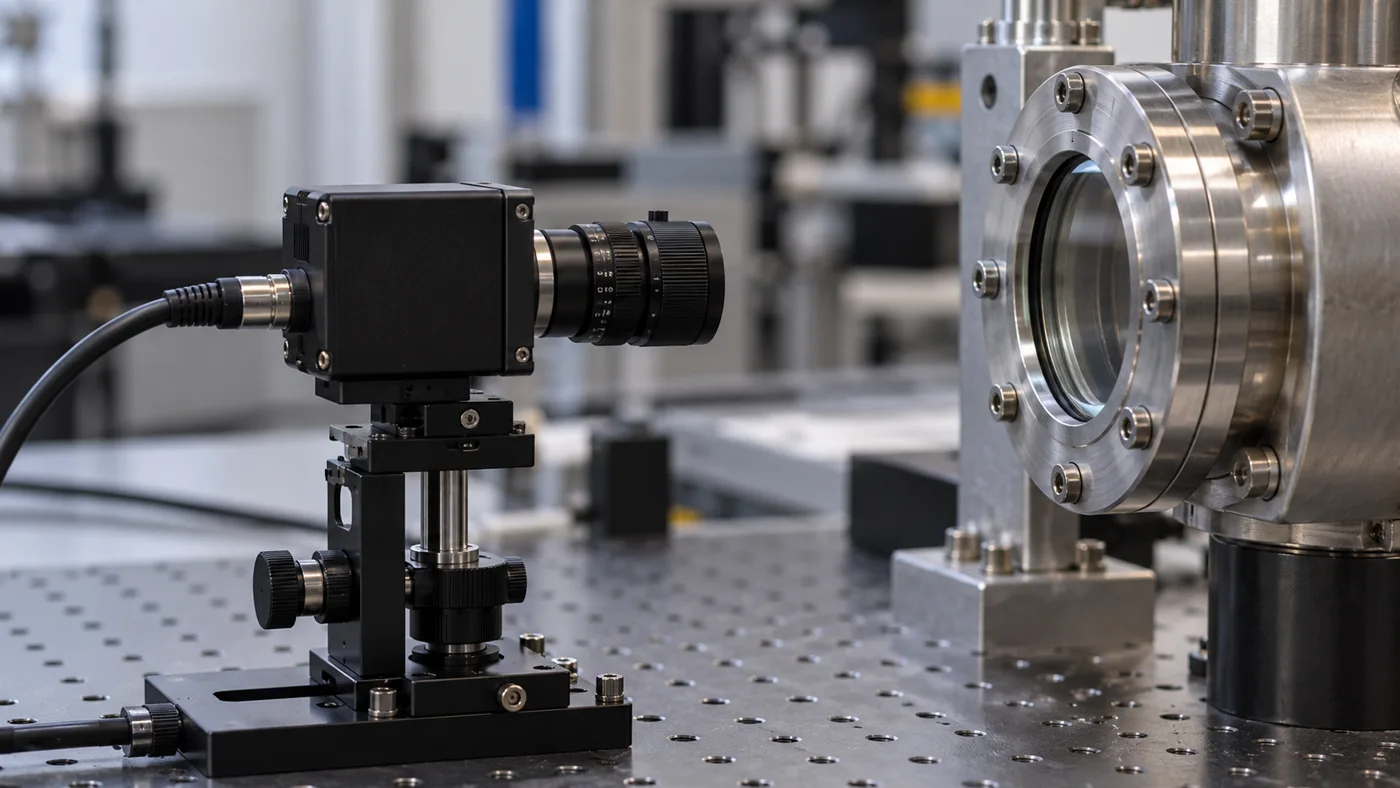
What should companies check before making a proposal?
The following is the editors’ practical interpretation of public research, not a specific call for proposals or procurement specification.
Cryogenic-equipment companies should examine not only the temperature at which pellets are made but also the conditions for sustaining it in continuous operation. For precision-mechanism and control companies, variation in timing from pellet cutting to injection is a starting point. For measurement companies, it is how to correlate a pellet’s passage with the plasma response.
Testing should establish not just how many pellets were launched, but under which conditions and how far validation extended. Handling failed delivery, synchronization with heating, and items to recheck after equipment replacement are also matters for discussion with operators. These questions do not guarantee that off-the-shelf products can be used unchanged; they help define the required development scope.
The fascination of pellet injection is that cold fuel is introduced while a hot state is continually created. Readers who have viewed fusion mainly through temperature records can gain a more concrete picture of the work supporting operation by asking where, when, and how many particles must be delivered.
- IPP: Fueling (standing basic explainer; obsolete machine-planning sections not cited; checked October 15, 2026 JST)
- ORNL: Pellet applications (published September 8, 2015; used only to explain principles; checked October 15, 2026 JST)
- IPP: Particle fueling and control with pellets (standing technical explainer; checked October 15, 2026 JST)
- ORNL: W7-X continuous fueling equipment (published August 28, 2025; describes 2025 experiments; checked October 15, 2026 JST)
- IPP: W7-X experiment (experiment May 22, 2025; announced June 3; updated June 30 to account for JET; checked October 15, 2026 JST)
- NIFS: State changes in Heliotron J (announced June 4, 2025; paper published May 13; checked October 15, 2026 JST)
- Fujii et al.: Pellet size and W7-X performance (preprint v1 published September 15, 2026 UTC; analyzes 2024–2025; checked October 15, 2026 JST)
Information checked as of:2026-10-15
Technical explainer distinguishing 2025 experiments from a 2026 preprint. Makes no claim of electricity-generation or commercial-operation achievements. Images are person-free, photorealistic editorial illustrations, not photographs of actual equipment.