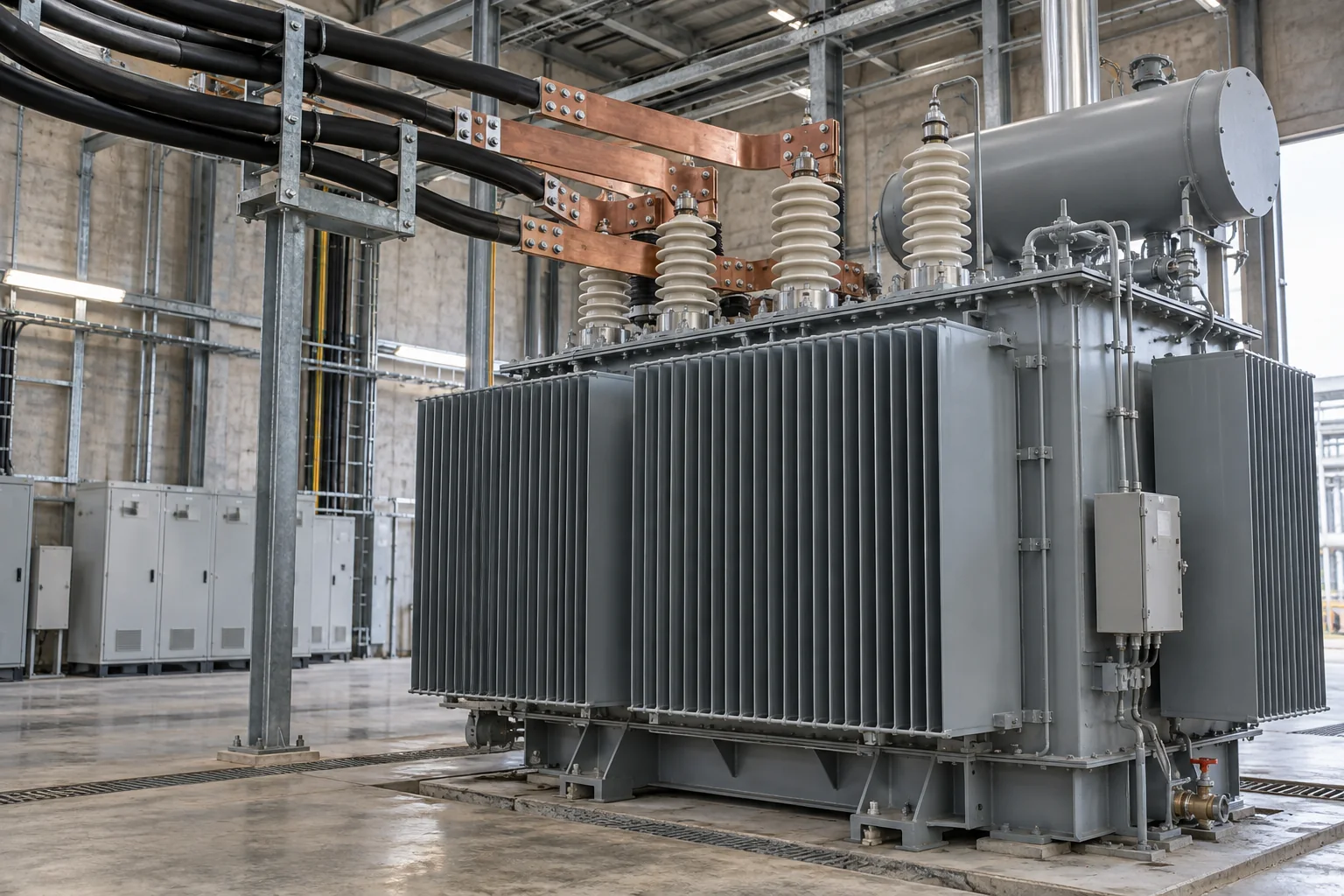
The October 8 capital and business alliance brings Fuji Electric into technical and business planning for the Helix Program. It builds on a 2025 supply agreement, while plant deployment remains a development goal.
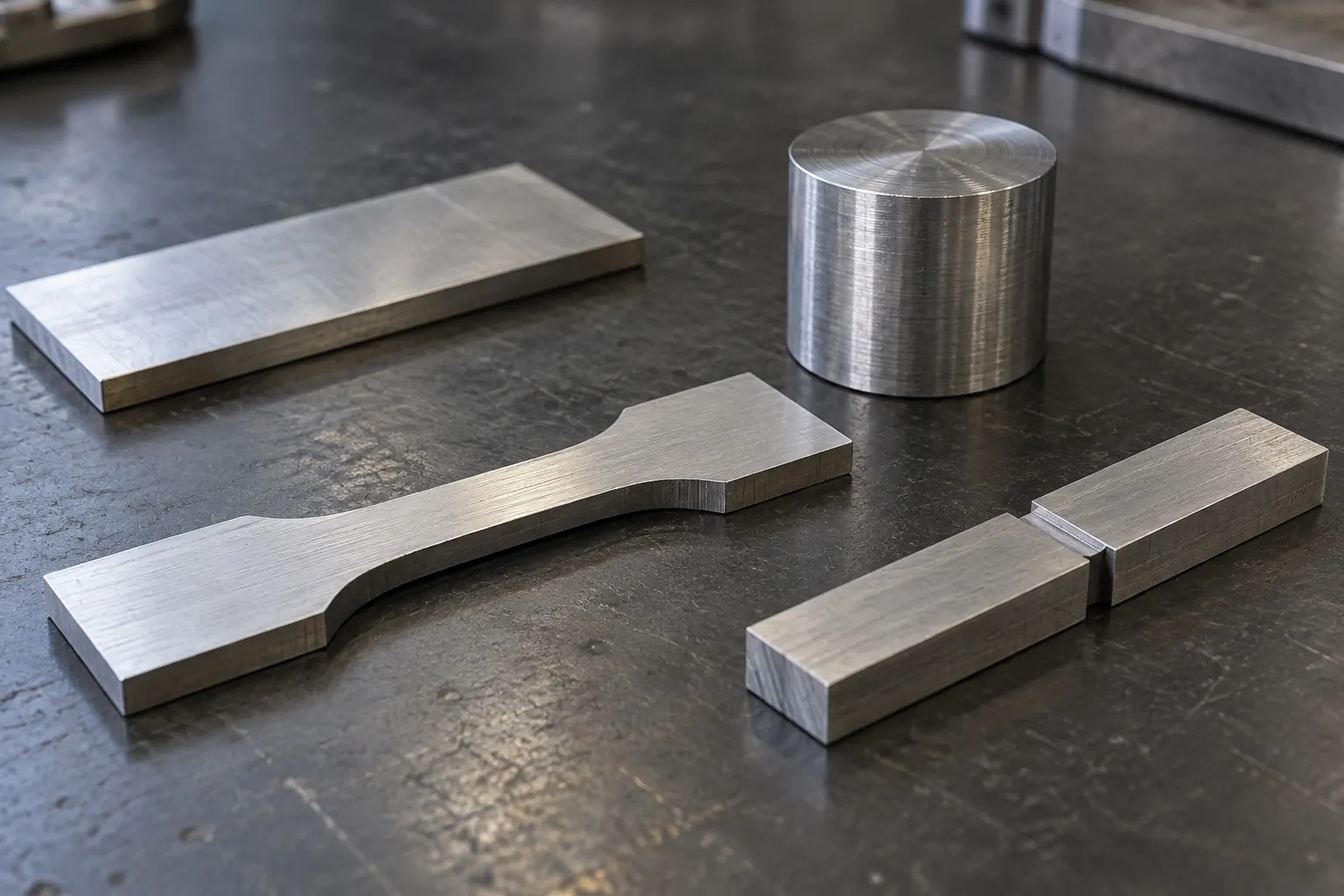
A reported 200 kg of cumulative melting and the production of bar and plate mark a manufacturing step. Planned material deliveries and a 2027 mock-up remain separate milestones.
A guide to Japan’s three major fusion research hubs: their distinct roles, industrial connections and what overseas partners should check before seeking access.
A new US–Japan collaboration combines joint design with supply of every tile for the planned divertor. Its value extends to shared experiments, but commercial component qualification remains ahead.
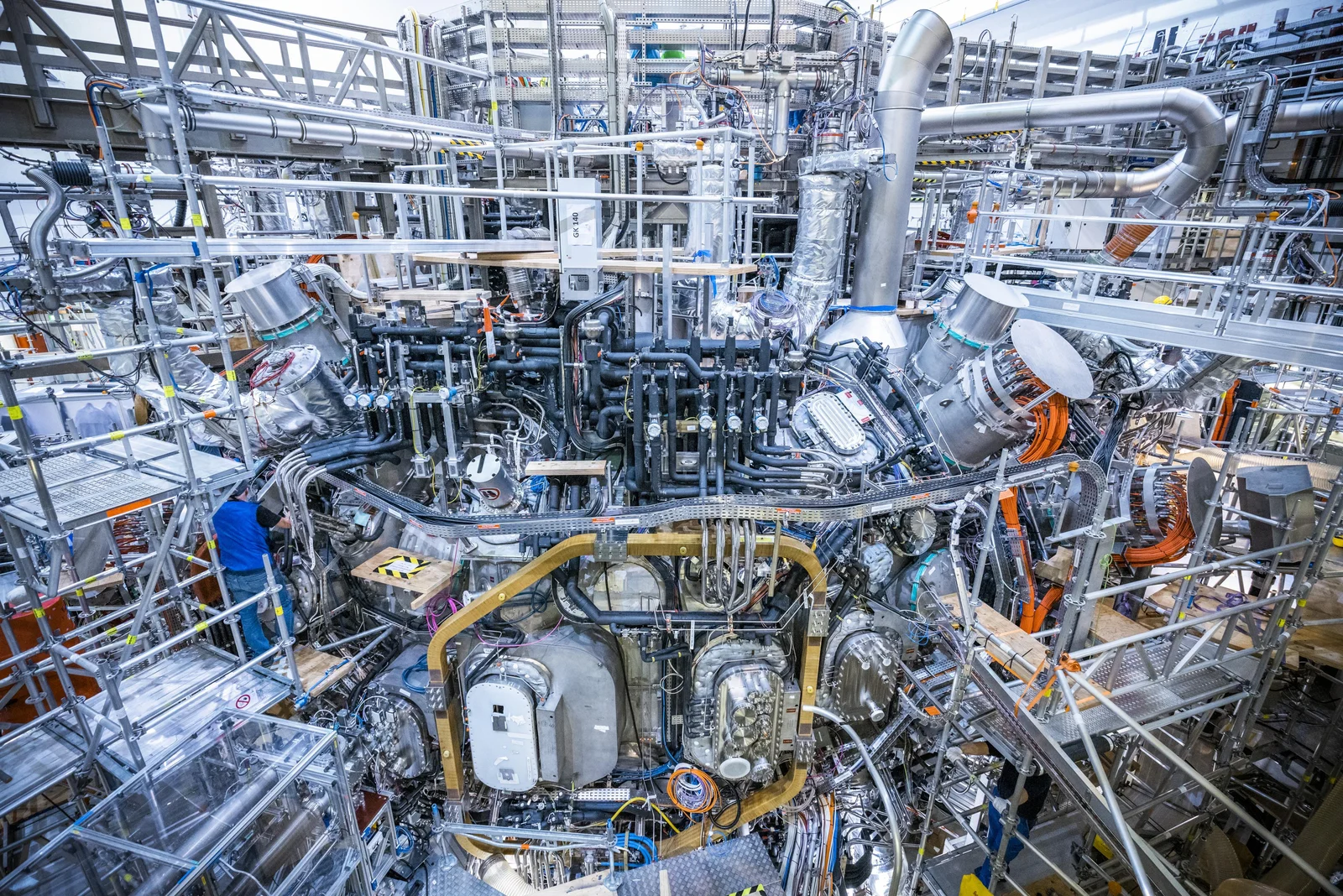
LHD and Wendelstein 7-X provide a research foundation for a new generation of stellarator developers. The industrial challenge is to turn carefully shaped magnetic fields into equipment that can be manufactured, fueled and maintained.
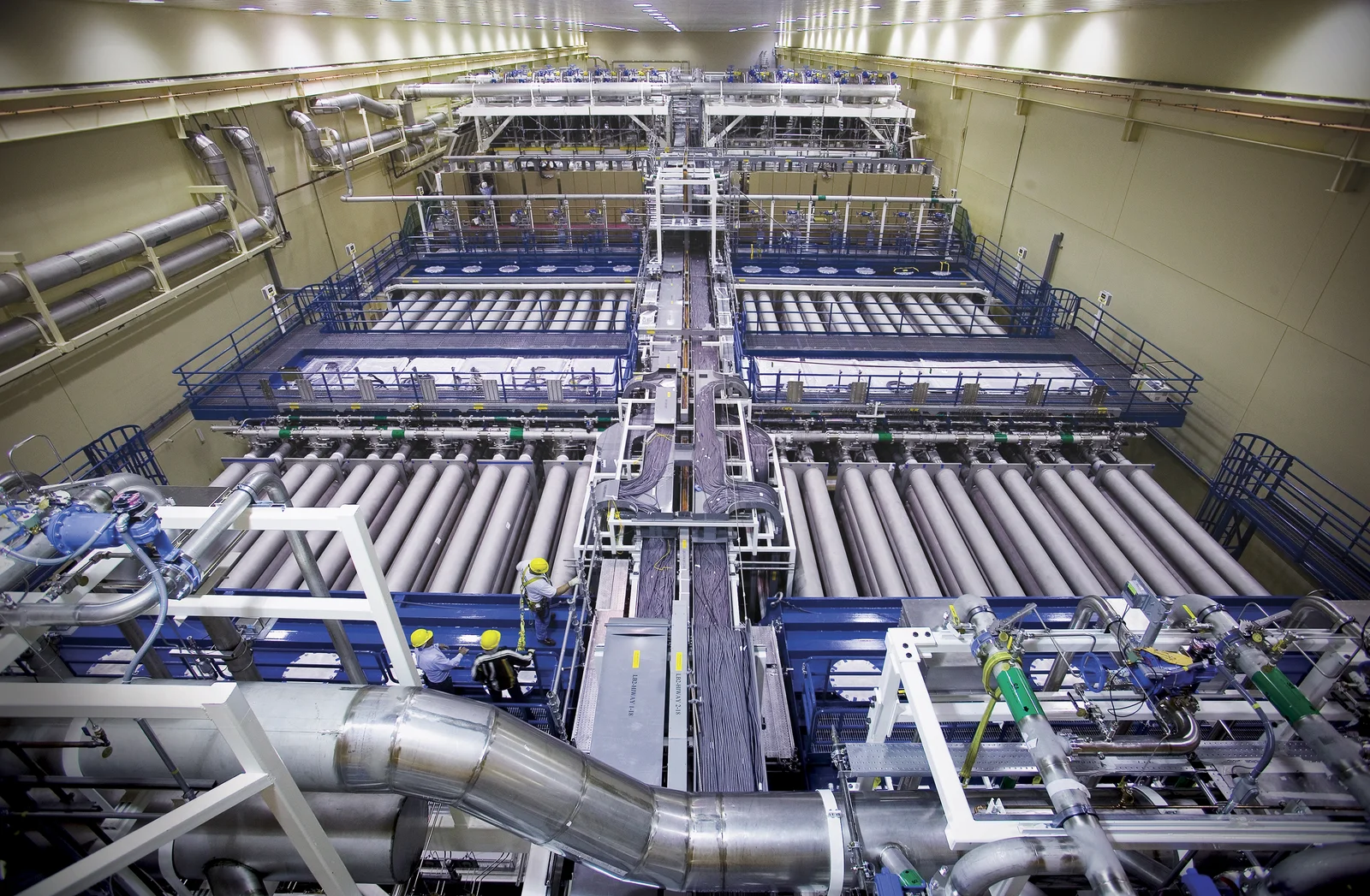
NIF has demonstrated ignition and target energy gain. Turning those results into electricity requires efficient lasers, repeatable targets and integrated operation, areas where Japanese photonics and precision engineering already have concrete research connections.
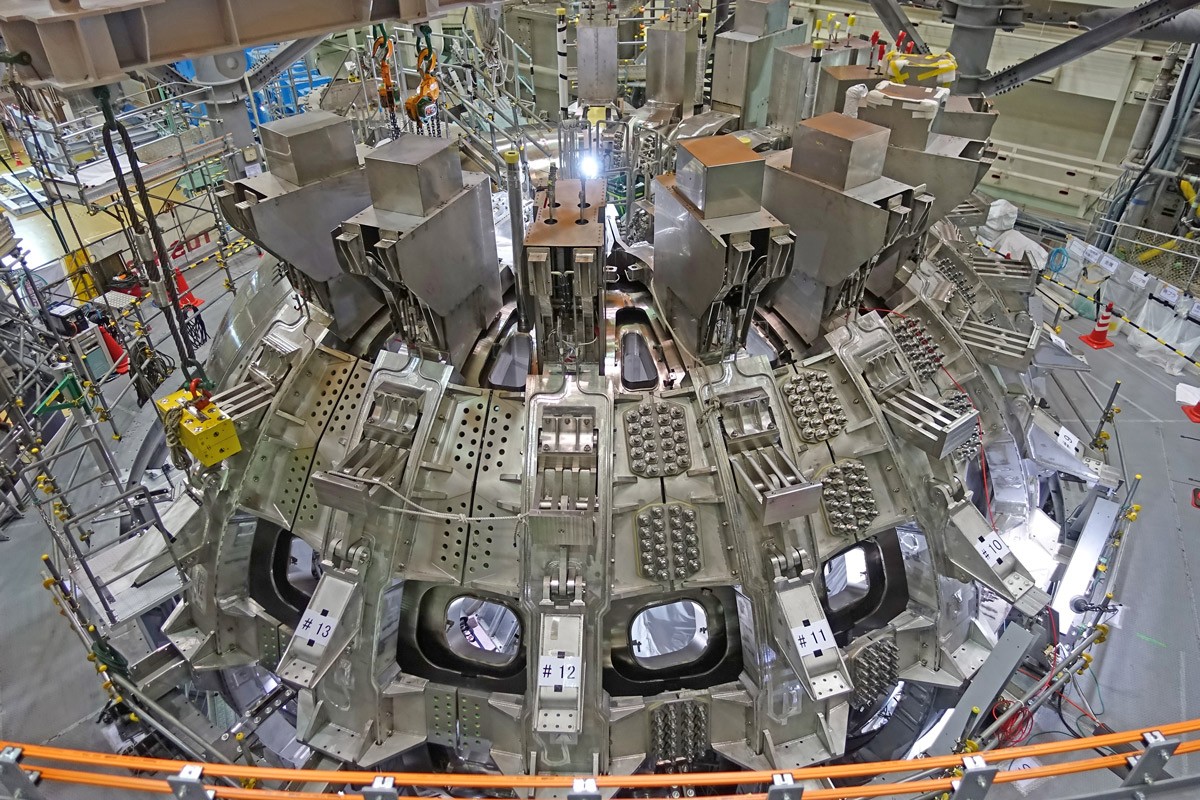
First plasma, integrated commissioning and future heating experiments are different milestones. Here is what JT-60SA contributes to fusion research and its suppliers.
Japan’s Q-DEMO concept separates initial power generation, fuel breeding and steady-state operation. This guide explains the targets and the evidence still needed.
A target year means little without a defined result. Japan’s distinction between an initial electricity demonstration and a later pre-commercial demonstration offers a useful framework for reading global fusion roadmaps.
Japanese procurement examples show how precision manufacturing, joining, inspection and system integration enter fusion projects, and why an experimental order is not a commercial-reactor demand forecast.