Q-DEMO: What Japan’s Demonstration-Reactor Concept Proposes
Japan’s Q-DEMO concept separates initial power generation, fuel breeding and steady-state operation. This guide explains the targets and the evidence still needed.
Read the Japanese original 日本語Q-DEMO is Japan’s published concept for an ITER-sized fusion demonstration reactor. Its significance for overseas researchers and industry is the attempt to connect decades of tokamak engineering with an explicit, staged power-generation program. Understanding those stages prevents a later ambition, such as steady-state net electricity, from being confused with the first demonstration target.
The concept is a research and engineering proposal. It is neither the name of a private company nor evidence that a generating station has already been built.
What the Q-DEMO name refers to
Japan’s National Institutes for Quantum Science and Technology (QST) introduced the name when releasing its conceptual-design report. The design brings together earlier Japanese JA DEMO studies and ITER engineering, with the aim of accelerating a demonstration of electricity generation in the 2030s. QST’s explanation of the concept
For international readers, the Japanese term *genkeiro* is best understood here as a demonstration reactor. It indicates a development role, not a guarantee of commercial operation. Earlier JA DEMO specifications should not be copied across as though every dimension and output target were unchanged.
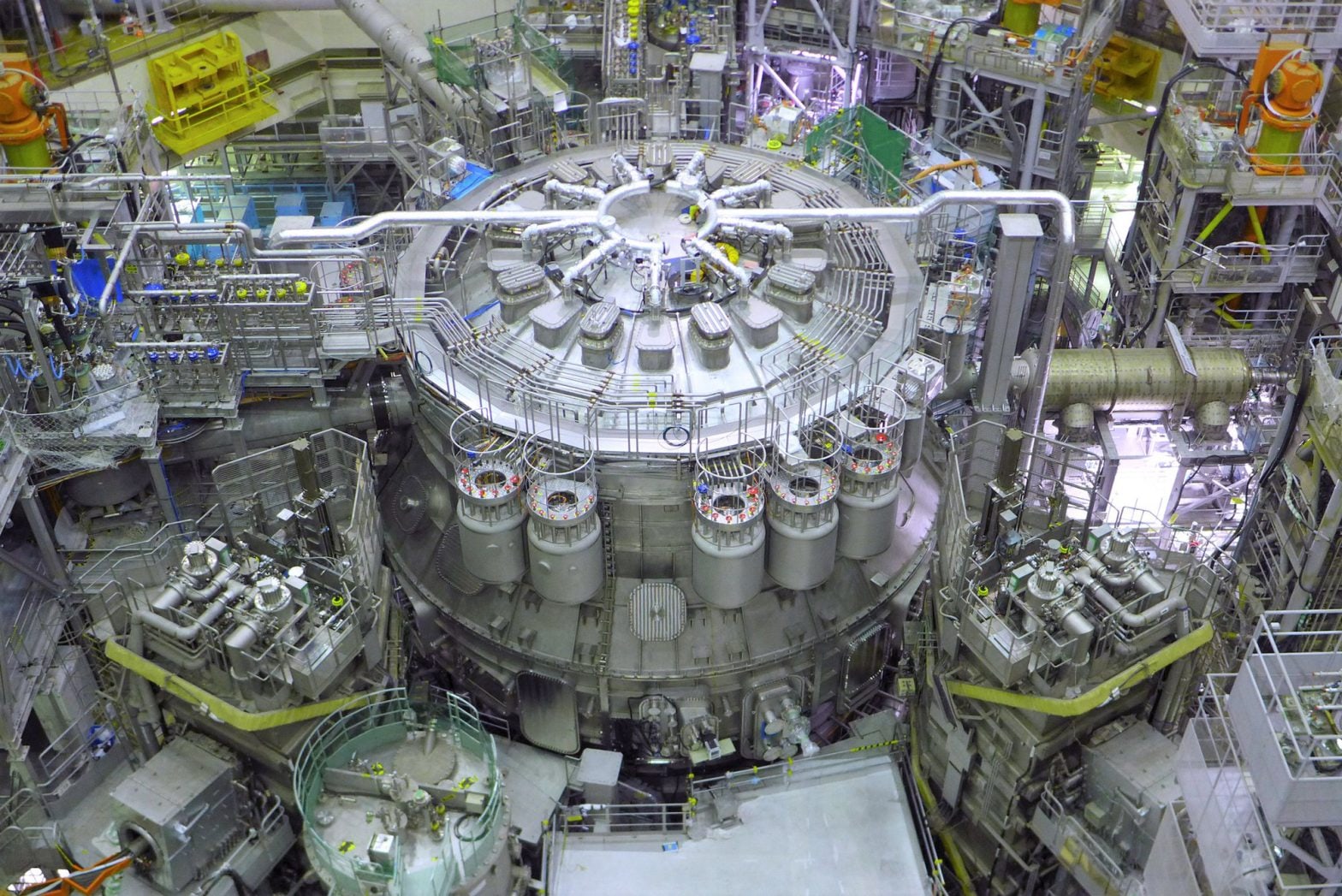
Building on ITER and JT-60SA
The approach seeks to use experience in manufacturing large ITER components and the assembly, integration and plasma-operation knowledge developed through JT-60SA. QST works with industry and universities, including through the Joint Special Design Team for Fusion DEMO.
ITER’s central research mission concerns burning plasma and associated technologies. Q-DEMO adds systems for converting extracted heat into electricity. Transferring experience between projects can reduce uncertainty, but each new operating environment still requires appropriate engineering and testing. The demonstration-reactor program
Three phases with different success criteria
The conceptual-design summary sets out three stages:
- Phase one targets electricity generation at roughly zero net electrical output during short pulses lasting several minutes.
- Phase two introduces a fuel-breeding blanket and targets pulses of at least 30 minutes, combining fuel breeding with generation at roughly zero net electrical output.
- Phase three aims for steady-state operation with approximately 100 MW of net electrical output, drawing on improved plasma performance and equipment.
These are design objectives, not achieved results. The 2030s first-stage ambition must not be merged with the later steady-state, approximately 100 MW objective. QST’s conceptual-design summary, in Japanese
Net electrical output subtracts the plant’s own electricity consumption from generation. It differs from plasma gain, Q, which compares fusion power with external plasma-heating power. Power at one operating point also differs from energy delivered over a complete start-up, pulse and shutdown cycle.
Why a staged demonstration matters
Producing useful heat, generating replacement fuel and maintaining long-duration operation are different engineering tasks. Initial electricity generation would not establish fuel self-sufficiency. Producing tritium would not, on its own, establish adequate recovery, processing and inventory control.
A phased plan makes these distinctions visible. It also means that later tasks must remain visible when an earlier milestone succeeds. Describing the first phase as proof of every function required by a fusion power station would remove precisely the qualifications the plan contains.
Important systems sit outside the plasma
For a deuterium–tritium reactor, the blanket absorbs energy carried by neutrons and transfers heat to a cooling system. A breeding blanket also uses lithium-containing material to produce tritium. Heat transport and heat exchange connect that nuclear process to steam, turbines and generators. Blanket principles / Power-plant principles
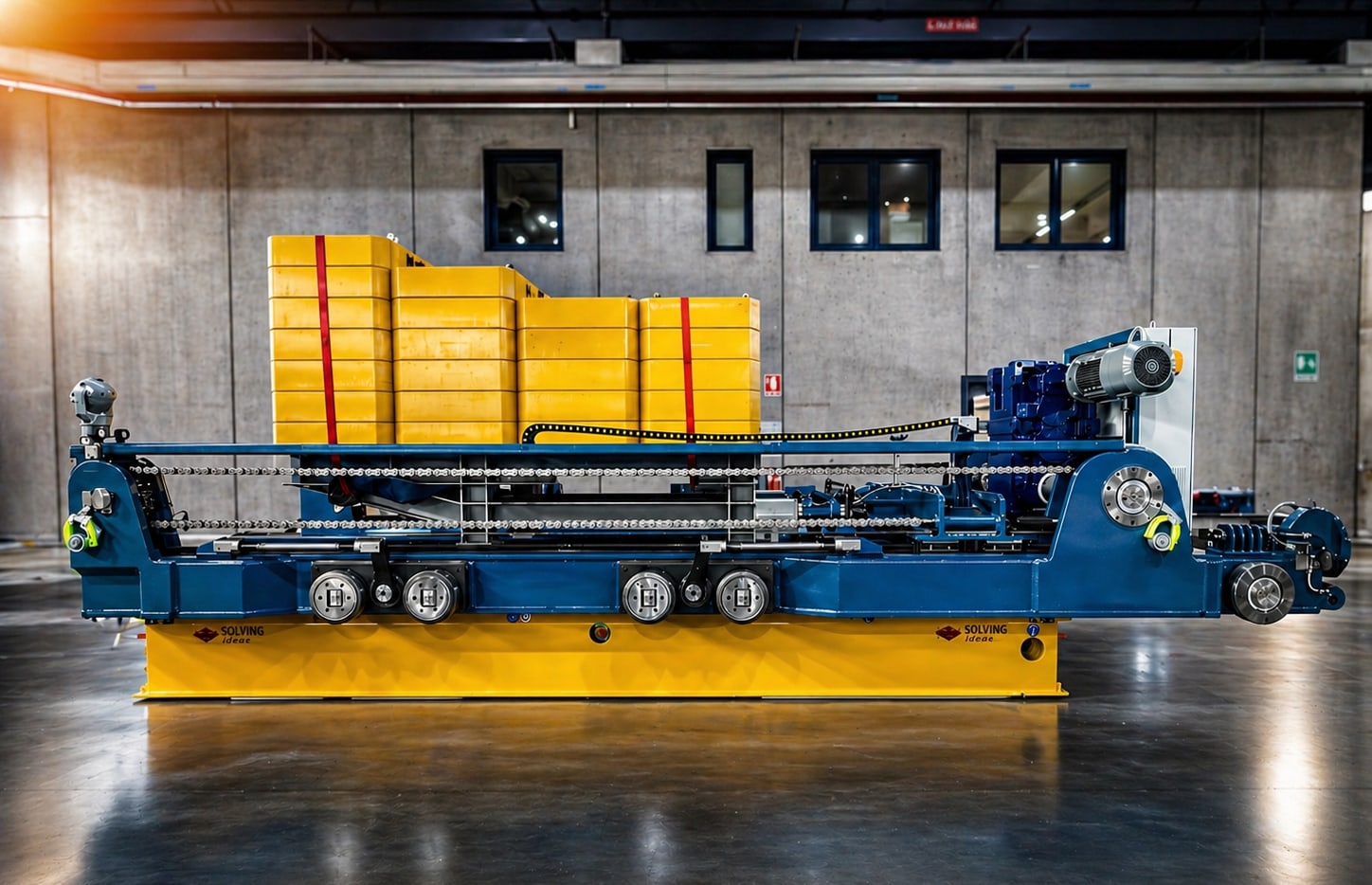
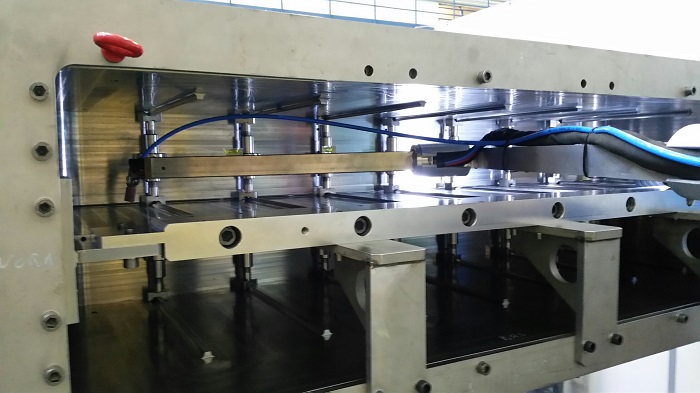
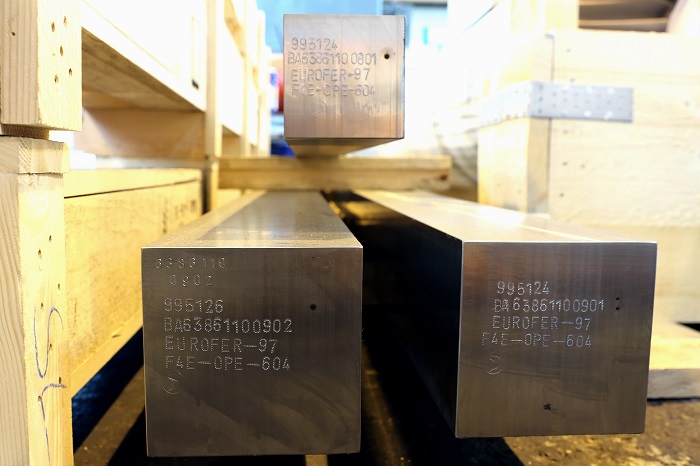
This introduces work in fuel recovery and purification, heat exchangers, radiation-tolerant materials, remote handling and replaceable components. The photographs of ITER-related tooling and blanket manufacturing illustrate relevant engineering experience. They do not show manufactured Q-DEMO equipment or establish that another project’s design has been adopted unchanged.
What is published and what remains a target
The available conceptual-design report considers a schedule for starting phase-one operation in 2038. A schedule within a concept is not an achieved milestone or a guaranteed commissioning date. The report alone does not establish final siting, full construction funding or completed construction authorization. Q-DEMO schedule and site assumptions
Moving beyond a concept requires detailed component design, manufacturing methods, inspection, maintainability, procurement and construction planning. Public numerical values may be assumptions or calculated design points. “Designed,” “fabricated,” “tested” and “demonstrated as an integrated plant” should remain distinct descriptions.
Japan’s implementation framework similarly separates an early electricity demonstration from a subsequent demonstration of the technologies needed for commercial operation. That distinction matters when comparing Japanese policy language with overseas pilot-plant announcements. Cabinet Office implementation framework
Materials testing develops alongside reactor design
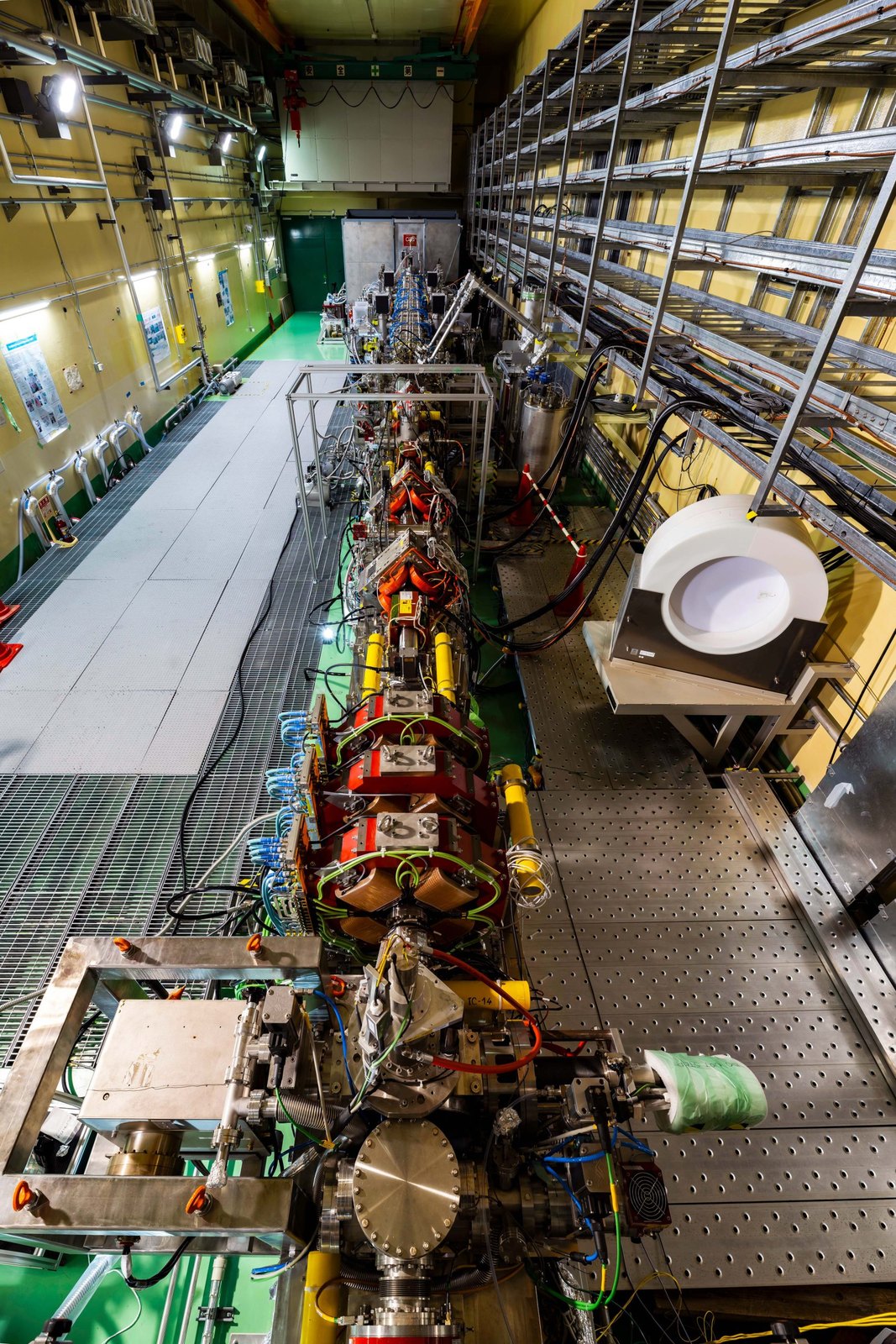
Evidence for reactor materials also comes from facilities outside a power plant. At Rokkasho, the Linear IFMIF Prototype Accelerator (LIPAc) develops accelerator technology relevant to the proposed International Fusion Materials Irradiation Facility. F4E’s August 2024 report describes progress in that Japanese–European program. The LIPAc progress report
The accompanying beamline photograph shows LIPAc, not a Q-DEMO construction site or a completed IFMIF neutron-irradiation facility. Accelerator validation, irradiation-based materials evaluation and proof of reactor-component lifetime are separate bodies of evidence.
How industry can assess the opportunity
Our industrial reading of the concept is that magnets and vacuum vessels are only part of the work. Blanket manufacturing, heat transport, tritium systems, maintenance and plant integration create additional technical interfaces. This is an analysis of the published design, not a list of awarded contracts.
The next useful evidence would include more detailed engineering, relevant component tests, delivery and financing arrangements, and formal decisions on siting and safety. For later stages, materials durability, replacement time and fuel recovery become especially important.
A supplier can therefore ask which requirement is established, which test will support the next decision, and which assumptions may change. Brief electricity generation, dependable annual supply and commercially viable operation answer different questions. Keeping them separate makes Q-DEMO more useful as an engineering roadmap and more intelligible as an international collaboration opportunity.
Sources & verification
- QST: Introducing the Q-DEMO conceptual-design report (Japanese)
- QST: Q-DEMO conceptual-design summary (Japanese)
- Joint Special Design Team: The role of Q-DEMO (Japanese)
- Joint Special Design Team: Blanket principles (Japanese)
- Joint Special Design Team: Power-plant principles (Japanese)
- Cabinet Office: Framework for implementing fusion energy (Japanese)
- Fusion for Energy: Japan and Europe make further progress with LIPAc
Information verified: 2026-10-07
Independent English editorial adaptation reviewed on 18 October 2026. Historical events, published plans and achieved results are distinguished. Original Japanese publication date is preserved.
Saved to the same reader account as the Japanese edition. Sign-in and saved-item screens use a Japanese interface.