Germany's SPRIND announced a new program for fusion companies on October 7. How technical verification is linked to funding, what the 2037 design-report objective means, and which conditions suppliers should examine.
Xcimer Energy combines KrF lasers and a liquid-wall fusion concept. Explore the Phoenix laser prototype and the distinct future stages Anvil, Vulcan and Athena.
Checked 2026.10.30技術・実績を読む →Multi-State Fusion (MSF) and neutron irradiation
GenF is a Thales-related company based in Le Barp in south-western France. It aims to take laser inertial fusion from research toward industrial reactors. CEA’s CESTA and Laser Mégajoule are nearby, with CELIA part of the regional research environment. Access to such expertise is not evidence that GenF has completed a power reactor; public laboratories and companies have different roles.
The LDP announced on 10 November that its Fusion Energy Project Team met on 6 November and confirmed an objective of passing a proposed Fusion Energy Promotion Act during the current Diet session. Research, skills and public understanding are central issues; passage is not yet assured.
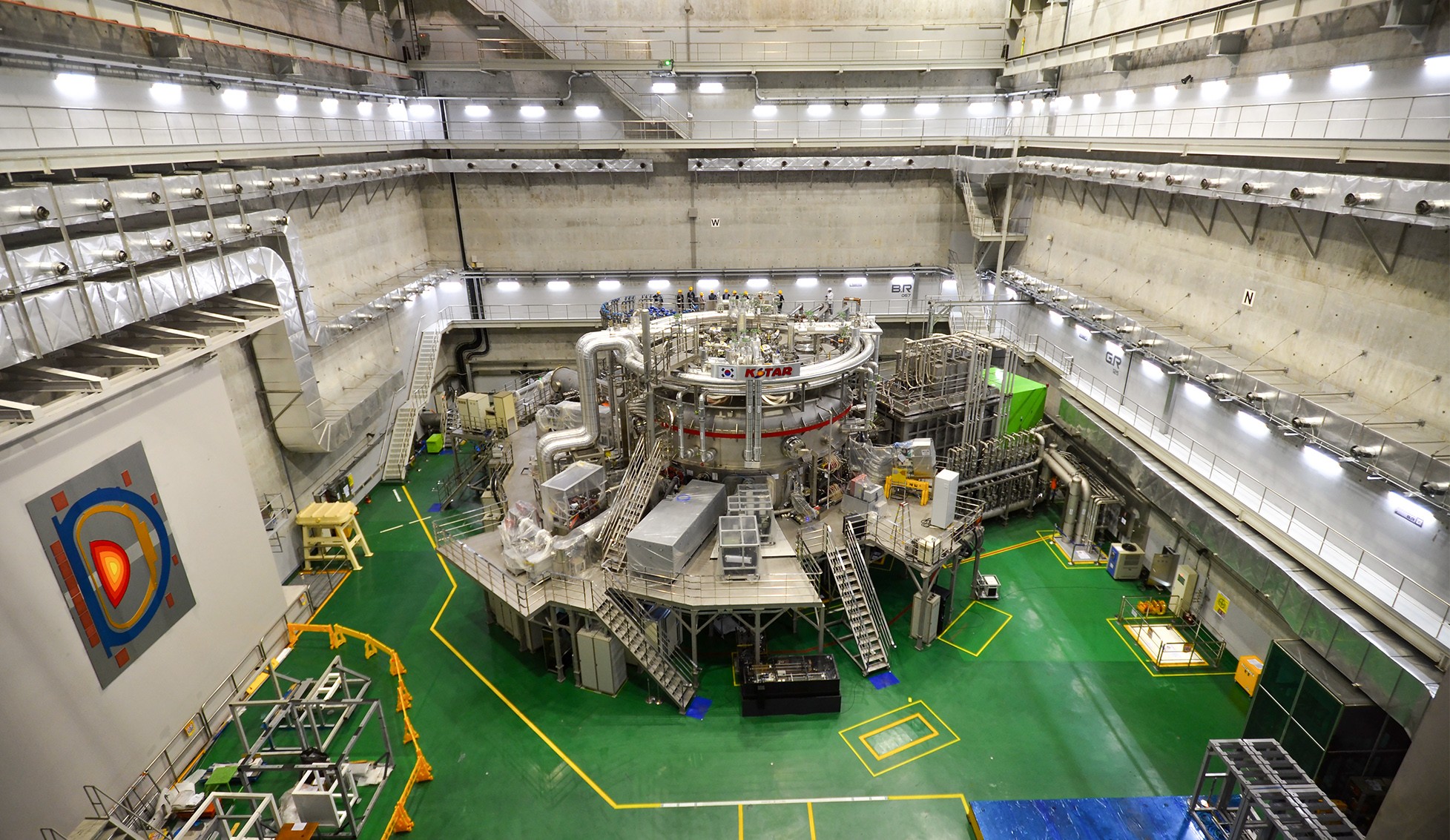
South Korea has approved a ten-year fusion R&D program for 2027–2036. The KRW 1.4813 trillion project will develop technologies and testing facilities, alongside ongoing KSTAR research, ITER participation and a policy goal of demonstrating fusion electricity generation in the 2030s.
Ten seconds of generation, 24 hours of operation, reactions repeated every second. Q-DEMO and four private-sector routes reveal the challenges and possibilities for Japanese manufacturing in turning research into power plants. Six tables compare approaches, output and scale.
The November 9 meeting runs from 13:00 to 16:00 JST. Published documents clarify the public discussions and confirm that the QST and startup R&D hearing is closed. Check the official registration and connection instructions to observe.
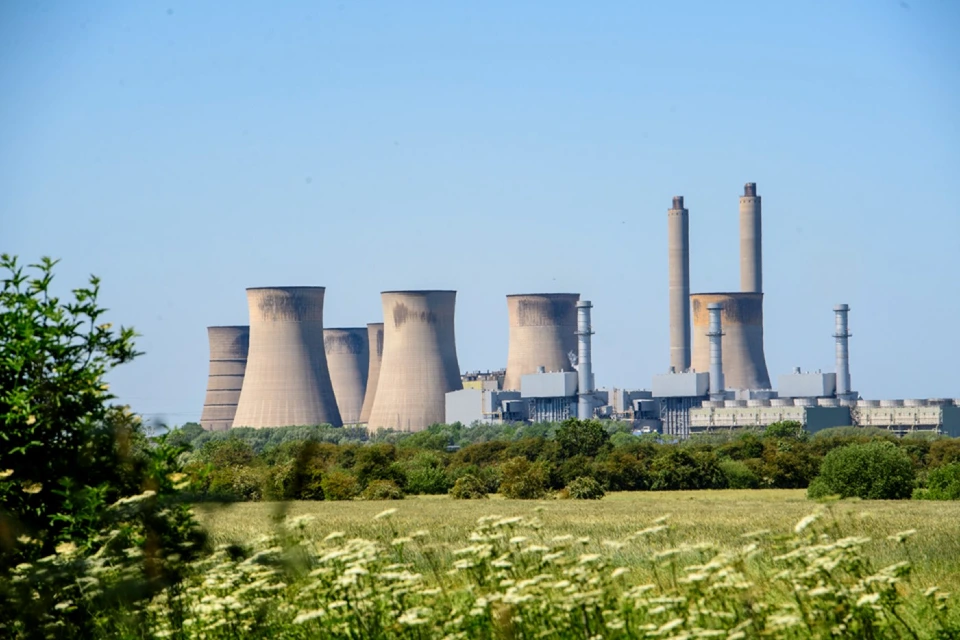
What remains valuable when the old coal-power equipment is removed? Britain’s STEP programme links West Burton’s location, community consultation and a £200 million construction-partner contract to industrial development before electricity generation.
Britain’s Tokamak Energy combines spherical-tokamak research with the commercial development of high-temperature superconducting magnets. Its headlines about “100 million degrees”, strong magnetic fields and power-plant contracts describe different kinds of progress. Separating the roles of the ST40 plasma experiment and the Demo4 magnet test facility makes the company easier to understand.
Merz toured KF’s Tokyo R&D site on October 29, viewing plasma-heating and fuel-cycle equipment and discussing opportunities for Japan-Germany cooperation.
The contract covers 170 GHz, 1 MW-class plasma-heating systems for Type One Energy’s engineering prototype. Manufacturing and testing will take place in Japan, with all deliveries scheduled for completion in 2029.
How could legislation support fusion research, industrial development, safety rules and the workforce? We examine the implications for companies and the questions still open, using the LDP’s June 2, 2026 proposal and October 8 press conference.
The meeting will take place via Zoom Webinar on Monday, November 9, from 13:00 to 16:00 JST. Members of the public can register in advance to observe. Planned topics include R&D plans from QST and startups, and a draft technology development strategy.
The companies will explore joint fusion opportunities by combining fuel-cycle, blanket and heating technologies with plant-integration expertise. The MoU does not announce a specific power-plant order or construction decision.