NIF optics maintenance reaches the one-tonne module
NIF combines routine optics recycling with refurbishment of modules weighing about a tonne. Lens exchanges, ageing housings and changes in the original supply chain reveal the work needed to sustain a long-lived facility.
Read the Japanese original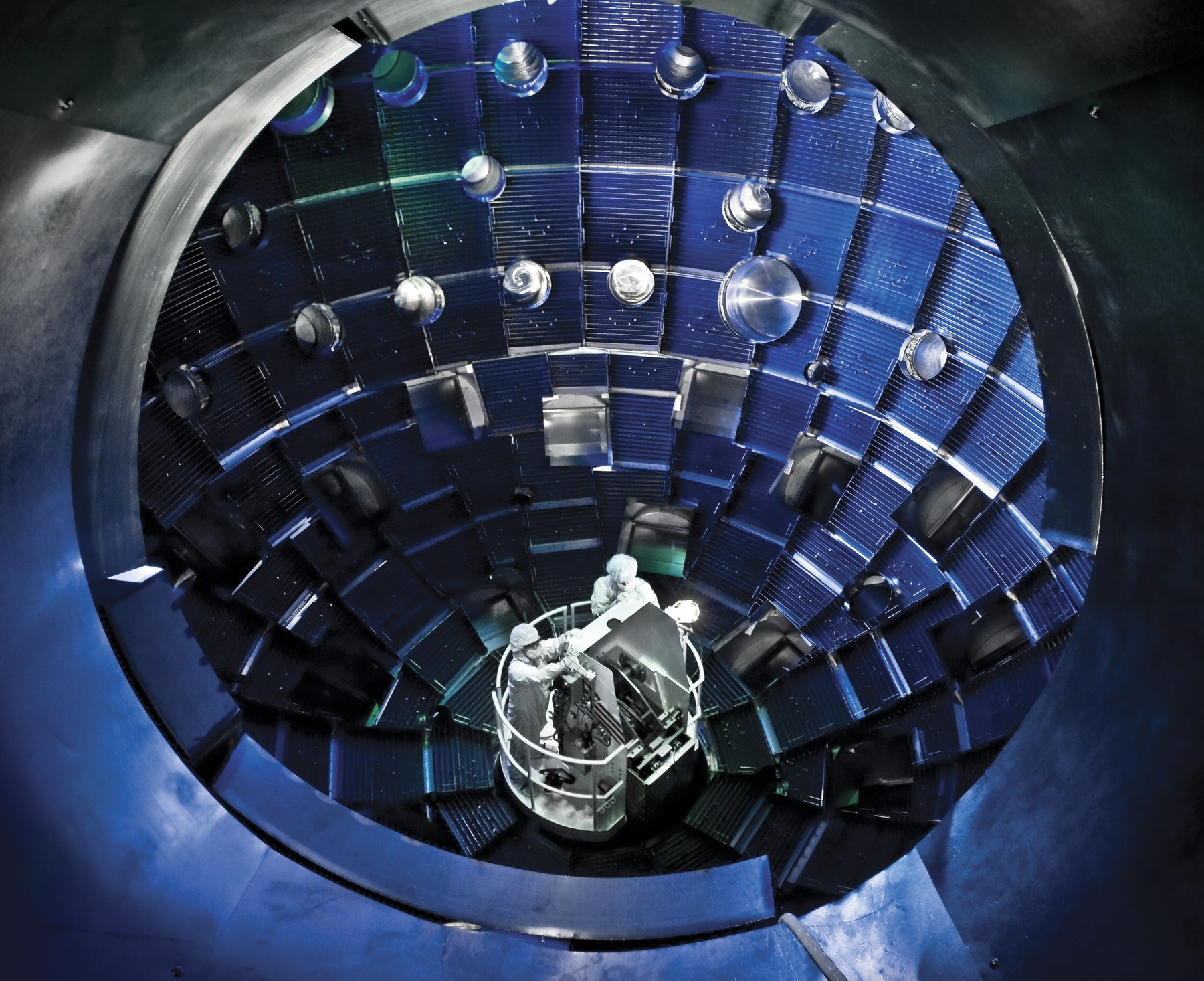
Replacing a lens does not renew the assembly around it. At the US National Ignition Facility, maintenance also reaches optical modules weighing about a tonne each. Keeping an intense-light facility useful for decades raises a question beyond replenishing consumables: how does the surrounding equipment get renewed?
Replacing a lens and refurbishing its housing are different jobs
An integrated optics module, or IOM, houses optical equipment just before the light enters NIF’s Target Chamber. LLNL’s July 2024 account distinguishes regularly exchanged optics from modules that had not themselves been removed for refurbishment since installation. Removal, inspection and reinstallation had to be developed beamline by beamline.
The FY2025 annual report describes refurbishment covering 192 IOMs and gives their weight as one tonne each. These are the refurbishment arrangements described in that report. Its planned FY2026 completion is not treated here as a verified completion.
Repair throughput enters the shot schedule
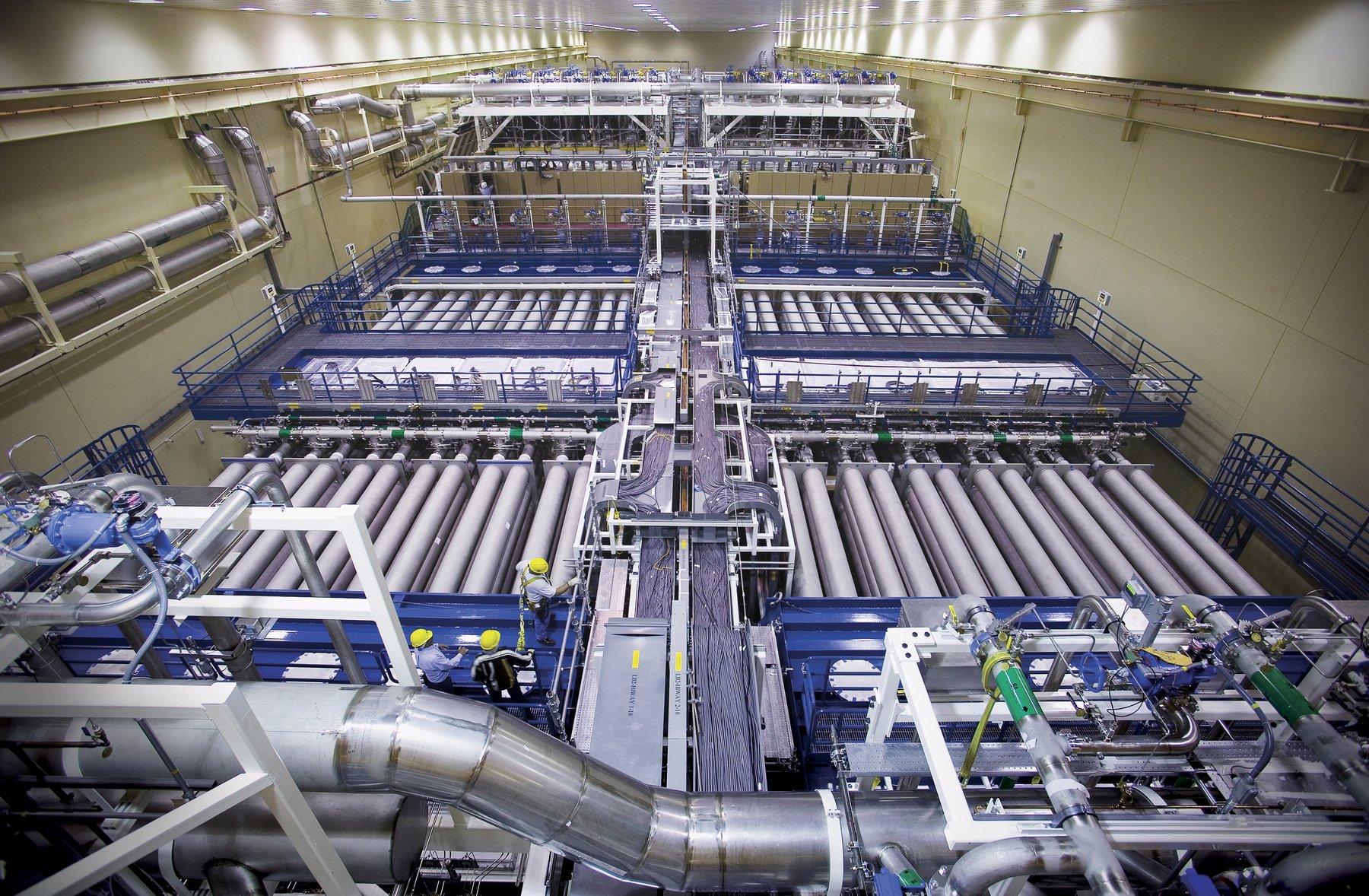
Routine optics repair has its own connection to experiments. NIF’s User Guide describes inspection after high-fluence shots and the inclusion of detected damage locations in the laser performance model. Removed components are treated off-line and returned to service.
The notable point is that experiment sequencing also takes account of damage mitigation and refurbishment throughput. A March 2025 LLNL account describes removing as many as 40 large optics per week and installing an equal number of refurbished components. That circulation and refurbishment of the IOM housing operate at different intervals and on different units of work.
The original supply chain does not last forever
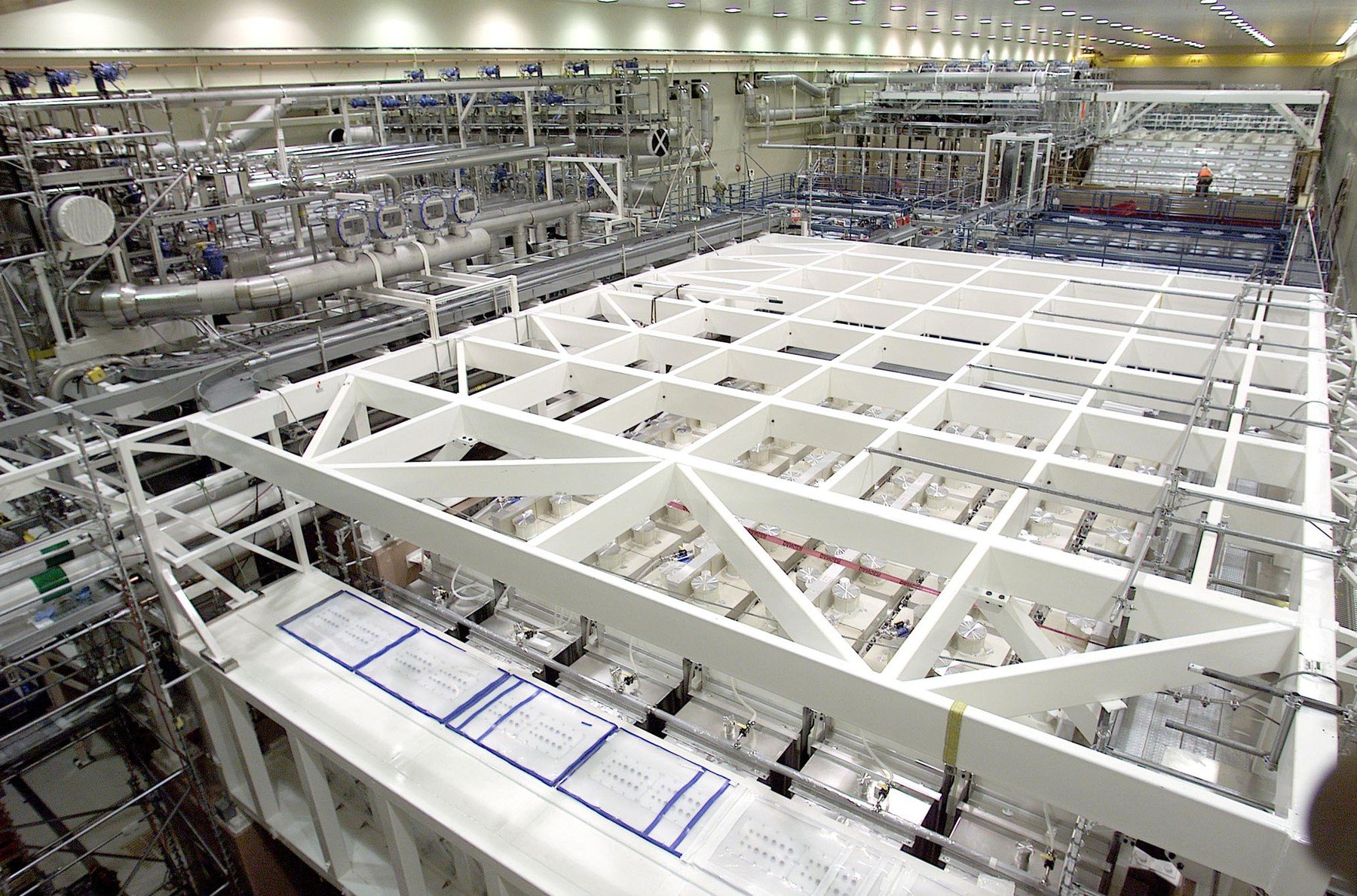
For long-lived facilities, ordering the same component again is not a safe assumption. LLNL’s 2023 sustainment account said it held spare amplifier laser-glass slabs but had no means of procuring additional slabs. Some equipment and vendors used to build NIF no longer existed.
Those statements describe the procurement situation in 2023; they do not establish that every condition remains unchanged today. They nonetheless show the practical value of a process for removing, treating and returning existing material. The original bill of materials alone cannot sustain operations twenty years later.
Maintenance becomes a design problem
FI’s industrial reading is to distinguish component performance from facility availability. Supplying an excellent lens does not by itself shorten an exchange: handling fixtures, a clean workspace, alignment and inspection records must work together.
That changes the questions a supplier should consider. Alongside what a component withstands at delivery, ask who can refurbish it years later, and through which procedure. This is FI’s interpretation of the cited accounts, rather than evidence of a particular contract or measured cost saving.
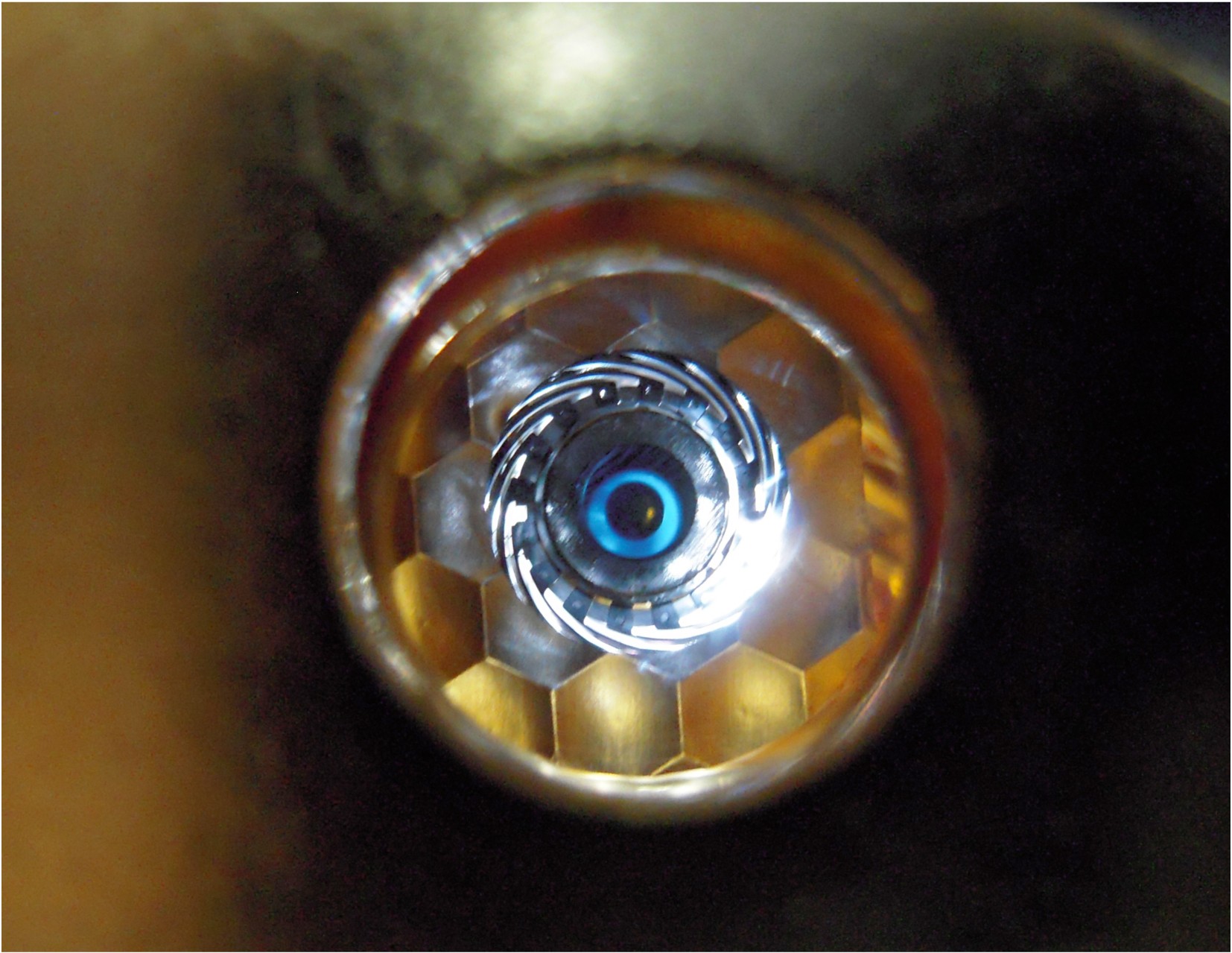
Our 19 November NIF article covered manufacturing a small target component. This article concerns sustaining the equipment that delivers light to that target, including both the hardware and the work needed to maintain it.
Sources
- LLNL:When Experiments Go Quiet: Maintaining the National Ignition Facility(2024-07-10)
- LLNL:National Ignition Facility — FY2025 Annual Report
- LLNL:NIF User Guide 4.9 Optics Recycling Strategy
- LLNL:Ride the Optics Recycle Loop(2025-03-05)
- LLNL:NIF Sustainment: Ensuring the Next 20 Years of Progress(2023-05-10)
Information checked as of:2026-11-21
Analysis based on LLNL accounts from 2023, 2024 and 2025, with dates identified. A planned FY2026 completion is not treated as a verified result. Implications for facility availability and suppliers are FI’s analysis.