In a vacuum, a fan cannot carry the heat away
Removing air can protect something cold and complicate cooling something hot. Vacuum flasks and research machines reveal why thermal paths matter.
Read the Japanese original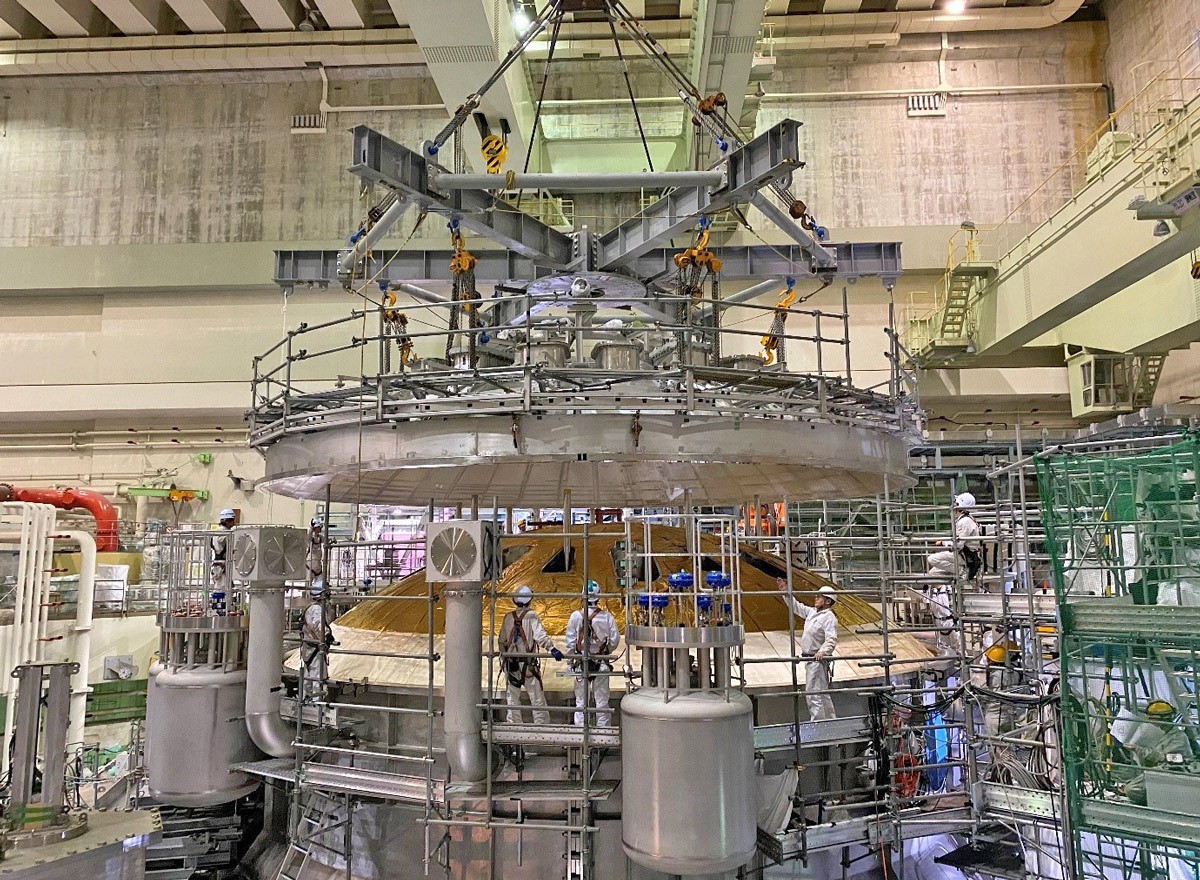
A vacuum flask keeps a drink warm by removing air between its walls. Put heat-producing electronics in a vacuum, however, and the surrounding air can no longer carry heat away. The same vacuum can protect something cold and complicate cooling something hot. What matters is which heat should move, and where it should go.
The heat that air used to carry
A computer fan does not manufacture cold. Moving air takes heat away from components and replaces warmed air. In a sufficiently evacuated space, that airflow is unavailable. Spinning fan blades alone cannot provide ordinary air cooling.
Heat moves through contact by conduction, through moving fluids by convection, and as electromagnetic radiation. NASA's small-spacecraft guidance explains that vacuum removes convection, leaving conduction and radiation. This does not mean every object becomes hotter in vacuum: the question is whether the remaining paths can carry the required heat.
Radiation travels without air; sunlight reaching Earth is one example. Spacecraft also use radiation to reject heat. Simply placing an object in vacuum does not guarantee sufficient heat rejection.
Cold magnets need air kept out
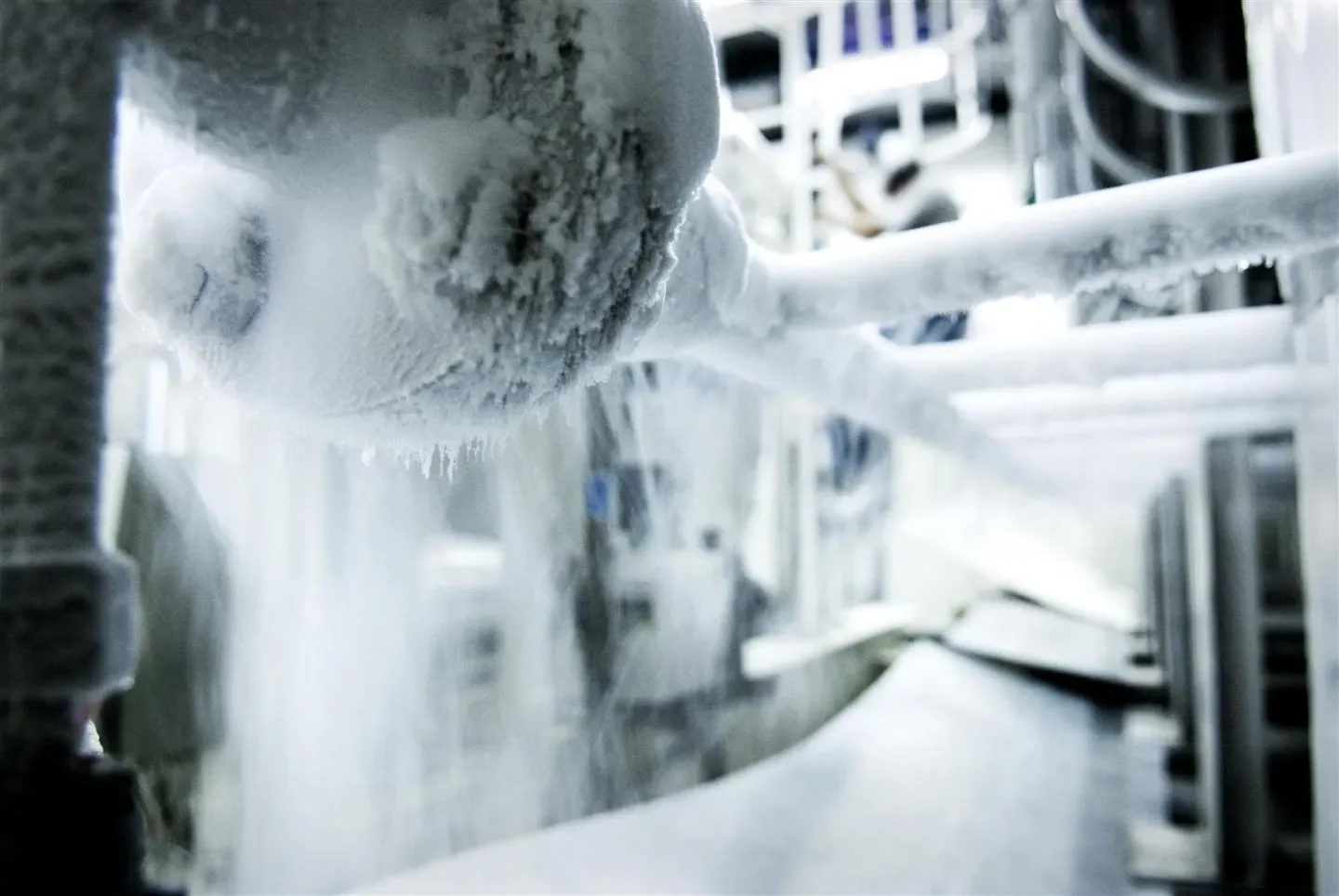
At CERN's LHC, separate vacuum systems insulate the superconducting magnets and helium distribution line, alongside the vacuum for particle beams. Their purpose is to reduce heat entering the cryogenic parts at 1.9 kelvin, approximately −271°C, from room-temperature surroundings. CERN's vacuum-system explanation
Reducing heat flow is useful here. Supports and pipes still provide solid paths, while facing surfaces continue exchanging radiation. Removing air does not eliminate every route for heat.
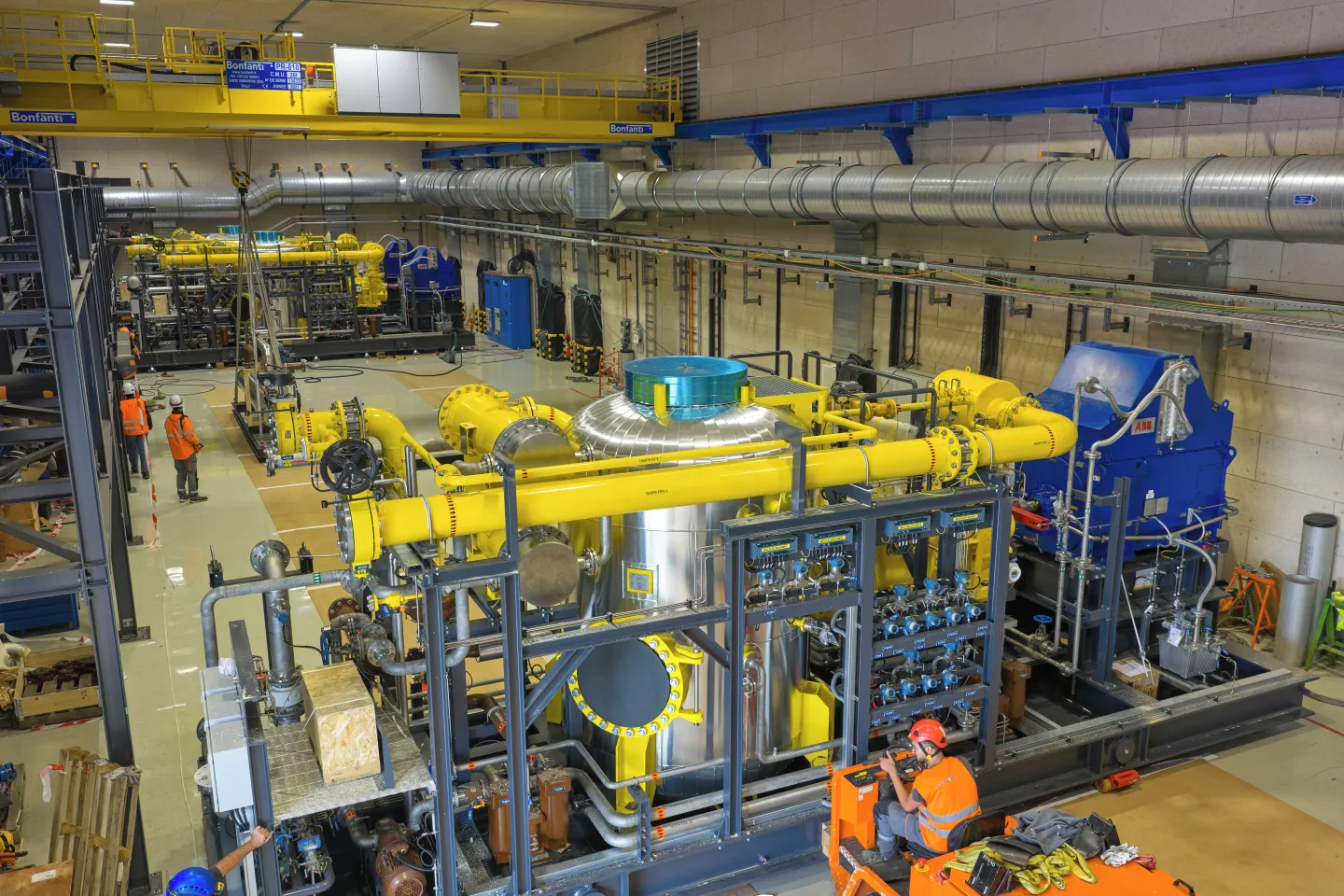
Refrigeration is still required. The CERN compressor and cold-box photographs illustrate cooling equipment, rather than the insulation vacuum itself. Limiting incoming heat and removing the remaining heat are both necessary jobs.
Where to stop heat and where to pass it
Cooling a heat-producing component requires a deliberate thermal path: into a suitable mounting surface and onward to a cooling system. A spacecraft must ultimately deliver waste heat to a surface that can radiate it away. Area, orientation and surface properties affect the exchange.
A fusion device likewise needs to protect cold superconducting magnets from their surroundings while transferring operational heat to its cooling system. The lead photograph records installation of JT-60SA's cryostat lid in March 2020. The vessel containing the plasma and the cryostat surrounding the cold magnets perform different roles.
For FI, a useful engineering question is not only how good the vacuum is, but which connections are intended to carry heat away. Making a support thicker for strength can also make it conduct heat more readily. The same metal part must meet both demands.
Vacuum is not a refrigerator. Once air is removed, designers still have to distinguish the thermal paths they want to block from those they need to preserve. That is a connection between a vacuum flask and a large research machine.
Sources
Information checked as of:2026-11-20
NASA・CERNの公開技術資料とF4Eの2020年組立記録による科学解説。写真は既存装置の資料写真。新しい実験成果や費用削減の発表ではない。