The Real Impact of High-Temperature Superconductivity Goes Beyond Smaller Magnets
The relationship between conductor, cooling, structure and protection cannot be captured by ‘20 tesla’ alone. Understanding superconducting magnets as manufacturable systems.
Read the Japanese original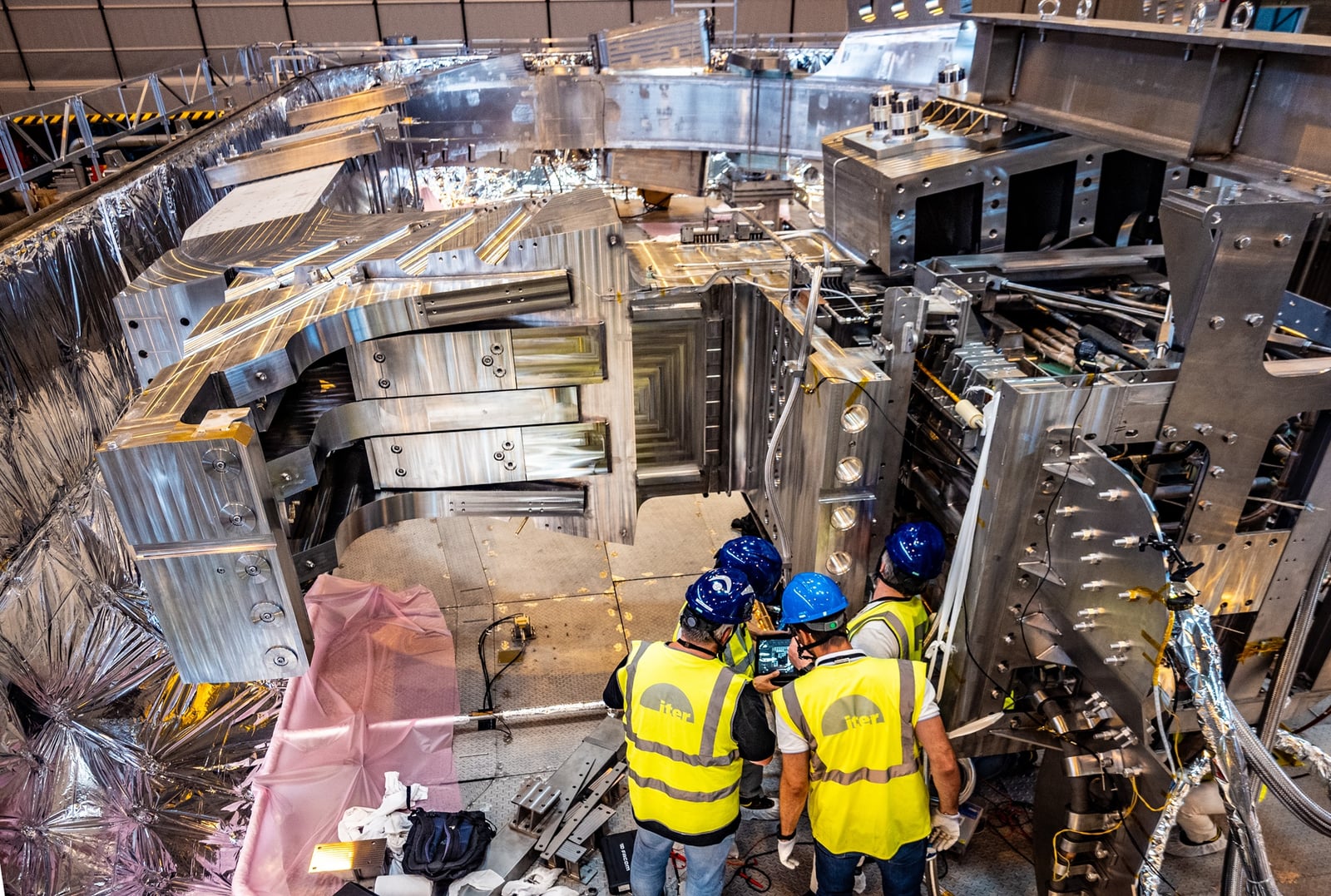
In fusion machines that confine plasma magnetically, magnet performance strongly influences reactor design. High-temperature superconductivity attracts attention because stronger fields may enable smaller machines. But better material performance does not immediately deliver a power station. The processes turning conductor into large magnets, and magnets into operable equipment, are crucial.
Even ‘high temperature’ requires cooling
Superconductivity is the phenomenon in which electrical resistance becomes zero under the right conditions. This does not mean the entire magnet system consumes no electricity: cooling equipment, power supplies and other systems are needed. ITER uses niobium–tin and niobium–titanium superconductors, cooled to around 4 kelvin. ITER’s magnet explanation
High-temperature superconductors in the REBCO family, meanwhile, are used in magnets as tape-shaped conductors. ‘High temperature’ is relative to conventional materials, not a claim that they work at room temperature. Compare not just names but performance under the combined operating temperature, magnetic field and current.
What the 20-tesla test showed
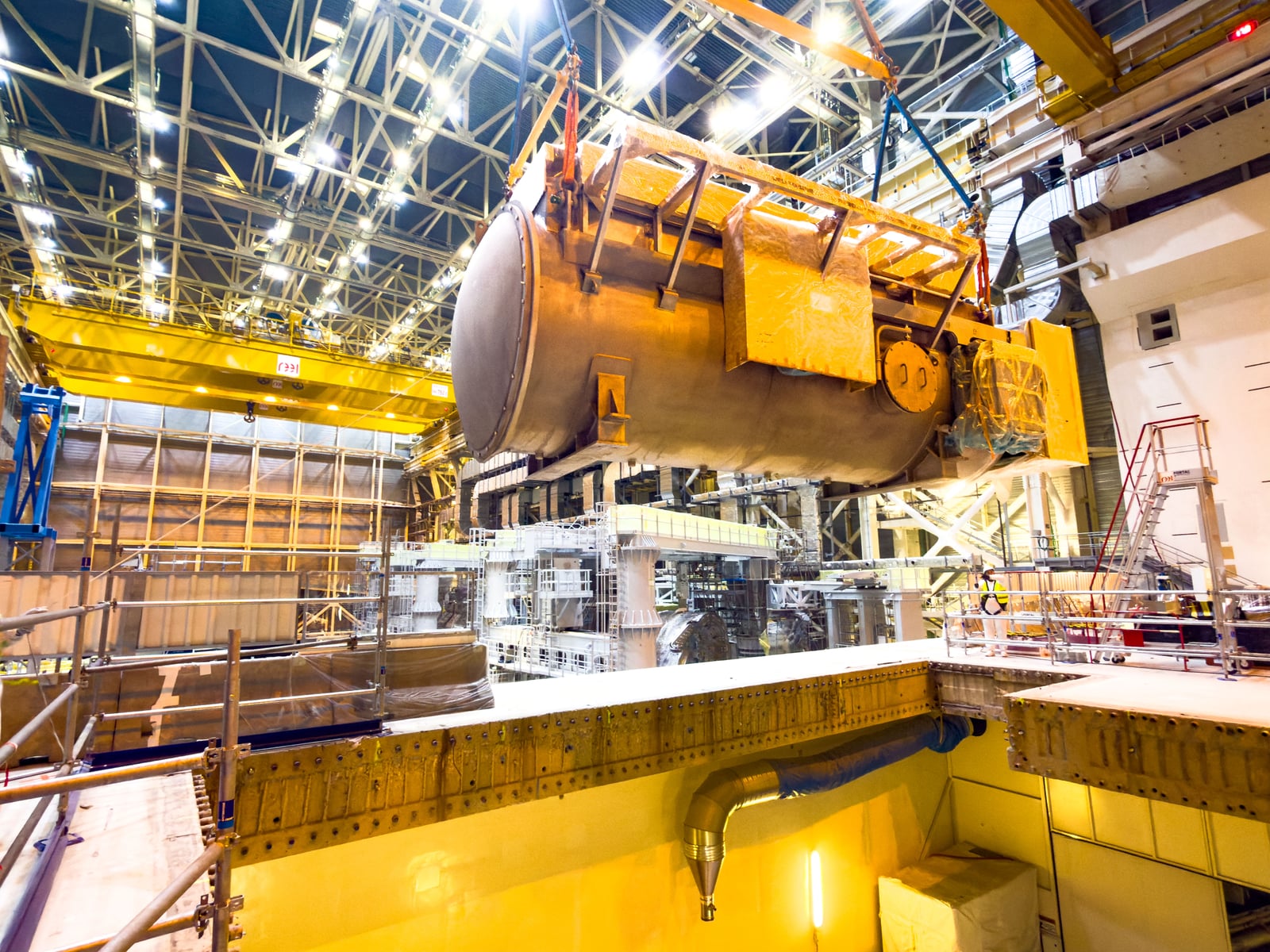
In September 2021, MIT and Commonwealth Fusion Systems achieved a field of approximately 20 tesla in a large high-temperature-superconducting model magnet. Research presented by MIT in March 2024 validated design, manufacturing and measurement, including subsequent tests and disassembly investigations. MIT research overview
This is an important magnet-technology demonstration, not a test demonstrating fusion electricity generation. Maximum field inside a magnet is also not the same quantity as the field at a representative position in the reactor core. Comparing figures with another machine requires aligning the measurement location and magnet size.
Four jobs beyond the conductor
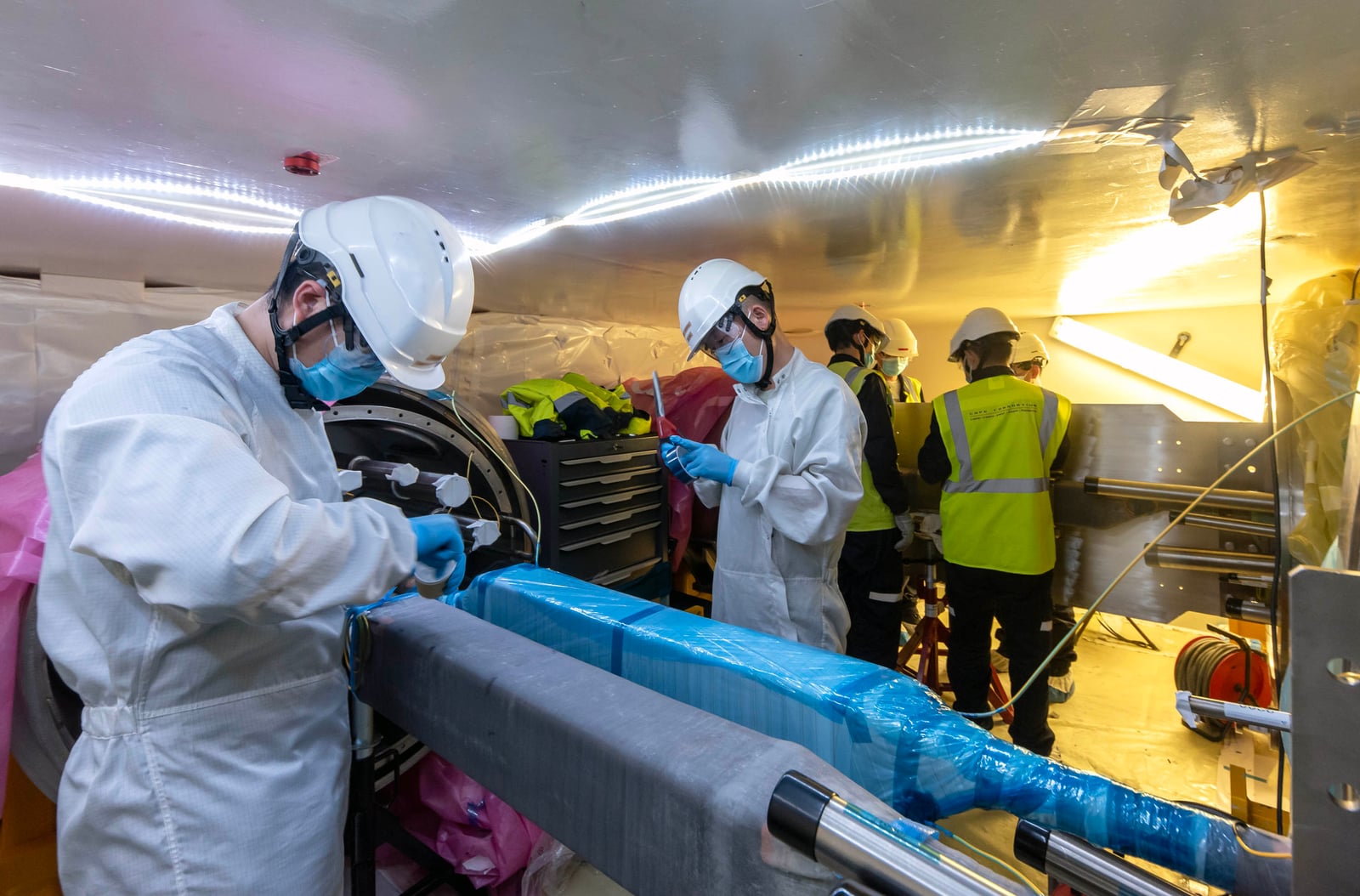
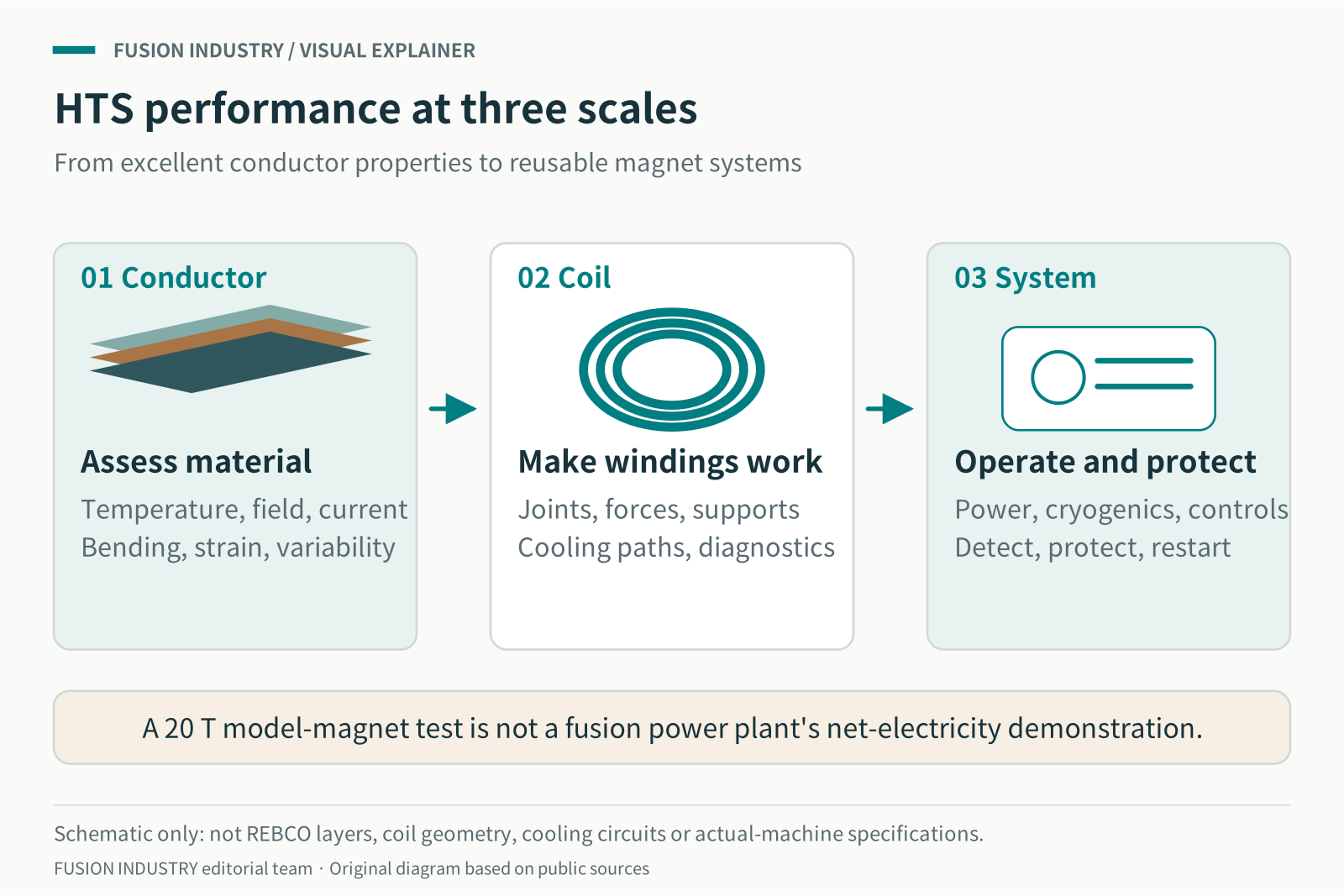
First come winding and joining: shaping long conductors as intended and creating a current-carrying structure. Second is structural support. Strong magnetic fields bring large electromagnetic forces, so magnets need mechanical support. Third are cooling and thermal insulation. Fourth are fault detection and protection. Faults such as a quench—the loss of superconductivity—require systems that safely manage stored energy.
ITER technical material likewise discusses heat treatment and strain-related performance degradation of superconductors as manufacturing issues. Between buying an excellent material and delivering reproducible magnets lies accumulated process-design and quality-control expertise. ITER Engineering Basis Handbook
A specification saying only ‘20 tesla’ is not enough for comparison
Two magnets with the same maximum field cannot necessarily serve the same purpose. A test producing a strong field in a narrow region and a test of a magnet providing the space required by a machine have different design implications. Examine operating temperature, current conditions, field-generating space and support methods together. Before judging the lower number as inferior technology, establish what the magnet was built to do.
Someone selecting a conductor, for example, will care about current capacity under magnetic field and manufacturing variability. A coil assembler will focus on bending and joining conditions and post-completion inspection. A reactor designer needs to consider installation space and interfaces with surrounding equipment. Even for the same magnet, the detail required in the data depends on the role.
Cooling remains a job after purchase
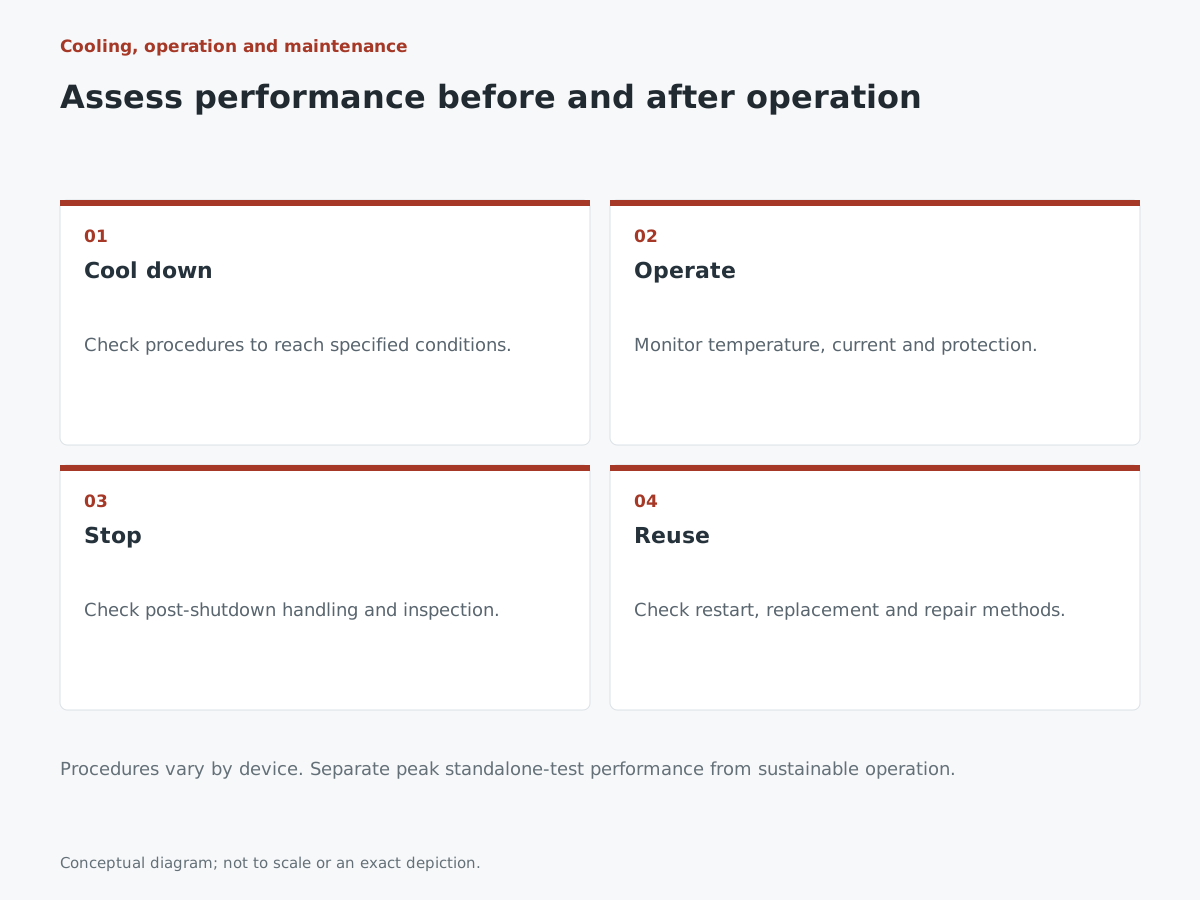
Cooling equipment is not a box added to a magnet but part of maintaining operating conditions. Delivering performance when cold is different from being able to cool, operate, stop and reuse equipment through prescribed procedures. Here lie start-up and shutdown issues that material comparisons alone do not reveal.
This does not imply frequent failures. It clarifies what a customer needs to check. If a component must be replaced, how much disassembly is expected? Which measurements will be built in for inspection? How will protection functions be tested? Asking about everyday operating assumptions alongside performance limits makes it easier to translate research results into equipment specifications.
Manufacturing value includes communicating measurement conditions
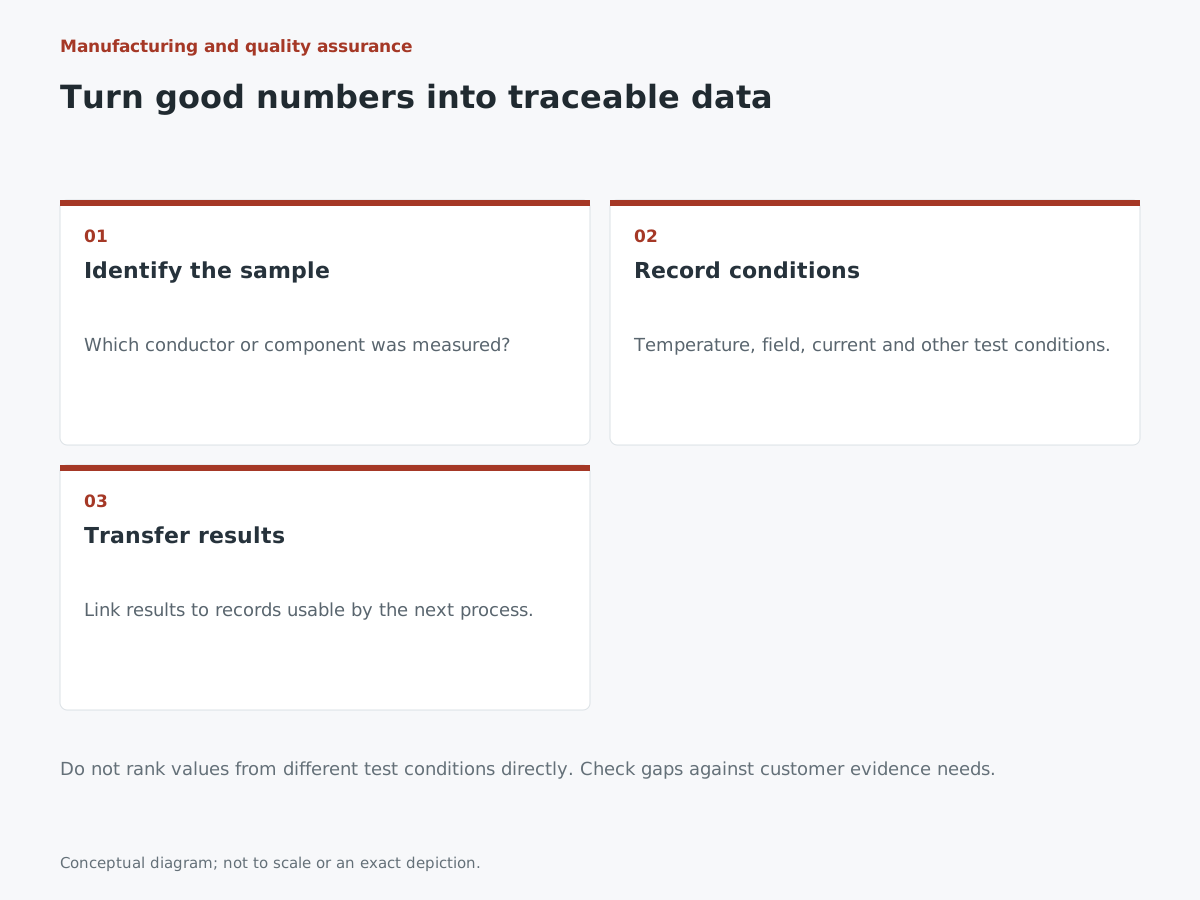
Conductor suppliers, winding companies and cooling-equipment suppliers deliver different finished products. Yet they share the challenge of making upstream inspection results usable downstream. Decision-ready data contain not only good numbers but traceability to which sample was measured and under which conditions. Before forecasting future prices or production volumes, identify the gap between the evidence customers need and the evidence your company can supply.
Companies need lifetime and reproducibility
Our editorial focus goes beyond record magnetic fields to whether the same performance can be manufactured repeatedly. Test conditions, cooling time, protection functions and ease of repair influence usability as equipment. Miniaturization may eliminate some items, but structural materials, shielding and maintenance space do not necessarily shrink proportionally.
Lifetime and total cost in commercial operation cannot be established by individual magnet tests alone. Next, read the SPARC project guide and check which whole-machine objectives the magnet demonstration supports.
Official information from related companies and research institutions
Check each organization’s announcements for development progress and technical documentation.
- ITER: Magnets
- MIT: Validation tests of high-temperature-superconducting magnets (4 March 2024)
- ITER Engineering Basis Handbook: Role and Distinctive Features
Information checked as of:2026-10-07
High-field test achievements differ from the conditions for reactor lifetime, reproducible manufacture and maintenance. Miniaturization alone does not determine commercial-reactor economics.