NIF's tiny cone cuts fabrication from ten days to one
LLNL used two-photon polymerization to make a component for NIF targets. The case links shorter fabrication with a new assembly geometry—and the testing still needed before a part reaches an experiment.
Read the Japanese original
A cone about 1.5 millimetres in size, made for experiments at the US National Ignition Facility, once took ten days to fabricate. A new process reduced that to one day, Lawrence Livermore National Laboratory reported on November 5. The change also opened up a different way to assemble the part: preserve the geometry that matters to the experiment while redesigning the outside.
Ten days to one applies to one component
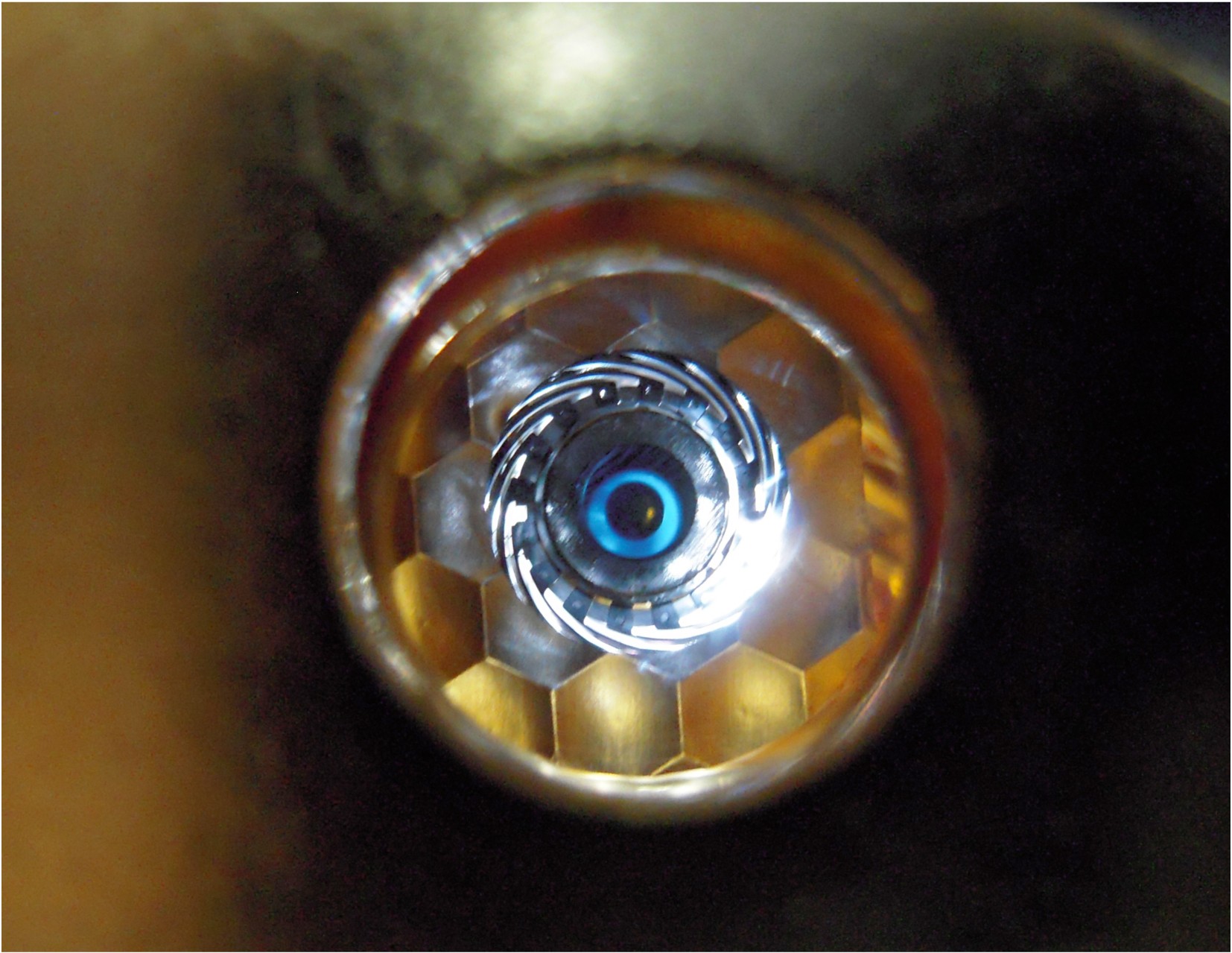
The component is a compound parabolic concentrator, or CPC, incorporated into a NIF target. It is not the capsule containing fusion fuel. The previous route involved machining a copper mandrel, coating it with gold and plastic, further machining, removing the mandrel and mounting the cone on a support.
LLNL made the component as a single assembly using two-photon polymerization, a fine-scale light-based printing technique. It no longer required a gold coating. The reported time saving applies to CPC fabrication, not delivery of a complete target or the interval between NIF experiments. The announcement does not give a cost reduction percentage or a production unit price. LLNL's report
Keep the inside, change how the outside fits
In another experiment, the team retained the CPC's internal shape relative to a comparison shot but changed its outer profile. Guide rails in a gold cone allowed the CPC to slide accurately into position and be secured with glue.
The inside serves the experiment; the outside also has to serve assembly. If the inside can remain unchanged while the outside is redesigned, the installation steps can change too. LLNL also reported using the printing process for another geometry that would have been difficult to make conventionally. The first experiment took place in September 2026; data analysis was still under way when the report appeared. Its performance conclusions remain to be established.
A printed part is not yet cleared for an experiment
An earlier test used a gold-disc target for calibrating diagnostics. LLNL reported that the printed CPC performed as well as conventionally made components in an April 2026 experiment. That result does not establish ignition performance for a fuel capsule or mass production for a power plant.
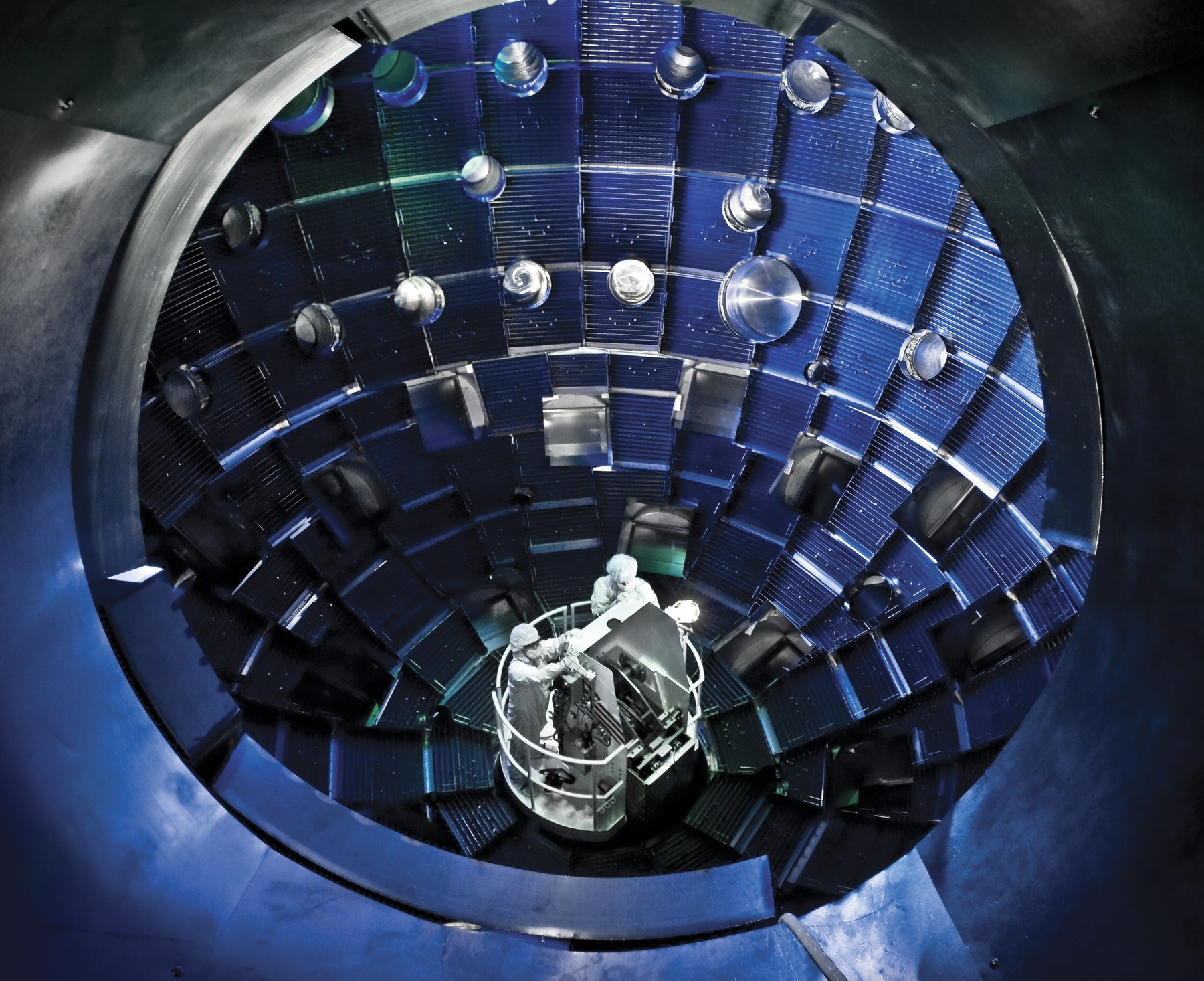
Even a small part must be assessed for its effects on the surrounding system. Reflected laser light can damage optics, so surface and geometry checks matter. The NIF User Guide describes inspecting, assembling and testing components from external vendors and internal facilities in a clean assembly area before producing shot-ready targets. NIF fabrication and assembly guide
The work between the factory and the experiment
FI sees more here than a tenfold reduction in fabrication time. The team maintained the functional geometry while simplifying assembly. The significance extends beyond printing a wider range of shapes: it changed the task of inserting the part into a gold cone.
A supplier could start by distinguishing dimensions that may change from those that must remain fixed. Agreeing who will measure acceptance and which experiment will evaluate the part would also make a proposal more concrete. These are FI's practical inferences, not published LLNL procurement requirements.
A part made in one day does not deliver experimental results in one day. But a shorter wait for the next design can still matter to development. A machining proposal can become a discussion about when the next experiment can be prepared. Our earlier target-manufacturing explainer addresses the separate challenge of scaling complete targets.
Information checked as of:2026-11-19
LLNL一次資料2本を2026年11月19日に照合。10日から1日はCPC部品の製作工程の報告で、標的一式の納期・費用・発電性能を示さない。4月の校正用標的実績と9月の新実験(発表時解析中)を区別。企業の提案方法と開発工程への含意はFIの考察。