W7-X feeds frozen hydrogen into its plasma
About 90 pellets over 43 seconds: W7-X shows why continuous fuel delivery must be coordinated with plasma heating.
Read the Japanese original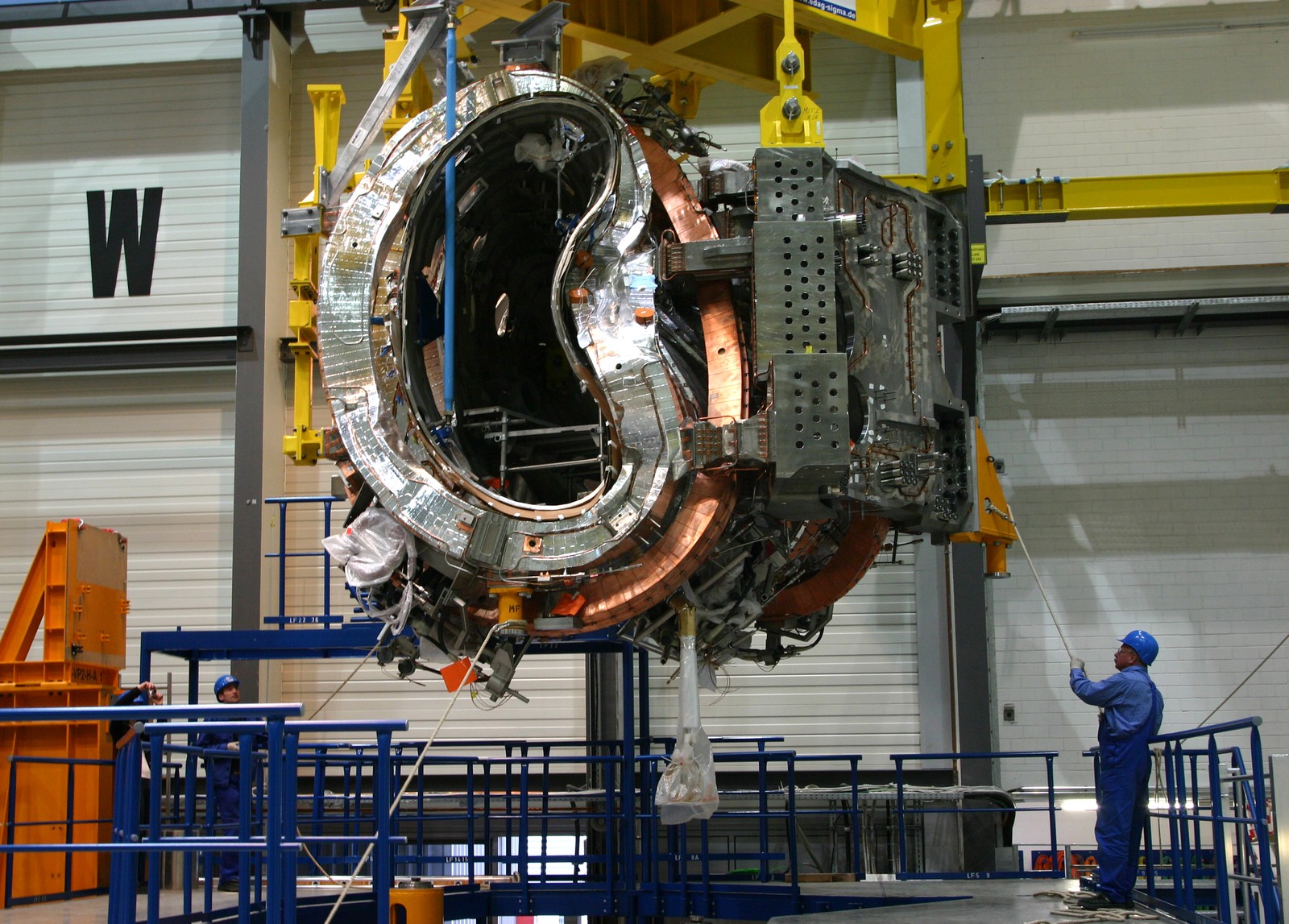
Frozen hydrogen is fired into plasma heated to tens of millions of degrees. In a 2025 Wendelstein 7-X (W7-X) experiment, about 90 pellets arrived over 43 seconds. Cold material seems an odd addition to something being heated. But sustaining a plasma also means maintaining its particle inventory and distribution.
Fuel does not simply stay in the vessel
W7-X is a stellarator: external coils create its confining magnetic field. Particles still escape and are pumped away with impurities. Longer operation requires replenishment. IPP refuelling guide
Gas puffing and neutral beams are other methods. Pellet injection freezes hydrogen into millimetre-scale pieces and accelerates them into the plasma. They evaporate and the atoms become ionised, joining the plasma. They do not remain solid and burn. Where particles are deposited can change the density profile.
Making ice while cutting the next pellet
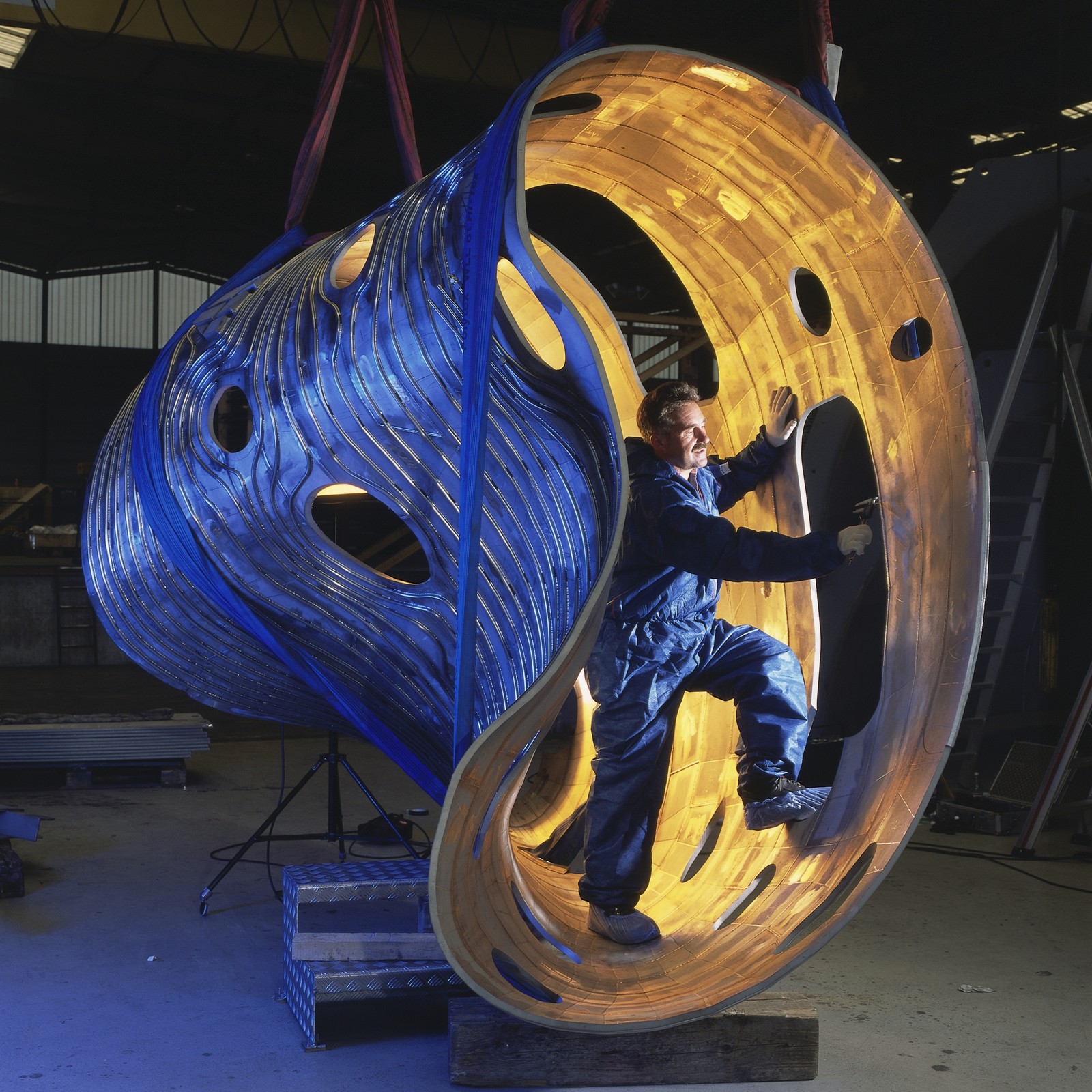
The new ORNL system developed for W7-X cuts pellets from a continuous length of hydrogen ice. IPP introduced the continuous injector when operations resumed in 2024. Its task is to keep supplying the next pellet during an experiment. 2024 equipment account
ORNL's 2025 account describes solid hydrogen formed at about 12 kelvin, only twelve degrees above absolute zero, to supply the hot plasma and sustain core particle density. ORNL account
Refrigeration alone does not complete this job. Ice production, cutting and launch must work together for each pellet to become a useful delivery.
The 43-second supply was not evenly timed
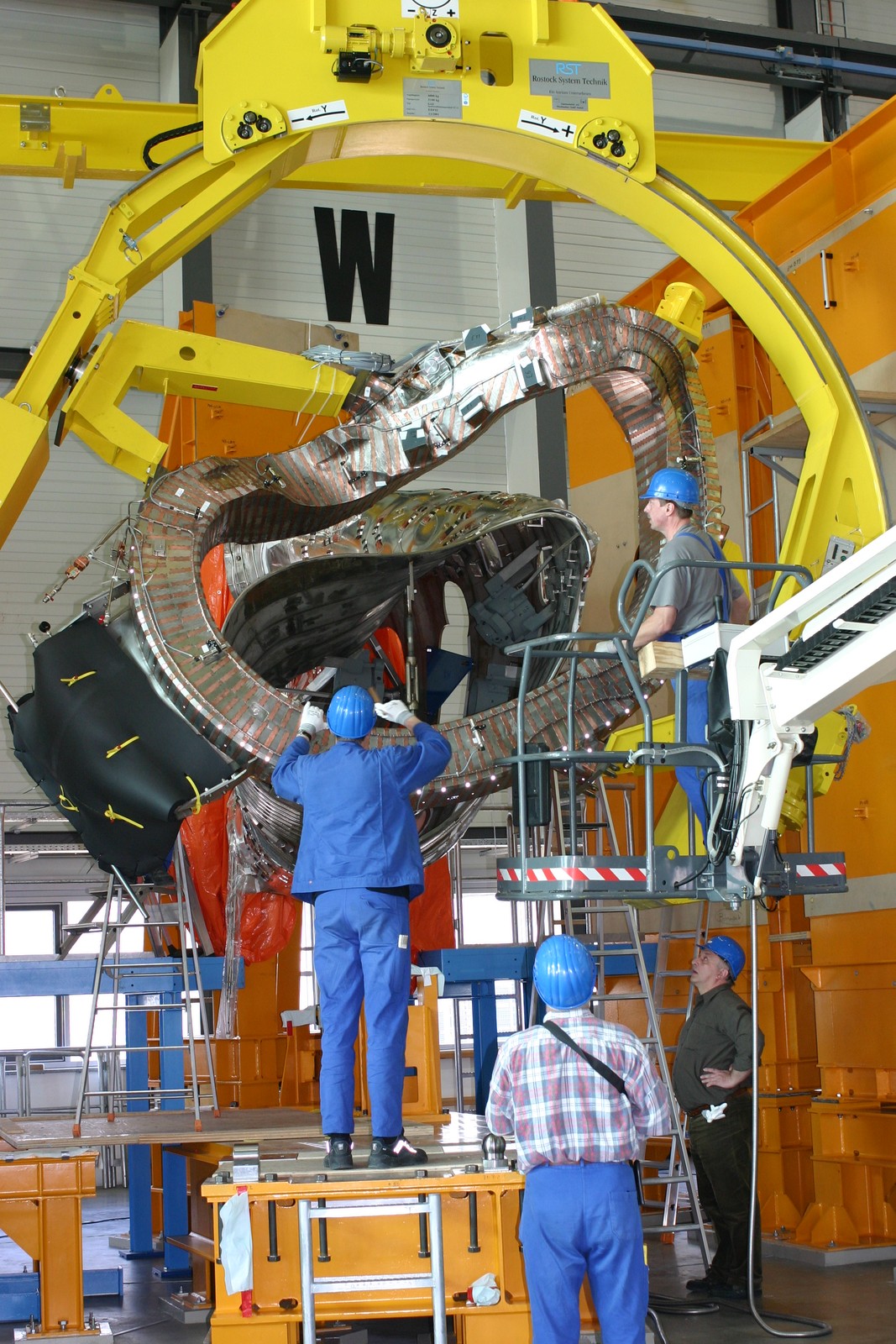
IPP reports about 90 pellets over 43 seconds on 22 May 2025, alongside microwave heating. A key feature was varying the pre-programmed injection rate to coordinate fuelling with heating. 2025 experiment report
Dividing 90 by 43 gives roughly 2.1 pellets per second on average. This is FI's calculation, not a claim of uniform timing. Equal average delivery can conceal different injection sequences. An injector specification therefore needs more than a pellet count: it matters whether timing can be varied.
Adjusting the supply for longer operation
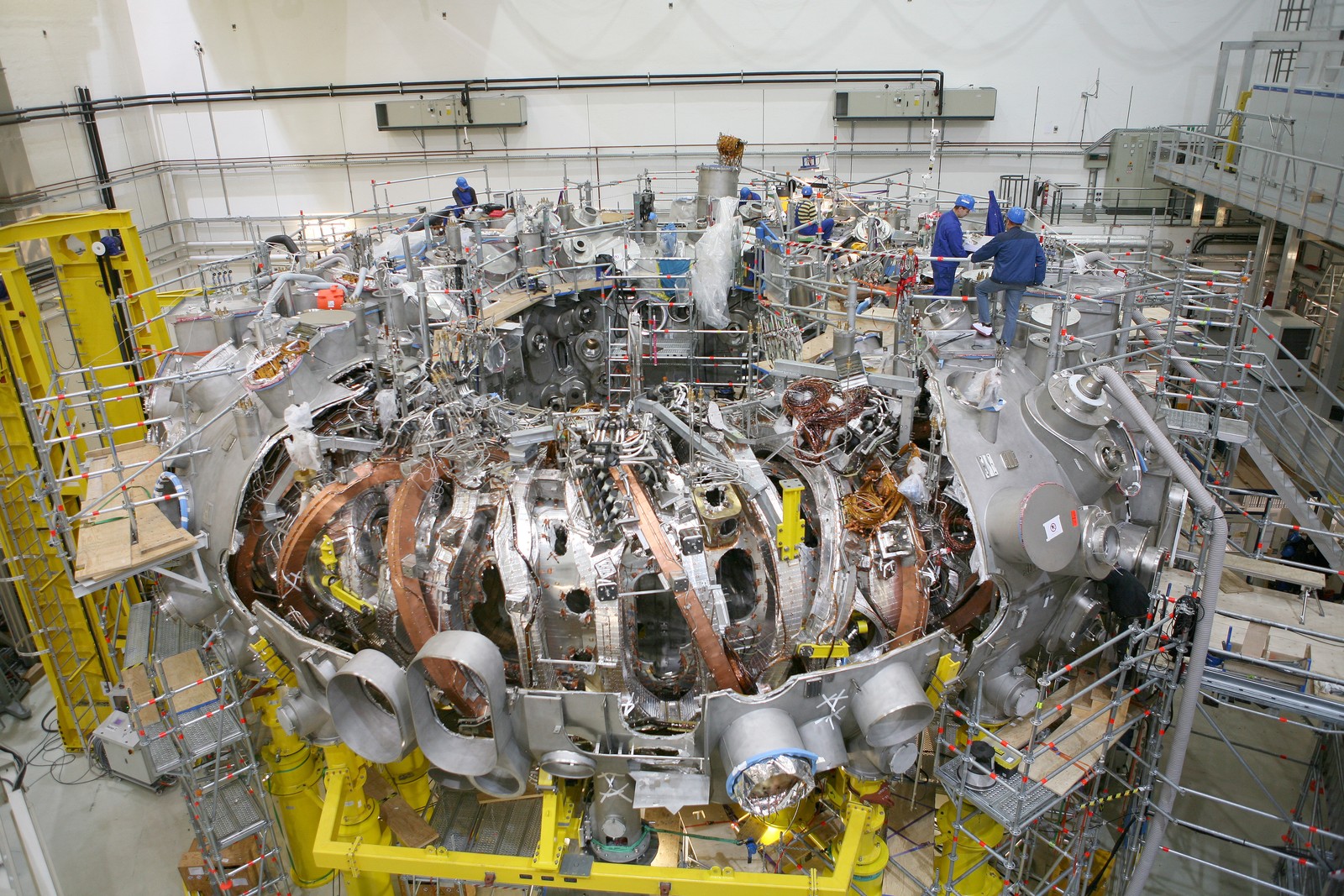
This experiment addressed hydrogen-plasma performance and sustainment. It did not establish commercial deuterium–tritium fuel circulation or electricity generation.
The industrial question is concrete. Producing a high temperature once and replenishing the particles needed to sustain it require different equipment. FI reads the W7-X example as a shift from delivering fuel to delivering it continuously in coordination with heating. That makes the combined verification of cryogenic hardware, mechanical operation and programmed timing important.
Sources
- IPP: Refuelling
- IPP: W7-X campaign and continuous injector, 2024
- IPP: 2025 results, updated 30 June 2025
- ORNL: Continuous pellet injector, 28 August 2025
Information checked as of:2026-11-22
技術解説。2024年装置紹介と2025年5月22日実験、2025年6月発表・更新、8月ORNL発表を区別。2026年の新成果とはしない。90/43≒2.1はFIの計算で一定入射頻度を意味しない。産業上の統合検証はFIの考察。