Voyager makes electricity without relying on sunlight
Voyager's RTGs convert decay heat into electricity. An 88-year half-life and a 0.5-watt operational choice reveal the limits of a long-lived power supply.
Read the Japanese original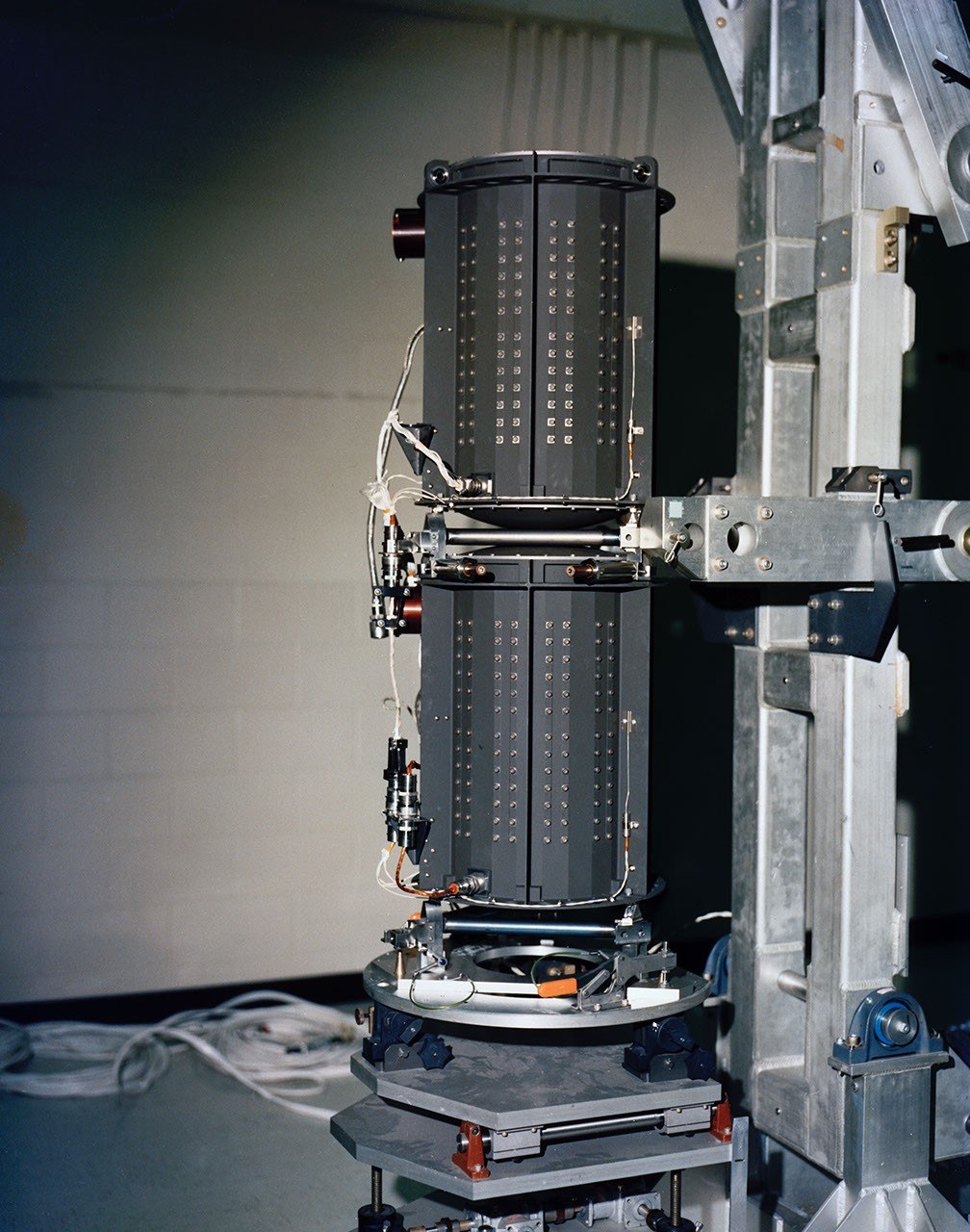
Voyager has neither a turbine nor solar panels in its power supply. Launched in 1977, the probes have converted heat from radioactive material into electricity for decades. Their output gradually falls, however. Travelling farther and continuing to make measurements are different challenges. Which equipment deserves the electricity that remains?
Turning atomic change into electricity
Voyager 1 and 2 each carry three radioisotope thermoelectric generators, or RTGs. They convert heat from the decay of plutonium-238 into electricity through components called thermocouples. Instead of controlling a fission chain reaction as a reactor does, they use the heat released as the fuel naturally decays. Spacecraft configuration
Thermocouples turn a temperature difference between hot and cold junctions into voltage. There is no steam-driven generator stage: an RTG has no moving parts for generating electricity. This leaves a way to supply equipment where sunlight is weak. NASA's power-system explanation
Fuel lifetime is not equipment lifetime
Plutonium-238 has a half-life of about 88 years. That is not a deadline at which the source suddenly stops. It describes the time taken for the number of radioactive nuclei to halve; heat production changes gradually. Fuel properties
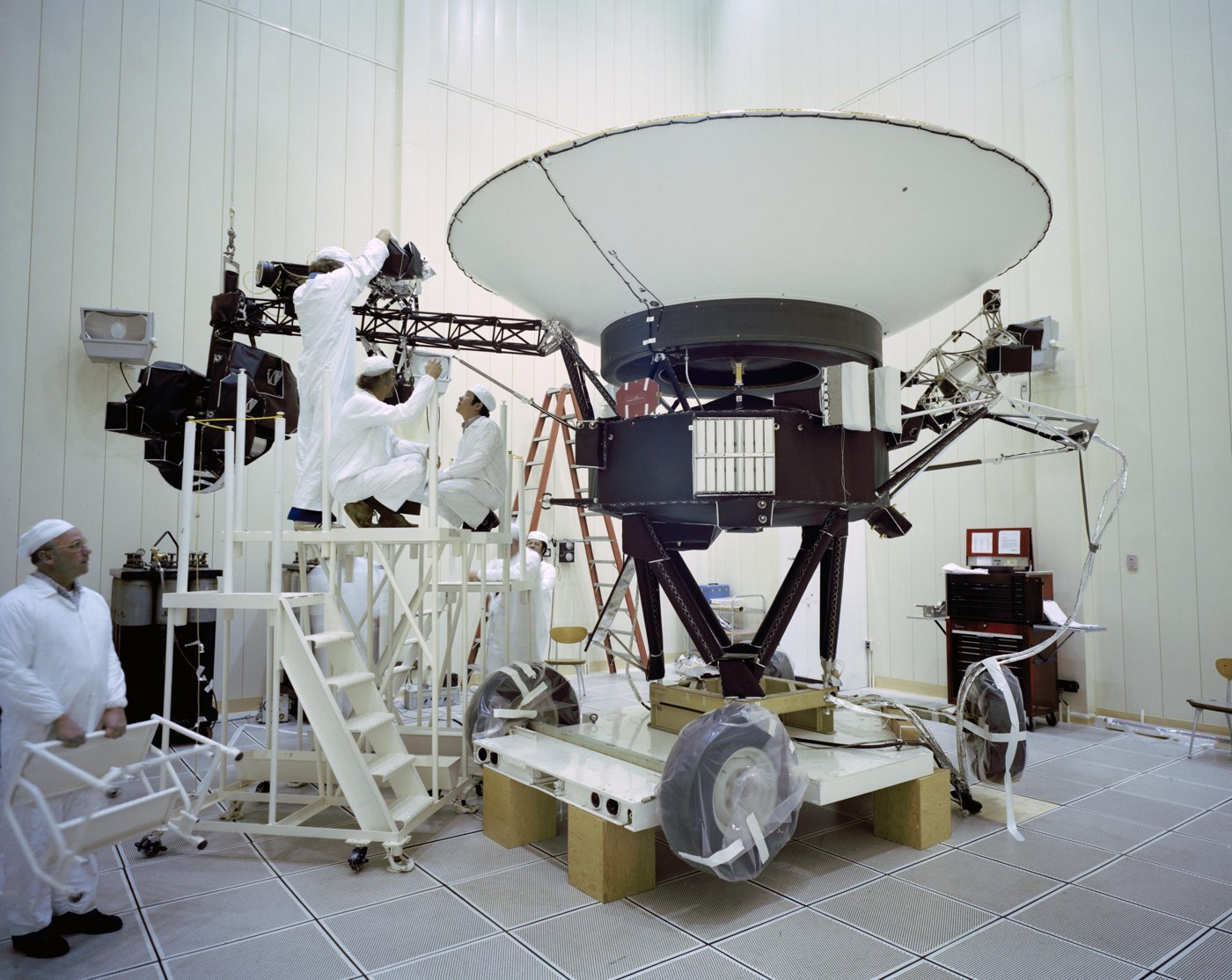
It does not promise the same electrical output for 88 years. In its March 2025 operational account, NASA said each spacecraft's available power was declining by about 4 watts a year. That figure describes the spacecraft's overall supply, not the loss from each individual RTG or a value calculated from half-life alone. Power management in 2025
Even shutdowns have an order
Declining power prevents every instrument from running indefinitely. On April 17, 2026, NASA announced commands to shut down Voyager 1's Low-energy Charged Particles experiment, or LECP. Science and engineering teams had agreed the shutdown order beforehand.
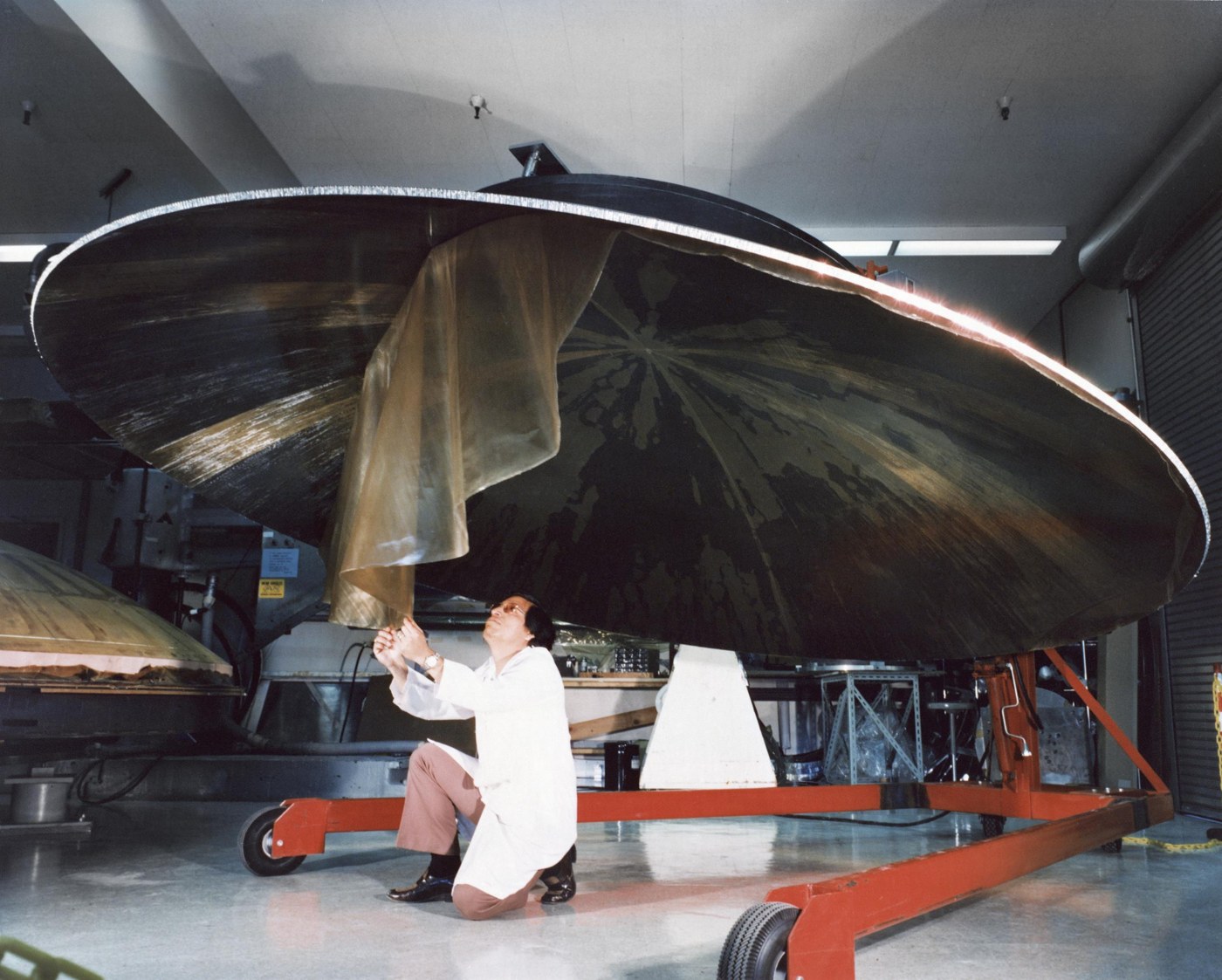
The striking detail is that they did not switch off every part. They kept a small motor that turns the sensor running on 0.5 watts, preserving the possibility of using the instrument again if extra power could be found. This records the April decision, not a subsequent restart. NASA's April 17 announcement
What should survive?
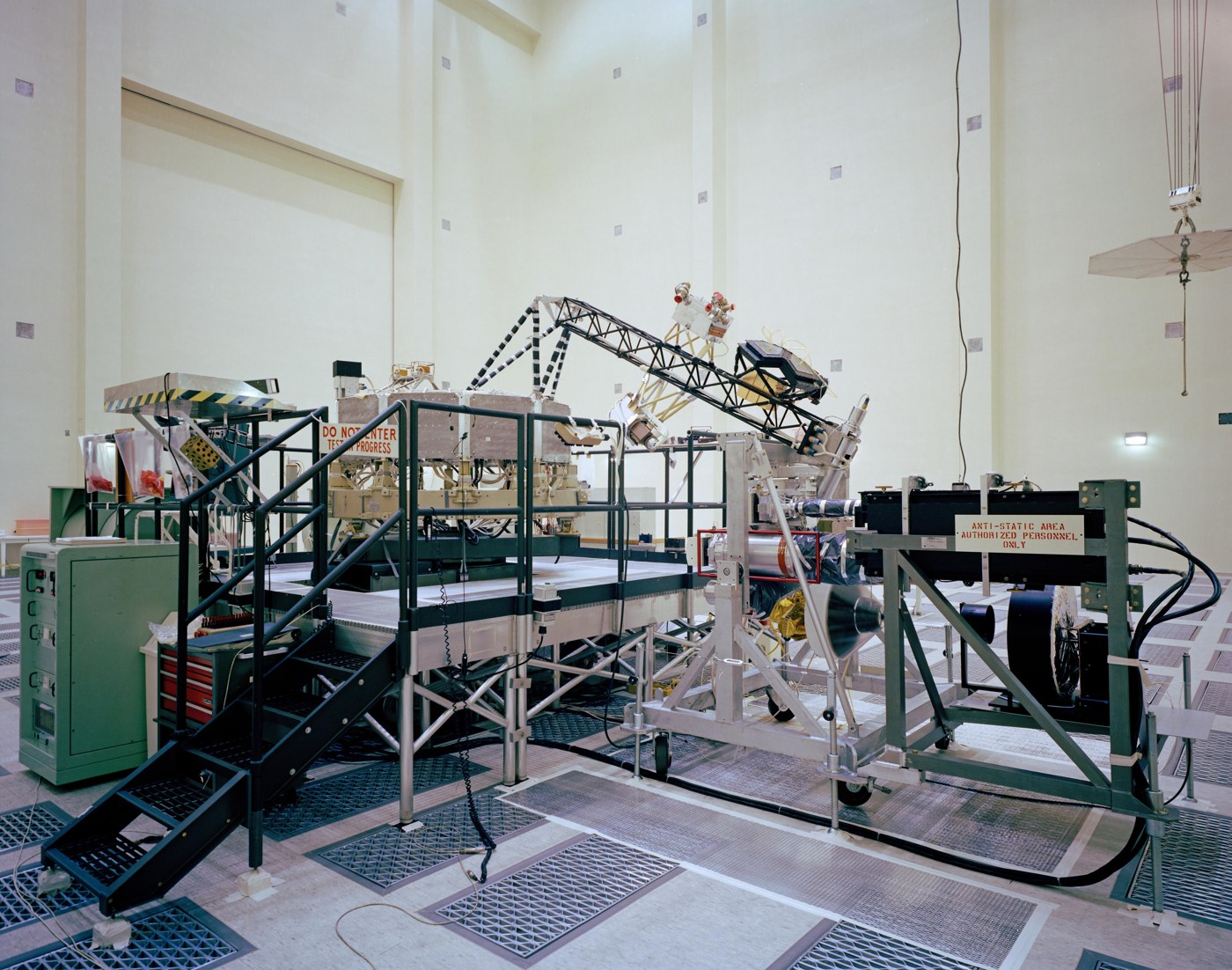
An RTG operates on a very different scale from a large power station. Yet keeping equipment useful over a long life raises a familiar industrial question. The available supply, heating needs and scientific value of measurements must fit within one operating plan.
FI's reading of the 0.5-watt choice is that a load can preserve a future option. Saving electricity involves deciding which functions could support the next task. Even a power source independent of sunlight cannot provide unlimited electricity in deep space.
- NASA|Voyager spacecraft and instruments
- NASA|Power Generators
- NASA|About Plutonium-238
- NASA|Voyager power conservation(2025年3月5日)
- NASA|Voyager 1 LECP shutdown(2026年4月17日)
Information checked as of:2026-11-22
Science feature based on NASA primary sources. The 2025 annual power decline and April 2026 LECP decision are dated records; no present instrument count or restart is inferred. The final industrial interpretation is FI's.