LIPAc assembly also involved remanufacturing components
RI's LIPAc retrospective reveals the scope between supplying components, integrating them cleanly and testing the connected system.
Read the Japanese original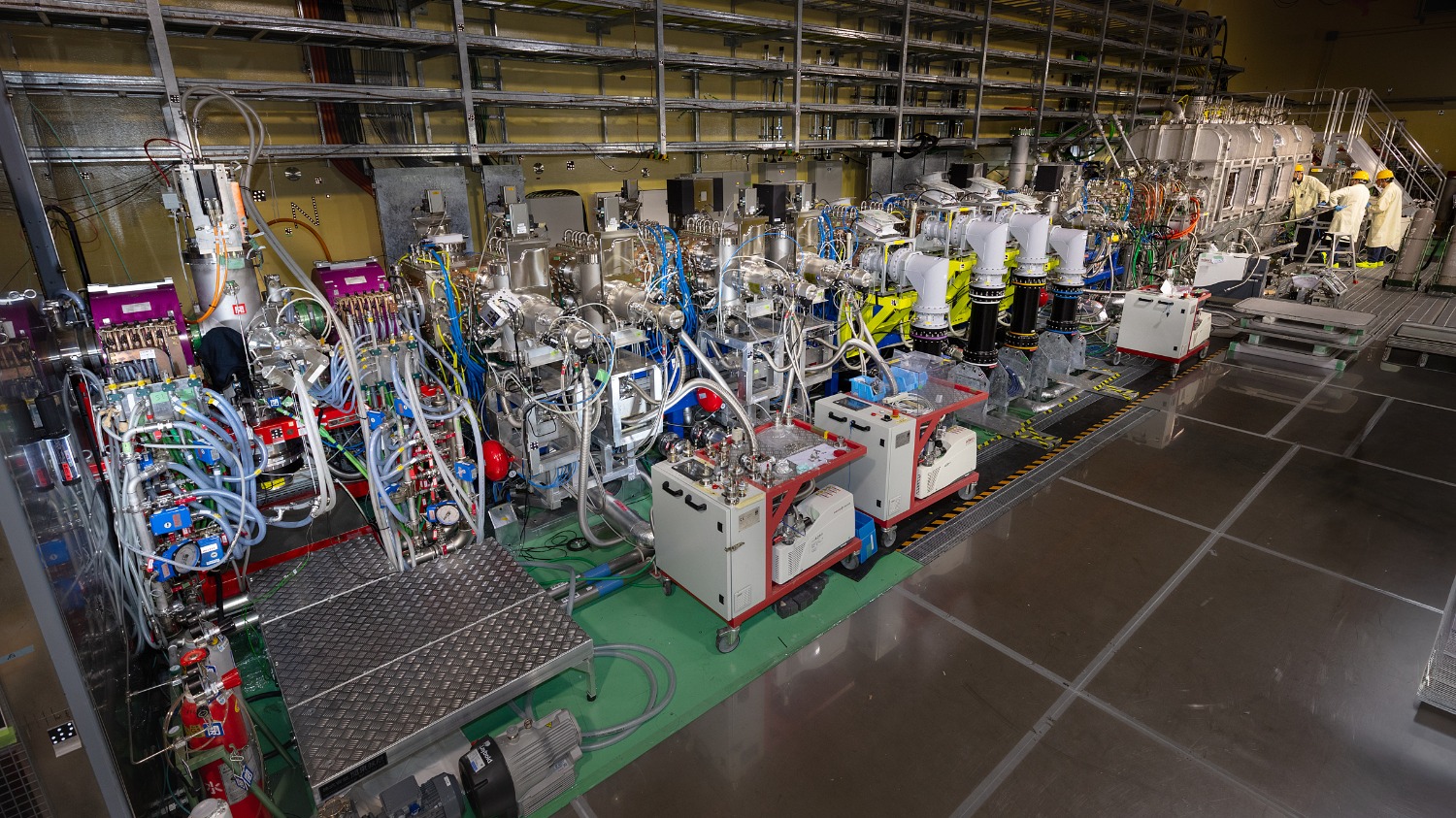
Does having every component mean assembly is finished? On 18 November, Germany's Research Instruments (RI) described extensive rework and remanufacturing during assembly of LIPAc's superconducting accelerator section in Rokkasho. A product specification reveals little of that work. How far does a supplier's responsibility extend in making a machine function?
Separate component supply from on-site assembly
LIPAc is a European–Japanese experiment validating accelerator technology for future fusion-materials neutron sources. RI says it took on the assembly task in 2017, began on-site work shortly before the pandemic and experienced a pause exceeding one year. It reports completing cryomodule assembly earlier in 2026. RI's retrospective
The account identifies rework and remanufacturing but does not disclose the affected components, causes or additional costs. It cannot establish another supplier's fault or the project's profitability.
F4E's 2024 account assigns component supply to CEA and CIEMAT and clean-room assembly to its contractor RI. Supplying the parts and integrating them on site were distinct roles. Assembly record
Tiny contamination can affect performance
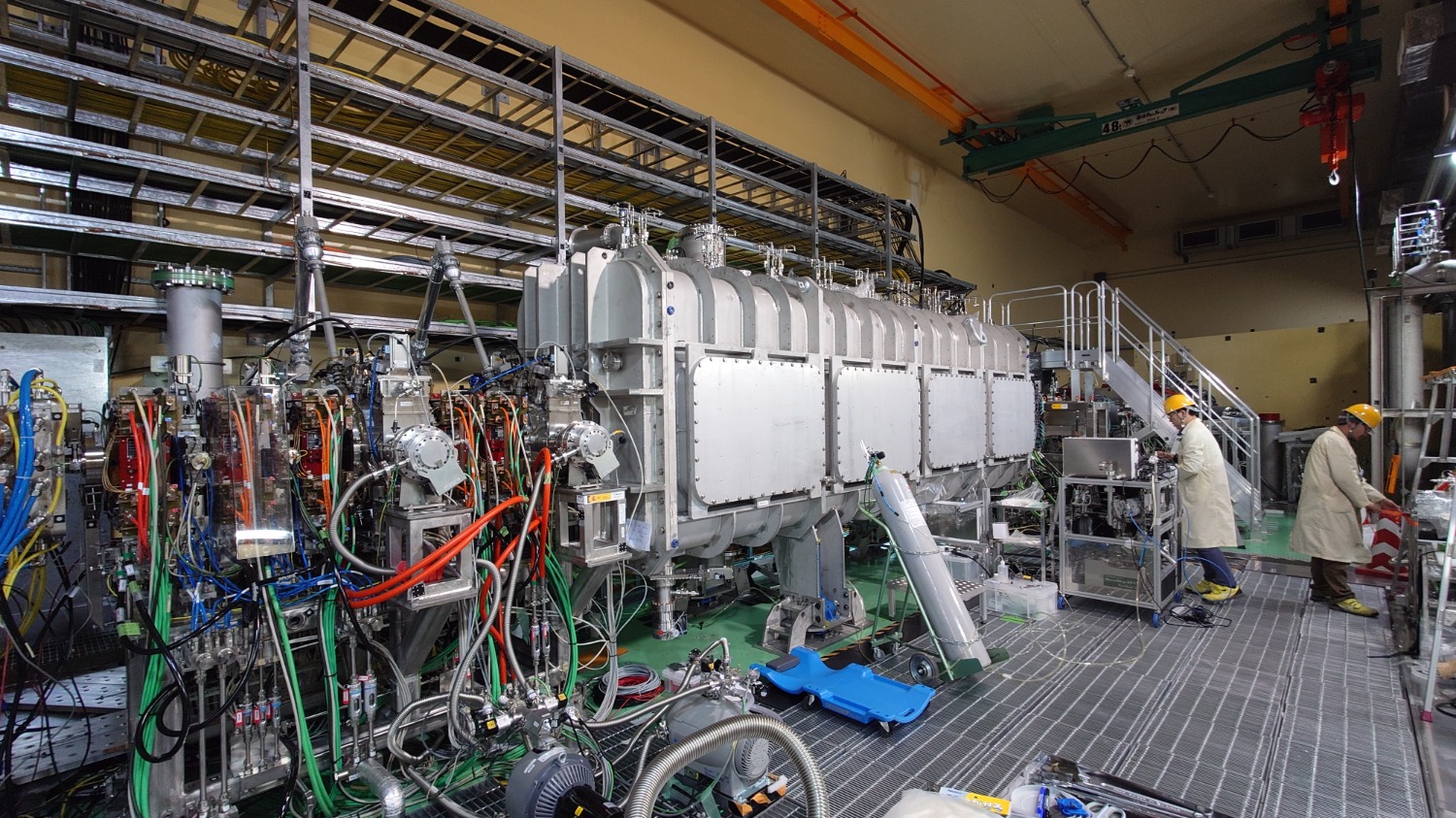
The superconducting radio-frequency section, or SRF linac, accelerates particles using electromagnetic fields in cavities. Its cavity string operates under ultra-high vacuum and at cryogenic temperatures. Small contaminants can impair performance, making cleanliness, procedures and integrated vacuum tests essential.
F4E's 2025 account describes a six-metre cryomodule maintaining the section's cold, clean environment. Matching external dimensions is only part of integration. Installation account
FI's interpretation is that assembly value cannot be measured by workforce size alone. Failure to meet vacuum or cleanliness requirements after connection can mean returning to earlier work. Inspection points and the condition handed to the next team matter when estimating the work.
Tests continue after assembly
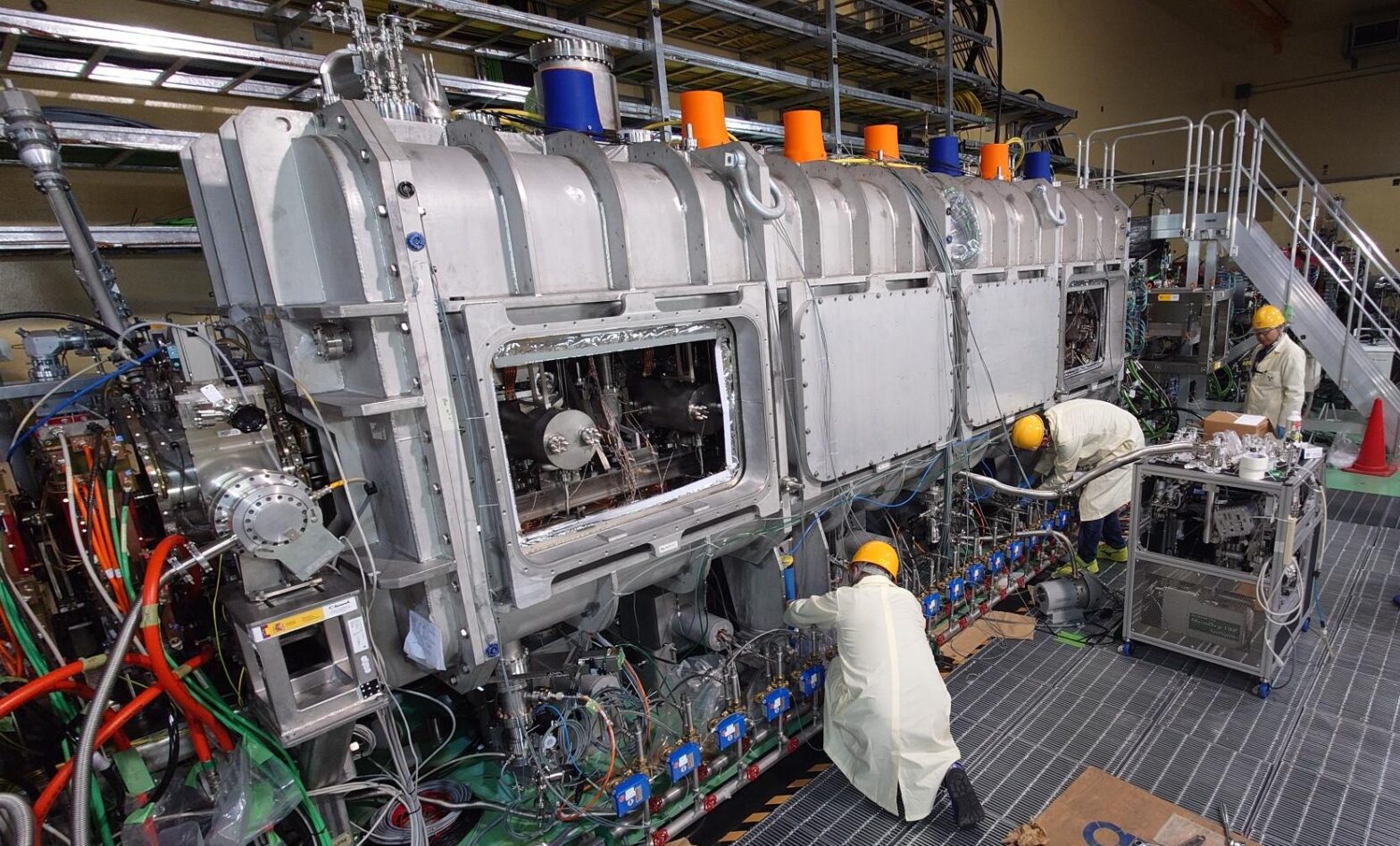
The 2024 clean-room assembly, 2025 installation and 2026 full accelerator configuration concern different scopes and stages of completion. April 2026 report
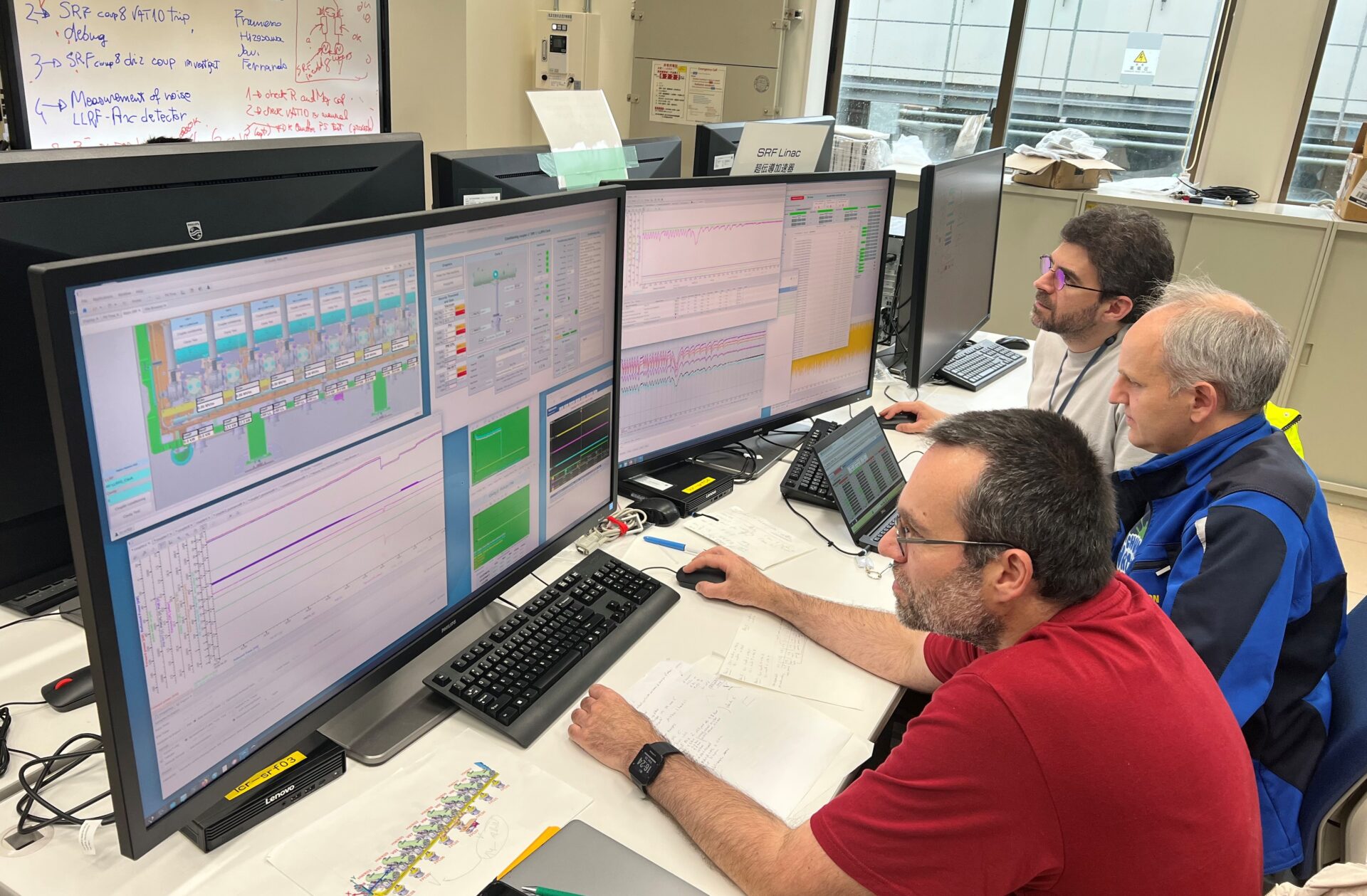
In September, F4E described room-temperature conditioning: progressively applying RF power while monitoring vacuum, temperature and electrical discharges. Initial tests succeeded; cooldown and beam operation remained subsequent stages in that account. September report
RI's November retrospective likewise reports an assembly achievement, not demonstration of the final continuous-beam objective.
Estimate the scope needed to reach completion
FI sees a business question between a set of components and an operational accelerator section. Who covers on-site integration, necessary rework and tests after connection? Component suppliers and integration contractors need different staffing and verification plans.
The public accounts do not quantify rework costs. They do show why unit prices alone cannot describe a fusion-equipment assignment. Compare both what is delivered and which on-site tests the supplier supports.
Sources
- Research Instruments:組立の振り返り(2026年11月18日)
- F4E:クリーンルーム組立(2024年11月5日)
- F4E:超伝導加速部の据付(2025年11月7日)
- F4E:全体構成の組立完了(2026年4月29日)
- F4E:常温コンディショニング(2026年9月10日)
Information checked as of:2026-11-22
RIの2026年11月18日発表は過去の組立の回顧。2017年業務開始、2024年クリーンルーム組立、2025年据付、2026年全構成・試験を区別。手直し箇所・原因・費用は非公表。特定企業の責任や採算を推測しない。工程・供給範囲の考察はFI。