USTC explains why broadband lasers can increase hot electron production
On 26 November, the University of Science and Technology of China announced experimental and numerical findings explaining why moderate-bandwidth laser pulses can enhance hot electron production in laser fusion research.
Read the Japanese originalAnnouncement date:2026-11-26
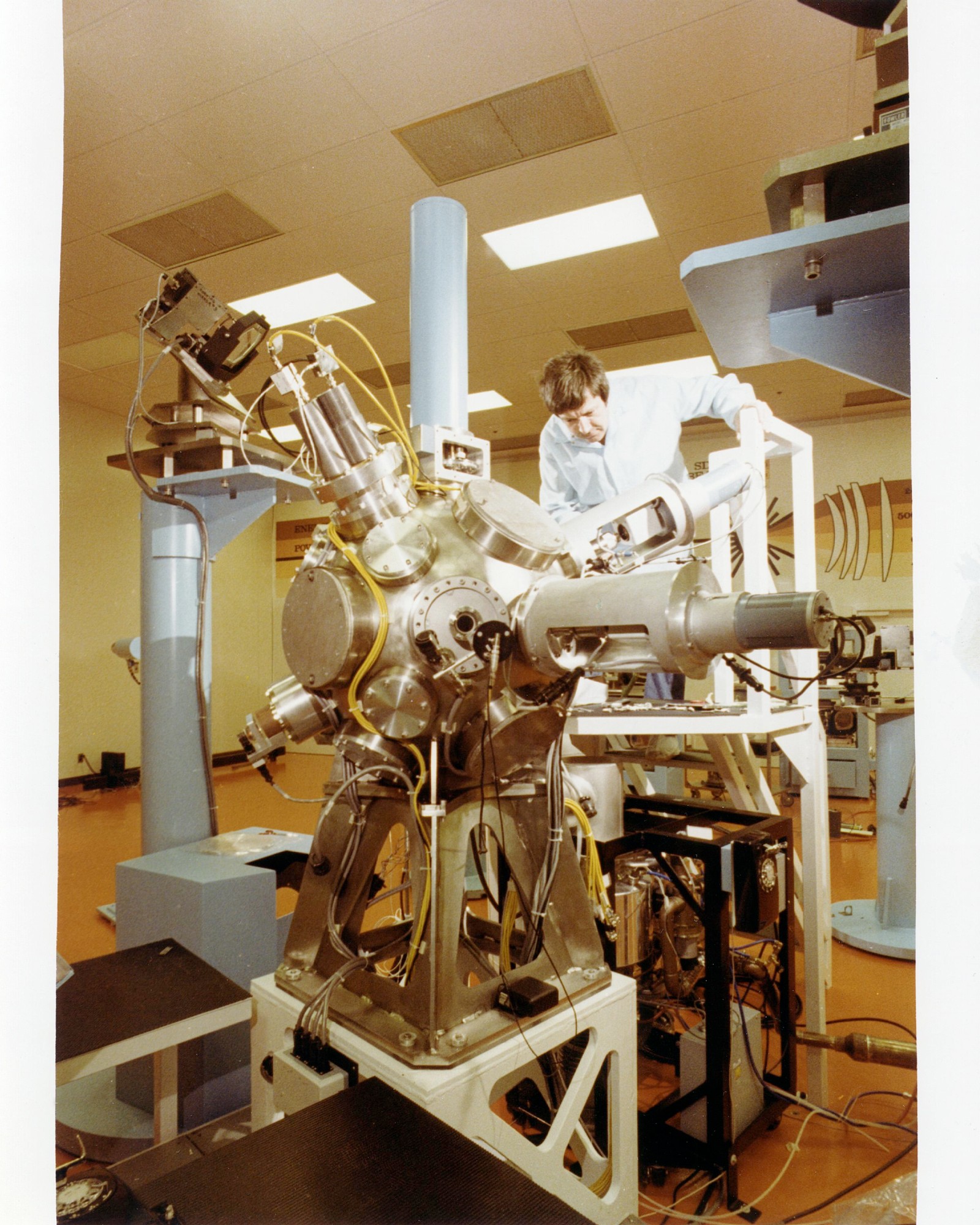
Broadening the spectrum of laser light has been pursued as a way to suppress plasma instabilities. Yet experiments at China's Kunwu laser facility observed increased hot electron production under certain conditions. On 26 November, the University of Science and Technology of China (USTC) announced that experiments and numerical simulations had identified the mechanism behind this phenomenon. The paper was published in Physical Review Letters on 25 November.
In laser inertial confinement fusion, hot electrons can preheat the fuel before compression, making high energy gain harder to achieve. Broadband lasers are being investigated as a way to suppress laser-plasma instabilities that generate these electrons.
In experiments relevant to direct-drive fusion at Kunwu, the researchers identified an instability called two-plasmon decay (TPD) as the principal source of hot electrons. They also found that moderate-bandwidth light can enhance TPD when the interaction remains above its threshold. Particle simulations showed that transient spikes in laser intensity promote hot electron production.
The findings suggest that temporal intensity fluctuations need to be considered alongside bandwidth. The research connects laser optics design with plasma experiments. Related: How NIF conditions the intensity pattern at its laser focus.
- USTC: Research on broadband lasers and hot electrons (26 November 2026)
- Physical Review Letters 137, 225102 (25 November 2026, public abstract)
Information checked as of:2026-11-28
Direct-drive-relevant experiments and simulations, reported by USTC and in the published abstract. Not a demonstration of ignition or electricity generation.