Supplying F4E means tracing the origins of a design
F4E distinguishes intellectual property brought into a contract from results generated during it. Its declaration guides connect existing technology, deliverables and plans for future use.
Read the Japanese original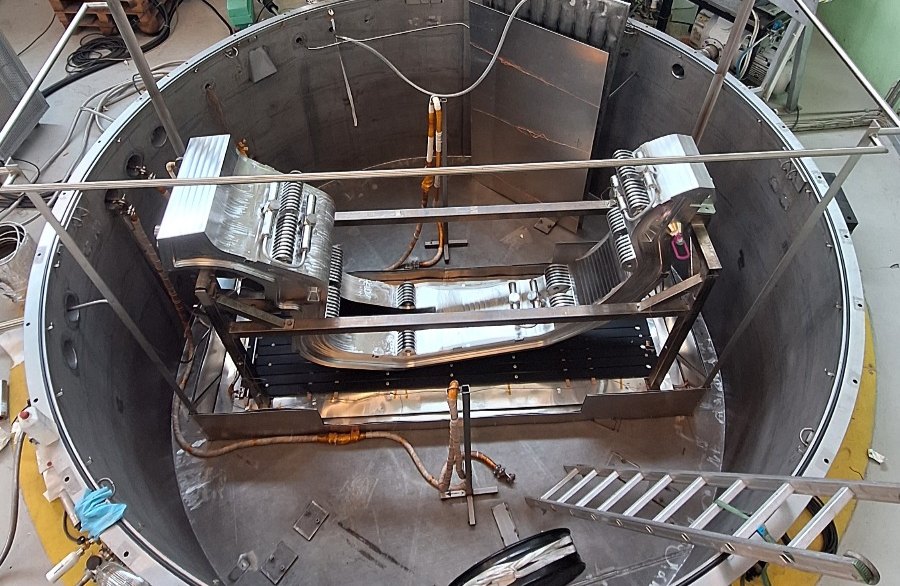
Fusion component suppliers must explain more than a drawing’s dimensions: they also need to identify where the technology came from. Fusion for Energy (F4E) asks for intellectual property declarations in its contracts. Designs a company already used and results created during an order need to be distinguished. An unclear boundary makes it harder to see what can be taken into the next job.
Identify the technology brought into a contract
F4E handles European equipment procurement for ITER, among other responsibilities. Its official IP guidance describes background as information and IP needed to perform a contract or use its deliverables, held by the contractor or developed outside the contract. Technology licensed from others can matter as well as a company’s own patents.
The background declaration guide calls for specific documents, patents or other identifiable material. A general claim to years of experience is insufficient. IP unnecessary for either the contract or use of its results falls outside this declaration’s scope.
Examples include designs and drawings, software and source code, databases and inventions. Suppliers identify what is used, who holds it, and its protection or confidentiality. The declaration accompanies the signed contract and provides a starting point for comparison with results generated later.
Link new results to the documents delivered
Information and IP generated by contractors or subcontractors while carrying out a contract are called foreground. Its declaration guide gives examples including designs, processes, methods, product configurations, source code and databases.
The record connects each result to deliverables, dependencies on background, and the company’s intentions for future use. The guide illustrates how several drawings and explanatory documents can together describe one component design.
One component can therefore carry design information across many documents. FI’s point is that maintaining these connections is part of supplying it. If another company later uses a result, the record must make existing technology and new work distinguishable.
Ownership and access need separate checks
F4E’s guidance presents different models for new IP: joint ownership, contractor ownership and F4E ownership. Winning a component order alone does not establish a single ownership arrangement.
The guidance also explains that F4E has access rights for ITER work even where contractor-owned results remain confidential. A company must check the other party’s permitted use even when it owns the technology. The terms of the particular contract determine the answer for an individual case.
Reaching another market takes planning
The foreground guide includes intended exploitation and possible applications, including outside fusion. The joint technology transfer platform of F4E and EUROfusion also aims to connect companies and research organisations to apply fusion technologies in other industries.
Listing a technology or describing a possible application does not itself provide permission for unrestricted use. The guide requires exploitation to follow contractual conditions.
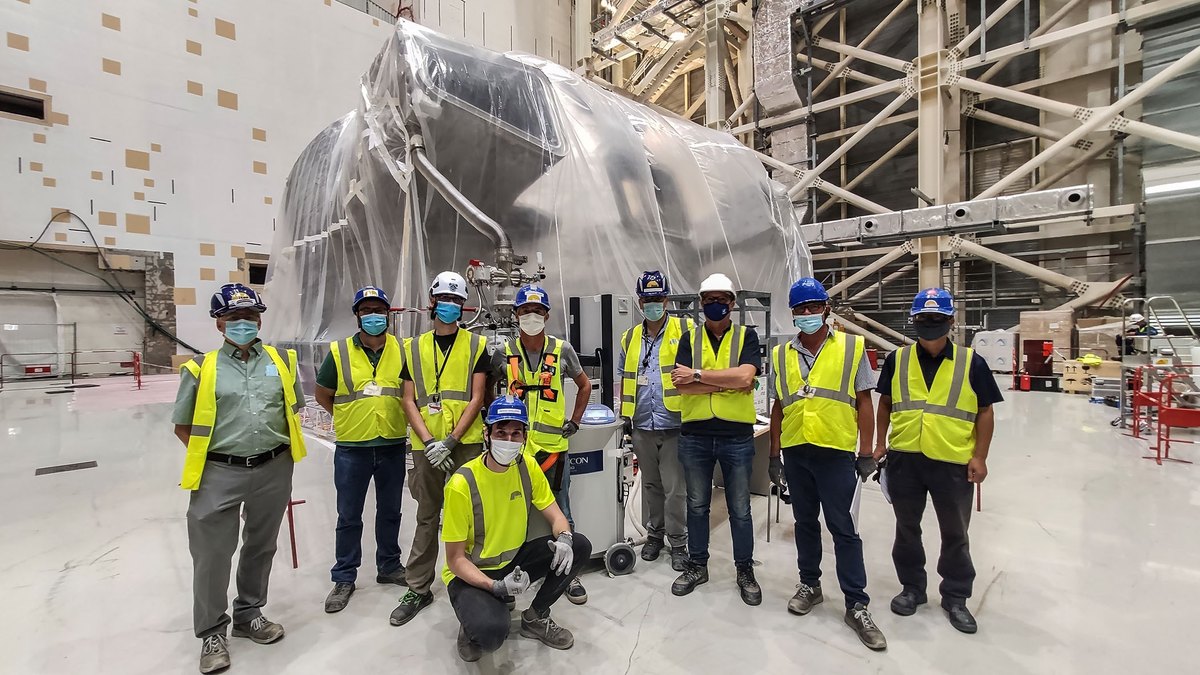
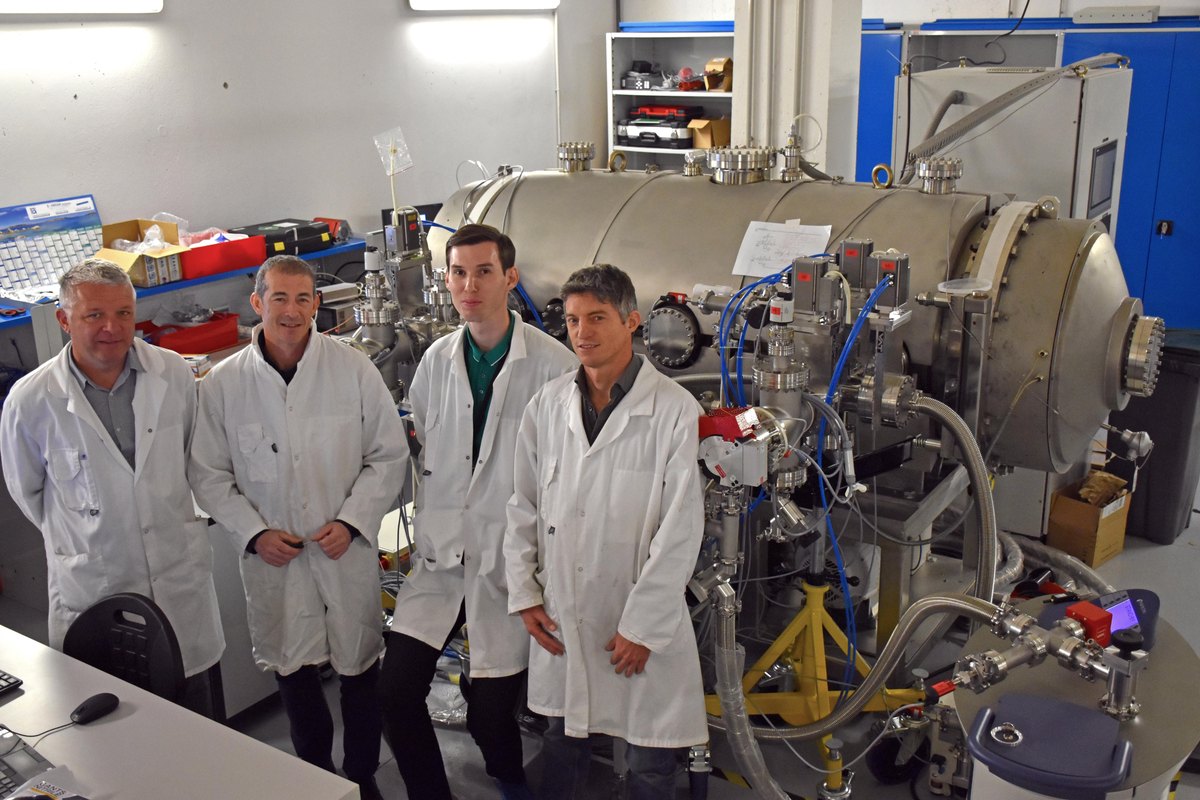
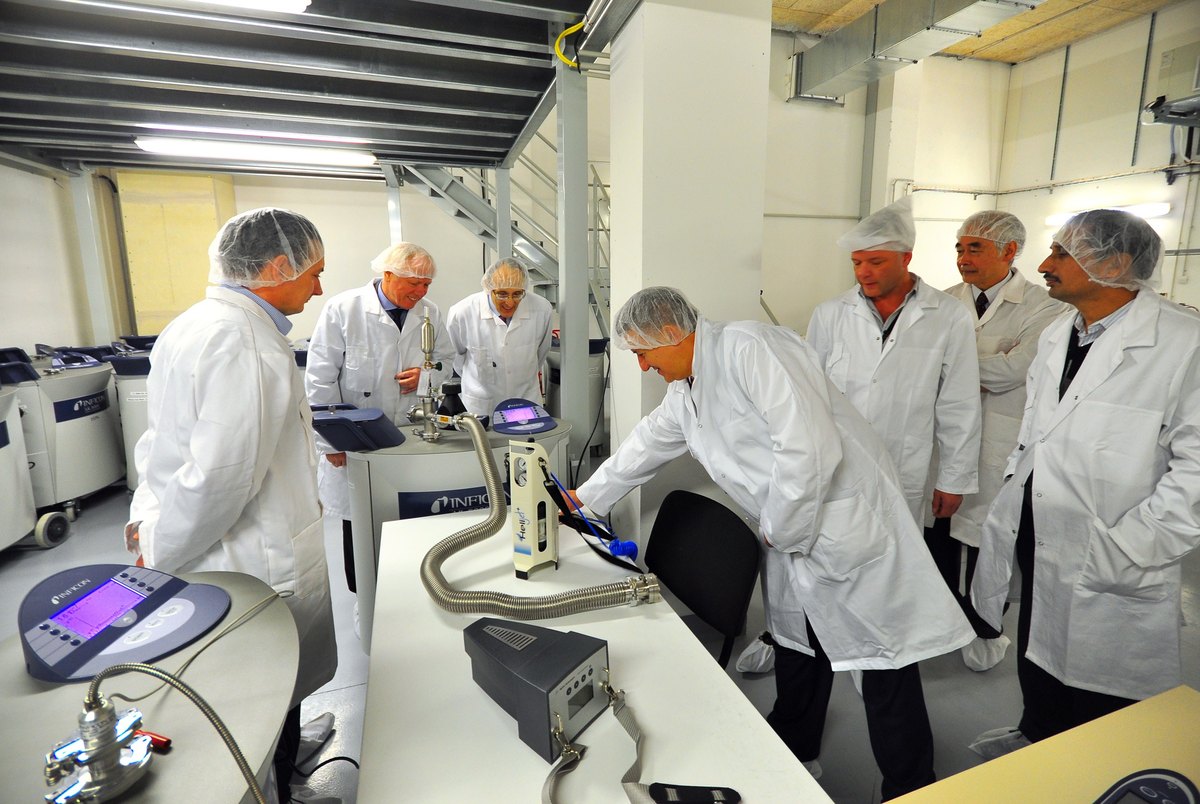
Turning a fusion order into another product takes records that distinguish the technology used from the results created, alongside machining capacity and test equipment. Though easily missed in an order’s value, those records help support the next product. The photographs show ITER components and testing as background context; they do not establish the pictured companies’ IP ownership or declarations.
- F4E Industry Portal: intellectual property
- F4E: background declaration guide
- F4E: foreground declaration guide
- F4E and EUROfusion: European Fusion Technology Marketplace
Information checked as of:2026-11-27
Industry analysis based on F4E’s public guidance and two declaration guides. Individual contracts, companies’ declarations and specific licences have not been verified. This is not an initial report of a technology transfer call; the business implications are FI’s analysis.