MRF testing plans begin before the funding application
MRF asks academics to consult it before submitting grants that include facility access. Its published support routes and the division of sample handling and user operation show how testing and funding plans fit together.
Read the Japanese original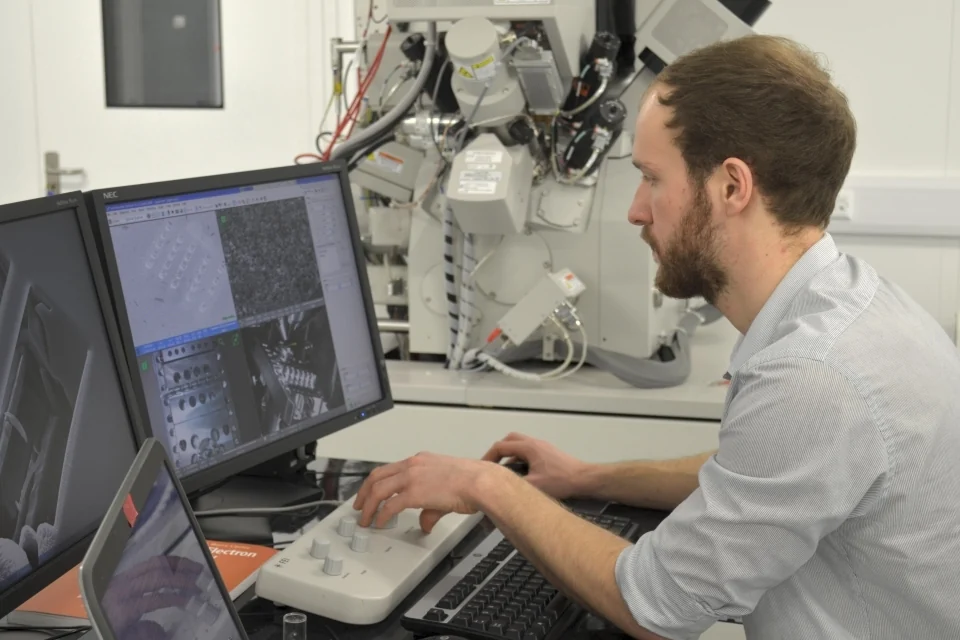
Apply for research funding, then arrange the tests. Sometimes that sequence causes problems. The UK Atomic Energy Authority's Materials Research Facility (MRF) asks academics to consult it before submitting grant applications that include MRF access costs. For fusion materials testing, the funding plan needs to address not only what to measure, but who will handle the samples and which facilities can be used when.
Choose the facilities before writing the application
MRF at Culham supports the preparation and examination of materials for fusion, fission and other research. Its official access guidance explicitly asks academic staff to contact the facility before submitting grant applications seeking funds to use it.
That is not a promise of an award. The first question is whether the proposed work fits the facility's capabilities and conditions. Naming an analytical instrument does not define the full job if sample preparation and handling remain undecided.
Researchers and businesses have different support routes
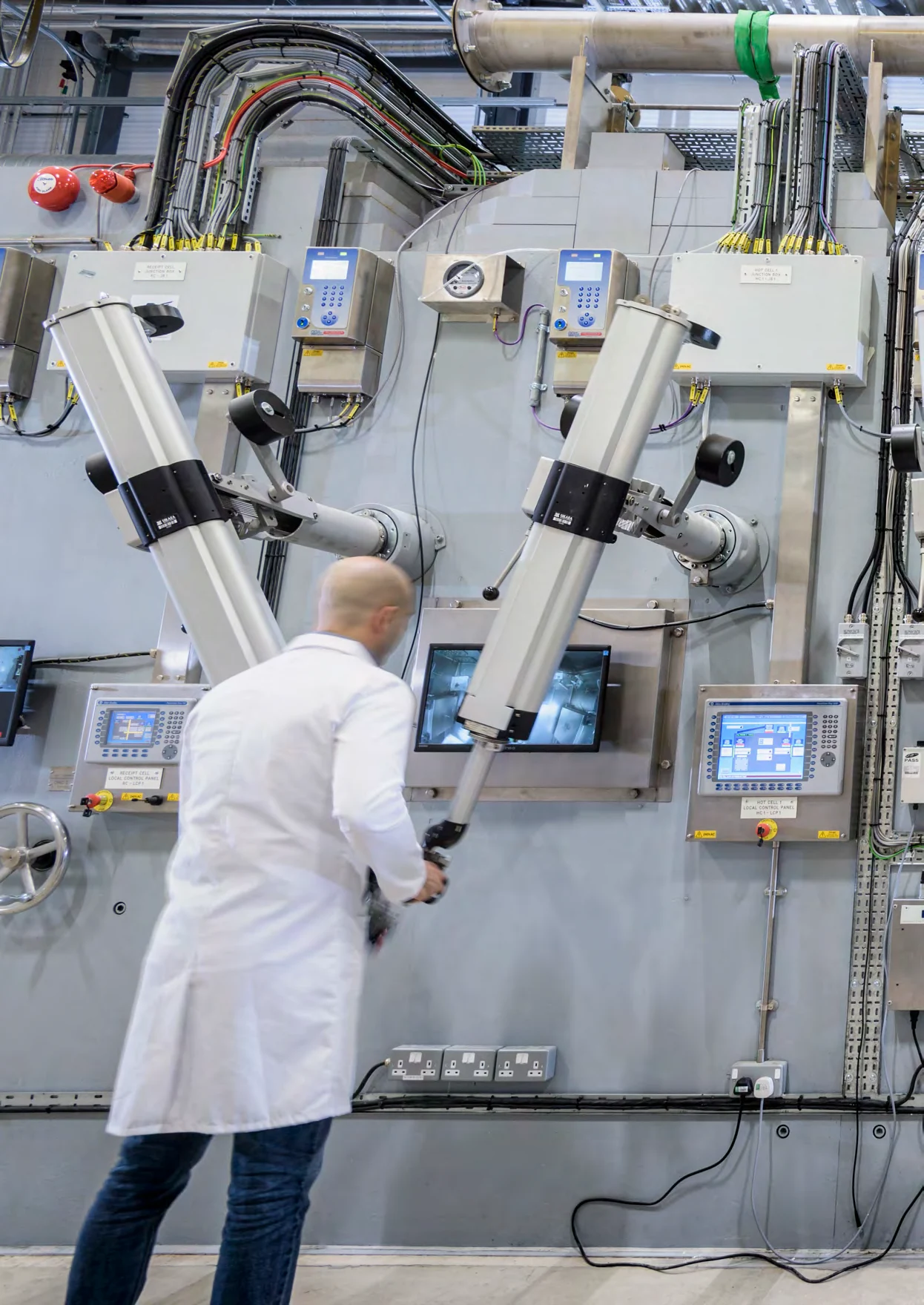
In its January 19, 2026 announcement, UKAEA described expanded access routes through its partnership with the Henry Royce Institute: Royce Access funding for academic researchers, and the Royce SME Access Scheme and ICP pathways for businesses. It also said MRF participates in Innovate UK-funded access for industry-led collaborations.
A researcher applying for funding and a business developing a joint project may therefore need different routes, even when using the same facility. These are the routes described in that announcement. Current open calls, eligibility for an individual company, awards and free access have not been verified here.
FI's interpretation is that facility access and funding are difficult to place on separate schedules. Developers need to agree the data required and the scope of testing with the facility before deciding how to structure applications and their own expenditure.
Separate sample handling from scientific evaluation
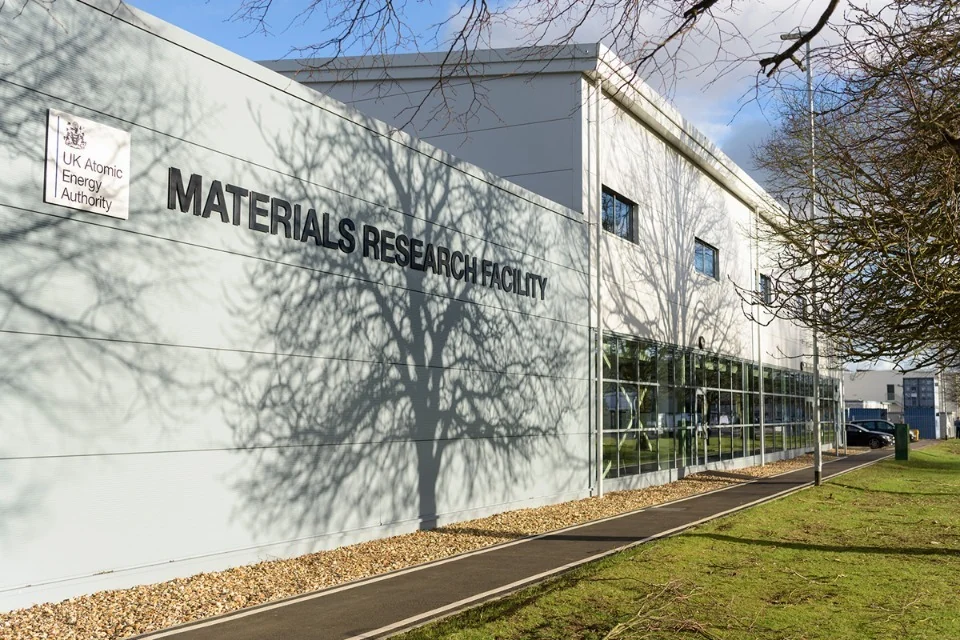
MRF's guidance assigns active sample preparation to the operational team in the controlled area. Once the sample is loaded into an instrument, the scientific team takes over. Users wishing to carry out scientific examination themselves need equipment-specific training and an assessment of whether they can operate independently. NNUF's facility description also describes remote operation after training, with in-house expert support.
Before requesting work, distinguish sending a sample and receiving results from participating in instrument operation. UKAEA also describes trials on non-active samples to establish methods, or comparisons with irradiated materials.
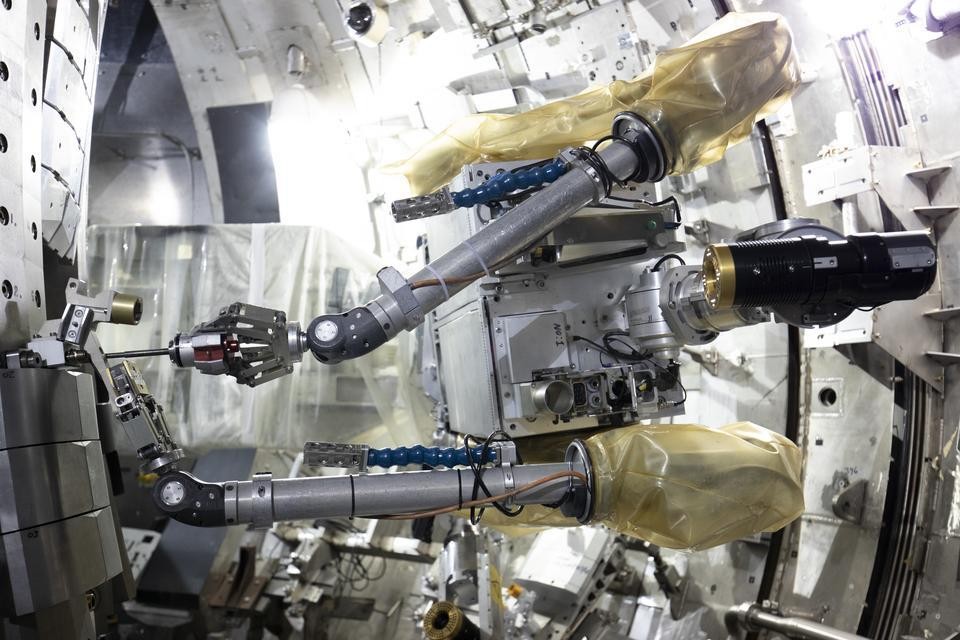
The JET MASCOT photograph here documents remote-handling training at a separate facility. It does not show MRF analytical equipment or MRF user training. It is included as a comparison illustrating that work involving remote operation requires preparation for training as well as equipment.
Include availability in the plan
An instrument's presence in a list does not mean a particular test can be booked for a requested date. The January announcement described preparations for hot cells to return to operation during 2026. This article has not confirmed completion or bookable dates. The photographs were published between 2016 and 2024 and do not establish current operating status.
MRF does not publish indicative prices either. It says costs depend on material type, radioactivity, waste, hot-cell work and instruments used. For a company entering fusion materials development, finding a testing partner extends beyond collecting equipment names. Define the division of measurement work and conditions of access, then build the budget and schedule. That discussion is part of development itself.
- UKAEA: MRF access consultation, training and project costs
- UKAEA, January 19, 2026: MRF access routes and capability expansion
- NNUF: MRF role and remote operation after training
- UKAEA, February 26, 2024: JET remote handling and training
Information checked as of:2026-11-28
Access routes are those described on January 19, 2026. Current calls, individual eligibility, awards, free access, completed hot-cell restart and bookable dates are unverified. No enquiries or applications were submitted.