W7-X's magnets took four weeks to cool
The first W7-X cooldown in 2015 brought about 450 tonnes of cold components down to temperature. Primary records explain the cooling-rate limits and adjustments to parallel helium flow paths.
Read the Japanese original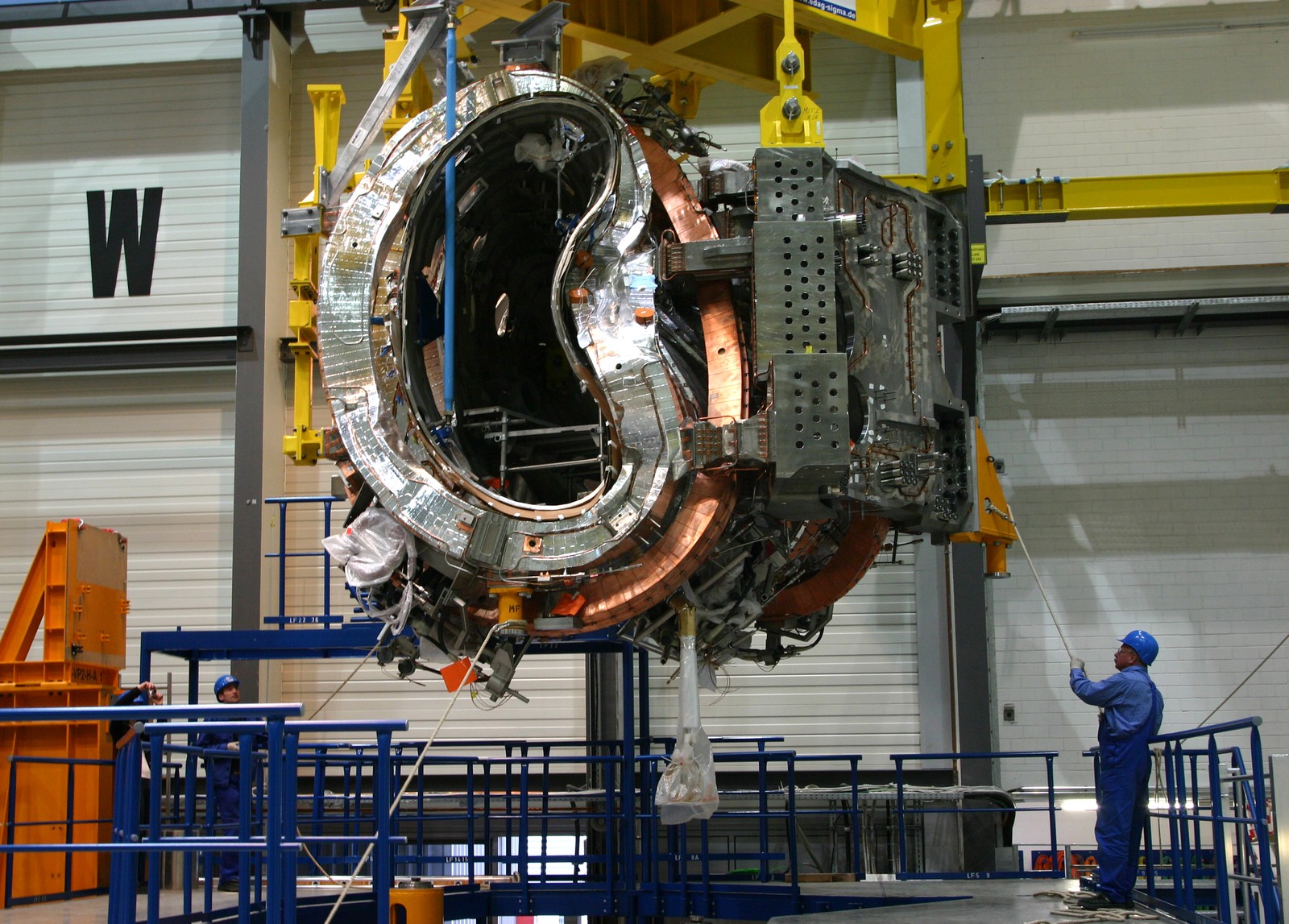
Cooling the magnets took about four weeks. During its first cooldown in 2015, Germany's Wendelstein 7-X (W7-X) fusion experiment brought about 450 tonnes of coils, support structures and other cold components to low temperature. Running the refrigerator harder was not the only consideration. How were the many helium flow paths cooled together?
Cooling 450 tonnes at a controlled pace
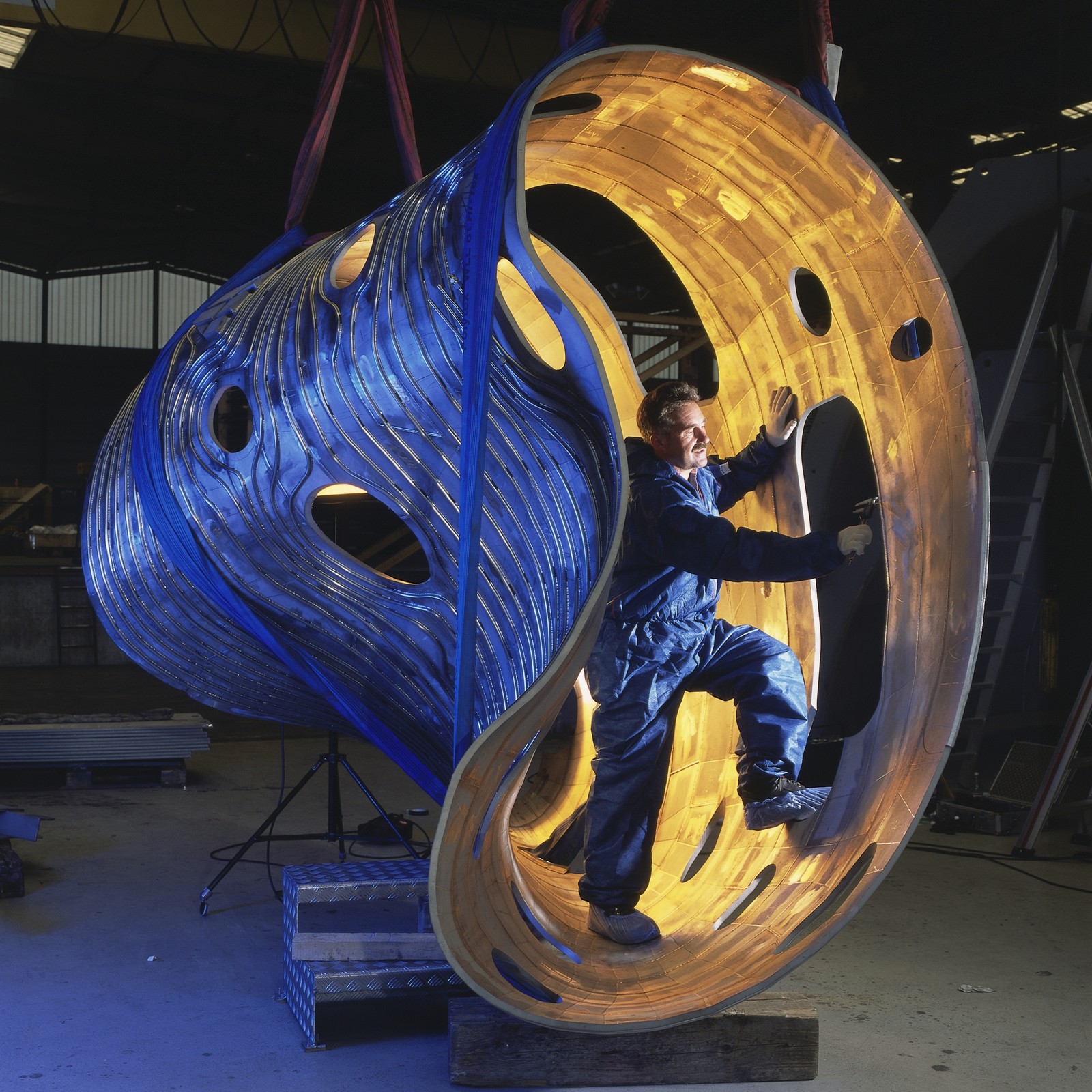
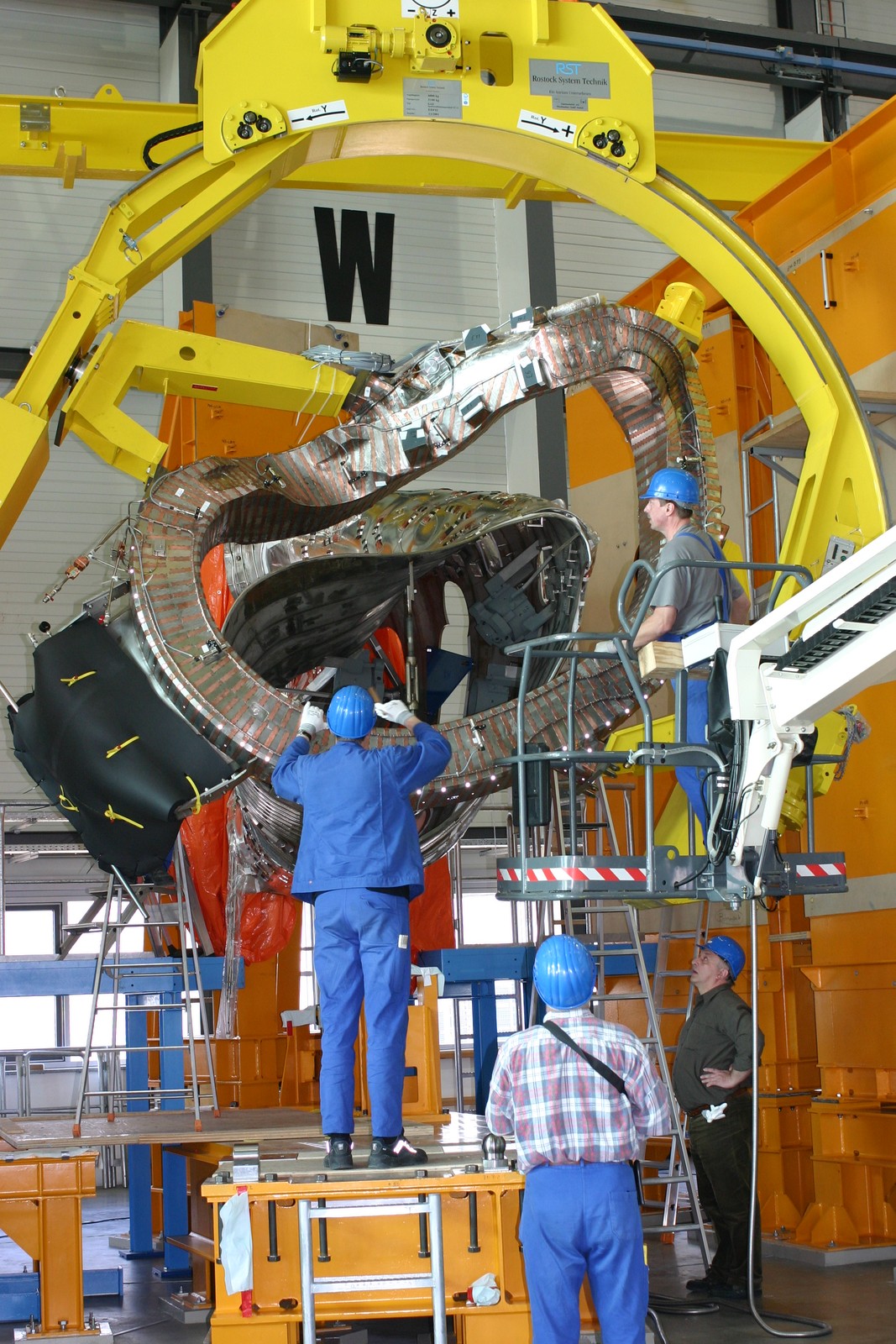
W7-X is a stellarator: it confines plasma with a complex, twisted magnetic field generated by 70 superconducting coils. Cooling extends beyond the conductor to coil casings, substantial support structures and shields that limit incoming heat.
The roughly 450 tonnes cited in the report on initial refrigerator operation refers to these cold components together. It is neither the weight of the entire machine nor that of the magnets alone. Bringing them down to temperature meant commissioning a system with multiple flow paths.
A cooling rate of about one kelvin per hour
The report describes maintaining a cooling rate of about 1 K per hour and limiting temperature differences across the supply and return of the main circuits to 40 K. The kelvin is a unit of temperature; a difference of 1 K equals a difference of one degree Celsius. Operators monitored the pace and distribution of cooling as well as the temperature reached.
There were 70 flow paths in the casings, ten in the support structures and ten in the thermal shield, with manual valves used to adjust flow. The circuits were also cleaned before cooling began. Producing the target temperature at a refrigerator outlet and distributing the required flow through the connected circuits are separate checks.
Keeping the 4 K and 5 K reports distinct
IPP's announcement of April 2, 2015 says cooling began on February 13 and the target temperature of 4 K was reached on March 10. The technical report describes reaching about 5 K in short standby mode after roughly four weeks. These descriptions have different operating and reporting contexts; they should not be presented as the same temperature measurement.
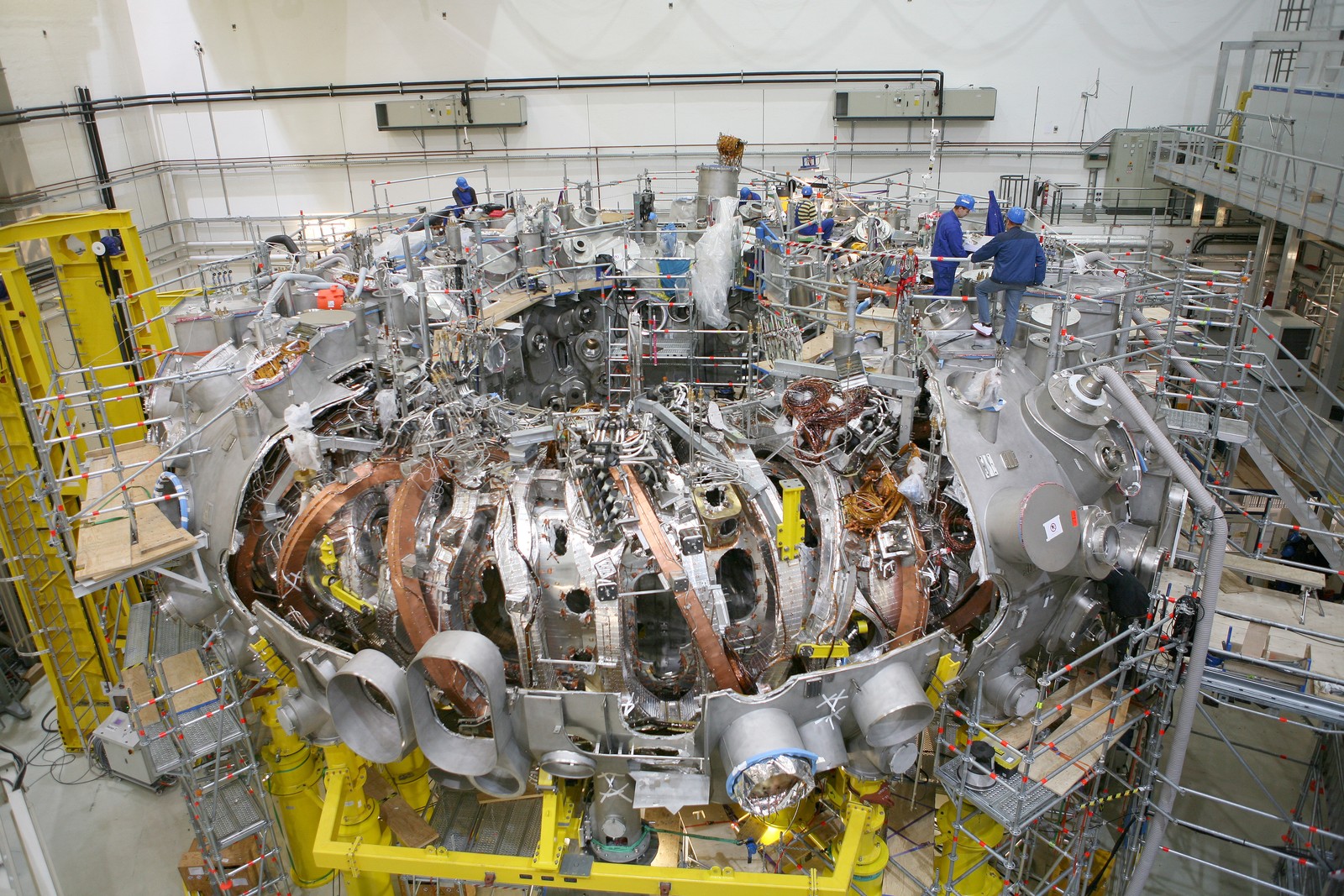
The cryostat performance assessment also distinguishes cooling the coils and their supports from cooling the surrounding thermal shield. The cold parts of the device are not all designed to run at one temperature. The photographs here document manufacture and assembly, rather than the 2015 cooldown or thermometer readings.
The steps between refrigeration and operation
Reaching low temperature was followed by checks of flows and heat loads and by powered magnet tests. Cooldown was one step toward plasma operation. The four-week figure is a record of initial commissioning, not the preparation time for every present-day experiment.
FI's focus is the work on pipes, valves and instrumentation between the refrigerator and the magnets, bringing them into alignment under operating conditions. Equipment delivery leaves further adjustment and testing before the system can be handed over for operation. The time spent cooling large magnets includes checking those connections.
- Dhard et al.: Refrigerator operation during commissioning and first plasma operations of W7-X
- IPP, April 2, 2015: W7-X reaches its 4 K target
- Nagel et al.: First evaluation of W7-X cryostat performance
Information checked as of:2026-11-28
Historical account of initial commissioning in 2015. About 450 tonnes covers the cold components together. The official 4 K announcement and technical report's approximately 5 K short-standby description are distinct. About 1 K/h and 40 K are conditions reported for that cooldown, not universal present-day operating requirements.