NIF freezes its fuel before firing
NIF grows a solid deuterium–tritium layer inside its ignition capsules. Development accounts from 2012 and 2014 show how cooling and shape inspection affect preparation for a shot.
Read the Japanese original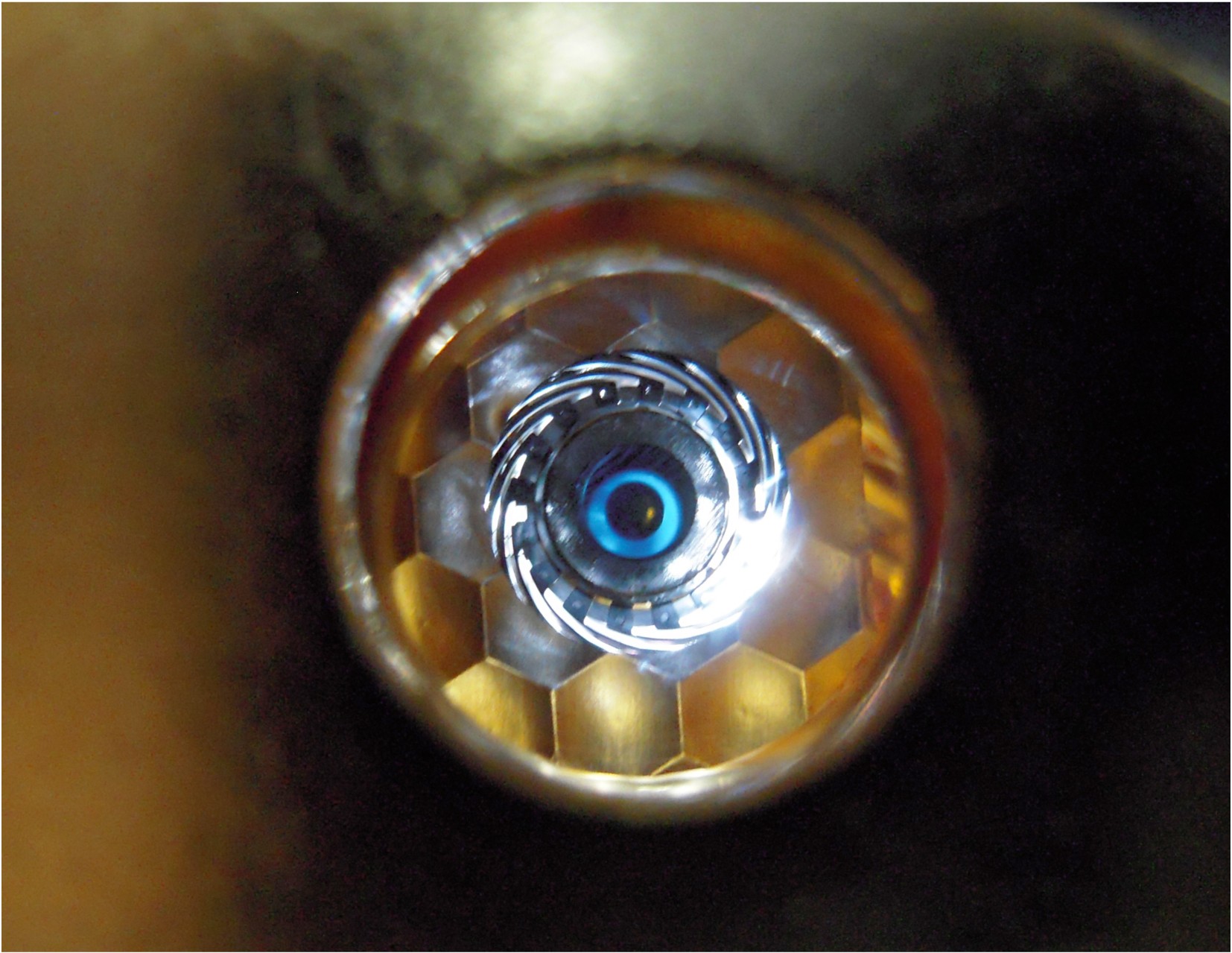
An experiment designed to heat fusion fuel starts by freezing it. In NIF ignition targets, a thin solid layer of deuterium and tritium is grown inside the capsule. A 2012 development report described a layer 69 micrometres thick at 18.5 kelvins. Low temperature alone is not enough: how is that layer made smooth?
Freeze the fuel inside the filled capsule
This “ice” is not frozen water. It is solid fuel made by cooling deuterium and tritium, isotopes of hydrogen. LLNL's 2012 account of the process describes the transition from gas to liquid and then solid as a way to increase fuel density and improve the prospects of reaching the density required for ignition.
18.5 kelvins is about −255 degrees Celsius. Cooling involves more than placing a finished container in a refrigerator. A fuel layer with few grooves or defects must grow on the capsule's inner surface. The smoothness of the outer capsule and that of the fuel layer inside it need separate checks.
Detect defects before the layer is finished
The same 2012 report gives an average of 14 hours of “script time” to grow a layer. Rejecting a finished layer meant at least half a day's delay while another was grown. This was a historical average, not a statement of the time required for every target today.
Researchers therefore used X-ray images of the growing layer, arranged over time, to detect grooves and other problems early. Instead of waiting until cooling was complete to make a decision, they sought to identify bad layers during growth. The question was whether the fuel had reached a usable shape, rather than a record low temperature.
Cooling equipment has different jobs
A 2014 target-fabrication report also describes holding targets at 18–20 kelvins just before the laser shot to form a smooth, uniform solid fuel layer. These are conditions described in that report, not universal values for different target designs.
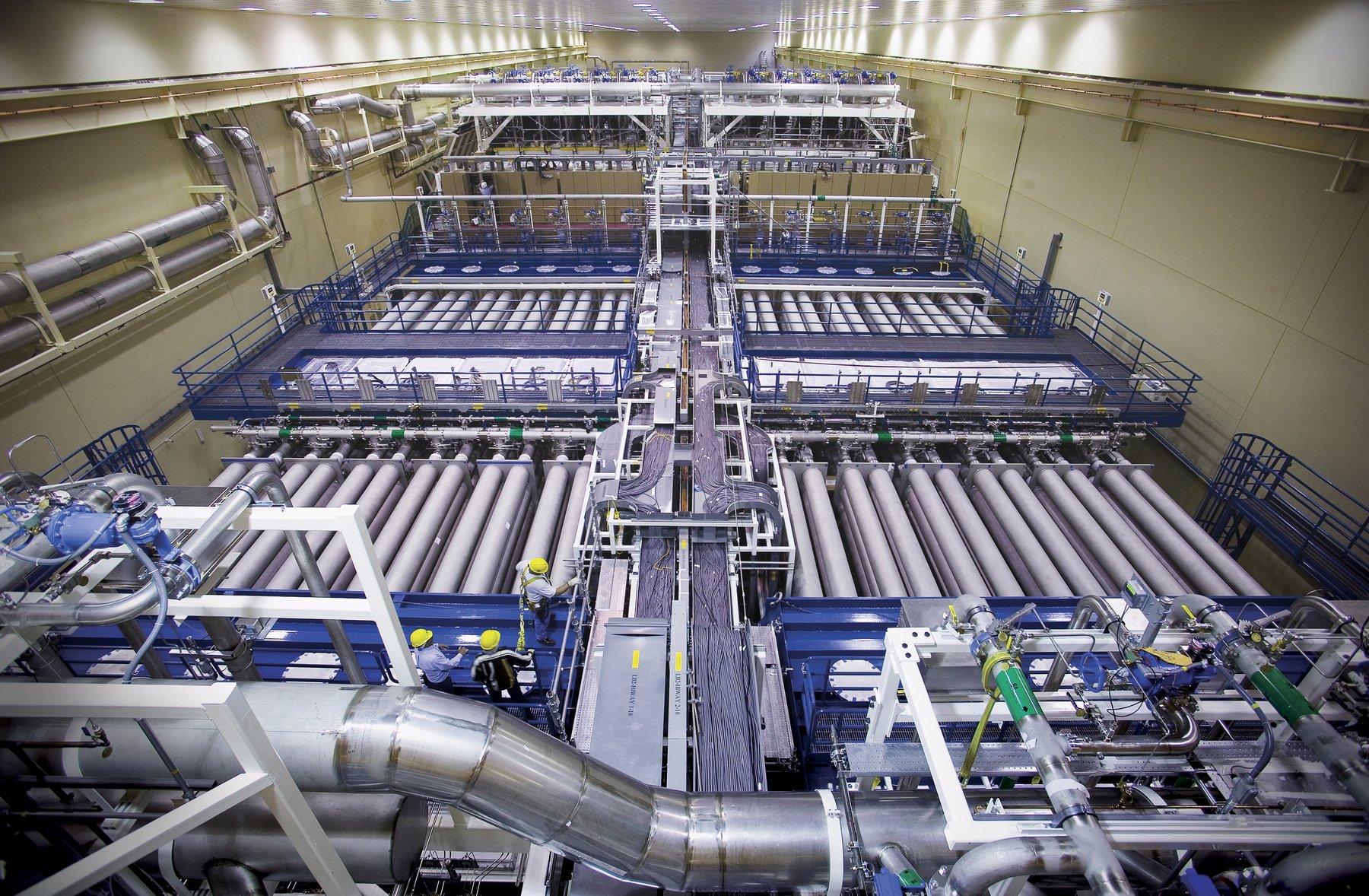
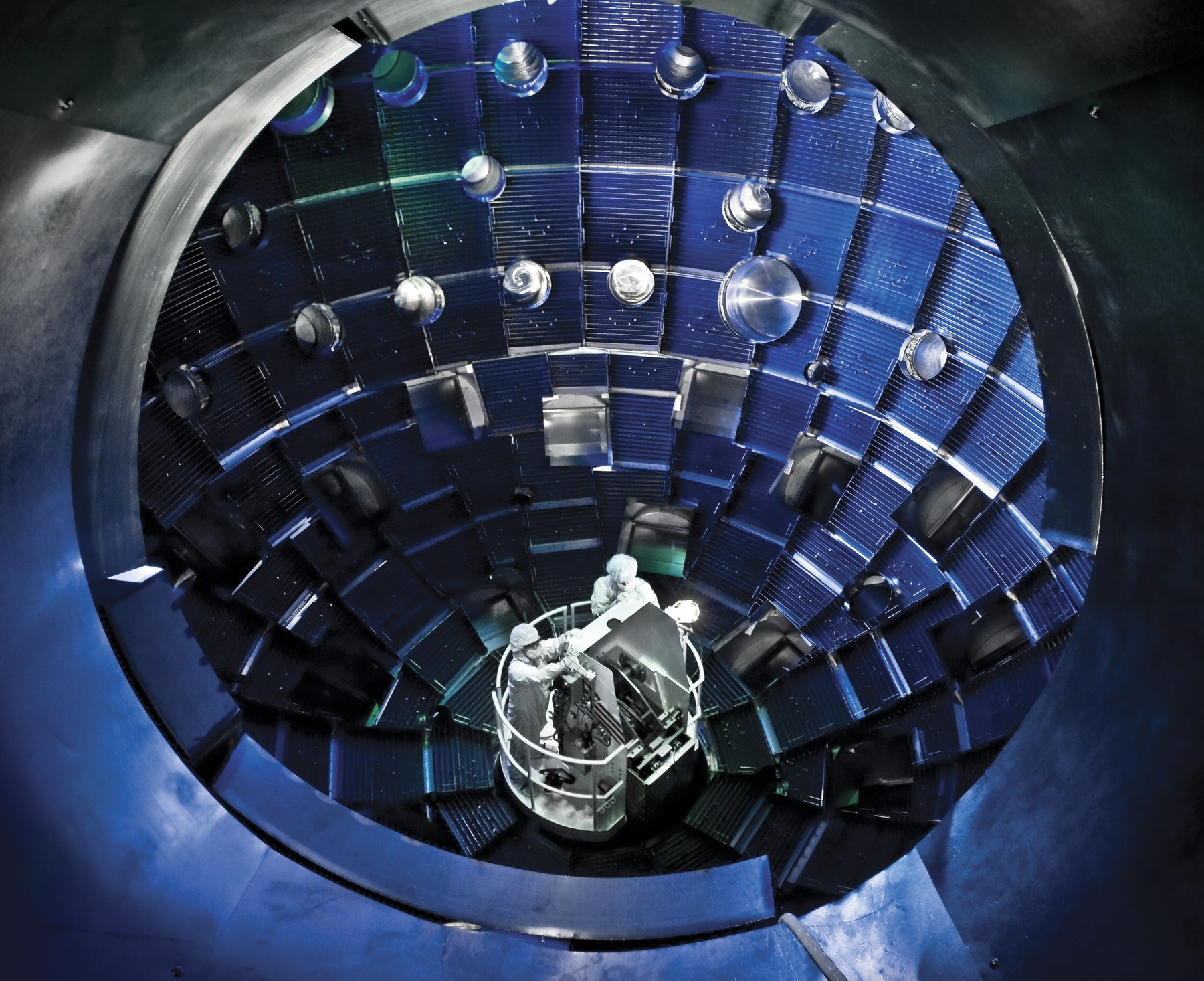
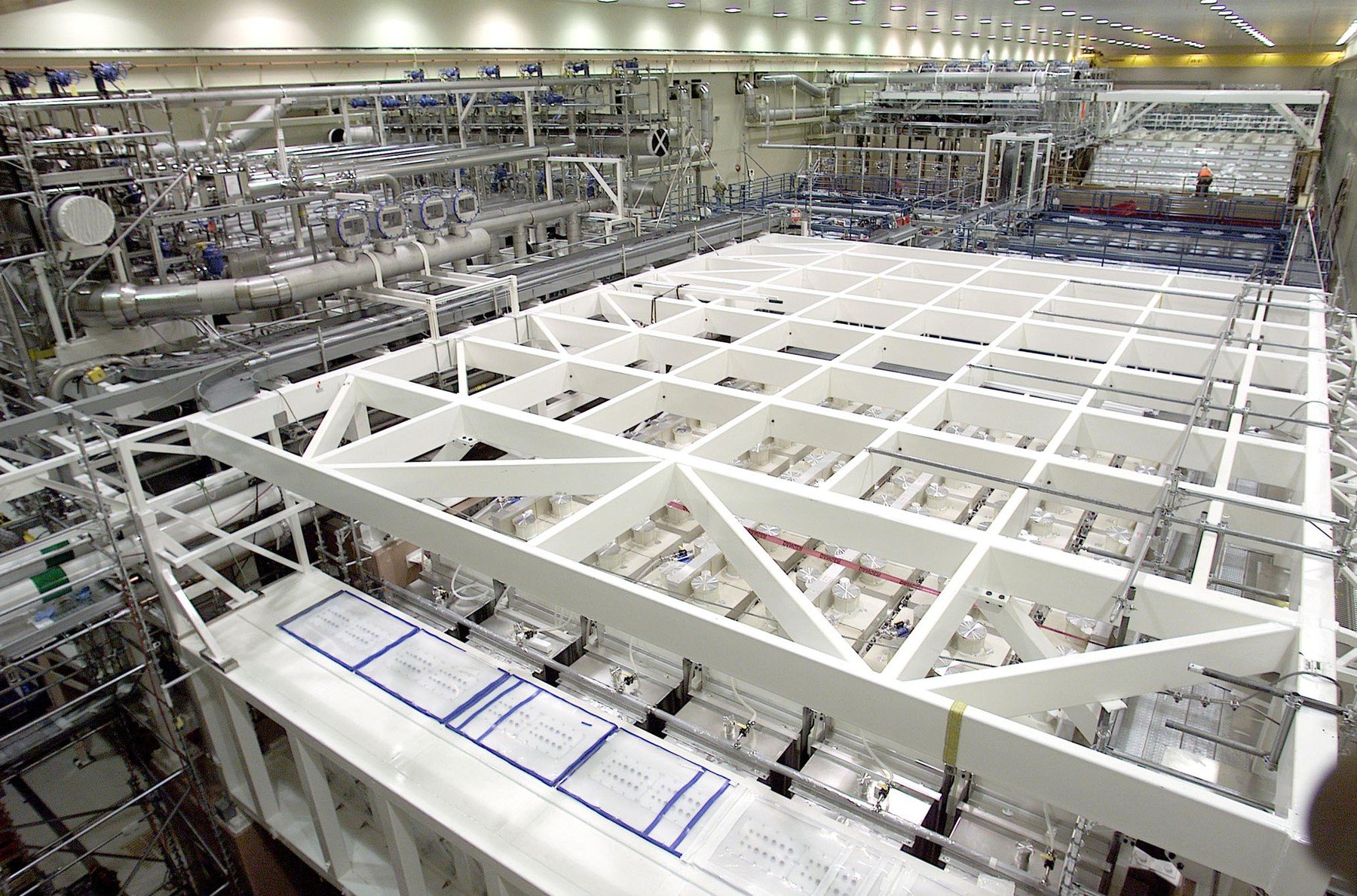
Cooling a large laser installation and cooling its tiny fuel target serve different purposes. The amplifier cooling equipment pictured in this article belongs to the laser system; it does not grow the cryogenic fuel layer. The target-chamber photograph likewise shows neither the fuel ice nor X-ray images of its growth. Alongside the hero photograph of a cryogenic target, these are reference photographs of the experimental equipment.
Deliver the fuel's shape before the shot
The 2014 report also discusses precision component fabrication and a clean assembly environment. Once the capsule is available, filling it, growing the layer and checking quality remain. Matching the amount of fuel alone does not reproduce the same initial conditions.
FI's observation is that manufacturing extends to the fuel's shape immediately before use. Cooling specialists and image reviewers need a shared definition of a target ready for an experiment. If this work has to be repeated, the large facility waits for the target. Preparing a hot plasma begins with carefully shaping cold fuel.
- LLNL, June 15, 2012: Growing and inspecting cryogenic fuel layers
- LLNL, September 23, 2014: Target fabrication and solid fuel layers
Information checked as of:2026-11-28
Process explainer based on LLNL development accounts from 2012 and 2014. The 69 µm, 18.5 K and average 14-hour values describe 2012 conditions, not every present-day target or commercial power plant.