NIF’s fuel waits inside a small metal cylinder
A hohlraum surrounds the fuel capsule in NIF ignition experiments. Follow the path from laser heating to x rays, ablation and the manufacturing work behind the target.
Read the Japanese originalAnnouncement date:2026-11-26
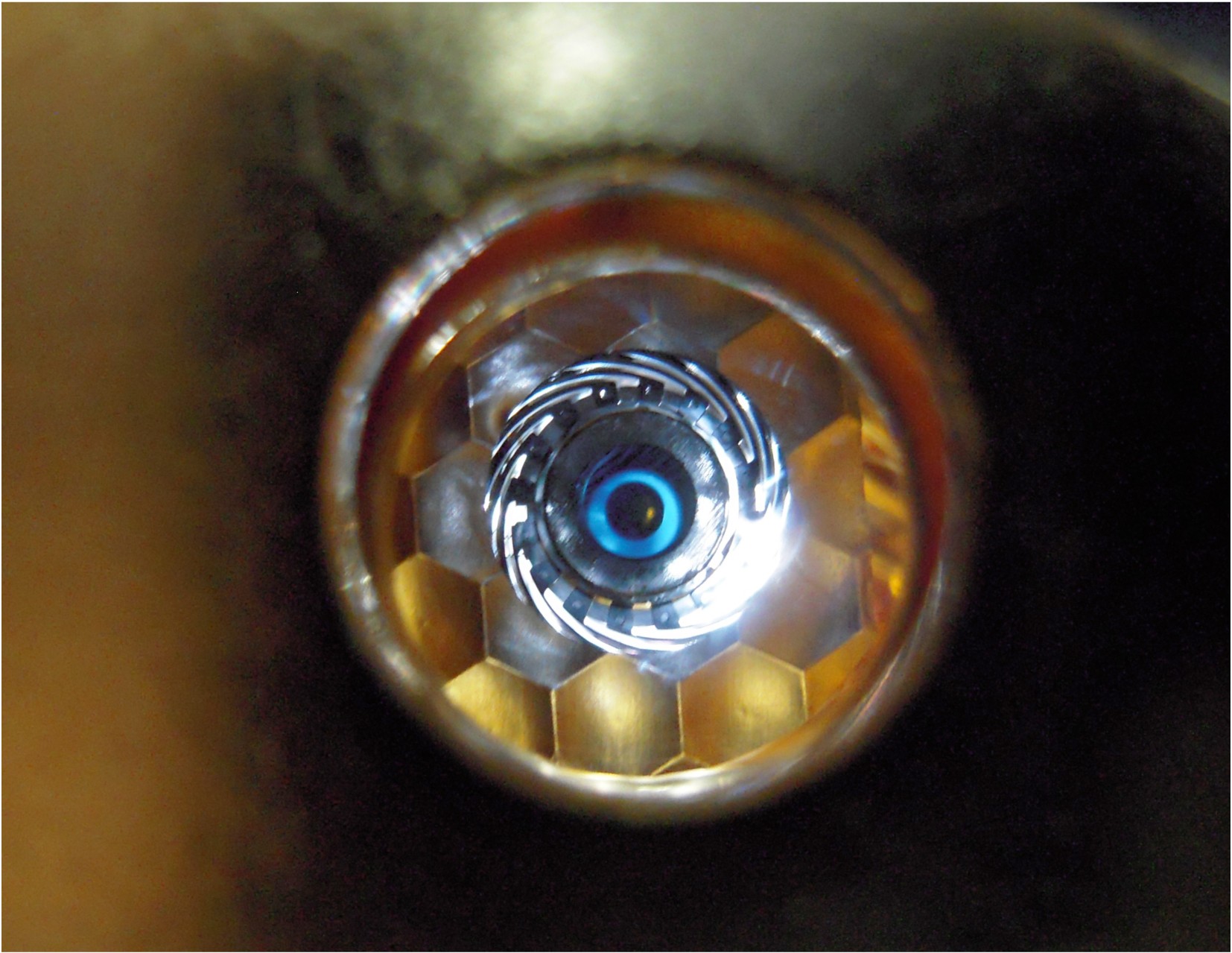
NIF uses a giant laser to compress fusion fuel. Yet in an ignition experiment, the laser first heats a small metal cylinder surrounding the fuel capsule. Adding a component the size of a pencil eraser looks like a detour. What does that extra step do to the way force reaches the fuel?
A second light source after the laser
The cylinder is called a hohlraum. It contains a capsule filled with deuterium and tritium, two forms of hydrogen. The capsule and its surrounding cylinder are separate components.
LLNL’s target description identifies high-atomic-number materials such as gold and uranium for the hohlraum. In the ignition experiment described in How NIF Works, laser heating generates x rays in the hohlraum, and those x rays illuminate the capsule. This is indirect drive. Other approaches to laser fusion do not necessarily use this cylinder.
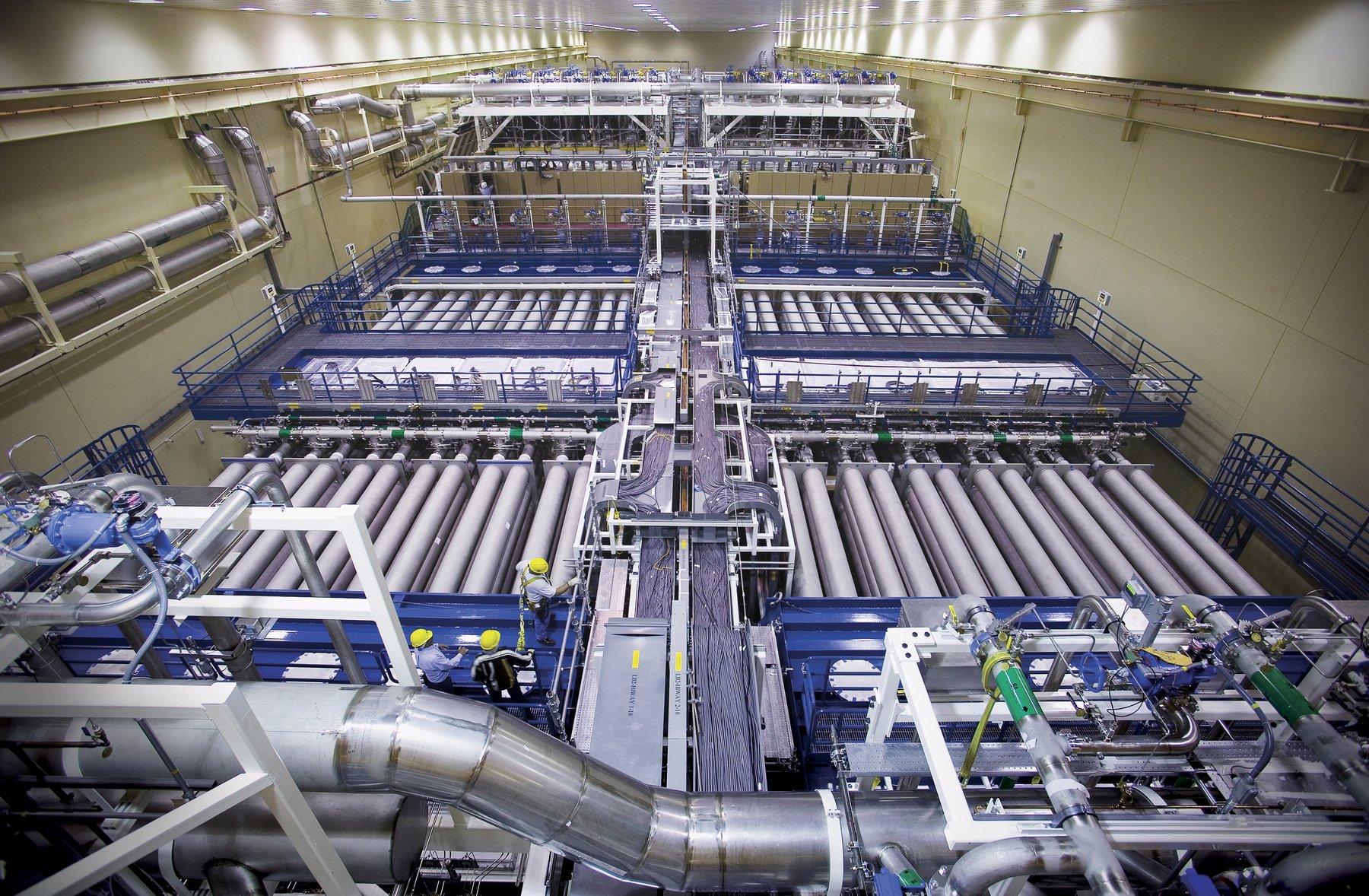
An outward flow drives an inward push
X rays heat the capsule’s outer layer and drive material outward, a process called ablation. The reaction pushes the remaining capsule inward. LLNL describes a rocket-like implosion.
The inward push must be sufficiently symmetrical to bring the fuel together. Heating is only part of the task; the conditions of compression also matter. The hohlraum is therefore part of the radiation drive, rather than simply a container for storing fuel.
Testing the metal cylinder on its own
Making a cylinder does not automatically produce the intended conditions. In LLNL’s hohlraum energetics experiments, measurements of radiation temperature, laser power and energy, and backscattered light help test computational models.
The platform description lists different target configurations, including gold and uranium. These experiments emulate plasma conditions relevant to ignition hohlraums and help establish usable laser intensity and radiation conditions. This is a description of an experimental platform, not a new ignition result announced today. The archival cryogenic target photograph does not represent every configuration in its tables.
A small cylinder connects manufacturing jobs
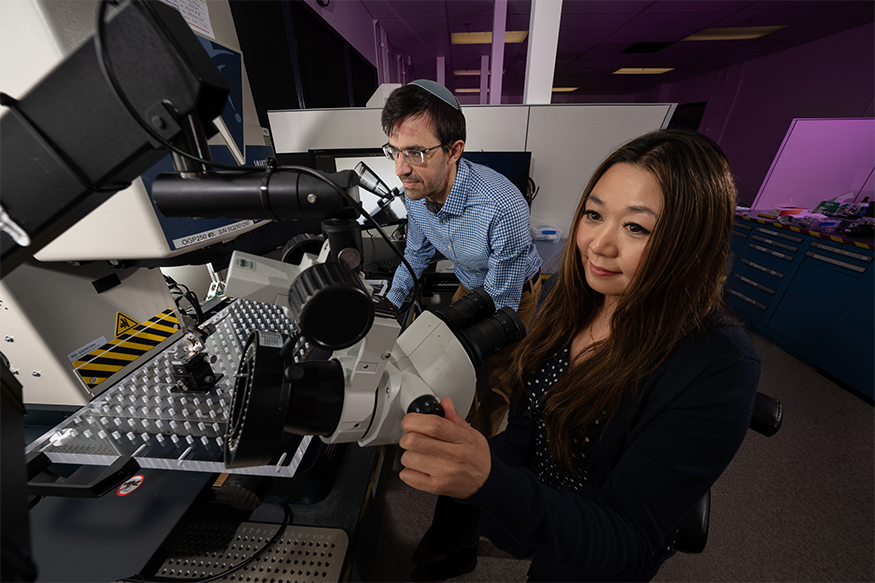
The fabrication and assembly guide connects precision machining of cylinders and entrance holes with coating, inspection, cleanroom assembly and testing. Components from outside vendors, General Atomics and LLNL are made into targets ready for experiments.
FI’s interpretation is that the small cylinder links radiation calculations to the workshop: material selection and dimensional inspection need to serve the same experimental conditions. This is an industrial observation, not evidence of a particular contract or a mass-production cost.
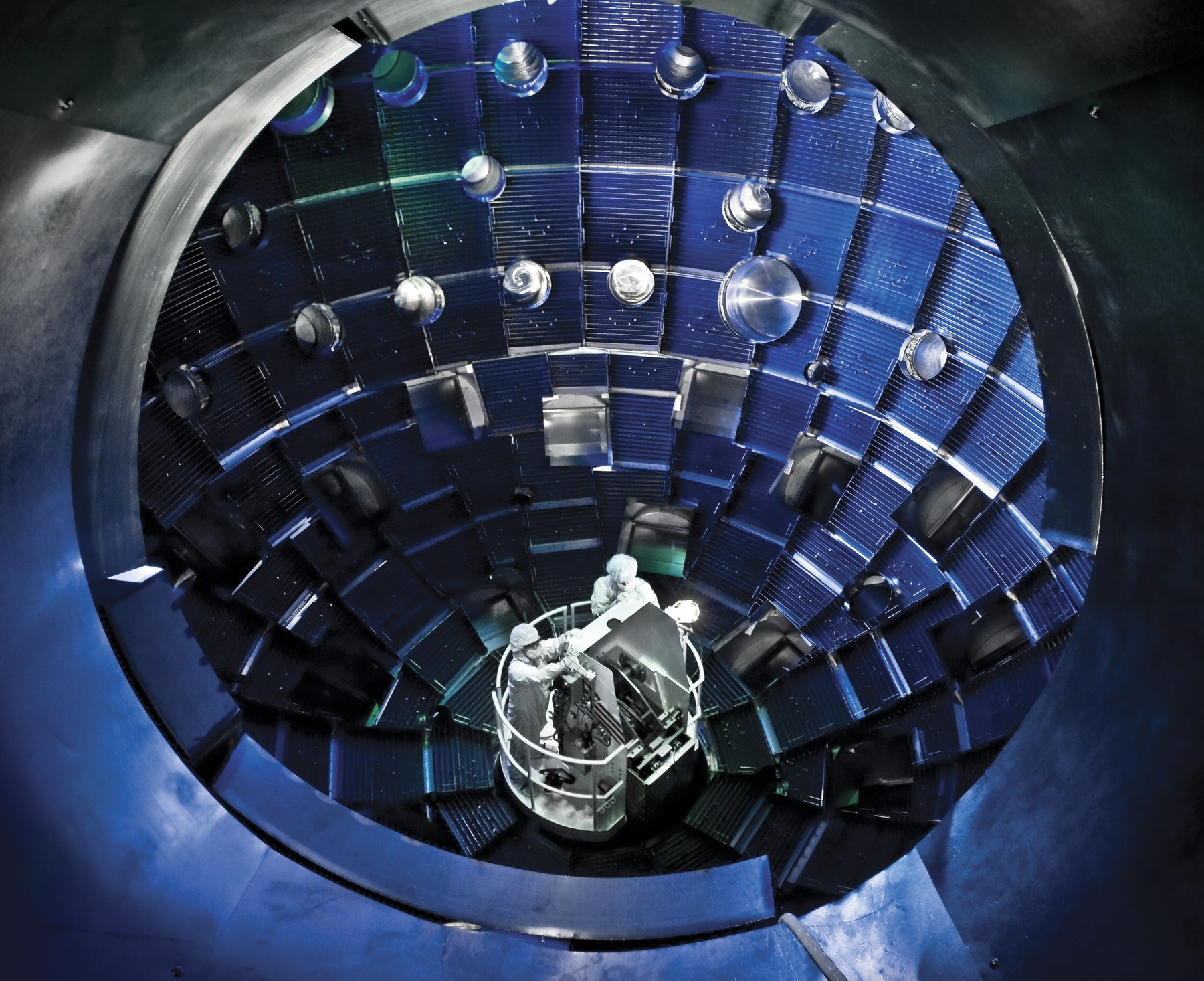
The registered photographs are archival NIF material. The laser bay and chamber illustrate the experimental equipment. The CPC inspection photograph shows a separate example of microcomponent fabrication, not a new hohlraum or the experiment discussed here.
- LLNL How NIF Works:間接照射とアブレーション
- LLNL Targets:ホーラムと燃料カプセル
- LLNL Hohlraum Energetics:放射と後方散乱の計測
- LLNL User Guide 7.2.1:標的の製造と組立
Information checked as of:2026-11-26
Science explainer based on LLNL descriptions and user guidance. No new ignition result, equipment completion or contract is claimed. NIF indirect drive is not generalized to all laser fusion approaches. Industrial implications are FI’s analysis.