Manufacturing tiny fuel targets every day: the business of laser fusion target production
Moving laser fusion targets from precision prototypes to continuously supplied products requires more than fabrication. Distinguish 3D-printing experiments from remaining scale-up challenges, and examine inspection, yield, transport and cost boundaries.
Read the Japanese original
A laser fusion power plant naturally draws attention to its large lasers. Yet the small fuel targets supplied for every operating cycle pose independent manufacturing challenges. Making one precisely and continuously delivering many at the required quality are different achievements.
Research from Lawrence Livermore National Laboratory (LLNL) and Osaka University illustrates work connecting fabrication, inspection and transport. For the overall approach, see the introduction to laser fusion.
Summary
- Targets are precision components and structures holding fuel; geometry and processes depend on the design approach.
- Production assessment must cover inspection, yield, cryogenic handling and delivery into the reactor, not machining speed alone.
- 3D-printed targets have been used experimentally, but this does not establish completed mass-production technology meeting power plant quality and throughput requirements.
Tiny targets bring together manufacturing tasks
A target holds fuel that lasers compress and heat. In NIF's typical indirect-drive approach, a fuel capsule sits inside a container called a hohlraum, unlike approaches directing lasers straight at the capsule. LLNL also describes nondestructive examination of materials and components to verify requirements. NIF target explanation
Small size does not make a target a simple consumable. Geometry, surface and assembly must be controlled to support the designer's required performance. Supply value includes demonstrating quality through inspection, not isolating forming or coating alone.
Japan also has a manufacturing research base. Osaka University's Institute of Laser Engineering Target Factory develops and supplies diverse targets for high-energy-density science experiments. Not every listed target is a fuel product for a power reactor. Distinguish research purposes from future mass-production applications. Osaka University Target Factory
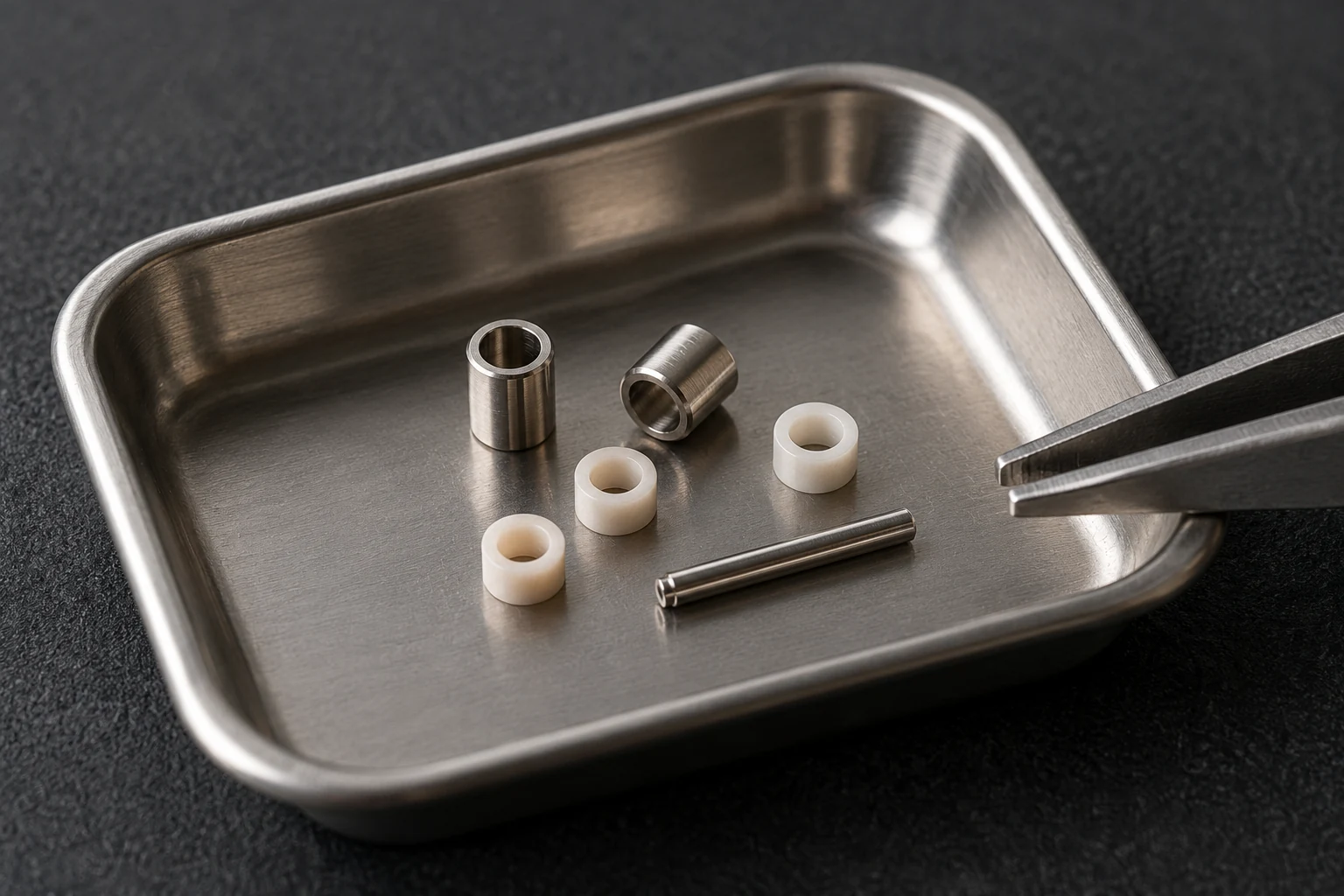
Consider precision and production scale in the same process
LLNL's LIFT identifies manufacturing capability for approximately one million targets per day per power plant at less than US$0.50 each as a research challenge for inertial fusion energy. These are development benchmarks for future plants, not current orders or market prices. Requirements vary with reactor design. LIFT target-fabrication research
Research values specialized targets for limited experimental opportunities. Power plant supply must simultaneously achieve repeatable quality and low manufacturing cost. One carefully selected excellent target does not establish an entire factory's supply capability.
The following is editorial business analysis. Include changeovers, inspection queues, rework and maintenance alongside a machine's processing time. Lower yield—the proportion of acceptable products—increases material and time per shipped unit. Cost discussions become more concrete when based on how many conforming units were delivered, not merely made.
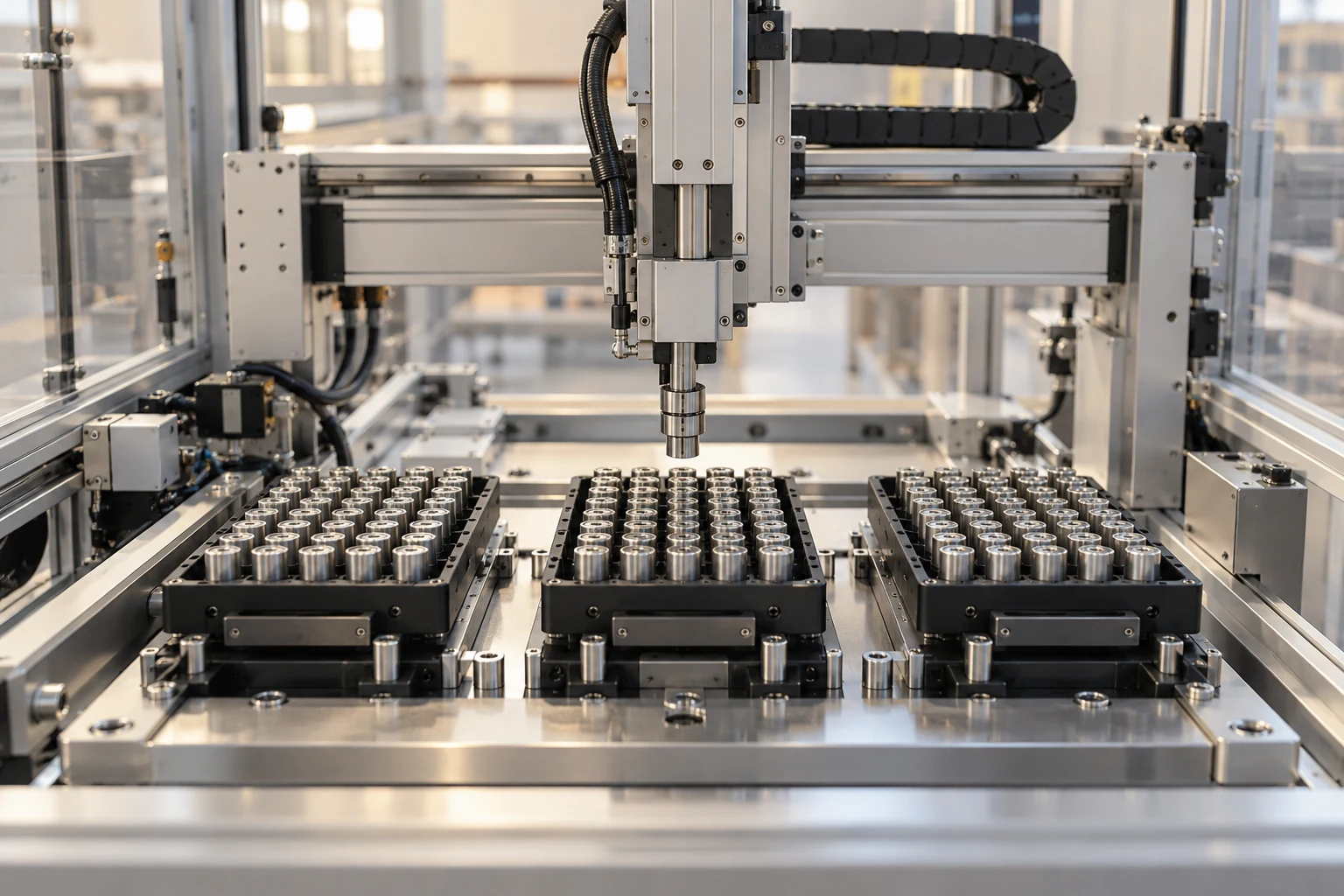
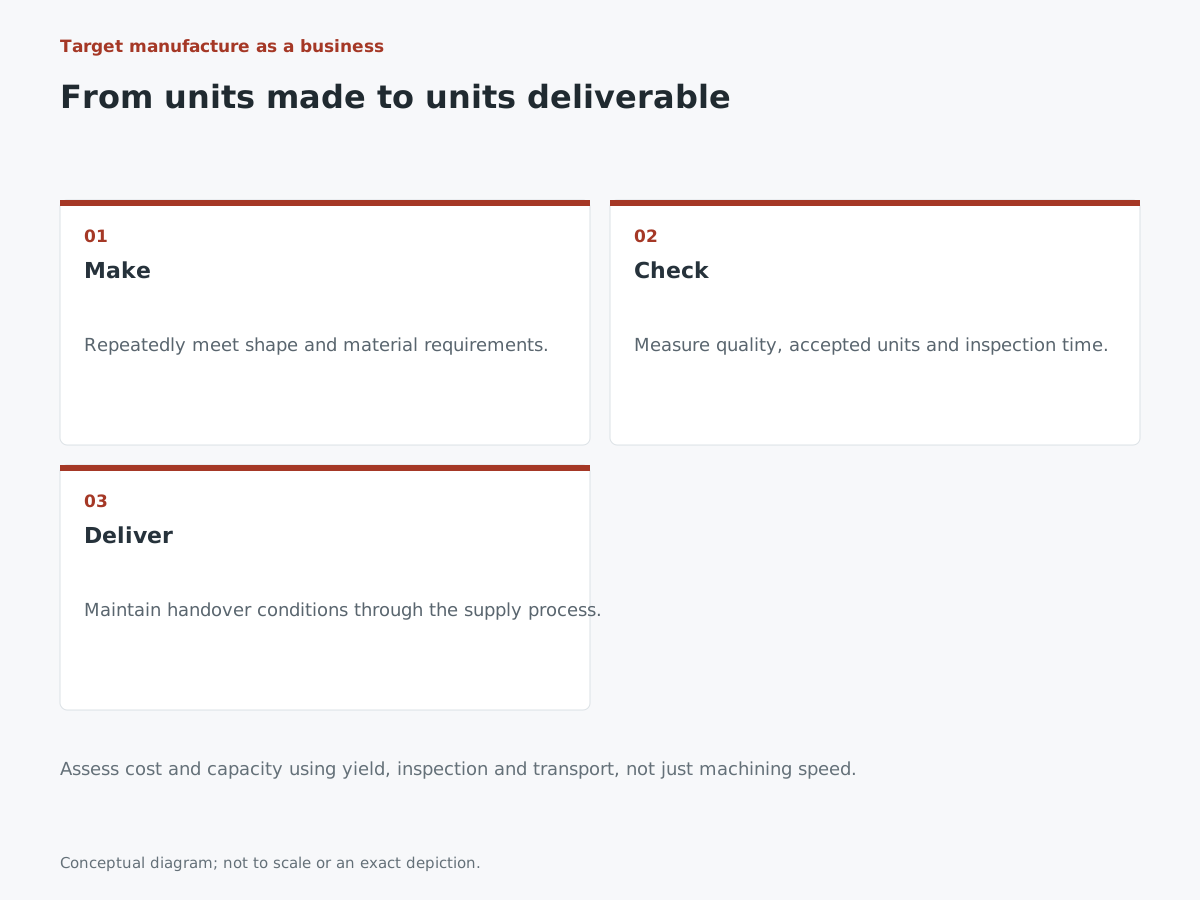
What can 3D printing change?
LLNL's April/May 2025 technical review describes capsules made using two-photon polymerization, a fine-scale light-based fabrication method, in NIF experiments. Initial direct-drive tests occurred in March and May 2024; they are not newly announced results. LLNL explanation of 3D-printing research
The approach makes internal structures and geometries difficult for conventional methods more accessible. The same explanation, however, notes defects at printing seams and that quality still falls short of conventional capsules and production speed of power plant needs. Improvements such as parallelization remain research work.
It is therefore premature to conclude that 3D printers can now mass-produce fusion fuel. Experimental prototypes, desired physics performance, production speed and cost are separate assessment items. Equipment suppliers can propose more than printability by showing which defects they reduce, how they detect them and how they shorten processes without reducing quality.
Inspection after fabrication determines deliverable volume
LLNL's manufacturing improvements include automated surface imaging and cryogenic leak testing as well as assembly automation. Historical reductions in labor described in official material cannot be treated as current power-reactor target production rates. NIF manufacturing and inspection
A fast processing machine does not increase shipments if subsequent inspection cannot keep up. Skipping inspection to increase counts risks defects and interruptions at the user. Inspection equipment, image processing, handling and data linking results to products need to be designed together.
Prospective suppliers should first ask what constitutes a defect, what can be measured and how long a decision takes. Agree with the recipient which properties are checked on every item and which are assessed through separate specimens or process-stability tests. There is work between producing a measurement and making an acceptance decision from it. These are practical scale-up questions, not a particular laboratory's procurement specification.
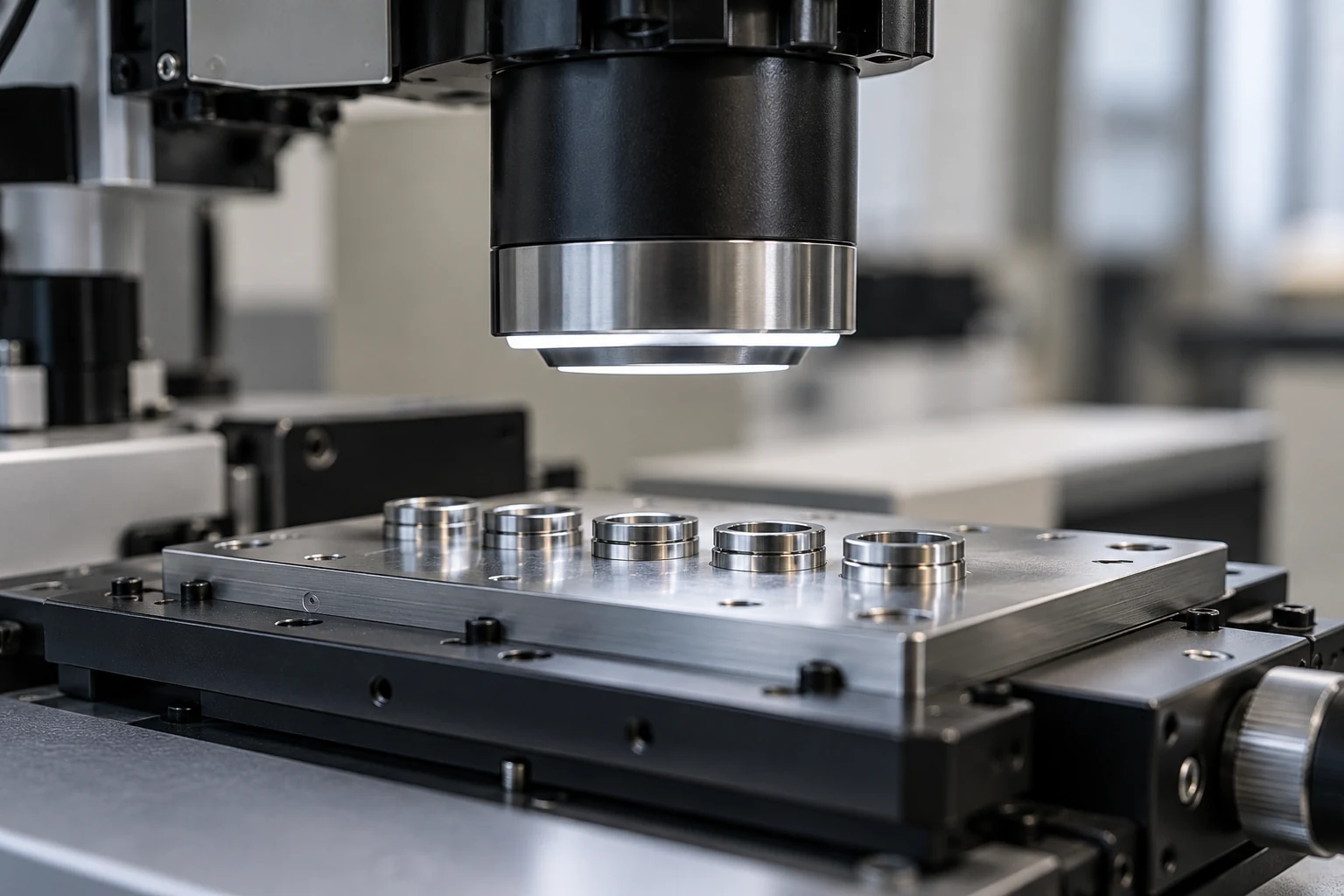
The product's role continues until it reaches the reactor
LIFT also identifies surviving heat and acceleration during injection, tracking trajectories and aligning targets with lasers as development challenges. Correct geometry at manufacture is insufficient if conditions change before the point of use.
Osaka University's laser fusion systems research likewise covers cryogenic target fabrication, fuel injection equipment and optical devices. Manufacturing and delivery are adjacent challenges here too. Osaka University research introduction
Boundaries among capsule manufacturers, inspection providers and handling-equipment suppliers matter. In what state is the product handed over, and who manages temperature, contamination and damage afterward? Define what integrated process tests verify beyond individual component acceptance. Suitability for future continuous operation should be distinguished from suitability for current single-shot experiments.
What should companies propose?
Entry does not require supplying a complete fuel target. Microfabrication, coatings, noncontact inspection, clean handling, cryogenics and process-data management can address specific problems. Research need does not guarantee orders or revenue.
Separate proposed deliverables into three categories. For prototypes, specify geometry and usable conditions. For inspection, identify detectable defects and measurement limits. For equipment, specify conforming-product throughput and maintenance conditions. Match these to the counterpart's development stage and use small evaluation tests to generate evidence for the next decision.
When comparing costs, align whether materials, fabrication, inspection, sorting, packaging and transport are included. Check fuel-handling scope and safety responsibilities too. A target of a price per unit cannot simply be treated as your product's selling price or margin.
Laser fusion industrialization is both a competition to produce powerful light and an effort to repeatedly deliver small products of the required quality. Shifting attention from the highest-performing single target to an inspected, deliverable target reveals the value manufacturing can provide.
- LLNL: NIF target configuration and inspection (standing explanation; checked October 14, 2026)
- Osaka University: Target Factory (standing explanation; checked October 14, 2026)
- LLNL LIFT: target fabrication research goals (standing research introduction; checked October 14, 2026)
- LLNL: Printing the Future of Fusion Targets (April/May 2025; experiments March/May 2024; checked October 14, 2026)
- LLNL: target fabrication, inspection and historical process improvements (standing explanation; checked October 14, 2026)
- Osaka University: laser fusion systems research (standing research introduction; checked October 14, 2026)
Information checked as of:2026-10-14
Explainer based on LLNL and Osaka University public primary sources checked October 14, 2026. The 3D-printing article is from April/May 2025 and describes March/May 2024 experiments. LIFT quantity and cost figures are research targets, not current production or market prices. Process assessment and supplier proposals are editorial analysis. Dates are not inferred for undated pages.