Helical Fusion announces formal selection for subsidy capped at ¥19.2 billion
Helical Fusion announced formal selection for Japan’s fusion demonstration support program on November 18. The subsidy ceiling is approximately ¥19.2 billion, supporting HARUKA construction and KANATA design in parallel.
Read the Japanese originalAnnouncement date:2026-11-18
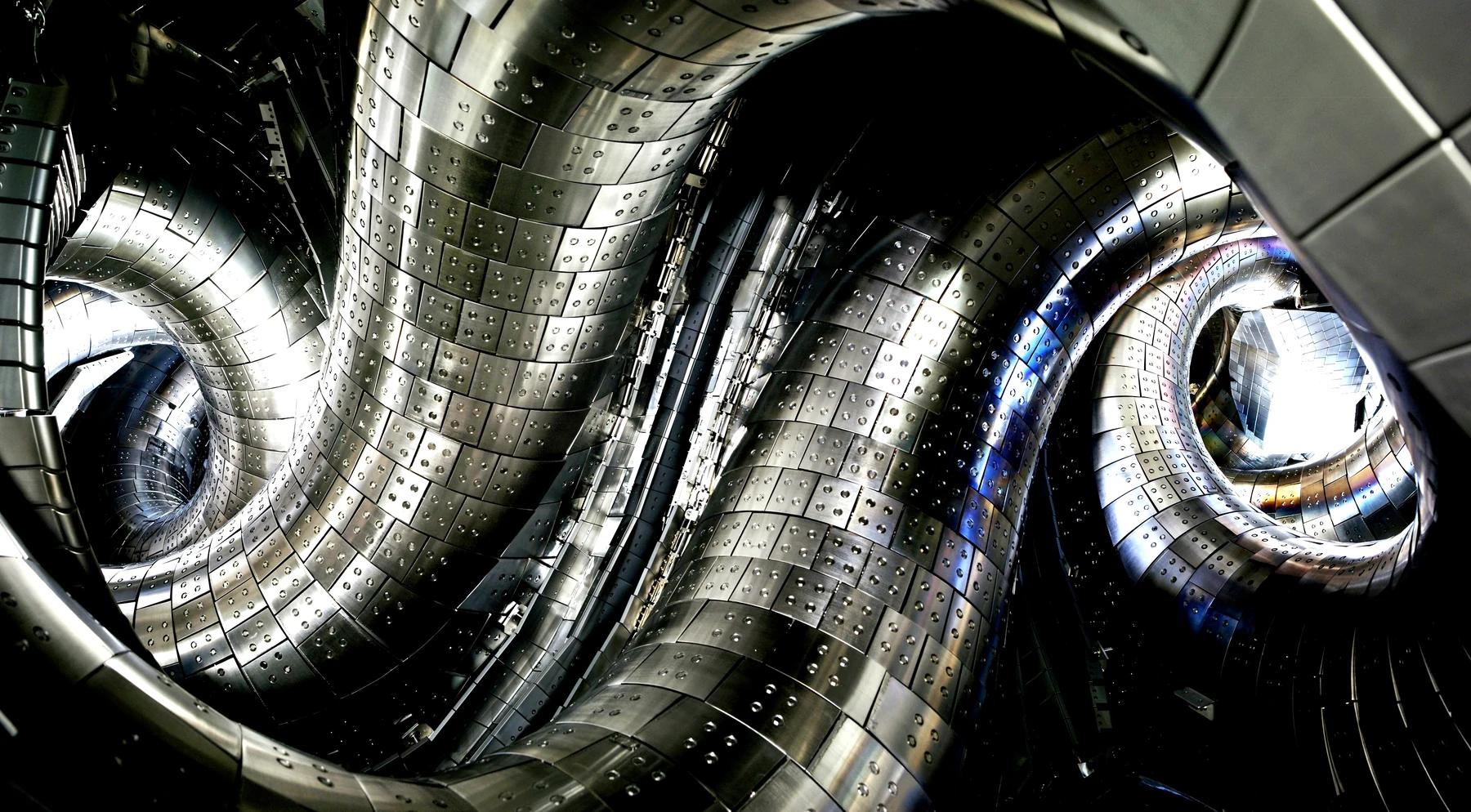
Helical Fusion announced on November 18 that it had been formally selected for Japan’s Ministry of Economy, Trade and Industry fusion power demonstration subsidy program. Its proposed project totals approximately ¥35 billion, with a subsidy ceiling of approximately ¥19.2 billion. The funding is intended to support both assembly of a demonstration device and design of the power plant that follows.
Demonstration and power plant design in parallel
The project is scheduled to run through the end of February 2029. It covers manufacturing and assembly of the final demonstration device, Helix HARUKA; basic design of the first power plant, Helix KANATA; and development of individual and enabling technologies.
The company builds on helical fusion research at Japan’s National Institute for Fusion Science. It says manufacturing of one HARUKA helical coil is nearly complete at the institute’s site in Toki, Gifu Prefecture. Installation of the vacuum vessel and other components will follow, with energization tests of the high-temperature superconducting coil planned for 2027.
A fusion device requires magnets and heat-handling equipment to operate together, beyond demonstrating each component separately. HARUKA is intended to test this integration and exchange findings with KANATA’s design effort. The distinctive use of this support is to advance device construction and power plant design together, rather than wait for demonstration to finish before starting design.
A subsidy ceiling is different from cash received
Approximately ¥19.2 billion is the subsidy ceiling, not an equity investment or a verified cash receipt of that amount. The approximately ¥35 billion project budget likewise cannot be counted as a new equity raise.
Formal selection is reported by the company. At the time of verification, the program administrator, the Green Investment Promotion Organization, still listed the project as conditionally selected. Helical Fusion says it is working with approximately 40 Japanese companies and aims for practical electricity generation in the 2030s. The next evidence to track is progress on the planned tests and integration of equipment.
- Helical Fusion: formal selection announcement (November 18, 2026)
- Helical Fusion: official announcement
- Green Investment Promotion Organization: selection status
Information checked as of:2026-11-18
Formal selection is reported by the company; the administrator still displayed conditional selection when checked. Subsidy ceiling: approximately ¥19.2 billion; proposed project budget: approximately ¥35 billion. Cash receipt is unverified. The company’s cumulative figures of ¥13.2 billion and ¥33.2 billion do not reconcile by simple addition with the stated ceiling and are excluded from FI’s funding totals.