Wenergy Capital backs fusion-component supplier Juneng
Wenergy Capital, CAS Star and Hefei Chuangxin Investment joined Juneng's first market-based equity financing. The amount is undisclosed. Primary sources show its role in winding and insulating fusion magnets.
Read the Japanese originalAnnouncement date:2026-11-16
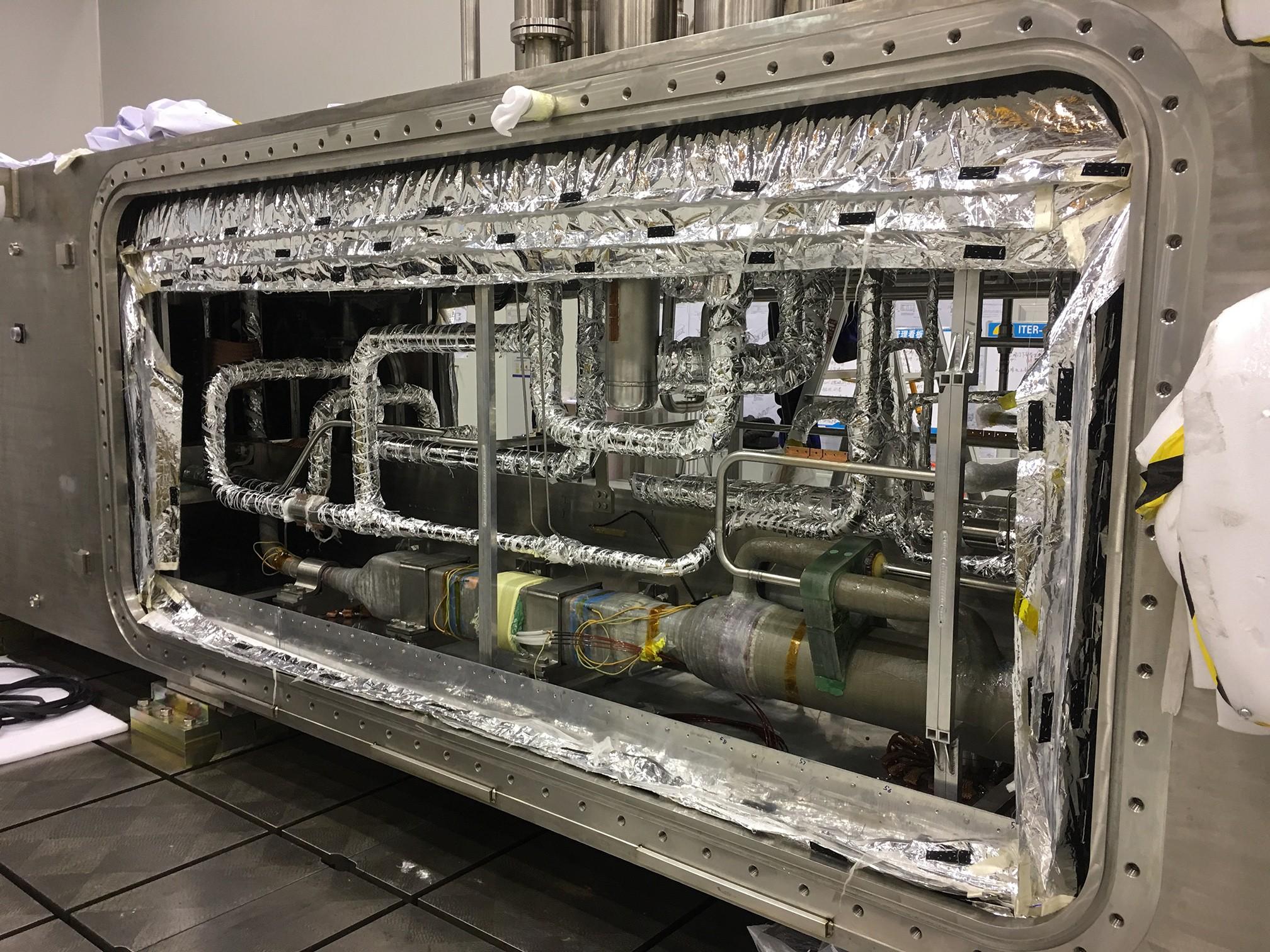
China's Juneng Electrophysics has completed its first market-based equity financing, Wenergy Group announced on November 16. The fusion-component supplier works on manufacturing tasks such as winding and insulating magnets. What does investment in this part of the fusion supply chain support?
Investors named, amounts undisclosed
Wenergy Capital, CAS Star and Hefei Chuangxin Investment were among the participants named in the announcement. Total funding, individual contributions and a precise payment date were not disclosed. Neither were detailed uses of the proceeds, so the announcement does not establish that specific facilities will be expanded.
The company's legal name is 合肥聚能电物理高技术开发有限公司. Wenergy describes capabilities in vacuum systems, specialised magnets, welding and cryogenic engineering, producing major systems and components for fusion machines.
Turning magnet designs into components
In October 2024, the Chinese Academy of Sciences' Institute of Plasma Physics reported completing winding, shaping and inspection of nine CRAFT toroidal-field magnet subunits in cooperation with Juneng.
A separate October 2026 related-party business notice identifies Juneng for poloidal-field coil stacking, insulation, vacuum pressure impregnation and terminal manufacturing. Requirements include a coil-profile tolerance within 2 millimetres after stacking and a lead-position tolerance within 1 millimetre. Vacuum pressure impregnation introduces resin into the insulation to consolidate the winding.
FI's reading is that capital is also reaching companies responsible for manufacturing and inspecting components to demanding tolerances. The financing announcement itself does not establish expanded capacity or completed deliveries. The effects on equipment, staffing and orders will require evidence in future disclosures.
- Wenergy Capital participates in Juneng's first market-based financing (November 16, 2026)
- ASIPP: CRAFT TF magnet winding, shaping and inspection completed (October 14, 2024)
- Hefei Institutes of Physical Science: PF coil manufacturing business notice (October 27, 2026)
- ITER: China launches series production (March 4, 2019; archive photograph)
Information checked as of:2026-11-17
Completion confirmed in Wenergy Group's announcement; amount and precise payment date undisclosed.