Helical Fusion and Fuji Electric deepen partnership beyond magnet power-supply procurement
The October 8 capital and business alliance brings Fuji Electric into technical and business planning for the Helix Program. It builds on a 2025 supply agreement, while plant deployment remains a development goal.
Read the Japanese original 日本語Announcement or event date:
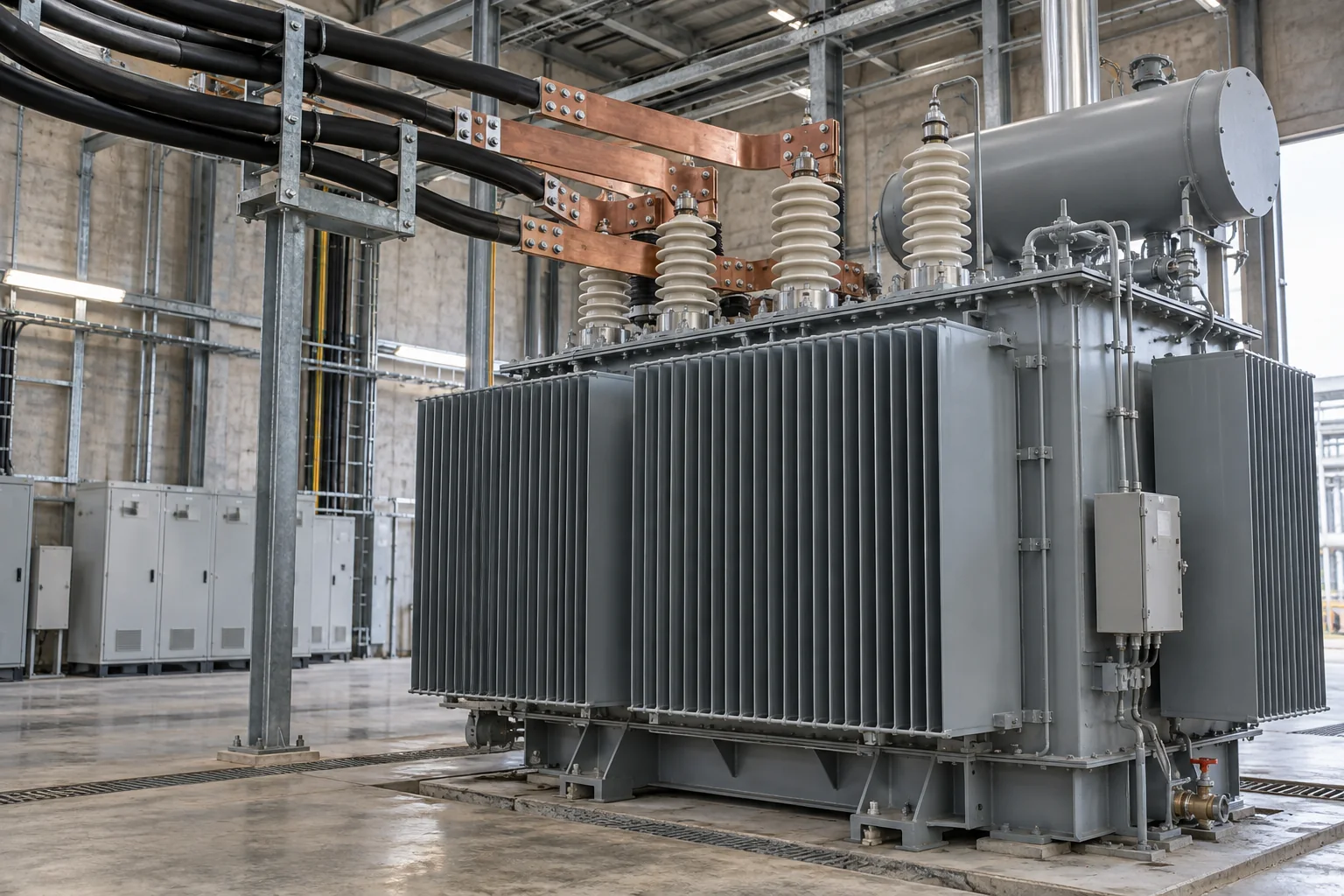
Helical Fusion and Fuji Electric announced a capital and business alliance on October 8, 2026, with Fuji Electric joining the Helix Program as an official partner. The Japanese companies already had a 2025 agreement covering power supplies for high-temperature superconducting magnets. The new relationship extends their cooperation into technical and business development. Joint announcement.
For overseas companies evaluating Japan's fusion supply chain, the progression is instructive. Participation can begin with a defined equipment requirement and develop into earlier involvement in system planning. It does not require every partner to become a reactor developer, but it can involve more than delivering a product against a fixed specification.
The starting point: power for superconducting magnets
Helical Fusion's September 30, 2025 announcement described a contract with Fuji Electric for power supplies and related equipment for Helix HARUKA, its demonstration device, with potential use in Helix KANATA, its planned first power-generating unit, also in view. Original supply announcement.
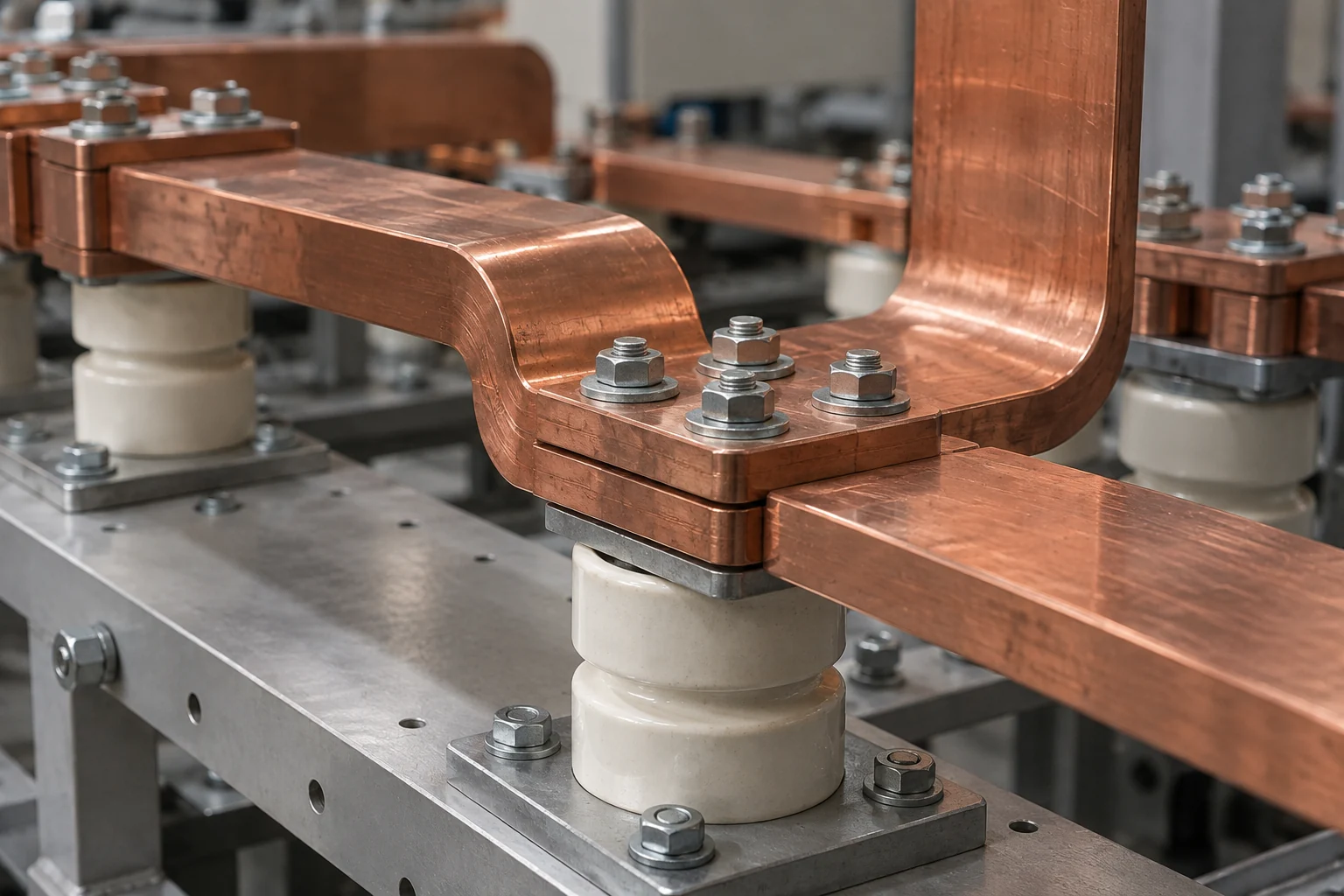
The company identified stable low-voltage, high-current supply and rapid, accurate current control as requirements for the magnets. Superconducting coils still need an electrical system to establish and control their operating currents. And “high-temperature superconducting” describes a material class relative to conventional low-temperature superconductors; it does not mean room-temperature operation.
The 2025 agreement establishes the procurement relationship's starting point. It should not be read as evidence that all equipment has been delivered or that either device has generated electricity. Those outcomes require their own evidence.
What official-partner status adds
Helical Fusion's partner framework defines official partners as organizations combining technical or business cooperation with a capital relationship above a specified threshold. For an international reader, the Japanese expression “capital and business alliance” is therefore best understood as linking investment and operating cooperation. It is not simply a sponsorship label.
The joint release says Fuji Electric will participate in concrete technical and business-development discussions concerning HARUKA and KANATA. Fuji Electric is an established Japanese electrical-equipment company with energy and industrial-system experience; its involvement provides a point of contact between specialized fusion development and broader power-system engineering.
The announcement does not disclose the individual investment amount, an allocation of all plant-equipment orders or future contract revenue. Equity participation must not be treated as a whole-plant supply award. Likewise, an official partnership does not establish exclusivity unless the parties say so.
Demonstration and power generation are different milestones
In its October announcement, Helical Fusion set out a plan to demonstrate major component technologies individually by around the end of the 2020s, then pursue integrated demonstration with HARUKA and practical electricity generation with KANATA during the 2030s. It also reported manufacturing and construction work for HARUKA's superconducting-magnet demonstration in dedicated space at the National Institute for Fusion Science (NIFS). Company development plan.
These are company-reported progress and targets. Construction, integrated testing and exporting net electricity are distinct stages. Development on a national research institute's site does not itself constitute independent validation of every performance claim associated with the private project.
The distinction also matters commercially. A supplier may complete useful development work well before a generating plant is available. Investors and potential partners should evaluate that work against its agreed technical milestone rather than assuming that all value depends on, or proves, a completed power station.
How suppliers can enter a joint-development relationship
Our assessment is that a potential partner should describe both the equipment it can supply and the design decisions it can help resolve. Around a magnet power supply, those decisions may involve electrical interfaces, cooling, instrumentation and access for maintenance. Experience from existing energy infrastructure can be relevant to how an integrated system is operated and serviced.
A practical first discussion would distinguish standard products from components requiring prototypes. It would identify the next performance question, the equipment needed to test it, who pays for the test and how specification changes will be handled. Partners should also establish whether results can be reused elsewhere and how work is divided if the wider program changes schedule.
These are editorial suggestions for structuring collaboration, not reported provisions of the Fuji Electric agreement. Their purpose is to make the boundary between a supply contract, a development commitment and a possible future order explicit.
The news is the deepening of an industrial relationship that began with a specific power-supply requirement. The next useful evidence will be the equipment and tests that emerge from the alliance, and the measured results associated with each development stage.
Sources & verification
- Fuji Electric and Helical Fusion: joint capital and business alliance announcement (October 8, 2026)
- Helical Fusion: magnet power-supply contract with Fuji Electric (September 30, 2025)
- Helical Fusion: official-partner framework (undated page)
- Helical Fusion: capital and business alliance and development plan (October 2026)
Information verified: 2026-10-13
All four primary sources read on October 18, 2026. The announcement date is anchored to the October 8 joint PDF; the Helical Fusion web page displays a relative date. The 2025 supply agreement is separate from the 2026 capital/business alliance. Construction progress and 2030s objectives are company statements, not independent verification or delivered electricity. The investment amount and future orders are not disclosed in the reviewed alliance release. Supplier guidance is editorial analysis.
Saved to the same reader account as the Japanese edition. Sign-in and saved-item screens use a Japanese interface.