America places a large order, Europe plans a factory: the geopolitics of fusion superconductors
CFS's tape order and Proxima's European manufacturing proposal both involve Fujikura. Their contrast reveals the difference between securing material and locating the capabilities and risks of making it.
Read the Japanese original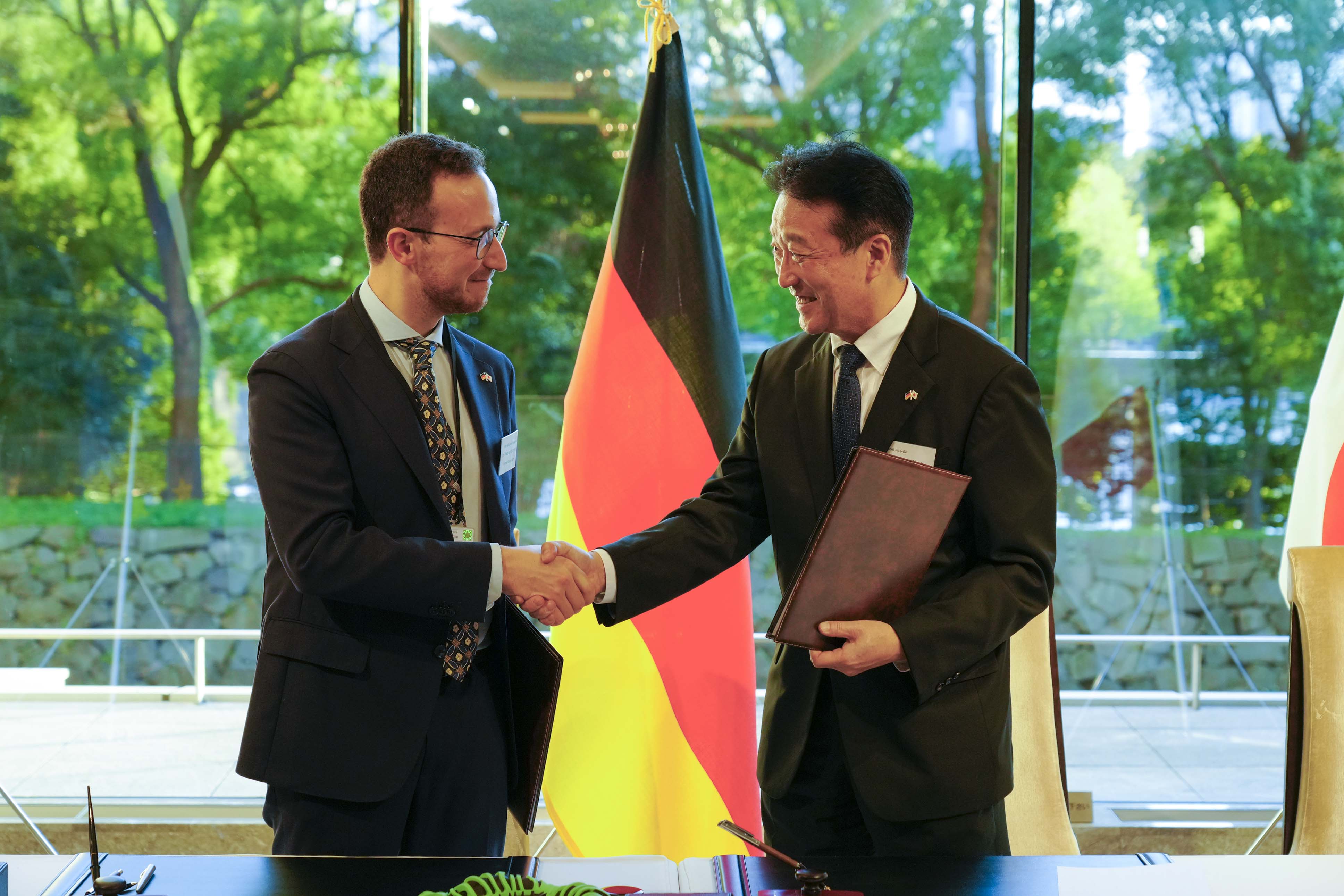
An American fusion developer is buying more than 10,000 kilometres of superconducting tape from Japan. A German developer wants to establish a European plant to make the material. Both need powerful magnets, but their agreements address different problems: securing a product and putting manufacturing capability in a region. Fujikura appears in both stories.
A 10,000-kilometre order moves ahead of the power plant
Commonwealth Fusion Systems (CFS) and Fujikura announced a long-term supply agreement on 30 September 2026 for more than 10,000 kilometres of high-temperature superconducting tape, intended for CFS's ARC power plants. Fujikura announcement
The striking point is not simply the length. A developer is ordering large quantities of material before its fusion power plants begin selling electricity. CFS describes the order as preparation for ARC following SPARC's intended achievement of an energy gain Q greater than one. An order is neither an operating power plant nor evidence that all the tape has been delivered. CFS announcement
For a manufacturer, however, there is a considerable distance between expected demand and a signed supply agreement. Expanding a factory takes equipment, trained people and consistent production quality. Waiting for a power plant to succeed could mean that the material arrives too late. This agreement can be read as a concrete quantity attached to a decision about how far buyer and supplier should prepare for a market still ahead of them.
The public announcements do not disclose the contract price or detailed delivery terms. Order volume cannot simply be converted into revenue or profit.
Germany wants more than deliveries
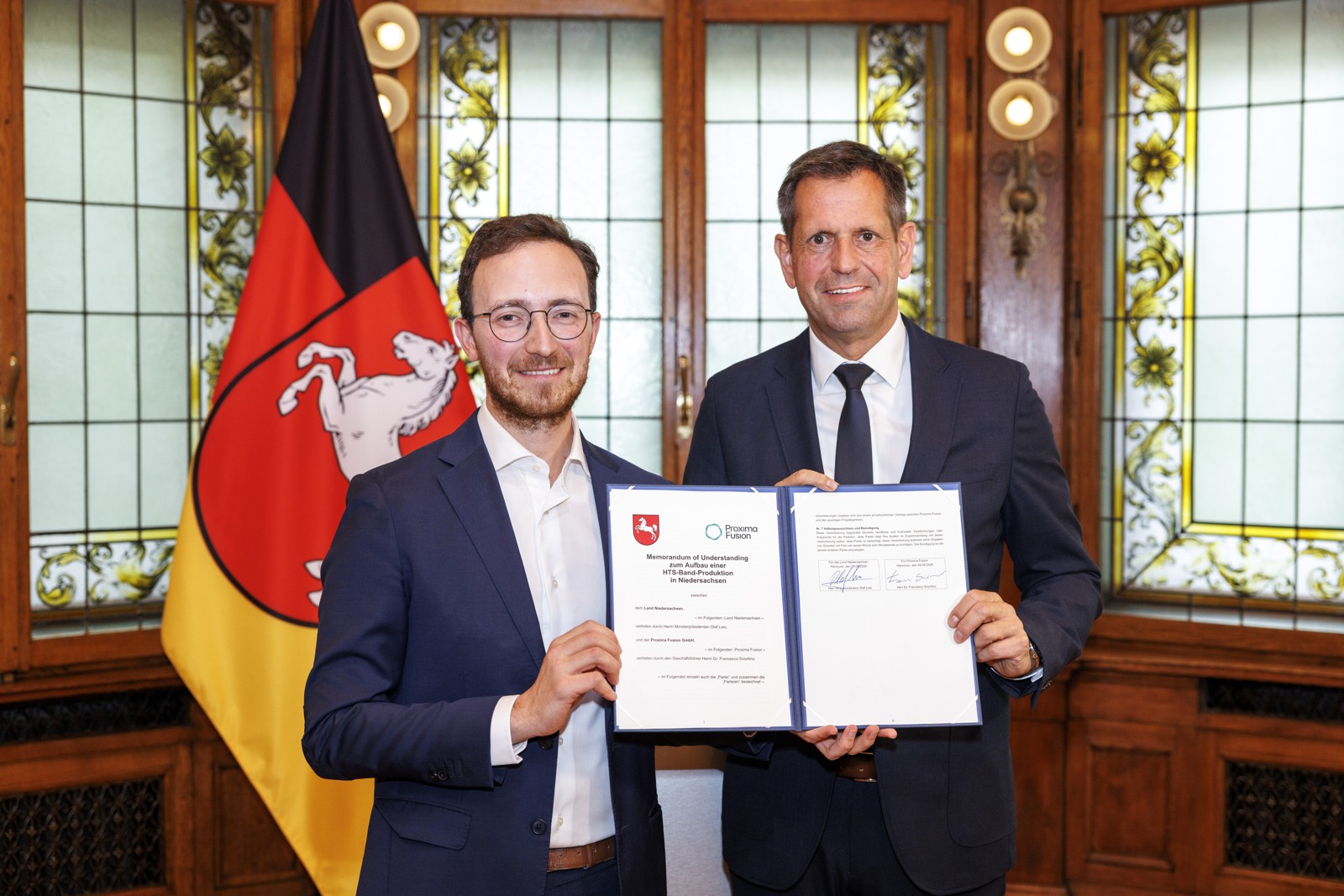
The memorandum signed by Proxima Fusion and Lower Saxony on 9 September addresses another question: where should the manufacturing capability reside?
The proposal envisages around €140 million for the first two phases through the end of 2029, split equally between public and private funding. It establishes a framework for developing a project, rather than reporting a completed, operating factory. Proxima and Lower Saxony announcement
A factory can accumulate more than equipment. It can build production experience, skills, quality-control capabilities and business for nearby suppliers. Scientific strength in fusion does not automatically become industrial strength. Even when reactors are assembled in Europe, dependence on manufacturing capability elsewhere limits how much of the supply decision can be made locally.
The geopolitics here is not just a map of allies and rivals. It is also a question of where the knowledge, employment and value created in building power plants will remain.
Fujikura is part of that European plan, too
It would be too simple to say that America buys from Japan while Europe excludes Japan in pursuit of self-sufficiency.
On 28 October, Proxima and Fujikura signed a memorandum to explore a German HTS manufacturing and supply platform. Fujikura announced it the following day. The work covers technical, commercial and economic feasibility. Proxima announcement / Fujikura announcement
The same Japanese company is a large-volume supplier to an American developer and a partner in assessing European production. Strengthening a regional supply chain can coexist with bringing in manufacturing expertise from abroad. Japanese industry need not participate solely by exporting finished material from Japan.
The memorandum does not establish a factory's ownership structure, profit-sharing arrangements or the scope of any technology transfer. Those details depend on subsequent agreements.
Japan's position in this story is nevertheless interesting. It is not merely watching a transatlantic race. Companies with manufacturing capabilities needed by competing reactor developers have scope to work across regions.
Large numbers need different yardsticks
Proxima anticipates needing approximately 20,000 kilometres for its Alpha demonstrator and 40,000 kilometres for the planned Stellaris power plant. These are estimates based on future plans, not confirmed orders to Fujikura. Fujikura's explanation
Putting those figures beside CFS's order does not establish that Europe has the larger market. Contracted quantities and design requirements describe different stages. The machines, designs and supply periods are not matched.
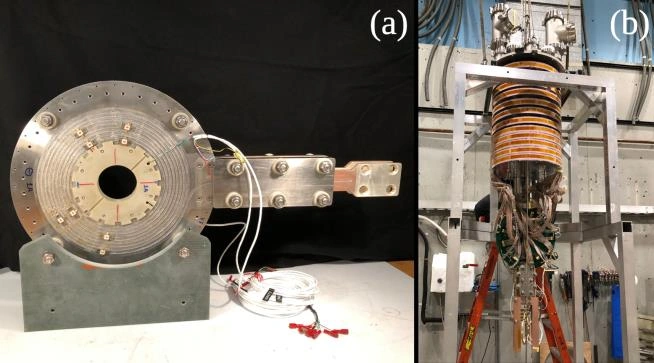
Nor does obtaining tape produce a finished magnet. Conductors must be assembled, wound and cooled, with structures that withstand powerful forces. MIT and CFS's 2021 large-magnet tests illustrate the work of turning a material's performance into a working magnet. The design, manufacturing and testing reports described in 2024 concern magnet validation, not demonstrated electricity generation. MIT research account
The useful question goes beyond kilometres: what material, qualified for which operating conditions, can be delivered reliably, in what quantities and when?
Who carries the risk of building the factory first?
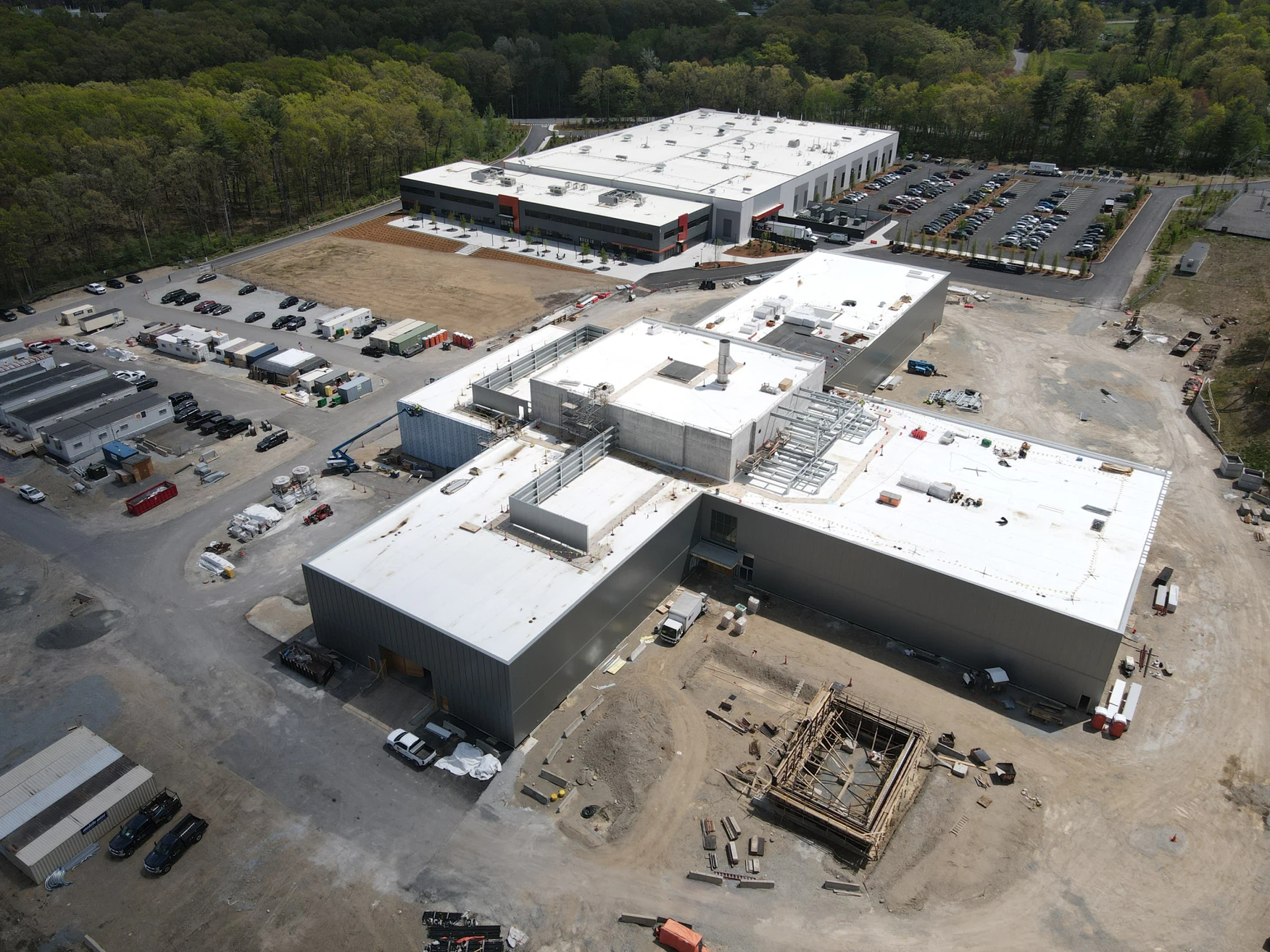
In February 2026, Fujikura announced a ¥5.6 billion capacity investment, following an approximately ¥6 billion expansion already under way. Capacity-building preceded the autumn agreements discussed here. Fujikura capacity announcement
That sequence exposes a difficult part of building a fusion industry.
If reactor demonstrations or construction slip, new manufacturing equipment could operate below expectations. If investment is too cautious, successful reactor development could encounter a shortage of material. Long-term contracts help make demand more visible. Proposals involving public funding also place a value on locating manufacturing capability in a region. Neither removes uncertainty, but they change who carries it and at which stage.
Watching only the race to first electricity makes this earlier work easy to miss. Materials manufacturers do not arrive after power plants are finished. Their ability to produce at a particular time, place and scale shapes the developers' options.
A strip of superconducting tape connects the American order with the European factory proposal. The next evidence to watch is not only an impressive rendering of a future reactor. It is a firm investment decision, a production line entering service and a product accepted by its customer.
- Fujikura: long-term supply agreement with CFS
- CFS: Fujikura supply agreement
- Proxima: memorandum with Lower Saxony
- Proxima: memorandum with Fujikura
- Fujikura: memorandum with Proxima
- Fujikura: capacity investment
- MIT: magnet tests and research papers
- Creely et al., SPARC as a platform to advance tokamak science (2023), Fig. 2–3
- Hartwig et al., The SPARC Toroidal Field Model Coil Program, arXiv v1 (2023), Fig. 3
Information checked as of:2026-11-12
Industry analysis based on announced contracts and plans