Making gold does not make a profit
CERN produced 86 billion gold nuclei—just 29 picograms. Production is not recovery, and the cost of a research facility is not the unit cost of a gold factory.
Read the Japanese original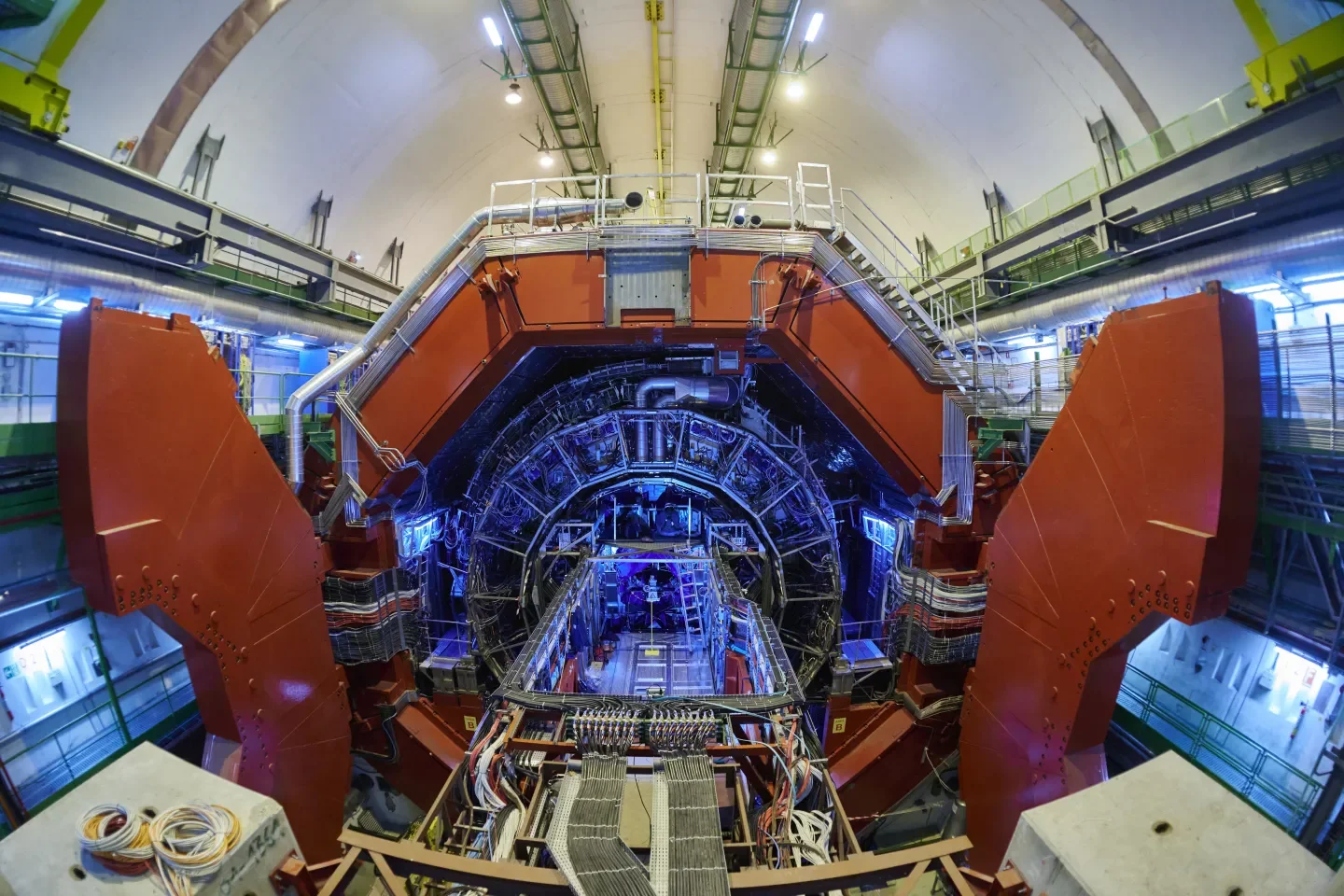
Even 86 billion gold nuclei do not make a visible speck, let alone a ring. At CERN's Large Hadron Collider (LHC), lead became gold. Yet that gold cannot be sold. Small quantities are only part of the problem. What stands between making something and making a business out of it?
Removing three protons from lead
An element's identity is determined by the number of protons in its nucleus: 82 for lead, 79 for gold. Treating lead with chemicals does not change that number.
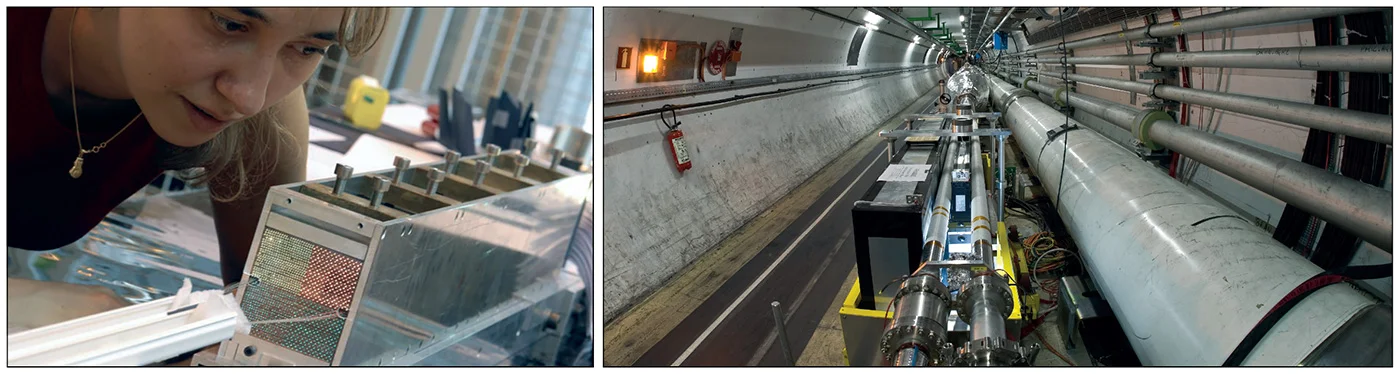
In a paper published on 7 May 2025, the ALICE collaboration investigated electromagnetic interactions as lead nuclei narrowly passed one another. Using detectors called ZDCs to measure the ejected protons and neutrons, the researchers identified reactions in which three protons were lost. This was not an experiment in extracting and weighing a lump of gold.
86 billion nuclei, yet barely one 34.5-billionth of a gram
According to CERN's announcement, about 86 billion gold nuclei were produced across the four major experiments during the 2015–2018 run. Their mass amounted to 29 picograms, or 0.000000000029 grams. Reaching one gram would require roughly 34.5 billion times that mass. This is FI's simple mass comparison, not a forecast of future production capacity.
The gold also continues travelling at high speed, hits downstream beam pipes or other components, and fragments into other particles. The amount produced is therefore not the amount that can be recovered as a product.
A giant research facility is not a dedicated gold factory
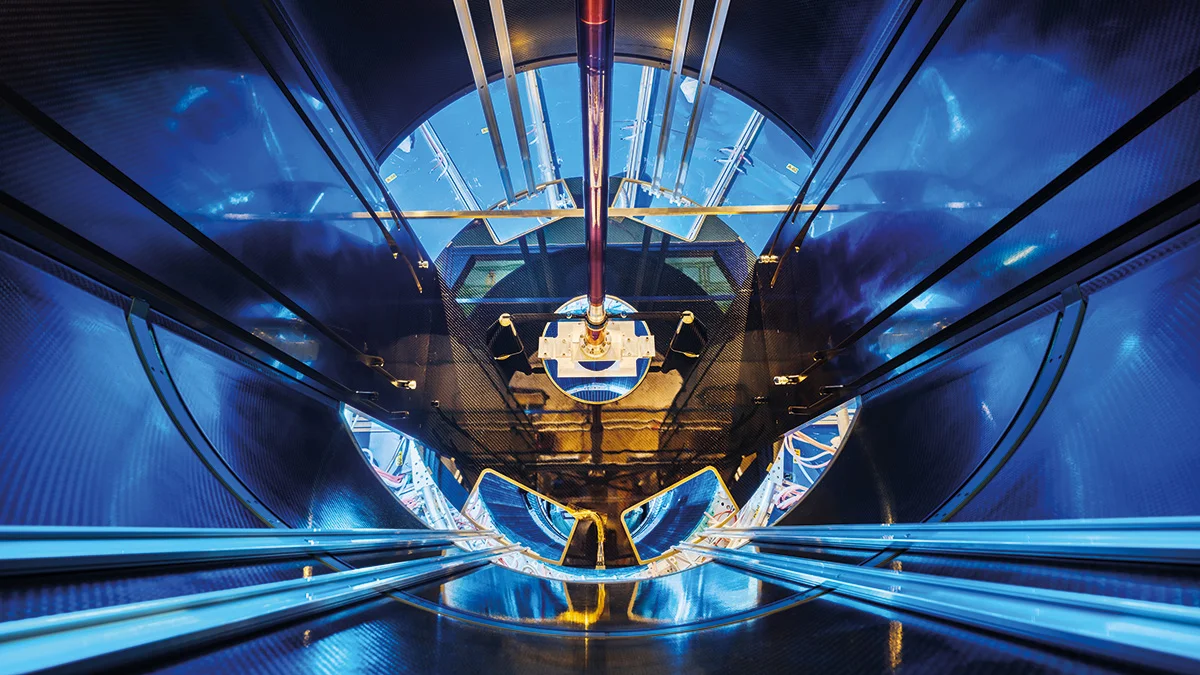
The official LHC description gives the construction cost of the accelerator and its associated areas as CHF 3.756 billion. That figure includes research and development, injectors and tests, among other items. It is not the cost of a facility dedicated to making gold. Dividing it by 29 picograms would not yield a meaningful manufacturing cost per gram of gold.
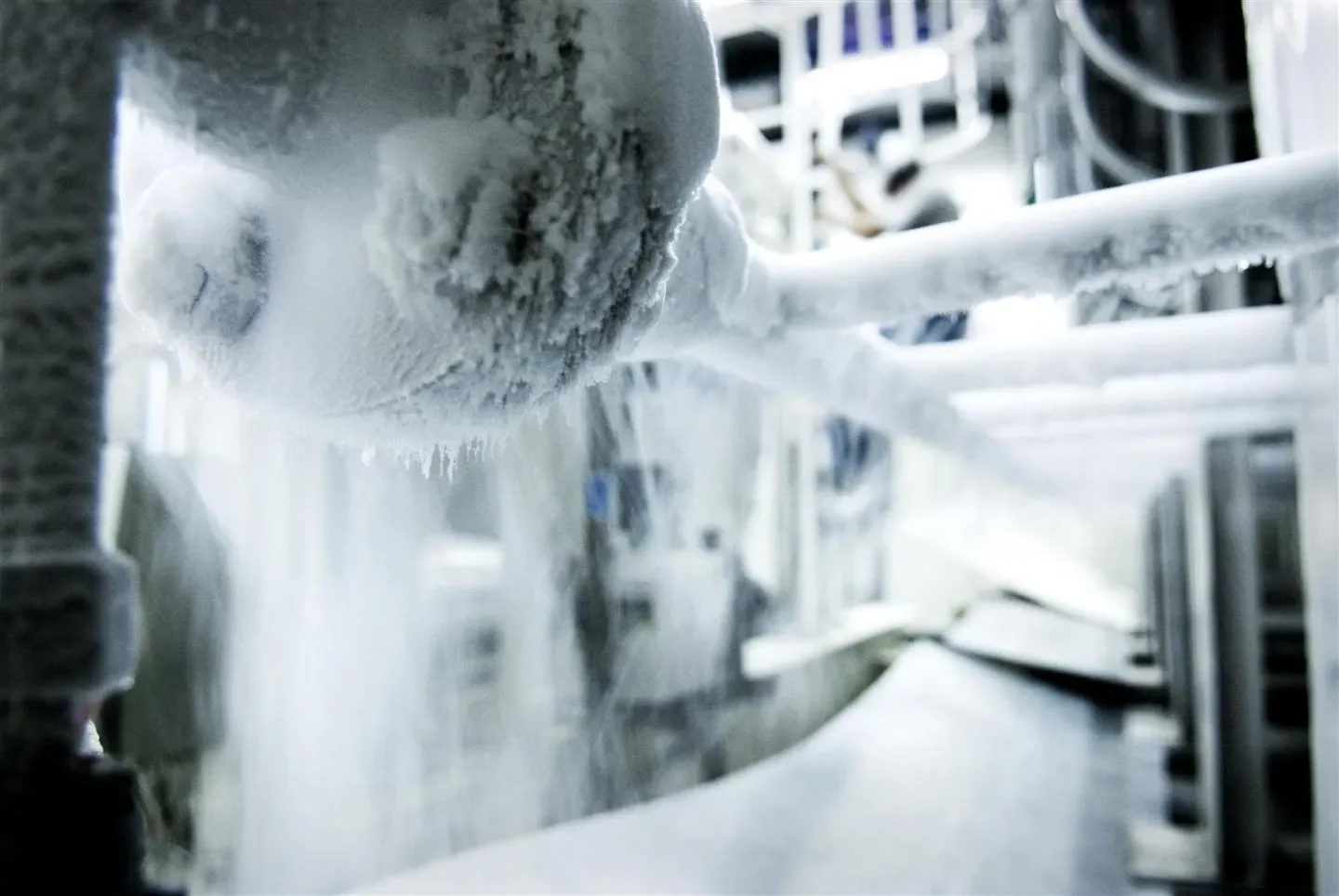
The infrastructure demands are nevertheless tangible. The LHC uses superconducting magnets and a cryogenic system that cools its main magnets to 1.9 K. It is far from a small machine into which raw material goes and gold comes out.
The value lies elsewhere
Writing in CERN Courier, accelerator physicist John Jowett notes that the isotopically enriched lead used in the ion source costs more than the same weight of gold. Even the starting assumption—turning cheap lead into expensive gold—is misleading here.
The research helps explain where beams are deflected and lost when their nuclei change. Producing a desired element in a nuclear reaction and recovering it for sale are separate processes. A machine capable of making gold is not necessarily a factory that sells it. That gap is what makes the business implications of a scientific result worth examining.
- ALICE paper (7 May 2025)
- CERN | ALICE detects the conversion of lead into gold
- John Jowett | Alchemy by pure light
- CERN | Large Hadron Collider
- CERN | Cryogenics
Information checked as of:2026-11-15
An explainer based on the 2025 paper and CERN's announcement. Production is not recovered output; construction costs are not costs dedicated to gold manufacturing.