What does a fusion power purchase agreement promise? Reading the Google and Microsoft examples
Google's 200 MW and 50 MW for Microsoft identify future buyers, not present generation or revenue. Comparing historical announcements and current plans helps distinguish contracts, investment and delivery, MW from MWh, and startup from full output.
Read the Japanese original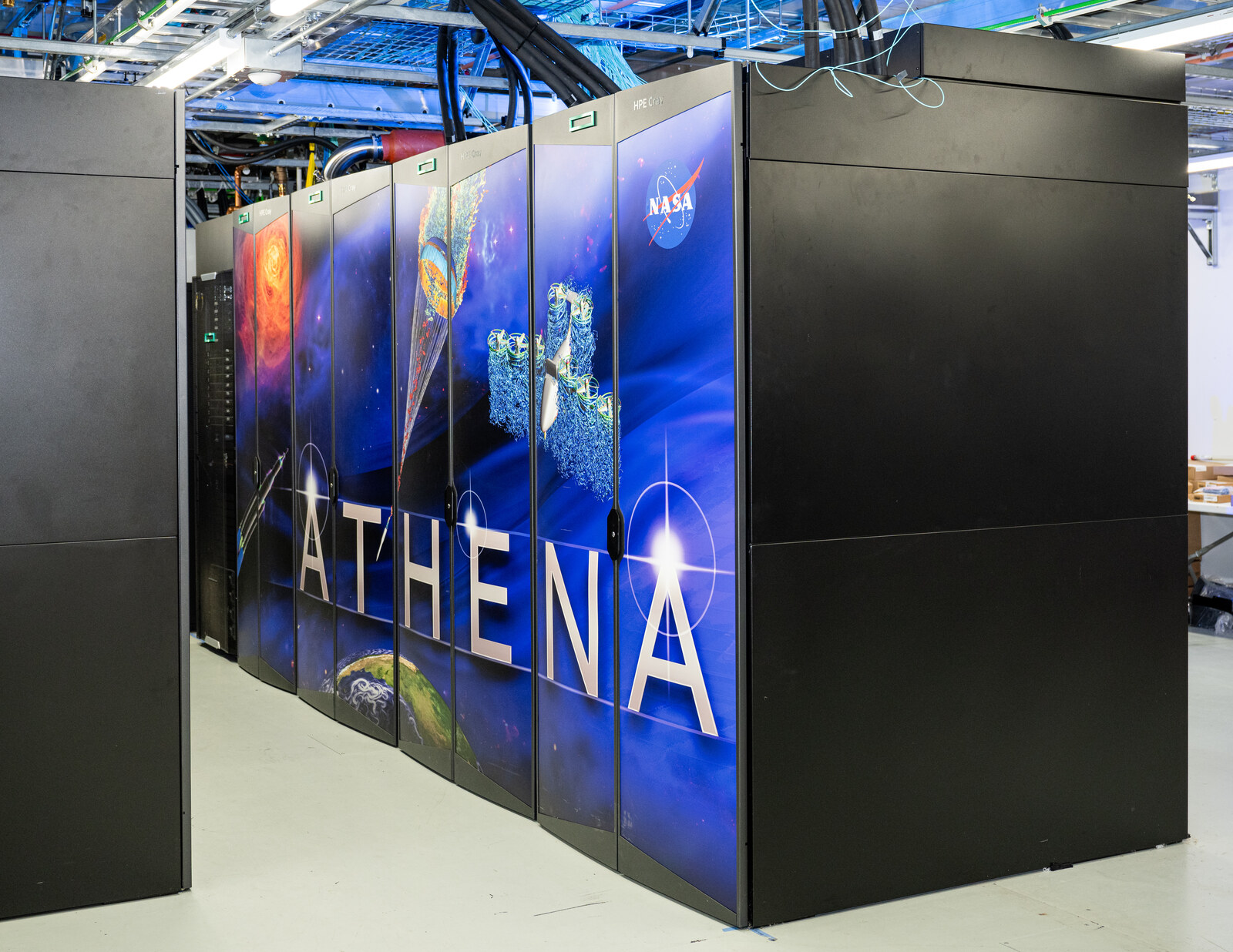
A PPA identifies a buyer for future electricity
Hearing that a fusion company has signed a power purchase agreement may suggest it is already generating and selling electricity. For a plant under development, however, the contract is a commercial commitment toward future supply. Its existence does not establish current generation or revenue.
PPA stands for Power Purchase Agreement. It specifies who buys electricity from which facility and under what conditions. Price, duration, conditions for supply to begin and treatment of delays vary between contracts, and much may not be disclosed publicly.
Alongside technical demonstrations and power plant construction, fusion developers are working to secure electricity customers. The published Google–Commonwealth Fusion Systems (CFS) and Microsoft–Helion examples help explain what that means. This is a business explainer reviewing historical contract announcements and current plans, not breaking news of a new agreement.
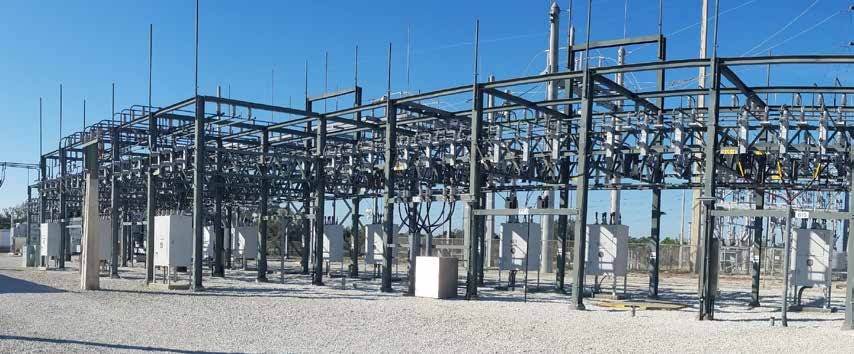
The headline photograph shows NASA computing equipment as an example of electricity-consuming infrastructure. Photographs of metering, grid research equipment and a substation illustrate work outside the power plant. None shows CFS or Helion equipment or facilities belonging to the customers in these agreements.
Google's 200 MW is linked to ARC's plans
On June 30, 2025, Google announced an agreement to purchase 200 megawatts (MW) from CFS's first commercial power plant, planned for Chesterfield, Virginia. CFS's announcement that day identified the plant as ARC and anticipated electricity delivery to the grid in the early 2030s.
CFS stated that the plant was planned to produce approximately 400 MW of net electrical output, with Google's agreement representing half of that. The current ARC introduction also describes approximately 400 MW and an early-2030s plan. The 400 MW is the planned plant output, while 200 MW is the announced purchase agreement's scale. Neither is an amount of energy already delivered to users.
CFS connects its explanation of the agreement with the preceding SPARC demonstration machine's aim of achieving fusion energy gain Q greater than one. Achieving Q and producing saleable electricity after subtracting the entire plant's electricity consumption involve different accounting boundaries. Public explanations also should not be used to assert detailed activation conditions in a private contract.
Google itself says commercializing fusion is difficult and success is not guaranteed. Recognize the significance of a buyer participating without treating it as proof that technical development is complete.
Sources: Google's announcement, CFS's contract announcement, current ARC plans
The 50 MW for Microsoft includes a ramp-up period
On May 10, 2023, Helion announced an agreement to supply Microsoft from its first fusion power plant. The explanation at the time anticipated operation in 2028 and targeted at least 50 MW after a one-year ramp-up period. Reducing this to “continuous 50 MW supply is confirmed from the start of 2028” erases the distinction between stages.
The announcement stated that Constellation would act as power marketer and manage transmission. The supply arrangements do not consist solely of the generating company and the electricity user.
Helion's Orion page viewed on October 18, 2026 describes construction in Chelan County, Washington, initial operation in 2028 and a design of at least 50 MW. This describes the company's plans and must be distinguished from confirmation of operating startup or actual supply.
Sources: Helion's 2023 contract announcement, current Orion plans
Read contracts, investment and generation separately
Alongside its purchase agreement, Google announced additional investment in CFS and referred to options to purchase electricity from future plants. These have different meanings even when presented in the same announcement.
A purchase agreement concerns electricity transactions; investment provides capital to the company; an option for future purchases represents possible additional transactions. An option cannot be reinterpreted as a confirmed order for all future output. CFS has not disclosed the financial terms.
From a business perspective, involving customers during development can help specify required supply scale and timing. This is editorial analysis based on the public examples. It does not justify concluding that a contract secures all construction funding, guarantees financing or ensures profitability. Raising funds, completing equipment, commissioning and delivering electricity are separate events to verify.
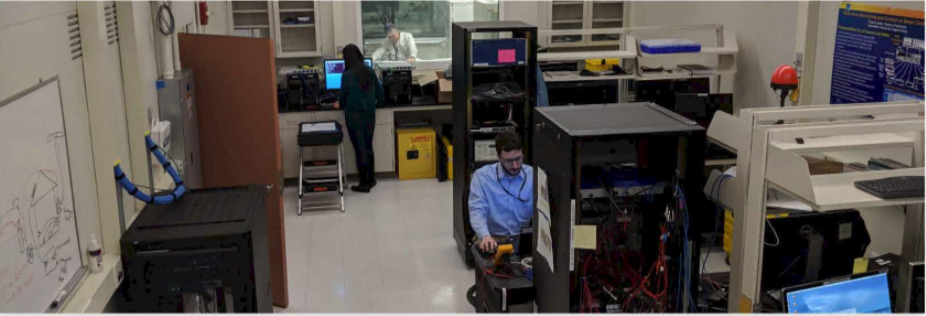
The photograph of the US National Institute of Standards and Technology (NIST) Smart Grid Testbed likewise shows one place for testing grid-related technologies. It is not evidence of achieved fusion generation, but illustrates that performance verification exists separately from contractual commitments.
MW alone does not reveal revenue or annual delivery
MW measures power at a particular moment. Megawatt-hours (MWh) measure energy used or delivered over time. The US Energy Information Administration (EIA) likewise explains energy by combining power and time.
For example, supplying a constant 200 MW for one hour at a delivery point yields 200 MWh. This is an illustration of units, not electricity actually supplied under Google's agreement. Downtime, ramp-up output, electricity consumed within the plant and the delivery point all affect saleable energy.
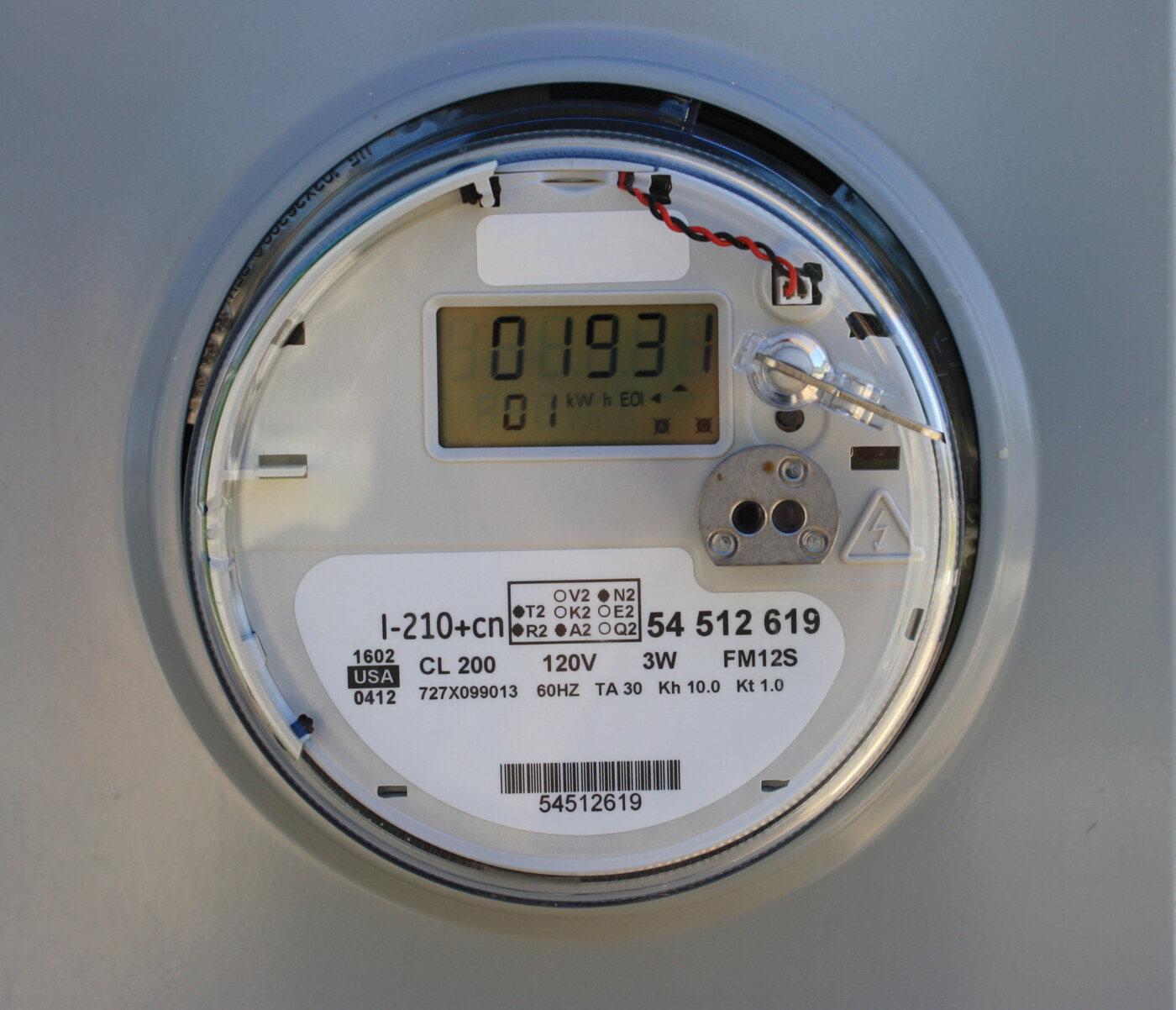
The household smart meter shown is a familiar example of energy measurement. It is not the actual metering installation at a large PPA's delivery point.
Estimating revenue additionally requires prices and settlement conditions. Multiplying announced MW by an arbitrary price and annual operating hours and presenting the result as “contract revenue” is inappropriate. Comparing 200 MW with 50 MW also cannot rank business prospects without aligning development stages and operating conditions.
Source: EIA: measuring electricity
Work outside the plant is also needed to deliver electricity
Electricity users need more than a completed generating facility: they need power at the required place and time. The full supply arrangement includes grid connection, metering and operational coordination.
The US Department of Energy's guidance on electricity contracts for federal sites describes examining location, annual, peak and average demand, and grid connection costs and schedules. It concerns US federal facilities, not conditions in individual fusion contracts. Nevertheless, it helps show why a procurement decision requires more than the name of an energy source.
Companies seeking connections to fusion can broaden their perspective beyond what they can sell to a reactor developer by considering the work needed to make supply possible. Measurement, electrical equipment, controls and coordination with demand are among the issues. These examples explain the business structure, not current vacancies for suppliers or a confirmed market size.
Source: US Department of Energy: federal site electricity contracts
Four things to check in the next announcement
When reading a PPA follow-up, ask four questions.
- Is the subject a contract, investment, construction, commissioning or electricity delivery?
- Is the power figure a design rating, contracted amount or measured result?
- Are the target for starting supply and the date for reaching the required output explained separately?
- Which conditions, such as price, duration and treatment of delays, remain undisclosed?
Customer participation is an important step connecting fusion R&D to the electricity business. Its value becomes clearer by identifying the next milestones to verify rather than speaking as though future achievements have already happened.
- Google: PPA and additional investment announcement
- CFS: strategic partnership with Google
- CFS: current ARC plans
- Helion: power purchase agreement with Microsoft
- Helion: current Orion plans
- EIA: measuring electricity
- US Department of Energy: federal site electricity contracts
Information checked as of:2026-10-18
Business explainer. Official public material rechecked at 2026-10-18T02:10:46Z. Google/CFS announced the agreement and additional investment on June 30, 2025; Helion/Microsoft announced their agreement on May 10, 2023. Actual signature dates are unconfirmed and not equated with announcement dates. ARC in the early 2030s and Orion initial operation in 2028 are company plans, not generation or delivery achievements. The 2023 announcement's at-least-50-MW figure is a target after a one-year ramp-up. No contract price, duration or delay terms are inferred; no revenue, purchase history or investment conclusion is asserted. Update dates of the current ARC and Orion pages are unknown. EIA provides government guidance on units; DOE describes federal-site procurement, not individual PPA terms. Business interpretation is editorial analysis. Four photographs show related NASA/NIST facilities, not facilities of the contracting parties. Original URLs, rights evidence, check times, processing, hashes and other canonical metadata are stored in the official-photo store.