Fusion companies enter semiconductor support program: the technology for controlling electricity behind a new US announcement
The US Commerce Department announced R&D letters of intent with four companies, including CFS and Helion. Funding has not yet been fully awarded. Semiconductors for heating, power control and diagnostics reveal connections between fusion and manufacturing.
Read the Japanese originalAnnouncement date:2026-10-22
Why are fusion companies appearing in a semiconductor support program? The US Commerce Department's October 22 announcement of letters of intent for semiconductor R&D under the CHIPS and Science Act offers a way to see fusion not only as a potential future large-scale electricity supplier but as a field developing components for precise power handling.
Four companies are covered, with support totaling up to $389 million. They include fusion developers Helion and Commonwealth Fusion Systems (CFS). This is not, however, an announcement that final awards or payments have been completed. The news should be read by separating what the technology does from the stage of the funding process.
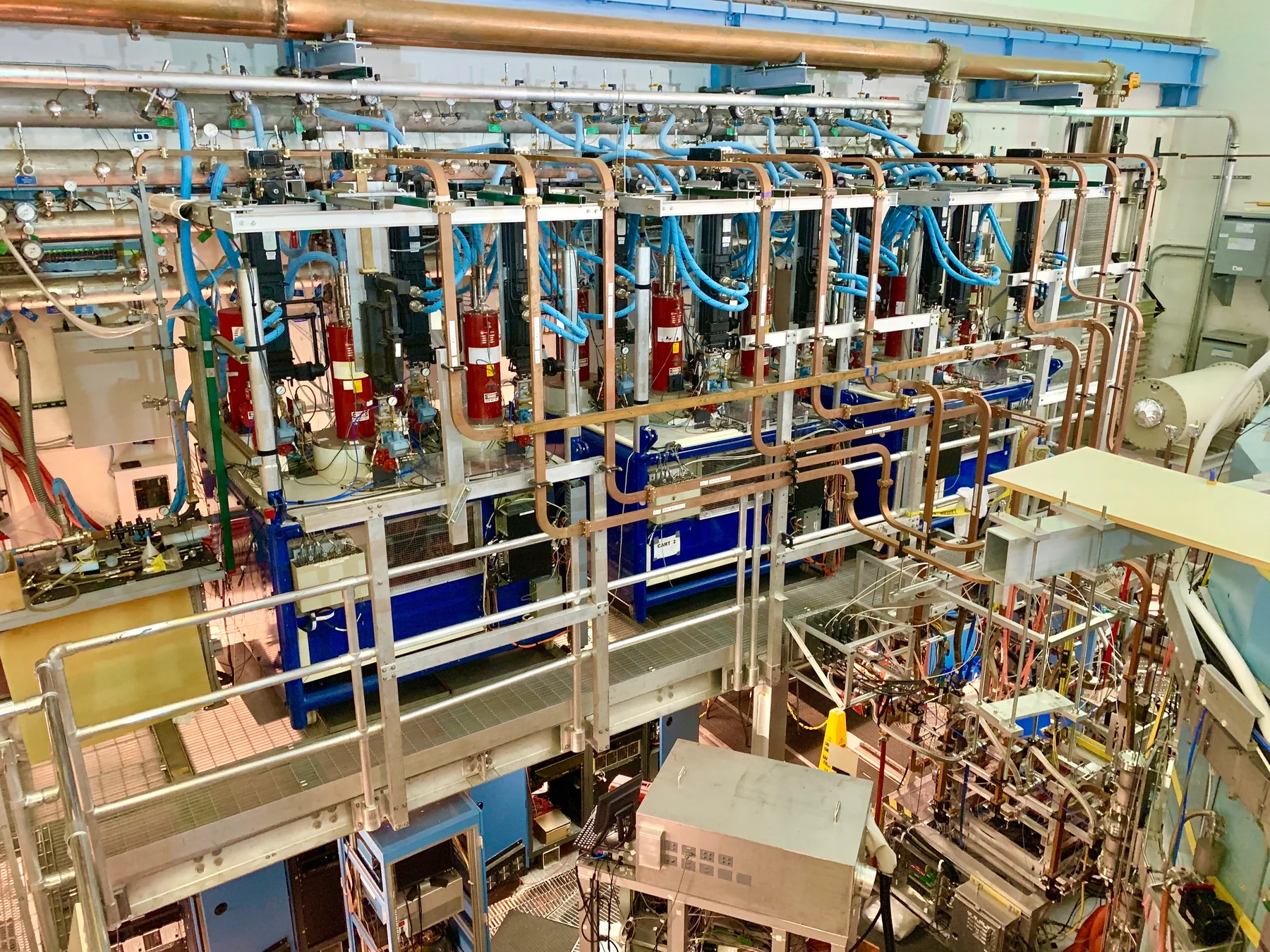
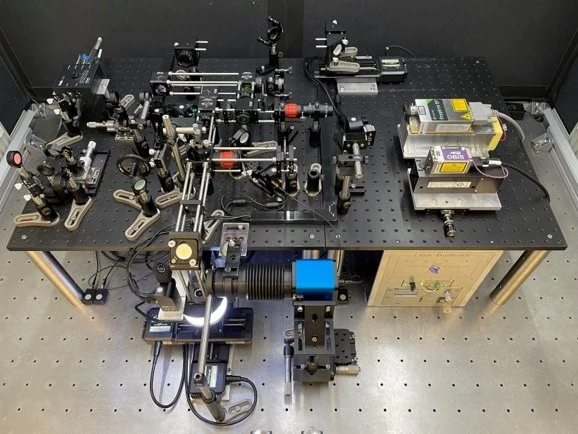
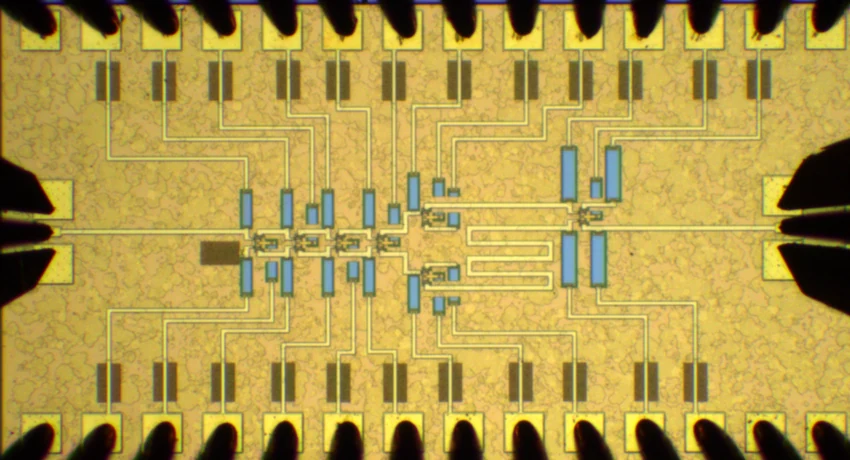
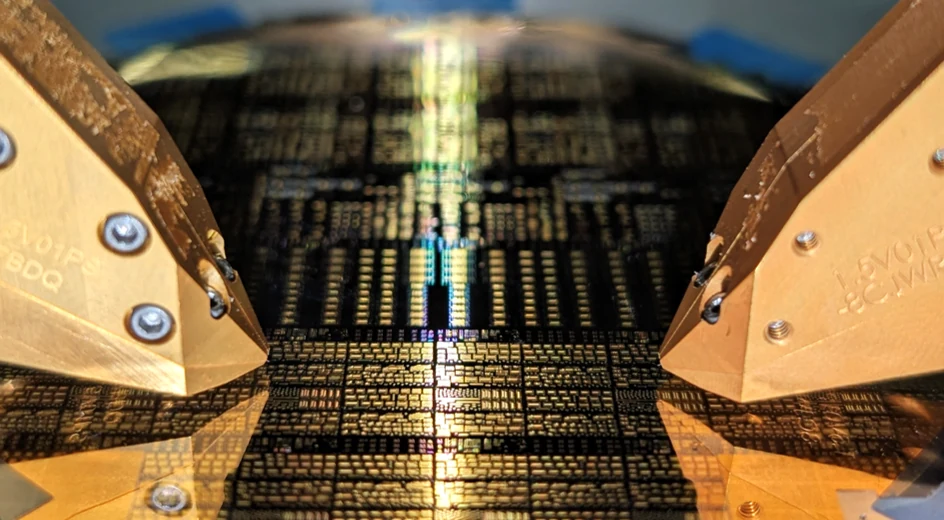
The photographs are reference material illustrating related technologies, not results achieved with this support.
Semiconductors do more than compute
Semiconductors often bring to mind AI computing chips or the brains of smartphones. Switching electrical flows and converting them into useful voltages and waveforms are also important functions. Technologies performing this power control and conversion are called power electronics.
The US Department of Energy describes applications ranging from familiar chargers to the electricity grid. Electricity arriving at equipment cannot necessarily be used unchanged. It may need conversion between alternating and direct current or delivery adjusted to the required conditions.
Fusion likewise needs precise power delivery for plasma heating equipment and magnet power supplies. The significant point in this announcement is not an abstract connection between semiconductor and fusion policy, but the identification of specific electronic components and systems for research.
Source: US Department of Energy: the role of power electronics
Helion and CFS target different technologies
According to the Commerce Department announcement published by NIST, Helion's proposed support is up to $175 million. It targets R&D on high-voltage power semiconductors and power modules for pulsed-power applications handling high peak currents, described as technologies for powering and controlling magnets and recovering energy.
CFS's proposed support is up to $85 million. The announcement identifies radio-frequency plasma heating, power control, embedded electronics for fusion diagnostics and radiation-tolerant electronics. Comparing the two amounts alone would overlook the different functions involved.
The other two companies are Vertical Semiconductor and Sibelco, targeting gallium nitride power semiconductors and high-purity quartz materials. Calling the entire four-company total support for fusion companies would be inaccurate. These figures are also upper limits for R&D support, not electricity output or the value of electricity sales contracts.
CFS identifies electronics for heating, control and maintenance
CFS's own announcement gives proposed R&D examples including next-generation radio-frequency power sources, fast embedded controllers for plasma and plant systems, and semiconductor technology for robotic maintenance.
Radio frequency describes rapidly oscillating electrical signals. Here it relates not only to communications but to delivering energy to plasma. An embedded controller is an electronic system within equipment that receives measurements and carries out specified actions.
These cannot all be grouped under one generic “chip.” Handling large power flows, reading small signals and determining action timing require different performance checks. The company's account describes the scope of electronics development needed for fusion, not evidence that new components have already been completed.
CFS also anticipates expanding suppliers and partners. That is the company's expectation, not confirmation of specific current orders or purchases from Japanese companies.
Separate “up to” an amount from money received
The current stage is a Letter of Intent, or LOI. The Commerce Department's official announcement states that final support would be conditional on acquiring a minority interest in each company. Those interests would be noncontrolling and nonvoting.
The announcement should therefore not be reduced to confirmed money with no repayment obligation, nor should the amounts automatically be added to companies' completed fundraising totals. Final agreements, execution of support and R&D results are separate events to verify. Undisclosed detailed conditions should not be inferred.
This news is neither proof that a power plant has begun operating nor a report of independent verification of semiconductor performance. Funding procedures and progress in performance, manufacturing and testing should be tracked separately.
For manufacturers, the entry point is what performance can be assured
The following is editorial analysis connecting the announcement to technical proposals. Telling a fusion company merely that a supplier works with semiconductors or supports high voltage does not clearly establish relevance to its tasks.
First distinguish the role: a power-switching component, packaging that cools and connects it, measurement-signal readout, or a control and testing system. Then ask under which conditions performance must be assured. Discussions may cover not only voltage and current but behavior over time, temperature, repetition and treatment of failures.
NIST's high-frequency electronics research treats component measurement, reduction of measurement uncertainty and comparison between models and hardware as connected challenges. This is separate from the new CFS proposal, but illustrates the work connecting a performance result with another party's ability to reproduce and evaluate it.
Source: NIST: high-frequency electronics research
For example, a good prototype result does not establish consistent performance across manufacturing variation or different operating conditions. A proposal that includes measurement conditions, calibration and evaluation models can explain value absent from a component specification sheet alone. These are questions to make technical discussions concrete, not procurement specifications announced in this program.
View fusion and semiconductors from both sides of the supply chain
For the semiconductor industry, fusion is more than a possible future electricity source. The letters of intent show that fusion development can also create new requirements for semiconductors and power modules.
In subsequent announcements, look for whether support reaches final agreement, which components are tested under which conditions, and what changes between prototypes and stable manufacturing. Following this connection without confusing funding scale with technical maturity makes work in the fusion industry more concrete.
- US Commerce Department: CHIPS R&D letters of intent with four companies (published by NIST)
- CFS: announcement of a semiconductor R&D support letter of intent
- US Department of Energy: the role of power electronics
- NIST: high-frequency electronics research
Information checked as of:2026-10-23
News and technology/business explainer. Commerce Department announcement dated October 22, 2026, with no time stated; actual LOI signature dates unconfirmed. CFS's page headline date is October 21 while its dateline is October 22, so the independent Commerce/NIST October 22 announcement establishes the news date. Distinguishes maximum support from final awards, payments and research results. Equity interests are minority, noncontrolling and nonvoting. CFS supply-chain expansion is a company expectation; technical discussion questions are editorial analysis, not procurement specifications. DOE's September 10, 2026 explanation and NIST high-frequency research are background, not results of this support. Public primary sources viewed October 22, 2026 at 19:59–20:03 UTC. Images are described in the source record as person-free photographic-style editorial illustrations, not proof of candidate recipients' actual equipment or results.