Why warm up a vacuum pump? How ITER keeps pumping
ITER’s cryopumps trap gas at extremely low temperatures and release it when warmed. Six pumps take turns serving the vacuum vessel, while a separate system insulates the magnets.
Read the Japanese original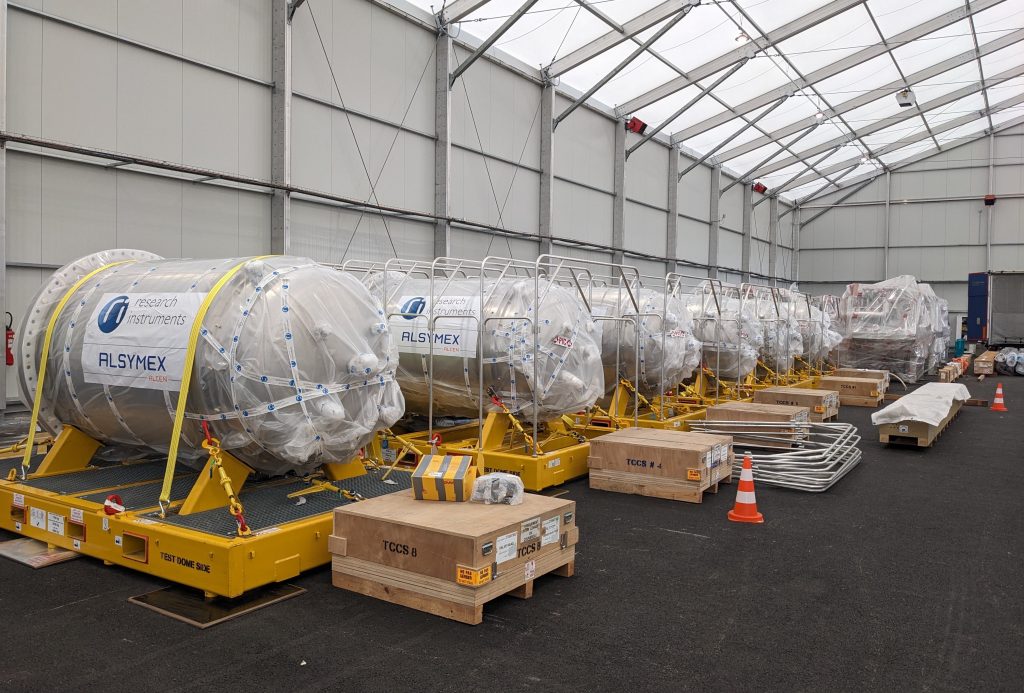
A cryopump works cold. To get the gas back out, engineers warm it up. At ITER, the fusion experiment under construction in France, six cryopumps are designed to serve the vessel that holds the plasma. Some keep pumping while others go offline. That break is when the work of recovering unburned fuel begins.
Pumping out the air once the vessel is sealed
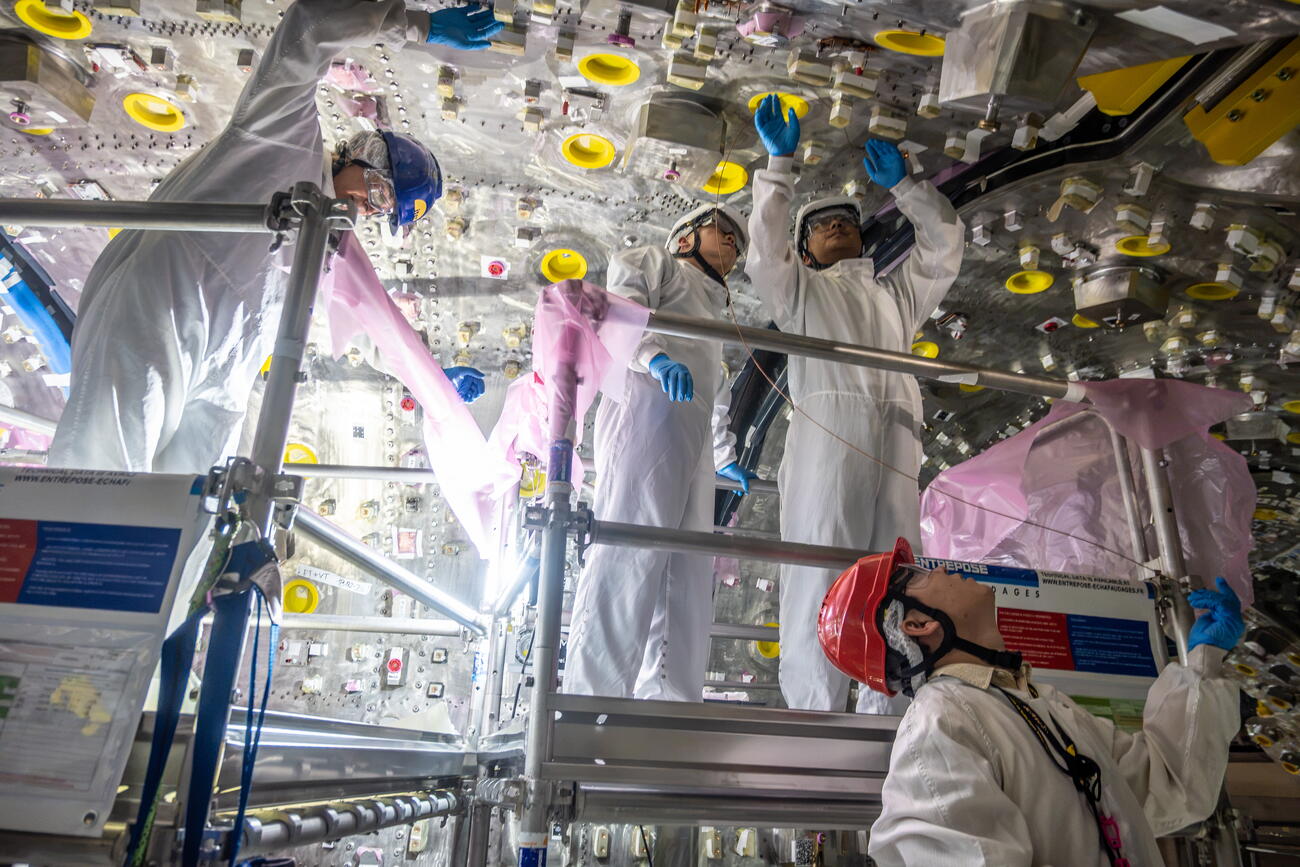
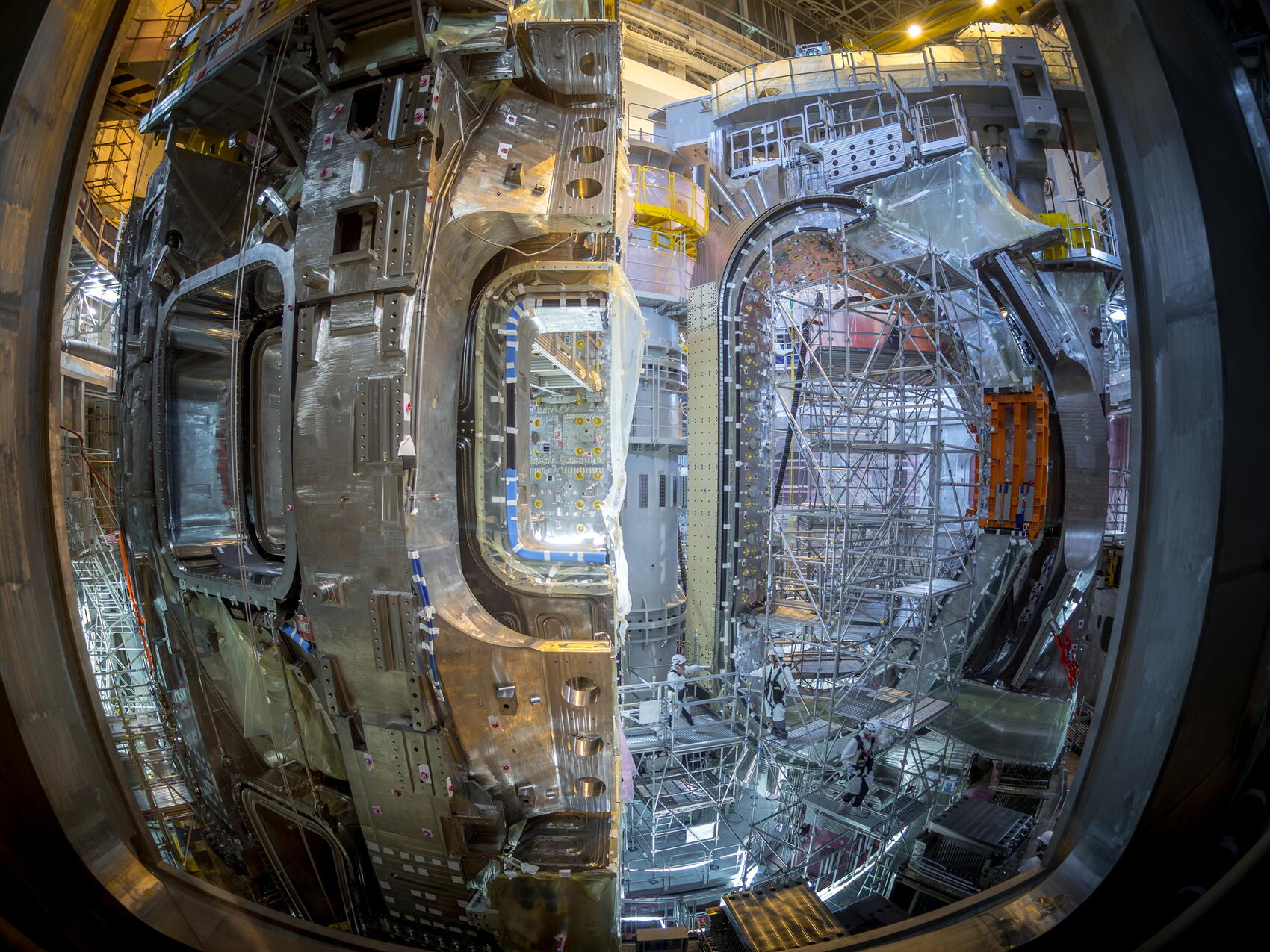
Once the tokamak vessel is sealed, the first job is to remove the air. ITER’s vacuum vessel has a volume of about 1,400 cubic metres. The ITER Organization estimates that the initial pump-down will take 24 to 48 hours using mechanical pumps and cryopumps. Assembling the vessel is one milestone. Commissioning will have to establish that a space that large can reach the required vacuum.
Pumping continues once the plasma is formed. Helium produced by fusion and fuel that has passed through without reacting have to be removed from the vessel. The gas being handled and the purpose of pumping both change once experiments begin.
Taking a gas-loaded pump offline
A cryopump traps gas on panels cooled to extremely low temperatures. ITER’s panels are coated with porous activated charcoal made from coconut shells. The microscopic pores inside the pump help remove helium from a vessel on the scale of a large building.
A panel can only hold so much gas. In ITER’s published design, valves isolate some of the six vessel pumps. The isolated pumps are warmed to release the captured gas, which another pump moves to the fuel processing plant. Once cooled again, they can return to service. This sequence is called regeneration. The remaining pumps stay connected to the vessel, so pumping can continue while one unit regenerates.
A separate vacuum protects the magnets
The cryostat surrounding the superconducting magnets has two dedicated pumps. Its vacuum reduces heat transfer from the outside to the magnets. Europe’s eight pumps comprise six for the plasma vessel and two for the cryostat. The four pumps for neutral beam heating are counted separately.
In March 2025, Fusion for Energy announced that all eight pumps had passed factory acceptance tests. In September of that year, the ITER Organization reported cooling a pre-series unit to around 5 K and testing its pumping performance with gases including helium. Those tests check the equipment one unit at a time. Running several pumps in rotation during an experiment is a separate step, which is why vacuum testing continues after delivery.
How ITER works and what it aims to test · Why fusion devices need a vacuum
- ITER Organization: Vacuum system and initial pump-down
- ITER Organization: Torus cryopump design and regeneration (2017)
- ITER Organization: Pumping tests of the pre-series cryopump (2025)
- Fusion for Energy: Factory acceptance tests of eight European cryopumps (2025)
Information checked as of:2026-11-15
Factory acceptance and pre-series pumping tests were reported in 2025. Alternating operation is a published ITER design and has yet to be demonstrated in plasma operation on the machine.