Using fusion fuel again: the work behind ITER’s tritium plant
A fusion device needs more than a fuel supply. ITER’s systems recover unreacted fuel, separate and store it, and return it for reuse. They reveal work for chemical-process and equipment manufacturers.
Read the Japanese original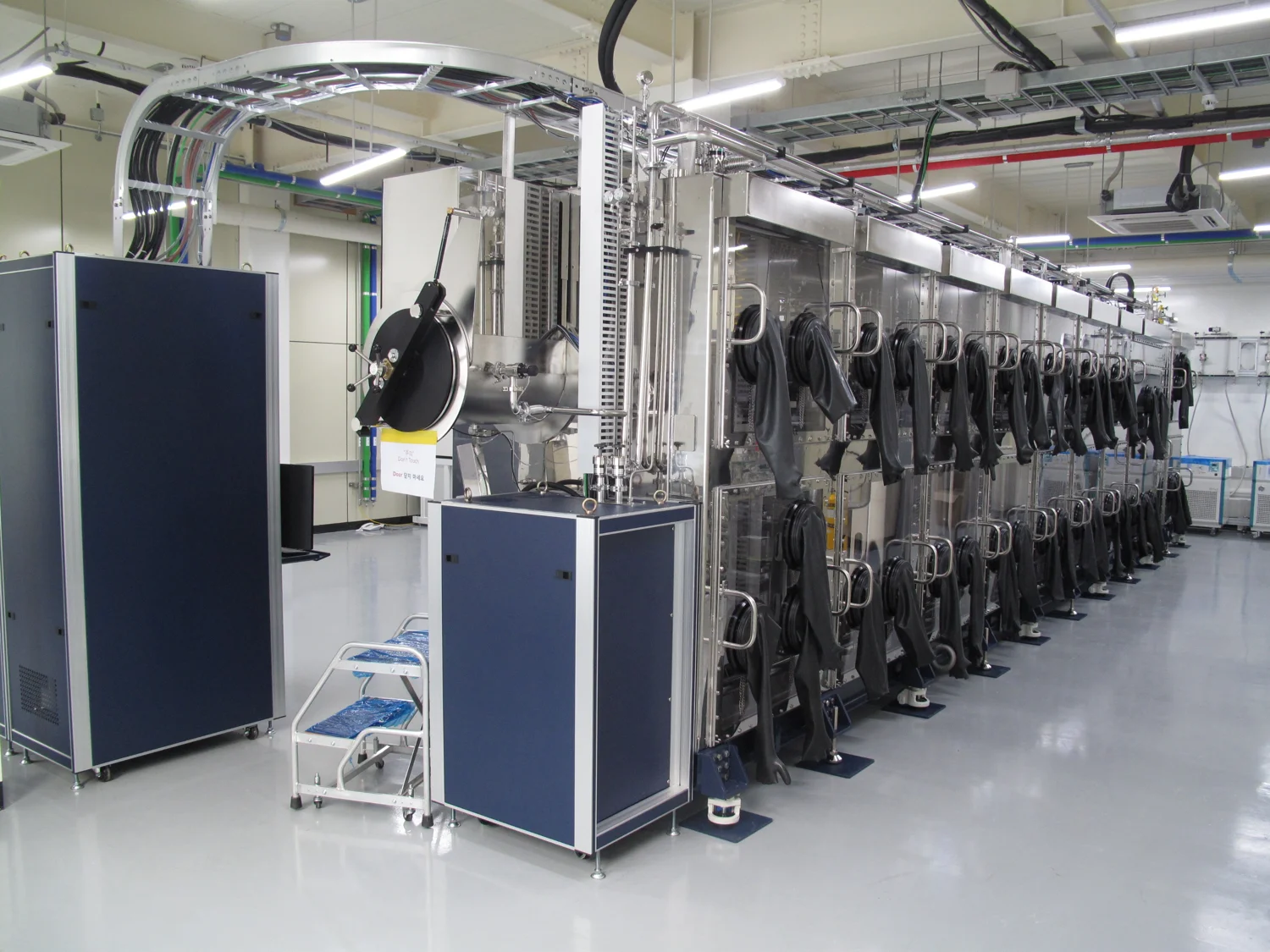
Fusion fuel is not finished with once it enters the device. Equipment must extract fuel that did not react, remove impurities, and return it to a reusable state. Taking ITER’s tritium plant as an example, let us examine the work of circulating fuel and the roles for chemical-process and equipment manufacturers.
Recovering tritium and using it again
Tritium is a radioactive isotope of hydrogen, also called hydrogen-3. ITER’s future experiments will use a combination of deuterium and tritium. Not all the fuel injected into the plasma reacts at once: the exhaust contains unreacted fuel, helium produced by the reaction, and impurities.
ITER’s explanation of 12 June 2023 groups fuel recovery from this exhaust into six functions: exhaust processing, isotope separation, storage and delivery, removal of tritium from gases, recovery from water, and compositional analysis. Connecting these functions to reuse fuel creates the fuel cycle. ITER’s explanation of fuel processing
Isotopes are atoms of the same element with different numbers of neutrons. Rather than treating everything simply as hydrogen, a process adjusts deuterium and tritium to the required composition.
Water as well as gases must be treated
In tritium-handling facilities, following the gas flows alone is not enough. Systems must also recover tritium contained in water. Although described as “removal,” this does not mean simply discarding it: the process connects to the reuse of recovered fuel.
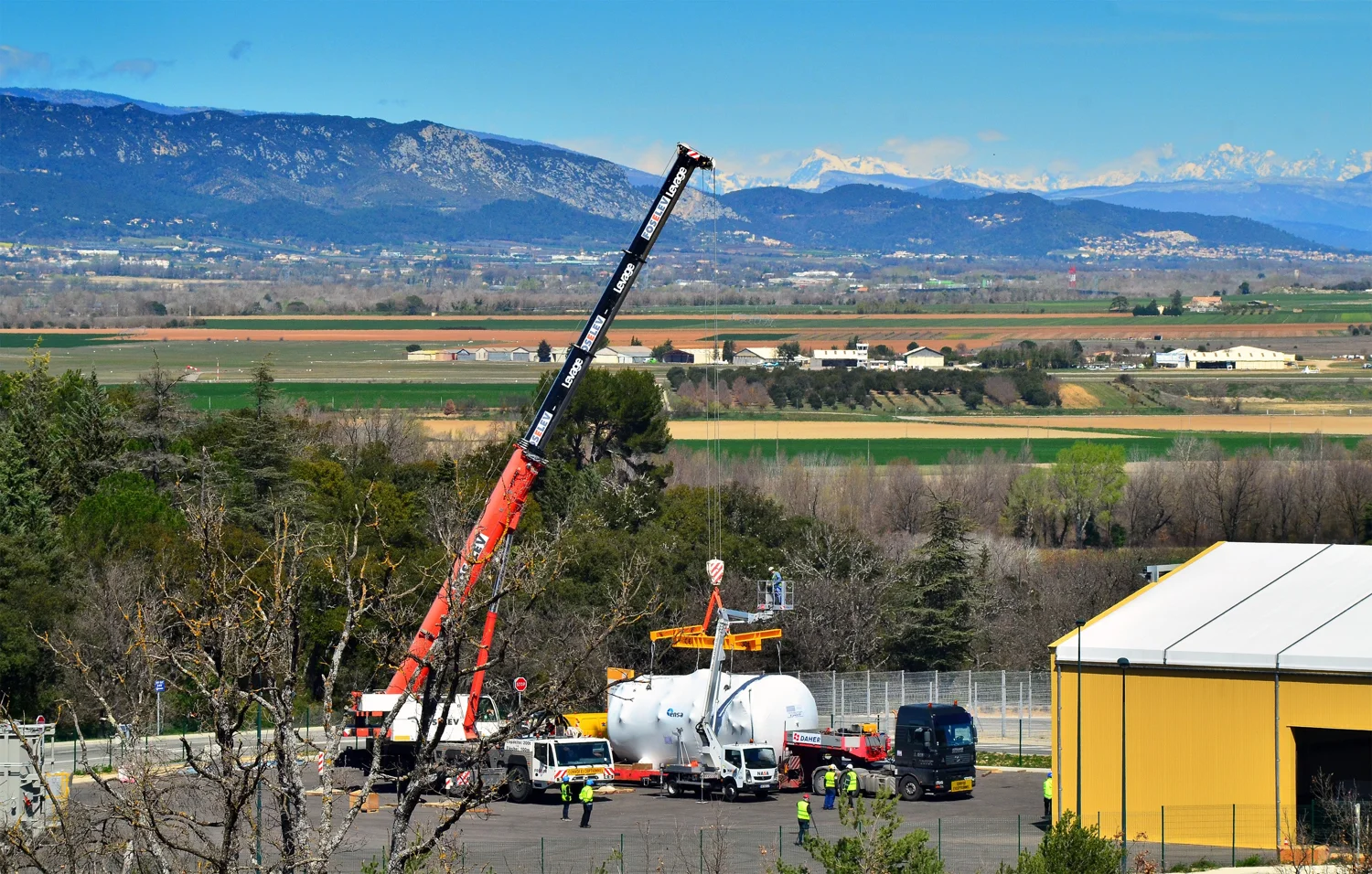
On 3 April 2015, ITER announced the arrival on site of two emergency tanks for its water detritiation system, each with a capacity of 100 cubic metres. The photograph records that delivery, not the start of operation of the entire fuel cycle. Report on the emergency-tank delivery
For plant-engineering companies, it is important to distinguish substances flowing during normal operation from those that must be contained in abnormal conditions. Deciding capacities and connections requires consistency not only with operating conditions but also with the facility’s safety design.
Storage equipment must be designed with the building
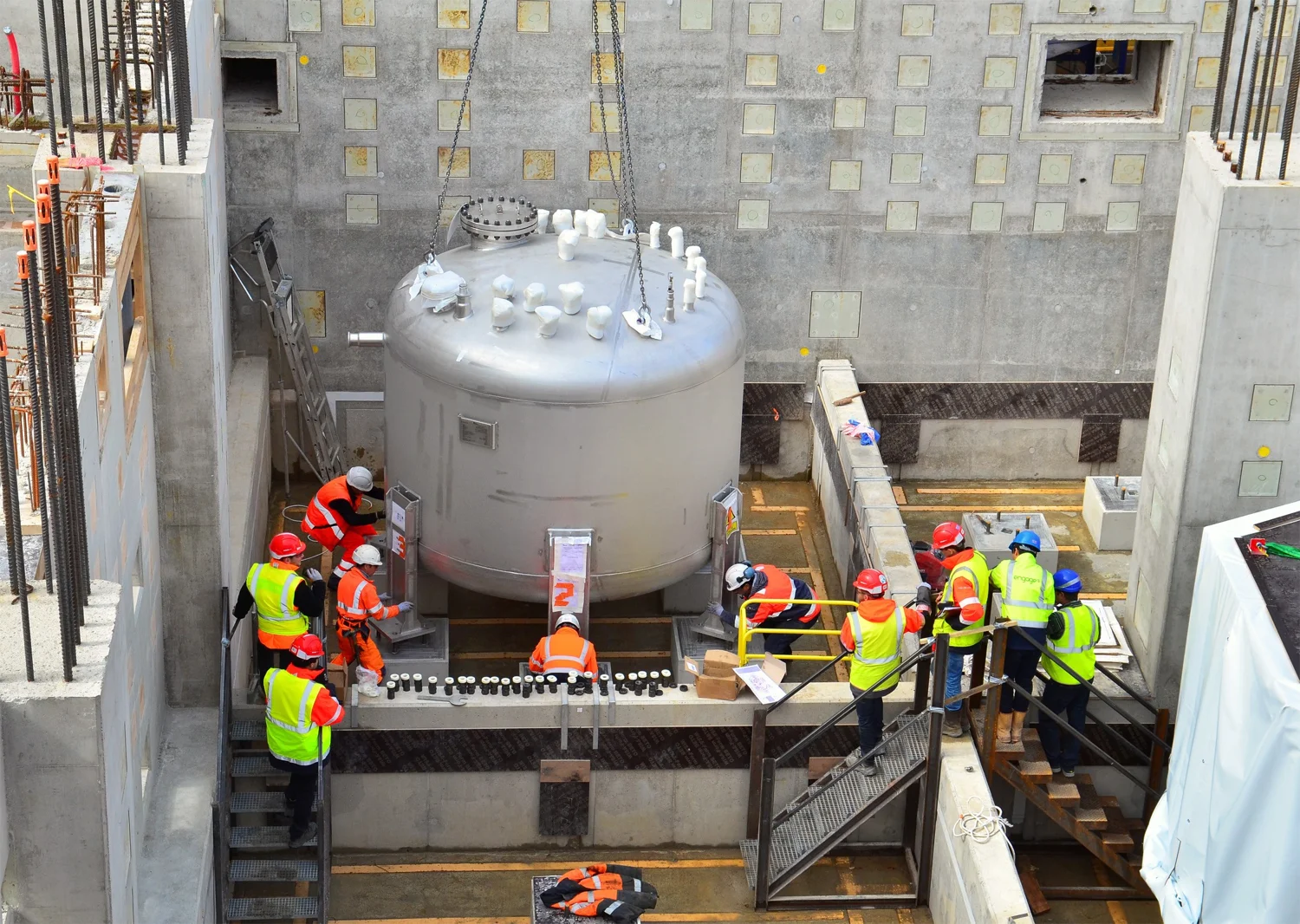
An ITER installation report from March 2016 describes refining tank designs and fixing positions in parallel with construction of the building. These were “captive components,” which could not be removed after installation, and were also classified as safety-important equipment. Tank installation in the Tokamak Complex
Meeting the dimensions and performance requirements of each item alone is not enough. Building structures, supports, pipe connections, and inspection and maintenance approaches must be coordinated early. The harder a component is to replace later, the more important its design interfaces become as a business condition.
Fuel storage itself also requires dedicated technology. An ITER article of 14 January 2013 described development of a method that absorbs hydrogen isotopes into metal and releases them when needed. The opening photograph shows the Korean test facilities at the time, where equipment was handled inside enclosures called gloveboxes. Development record for storage and delivery systems
Connecting responsibilities from design to manufacture
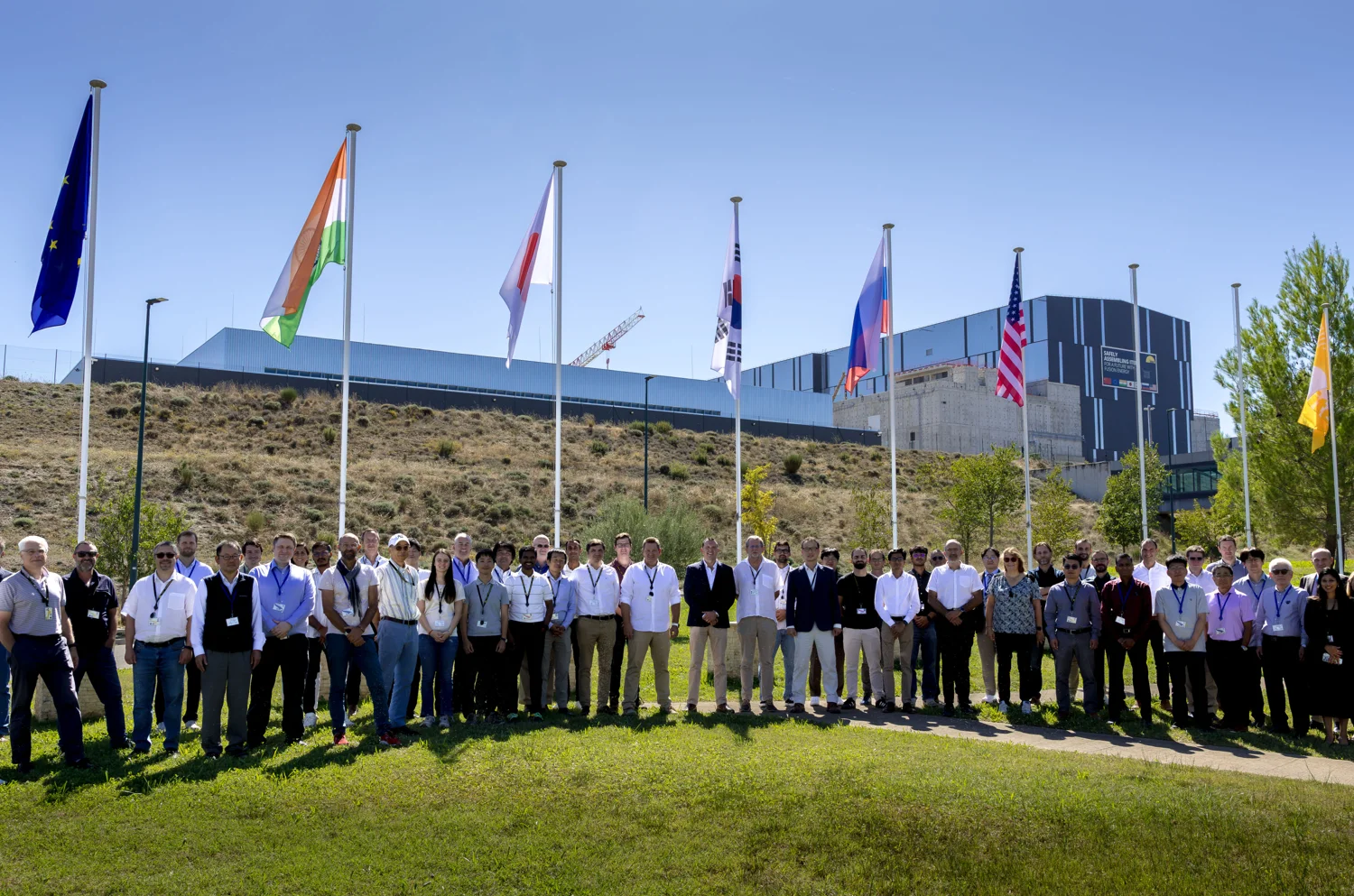
ITER reported on 21 September 2026 that the third Tritium Plant meeting had taken place on 15–18 September. According to the report, the systems had reached final design, and some equipment was being manufactured and installed. Deliveries for the next phase were scheduled for 2028. This is a plan, not completion of delivery and operation of all the facilities. Design and procurement status in 2026
The report covered Japan’s detailed-design contract for detritiation systems, Korea’s storage-and-delivery contracts, US exhaust processing, and European isotope separation and water treatment, among other activities. Participants also discussed coordinating qualification of valves and instrumentation.
When choosing whom to approach with a business proposal, companies need to go beyond viewing the fuel cycle as a single market and identify the particular system and responsible organization they would supply.
Bringing fuel back is different from producing it
Recovery and reuse serve a different function from producing new fuel. ITER’s Test Blanket Module programme will test technologies for producing tritium from lithium. Building recovery equipment alone does not resolve whether future power plants can supply their own fuel. ITER’s tritium-breeding programme
Possible business interfaces suggested by public examples include processing vessels, valves, analytical instruments, containment equipment, and interface design between systems. This is editorial analysis, not a notice guaranteeing an open solicitation or an order. Prospective entrants should individually verify the substances handled, required safety classifications, material compatibility, scope of verification, maintenance conditions, and purchasing organization.
Fusion depends on more than the place where reactions occur. Industrial work also extends to chemical plants that recover valuable fuel from spent flows and safely deliver it for the next operation.
- ITER | Six fuel-processing systems (technical explanation published 12 June 2023); checked 12 October 2026
- ITER | Emergency-tank delivery (published 3 April 2015; deliveries 20 March and 2 April 2015); checked 12 October 2026
- ITER | Holding-tank installation (published 28 March 2016; text describes work on 29 March; because dates conflict, the article uses the month only); checked 12 October 2026
- ITER | Fuel storage and delivery development (published 14 January 2013; contemporary development record); checked 12 October 2026
- ITER | Third Tritium Plant meeting (published 21 September 2026; meeting 15–18 September; plans and contract status); checked 12 October 2026
- ITER | Tritium breeding (publication date unspecified; future test programme); checked 12 October 2026
Information checked as of:2026-10-12
Technical and business explanation based on ITER’s official publications from 2013–2026. Distinguishes historical deliveries and installations, design and contract status reported in September 2026, future facility plans, and editorial analysis.