What Is QST? Understanding Japan’s Fusion Research Through Naka and Rokkasho
From QST’s full name and origins to plasma research at Naka, Japan’s ITER Domestic Agency, and reactor engineering and materials research at Rokkasho: how two sites contribute to demonstration-reactor development, viewed through the role of a public research institution.
Read the Japanese original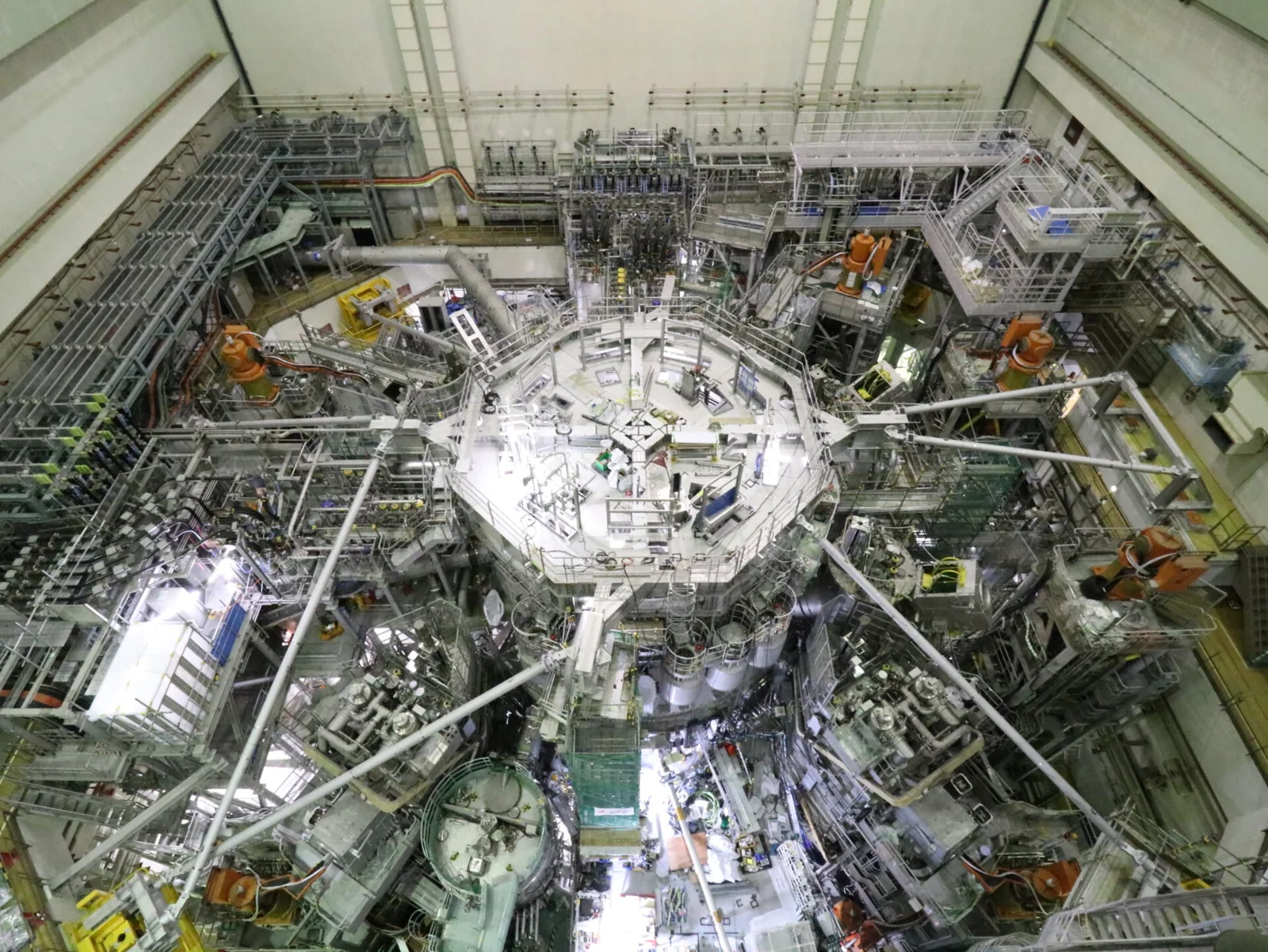
QST’s full name is the National Institutes for Quantum Science and Technology, a national research and development agency. It is a public institution responsible for research in quantum technology, medicine, fusion and other fields. It appears frequently in fusion coverage because it not only operates large facilities but also connects universities with industry through participation in international programs and the design of a demonstration reactor.
A public research institution spanning medicine and fusion
QST was established on 1 April 2016. It integrated the National Institute of Radiological Sciences with fusion research and development and part of the quantum-beam application research previously conducted by the Japan Atomic Energy Agency (JAEA). It did not replace JAEA as a whole; it inherited several long-established research foundations. QST history
These origins help explain the breadth of its research. Its work also includes heavy-ion cancer therapy and diagnostic imaging, radiation’s effects on the human body, quantum-based materials and devices, lasers, and the NanoTerasu synchrotron radiation facility. Treating all of QST as solely a fusion institute misrepresents the organization. QST overview
The government sets medium- to long-term objectives, and QST conducts research and development according to its plans. It collaborates with universities and companies to develop research facilities, technology and people. Its role differs from those of policymaking ministries, regulatory agencies, degree-awarding universities and manufacturers selling products. MEXT objectives and plans
Naka: a center for high-temperature plasma and large facilities
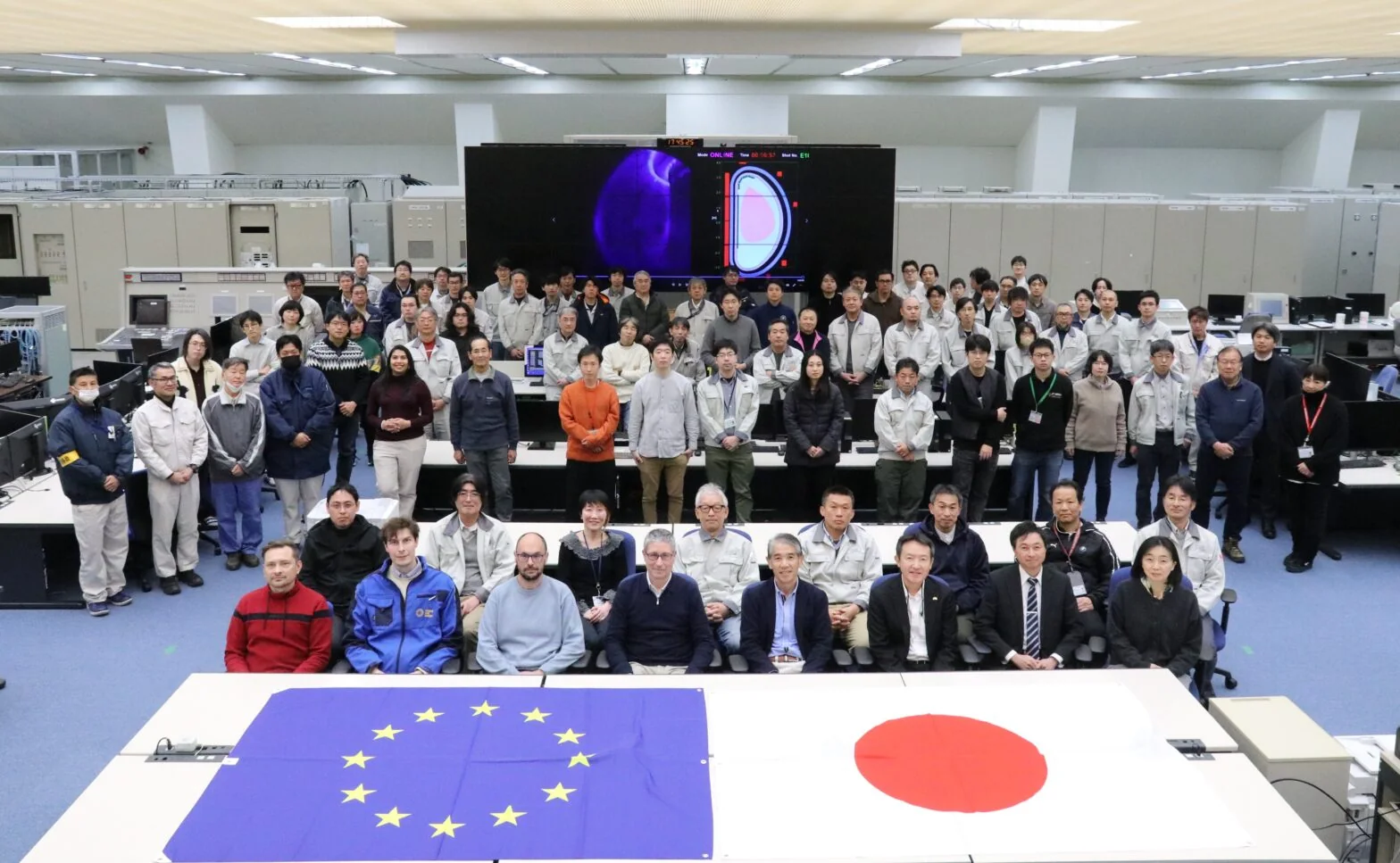
One major fusion site is the Naka Institute for Fusion Science and Technology in Naka, Ibaraki Prefecture. Its JT-60SA is a superconducting tokamak developed jointly by Japan and Europe. A tokamak is a device that confines high-temperature plasma with magnetic fields.
JT-60SA supports research useful for ITER operation and develops the high-performance plasmas needed for a future demonstration reactor. Researchers investigate not only temperature but also shape, stability and long-duration sustainment. Scientists, operators and the engineers supporting the equipment work together to accumulate knowledge through experiments. Naka research policy
Following first plasma in 2023, equipment upgrades progressed, and in 2026 the project moved into integrated commissioning. This stage tests the operation of combined systems; it does not mean electricity generation has begun. F4E explanation of operational preparations
Procuring Japan’s contribution to ITER
QST also serves as Japan’s Domestic Agency for ITER, the international experimental reactor being built in France. Between the ITER Organization and Japanese industry, it advances research, development and procurement of the major components allocated to Japan. QST and the international ITER Organization are separate organizations.
This interface takes concrete form in large components such as superconducting magnets. The photograph shows TF13, a toroidal-field coil procured by Japan, being transported within France; it arrived at ITER on 3 July 2020. Alongside publishing papers and experimental results, the work includes practical coordination that connects companies’ manufacturing capabilities with an international project. ITER’s contemporary delivery report

Rokkasho: connecting heat, fuel and materials with power generation
The Rokkasho Institute for Fusion Energy in Rokkasho, Aomori Prefecture, conducts research needed to make a power-generation system work. It brings together demonstration-reactor design, reactor materials, computational research and fuel-handling technology.
One important component is the blanket. Inside the reactor, it extracts neutron energy as heat and produces tritium fuel. Research on sustaining hot plasma and research on extracting and using heat and fuel must come together to establish a route to electricity generation. Rokkasho research policy
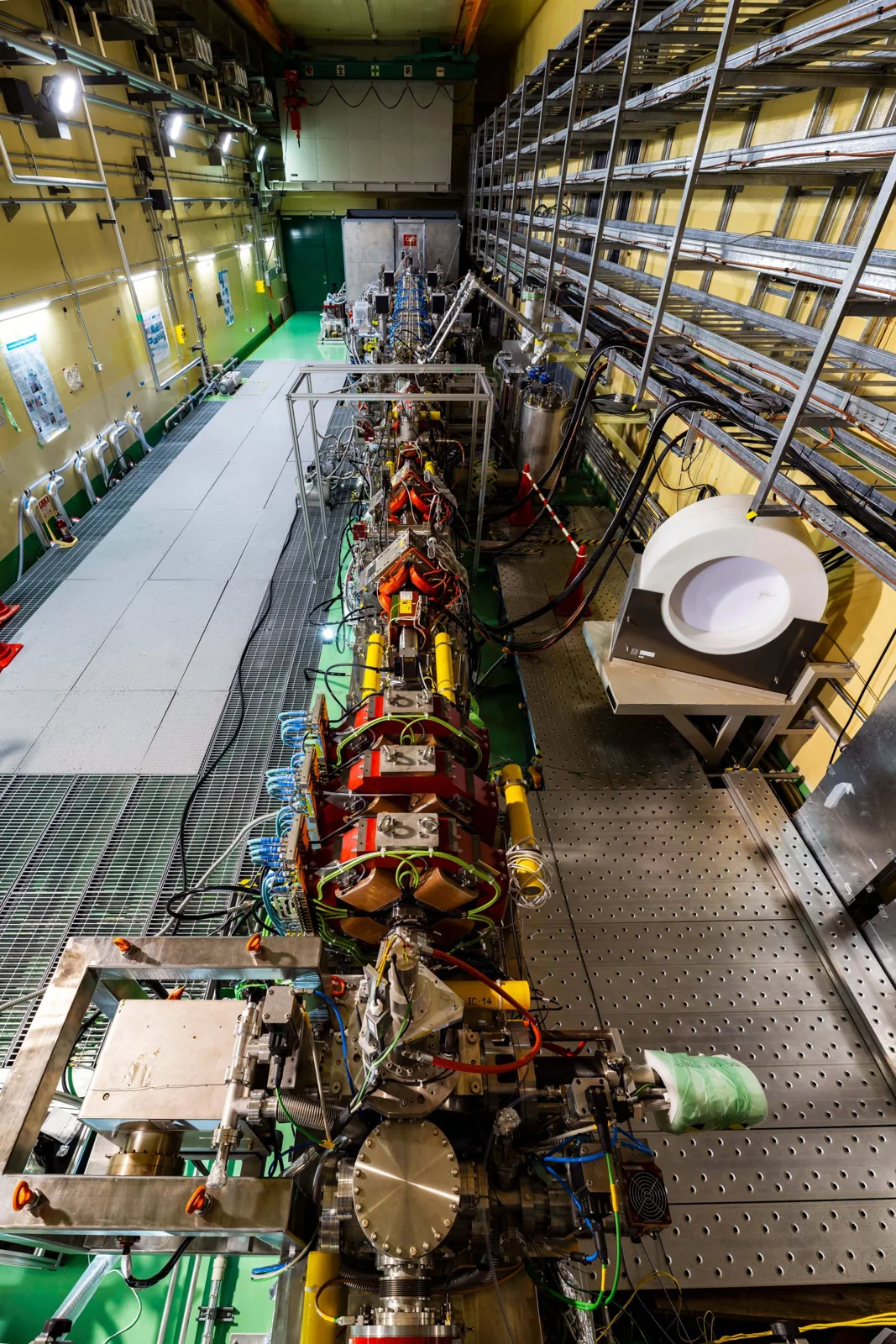
Rokkasho also houses the Japanese-European prototype accelerator LIPAc. It validates accelerator technologies needed for a future facility that will irradiate fusion-reactor materials with neutrons to test their performance. It is important not to confuse LIPAc itself with a power reactor or a completed materials-irradiation facility. F4E explanation of LIPAc
Bringing both sites together for a demonstration reactor
The two institutes are not engaged in separate development races. From April 2026, QST introduced a unified “matrix organization” across both sites to advance the demonstration reactor, ITER and JT-60SA. The idea overlays project and technical-specialty axes on the geographical division. The organizational chart dated 6 August also lists three project promotion departments. QST organizational chart
The published conceptual design for the Q-DEMO demonstration reactor draws on experience in manufacturing ITER components and on JT-60SA construction and research results. It envisages demonstrating electricity generation, fuel breeding and steady-state operation in stages. Demonstrating power generation in the 2030s is a target, not a statement that a power station has already been completed. QST explanation of Q-DEMO
For companies, it is easier to find connections by asking “On which challenge in which project could we collaborate?” than by viewing QST as a single vast customer. Joint research, facility use and equipment supply involve different contacts, contracts and deliverables. Narrow down the technology of interest and check the conditions in individual public notices and procurement information. This is the first step toward understanding the institution from an industrial perspective.
Official information from related companies and research institutions
Check each organization’s announcements for development progress and technical documentation.
- QST history
- QST overview
- MEXT objectives and plans
- Naka research policy
- F4E explanation of operational preparations
- ITER’s contemporary delivery report
- Rokkasho research policy
- F4E explanation of LIPAc
- QST organizational chart
- QST explanation of Q-DEMO
Information checked as of:2026-10-11
QST is a national research and development agency established in 2016. The roles of Naka and Rokkasho reflect the 2026 organizational structure. Photographs include ITER equipment delivery in 2020 and an image released in 2024. Demonstration-reactor electricity generation, fuel breeding and steady-state operation are development objectives, not achievements already accomplished. This article is not endorsed or supervised by QST.