QST (National Institutes for Quantum Science and Technology)
- Official name
- National Institutes for Quantum Science and Technology
- ENGLISH
- National Institutes for Quantum Science and Technology
QST stands for the National Institutes for Quantum Science and Technology. This Japanese research institution advances ITER, JT-60SA and demonstration-reactor development through its Naka and Rokkasho sites.
Read the Japanese original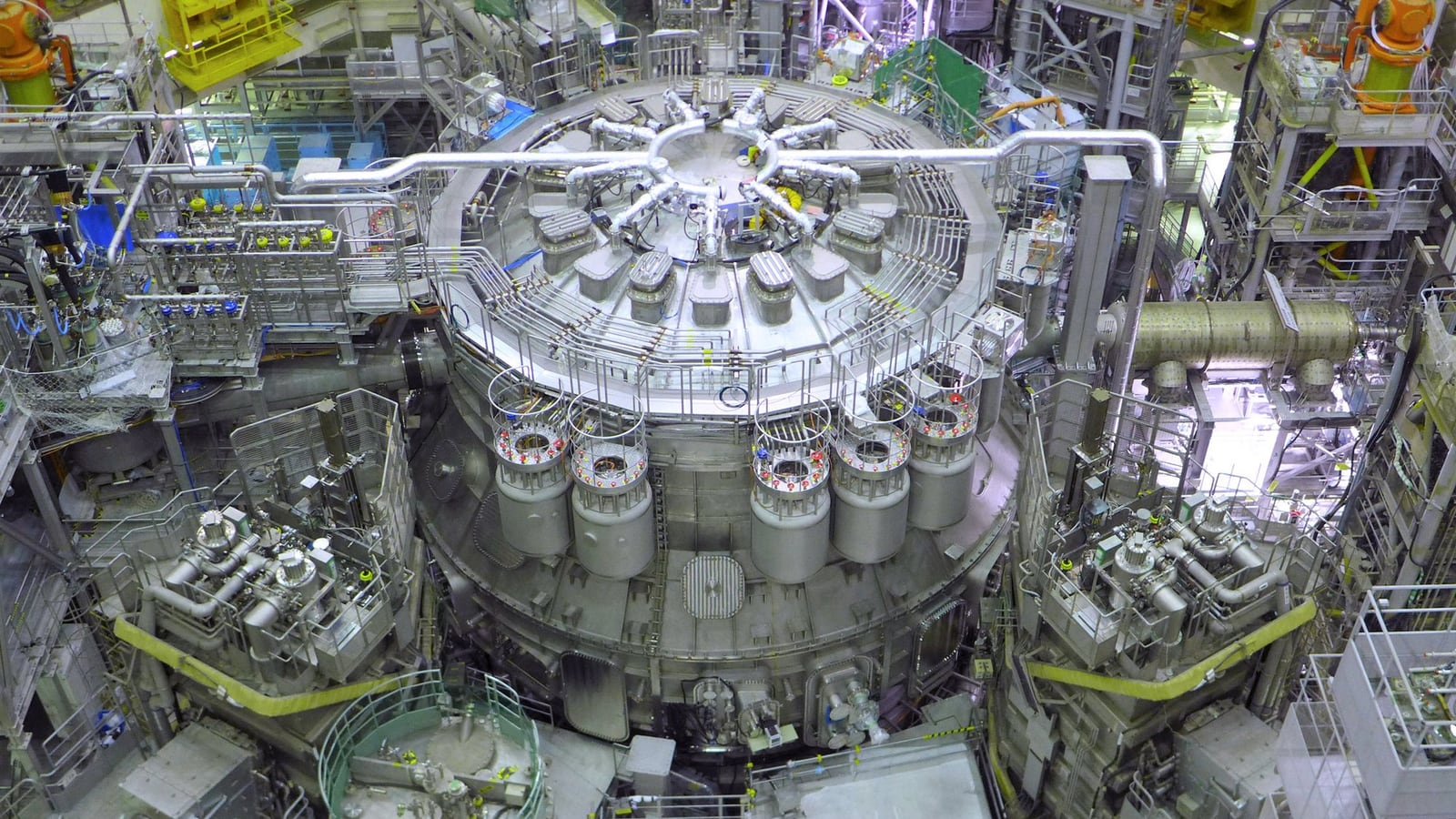
What is QST?
QST, pronounced as the three letters, is Japan's National Institutes for Quantum Science and Technology, a national research and development agency. Its full Japanese name, its shortened Japanese name meaning “Quantum Research,” and QST refer to the same organization. The letters correspond to Quantum, Science and Technology. Its former English name included “Radiological”; the current name took effect in October 2021. About QST / English-name change
In fusion news, QST is an organization responsible for research and development, not a device. Distinguishing an institute as a place, the equipment located there and a multinational or multi-organization project clarifies who is doing what.
QST's role in fusion
QST is Japan's Domestic Agency for ITER, coordinating procurement of Japan's assigned components and facilities and personnel cooperation. It also advances plasma research through the Japan–Europe JT-60SA collaboration and connects design, materials, fuel and engineering research for future demonstration reactors. Beyond conducting experiments itself, it connects university and company technologies with large international programmes. Quantum-energy research
Its core fusion sites are the Naka Institute for Fusion Science and Technology in Ibaraki and the Rokkasho Institute for Fusion Energy in Aomori. QST headquarters is in Chiba City: QST's location and JT-60SA's location are not synonymous. Locations
Naka: plasma experiments and ITER component development
The Naka institute hosts JT-60SA. Researchers magnetically confine and heat plasma, measure its state and control it. They investigate maintaining desired conditions stably rather than achieving high performance for only an instant.
Naka also develops and procures major ITER components. Its July 2026 organization chart includes groups for superconducting magnets, heating, plasma-facing components, remote maintenance, power supplies and controls, connecting experimental physics with engineering. Calling it merely a plasma-research site describes only part of its work. Institute introduction / Organization chart
Rokkasho: making a power system feasible
The Rokkasho institute researches demonstration-reactor design, materials, neutron sources, blankets and fuel. Even when plasma produces energy, a power system requires extracting heat, protecting equipment and circulating fuel.
LIPAc at Rokkasho is a prototype accelerator supporting future neutron sources for materials irradiation, not a fusion power reactor. The Joint Special Design Team for demonstration reactors is also based there, contributing to Q-DEMO design. Institute introduction
How the two institutes connect
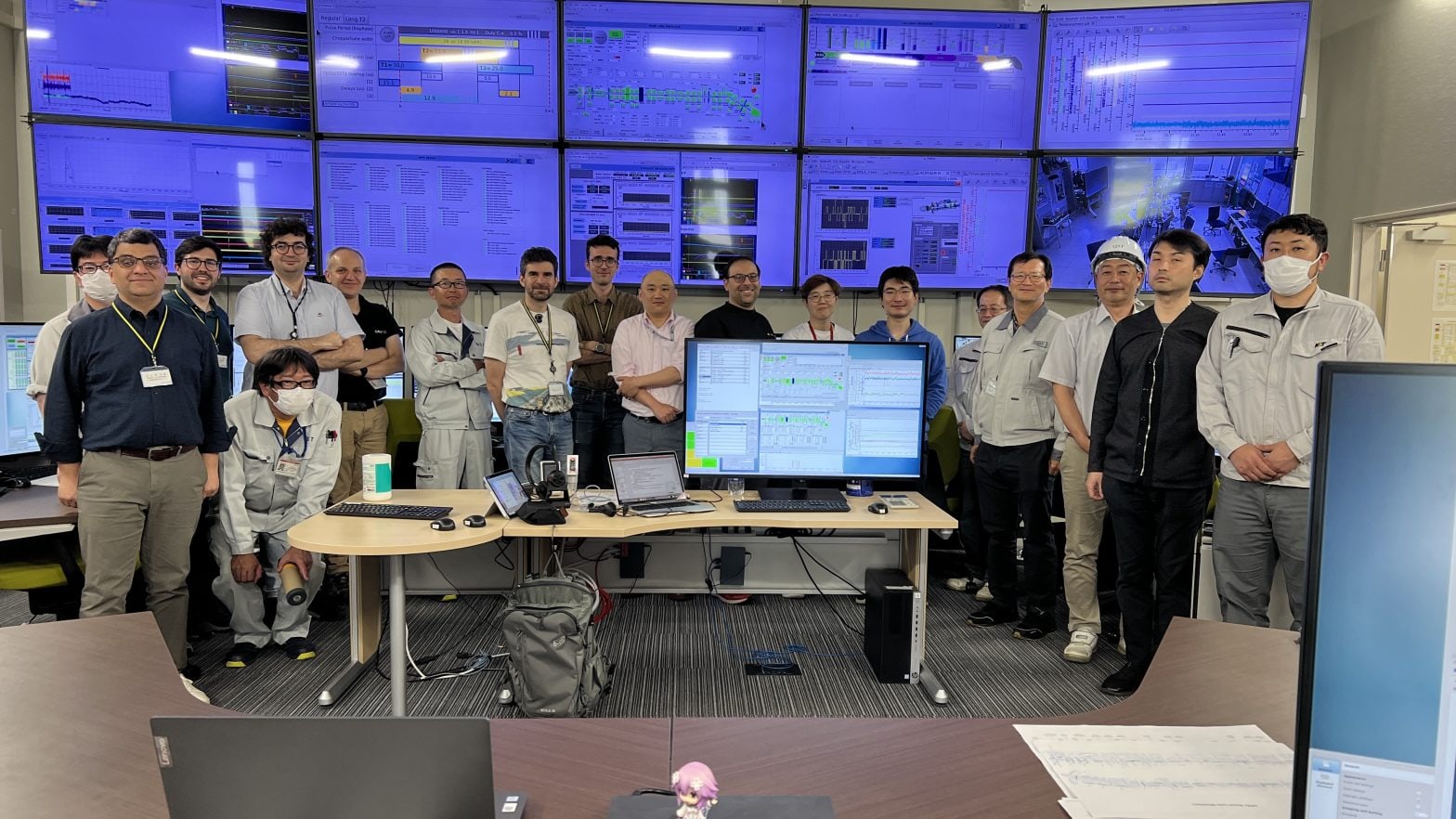
Naka's plasma and equipment knowledge and Rokkasho's reactor-design, fuel and materials knowledge depend on one another. QST has stated that, from April 2026, the two sites operate as an integrated matrix organization advancing demonstration-reactor, ITER and JT-60SA projects. Their responsibilities are not completely separate.
Both sites engage with industry. Collaborative research and facility use require procedures suited to the purpose. A facility's existence does not mean unrestricted access for everyone. Official collaboration and facility-use contact point
How QST was formed
QST began in April 2016 by integrating JAEA's fusion research and development and part of its quantum-beam applications research into the National Institute of Radiological Sciences. JAEA as a whole did not merge or disappear. This history also explains QST's work in quantum science and radiological medicine. Official history
Related terms
- Naka Institute for Fusion Science and Technology: a QST research site
- Rokkasho Institute for Fusion Energy: a QST research site
- ITER: an international experimental reactor and programme
- JT-60SA: the experimental device at Naka and the Japan–Europe programme
- Q-DEMO: conceptual design of a demonstration reactor aimed at demonstrating electricity generation
Information verification date
October 8, 2026. Organization names, roles, plans and achievements were checked against publicly available official sources.
Check the official information
- QST | About QST
- QST | Change of English organization name
- QST | Formation and history
- QST | Quantum-energy research and Q-DEMO conceptual-design report
- QST | Locations and contact
- QST | Message from the Naka institute director
- QST | Naka institute organization chart
- QST | Message from the Rokkasho institute director
- QST | Fusion technology innovation hub
Checked:2026-10-08