JT-60SA
Japan–Europe superconducting tokamak at Naka, supporting ITER, future demonstration reactors and fusion research training.
Read the Japanese original 日本語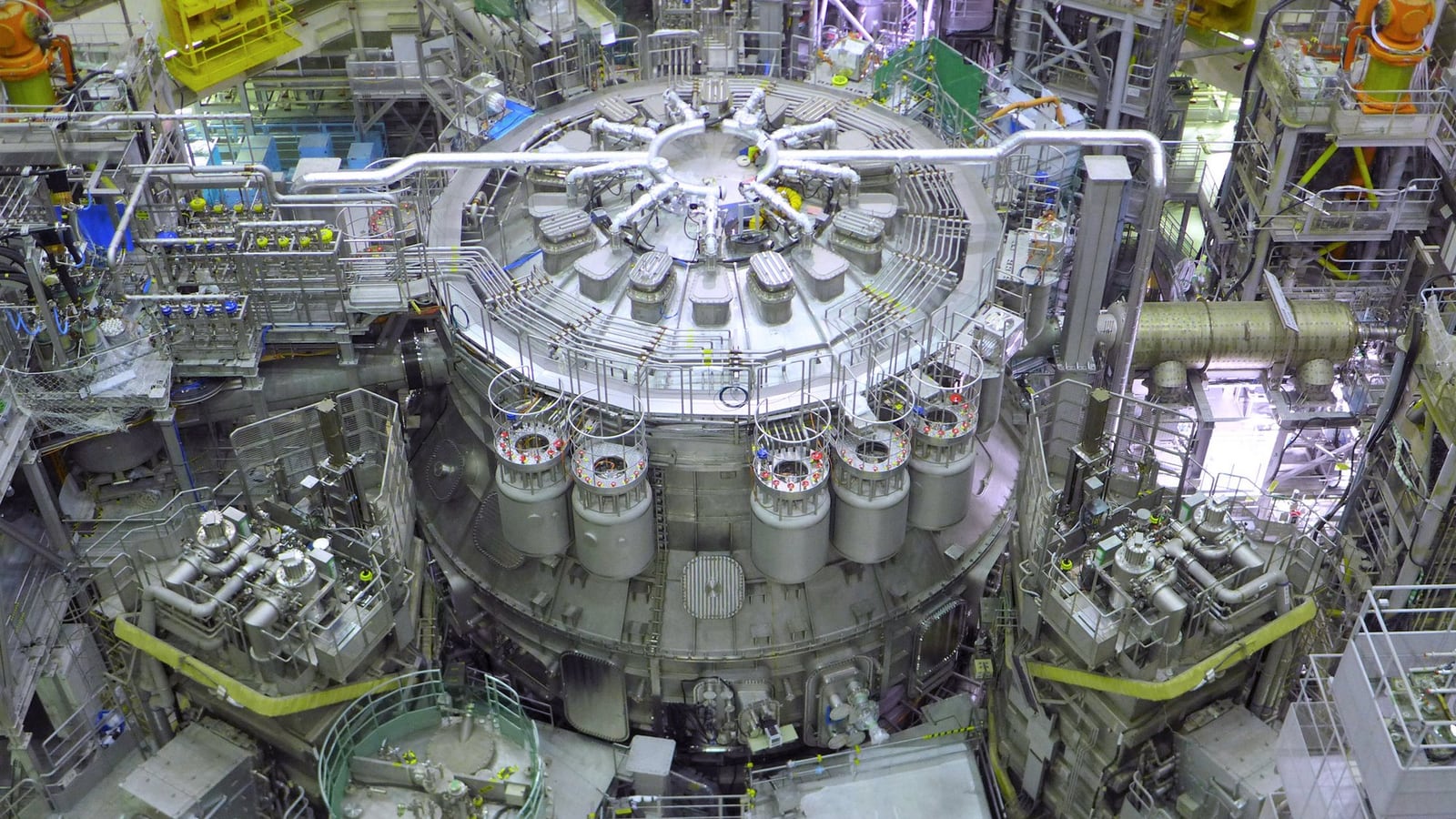
Purpose and international role
JT-60SA, short for JT-60 Super Advanced, is a Japan–Europe superconducting tokamak research project at QST’s Naka site in Ibaraki Prefecture. Its three stated purposes are supporting ITER, studying advanced plasma operation for future demonstration reactors, and training researchers and engineers. The program is a research collaboration; its contribution to the energy sector comes through experiments, engineering knowledge and people. QST: JT-60SA objectives and specifications
Established milestones
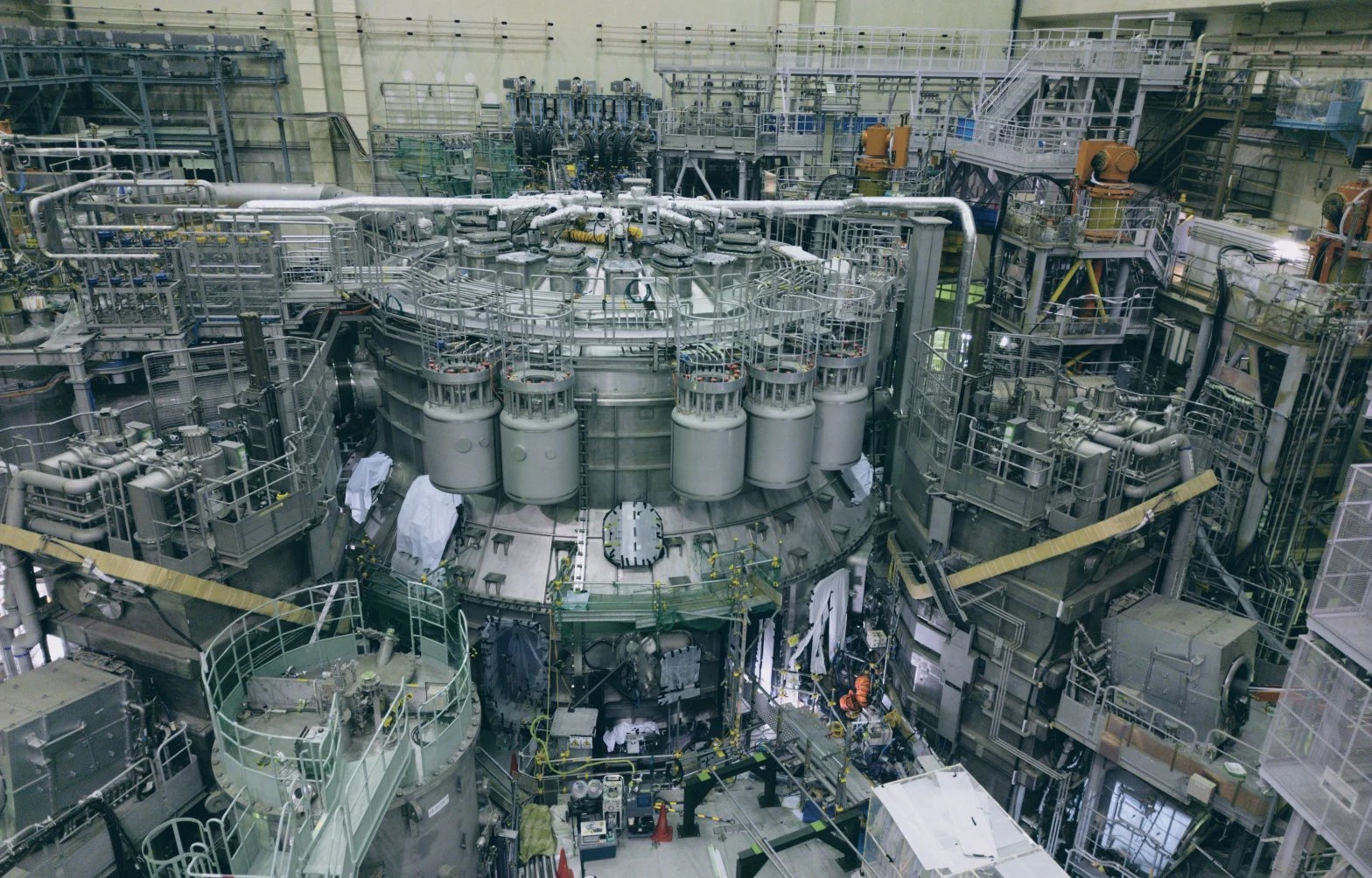
First tokamak plasma was achieved on 23 October 2023, with QST announcing the result the following day. QST: first plasma achieved on 23 October 2023 It demonstrated that the facility’s systems could work together to create plasma. Following installation of additional heating, control and diagnostic equipment, integrated commissioning for plasma-heating experiments began on 27 February 2026. The March announcement described a goal of beginning heating experiments within 2026, rather than reporting that those experiments had already been completed. QST and F4E: integrated commissioning, 13 March 2026
Reading specifications responsibly
Published major specifications include a plasma current of 5.5 MA and a flat-top duration of 100 seconds. These are facility design parameters, not a statement that every experiment has achieved those values. They also do not represent electrical output. Overseas suppliers and research organizations should read JT-60SA as a large experimental platform for plasma control, heating and integrated operation. Its results can inform later fusion plants, but converting fusion heat into net electricity requires additional plant systems and demonstrations. QST: JT-60SA objectives and specifications
Fuel, heating and control
The research program uses hydrogen and deuterium plasmas. Its role differs from ITER’s planned deuterium–tritium burning-plasma experiments, and JT-60SA is not an electricity-selling power station. Particle beams and electromagnetic waves heat the plasma; diagnostics measure its state, and control systems regulate its position and behavior. Temperature alone does not establish stable, high-performance operation: density, pressure, shape, duration and heat exhaust also matter. Heating-experiment research plan Upgrades and integrated commissioning
Knowledge for later reactors
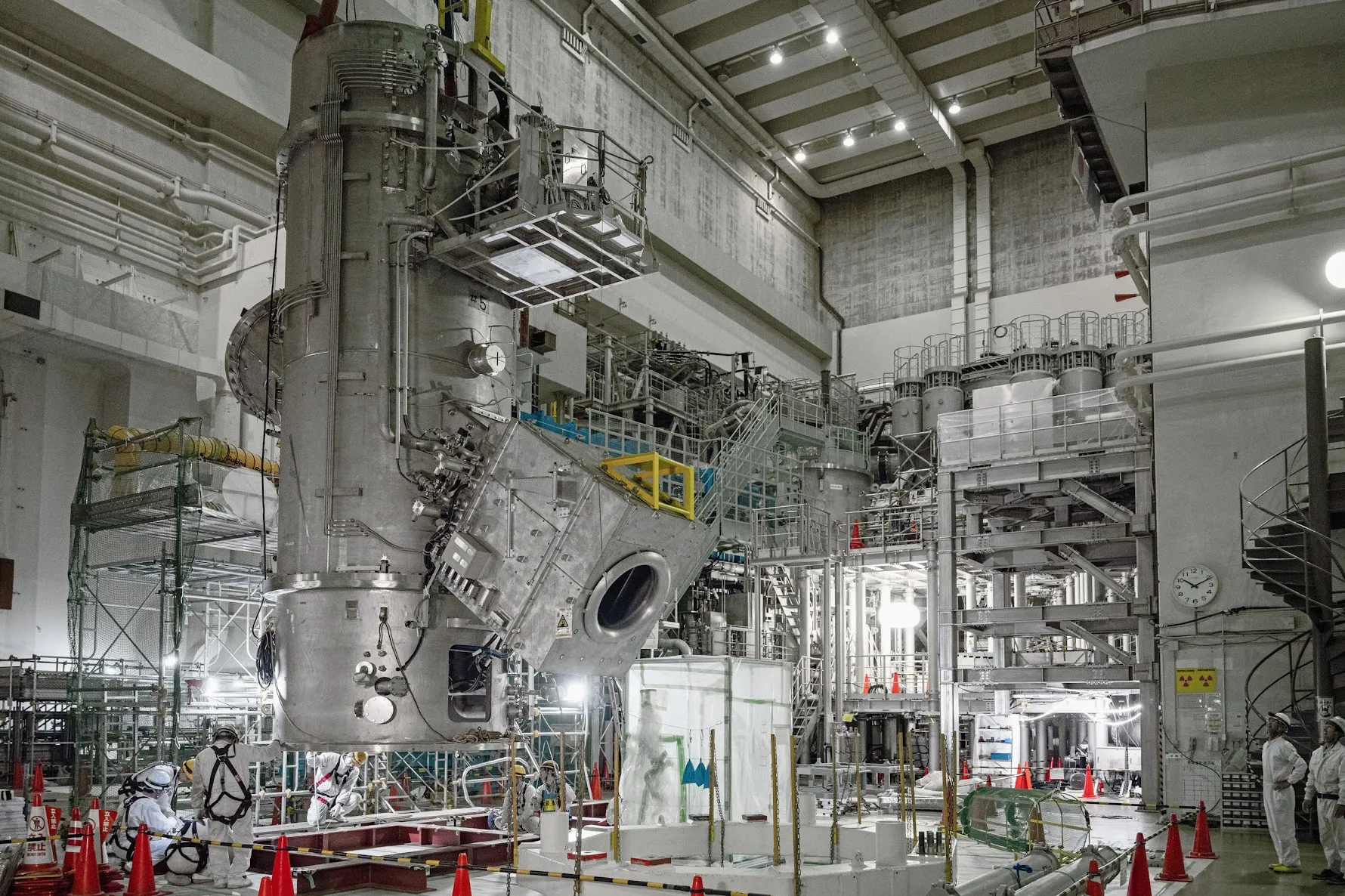
JT-60SA combines the satellite-tokamak project under Japan–Europe Broader Approach activities with Japan’s national tokamak program. Work on the facility supplies operating experience and training relevant to ITER and future demonstration reactors. QST’s Q-DEMO concept seeks to use this experience, but electricity conversion, fuel breeding and plant-level fuel handling require additional development. Plasma duration must not be confused with the duration for which a future power station supplies electricity. Japan–Europe collaboration and training Q-DEMO context
At a glance
- Country
- Japan
- Location
- Naka, Ibaraki, Japan
- Fusion approach
- Superconducting tokamak
- Development stage
- Experimental facility; integrated commissioning reported in 2026
- Operator
- QST with European partners including Fusion for Energy
Sources & verification
- QST: JT-60SA project overview
- QST: strengthened Japan–Europe training through the JT-60SA onsite laboratory
- QST: JT-60SA construction
- QST and F4E: integrated commissioning for plasma-heating experiments
- QST: organization and research plan for JT-60SA heating experiments
- QST: first plasma achieved in JT-60SA
- QST: Q-DEMO conceptual design announcement
- QST: first plasma generation
- Fusion for Energy: Europe and Japan restart JT-60SA
- QST and Mitsubishi Electric: completion of fast plasma-position-control coils
- QST: JT-60SA construction, magnet materials and manufacturing
Information verified: 2026-10-08
Primary-source editorial profile. Reported milestones, work in development and future objectives are distinguished.