Pacific Fusion secures New Mexico license for tritium use
Pacific Fusion announced on November 20 that New Mexico approved a radioactive materials license allowing tritium use at its research and manufacturing campus. The approval is a regulatory step, not a demonstration of an operating fusion plant.
Read the Japanese originalAnnouncement date:2026-11-20
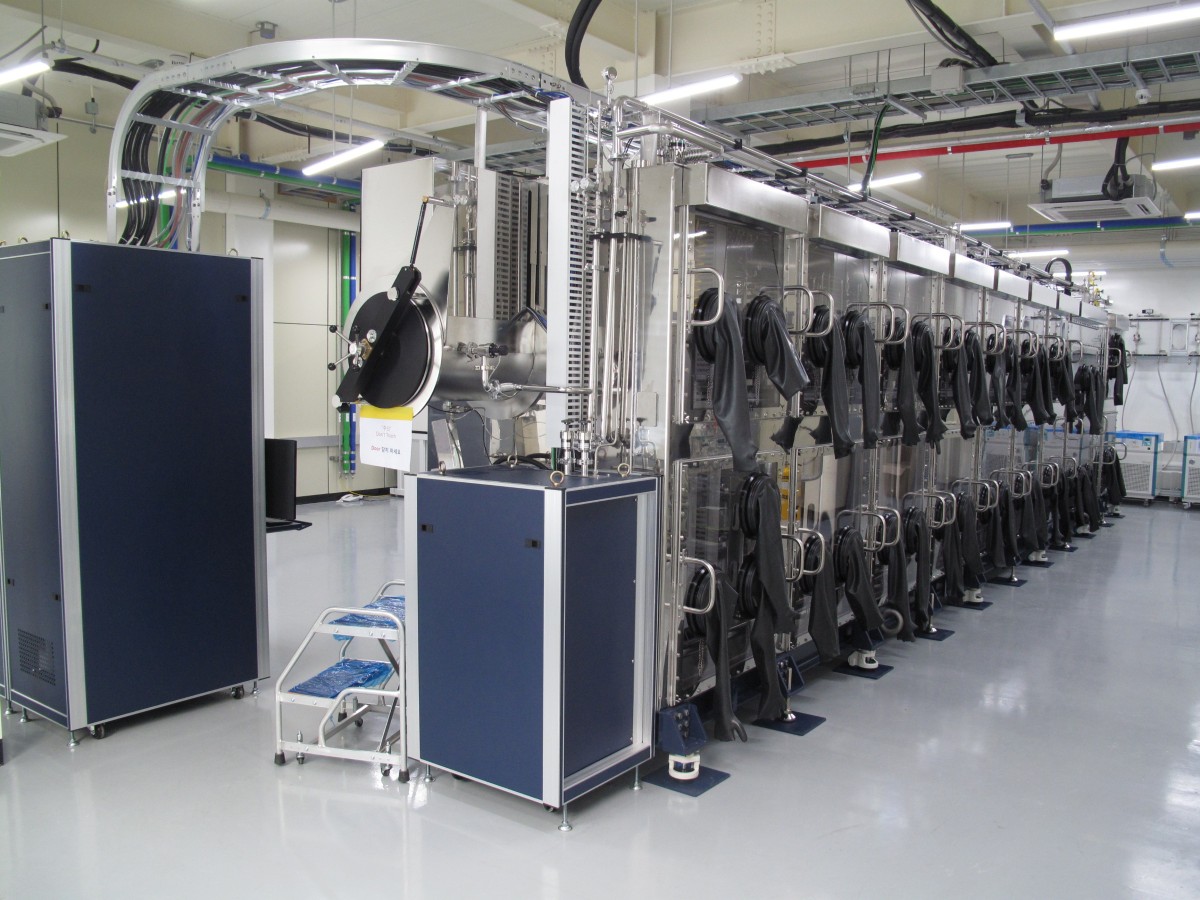
Building a fusion machine is not enough to start experiments. On November 20, Pacific Fusion announced that the New Mexico Environment Department had approved its radioactive materials license for its research and manufacturing campus under construction in Albuquerque. What stage of development can a regulatory permit unlock?
The company says the license allows it to possess and use tritium while developing pulsed-power fusion technology, which compresses fuel with intense electrical pulses. This supports fuel-target fabrication, testing and research toward machine operation. The American Nuclear Society reported that the licensed limit is 15,000 curies of tritium (about 1.5 grams); Pacific Fusion says it intends to maintain an inventory below 10,000 curies.
Tritium is a radioactive hydrogen isotope used with deuterium as D–T fusion fuel. The company says it will contain the material in a closed system and have waste handled by licensed facilities outside the state. A radioactive-material license is a prerequisite for regulated work; it is not proof that the facility is finished, tritium experiments have started, or fusion has been achieved.
The industrial implication is that fuel systems, safety procedures and permitting must advance alongside the machine itself. Pacific Fusion's target of net facility energy gain by 2030 remains a future ambition. Assembly, testing and safe fuel operations are separate milestones after this license. FI also explains the implications of tritium decay for fuel inventories.
- Pacific Fusion:New Mexico radioactive materials license(2026年11月20日)
- New Mexico Environment Department:Pacific Fusionの放射性物質許可申請に関する公示
- American Nuclear Society:許可数量と対象範囲(2026年11月20日)
Information checked as of:2026-11-22
Pacific Fusion announced the license approval; licensed quantity is attributed to ANS. The campus is under construction. Neither fusion achievement nor electricity delivery is established.