Why does D–T lead fusion research? Comparing D–D, D–³He and p–¹¹B
Fusion reactions beyond D–T are also being researched. Why, then, does D–T lead? An explainer comparing reactivity, energy losses, neutrons and the supply of tritium and helium-3—and what these mean for fuel choices.
Read the Japanese original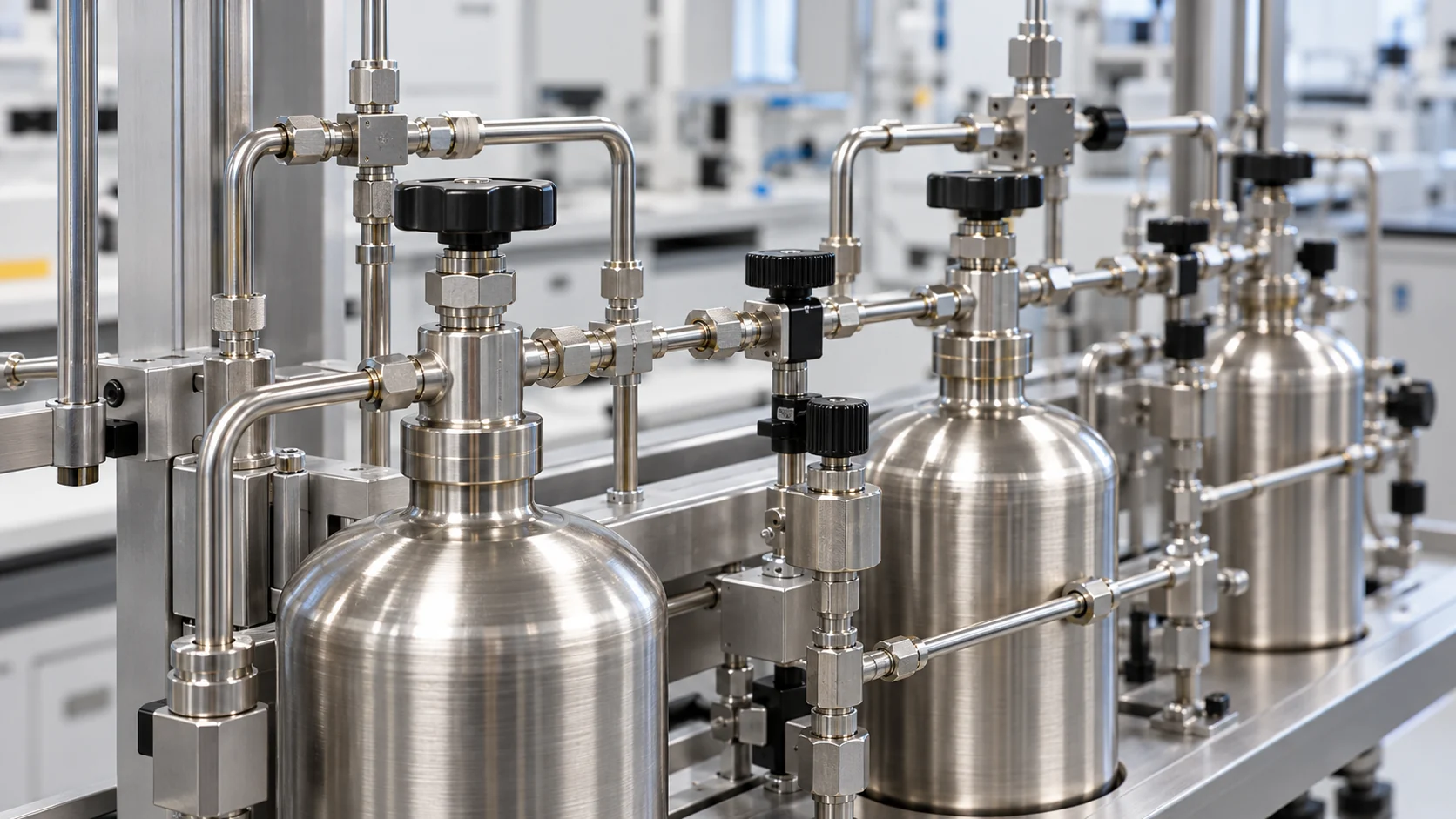
Deuterium, D, and tritium, T, often appear together whenever fusion fuel is discussed. But could reactions using two deuterium nuclei, helium-3 or boron also be used to generate electricity?
The answer is that they have not been ruled out. Other fuel options are also being researched. A major reason D–T leads is that the conditions needed to produce enough fusion reactions are comparatively more accessible than those for other leading candidates. That does not mean fuel procurement or equipment lifetime will be easy. The US Department of Energy’s guide to fusion fuel
Key points
- D–T has an advantage in the conditions needed to produce fusion, but poses engineering challenges involving neutrons and tritium.
- D–D, D–³He and p–¹¹B offer different advantages, alongside challenges involving reactivity, radiation losses and fuel supply.
- Detecting a fusion reaction, achieving energy gain in the fuel and supplying net electricity from a power plant are different milestones.
Choosing a fuel is about more than the energy released by one reaction
D denotes deuterium, T tritium, ³He helium-3, p a proton and ¹¹B boron-11. D and T are both hydrogen isotopes: each nucleus contains one proton, but their neutron counts differ. At high temperatures, electrons separate from nuclei and the fuel becomes a plasma.
Positively charged nuclei repel each other. Not every collision produces fusion; the probability depends on the particles involved and their collision energy. The quantity describing the likelihood of a reaction is called its cross-section.
Particles in a plasma do not all move at the same speed. To assess how frequently reactions occur throughout the fuel, another important quantity is reactivity: the product of cross-section and relative speed, averaged over the particles’ velocity distributions. In a plasma close to thermal equilibrium, temperature determines that distribution. A large cross-section at a particular collision energy is not the same thing as being able to sustain a plasma suitable for power generation. UKAEA’s reaction-calculation documentation
Enough reacting particles must also be brought together, with reactions continuing before energy escapes. That is why temperature, density and energy confinement time are considered together. A temperature record alone does not establish the energy balance. A paper explaining the Lawson criterion
D–T’s strength—and the difficulties that come with it
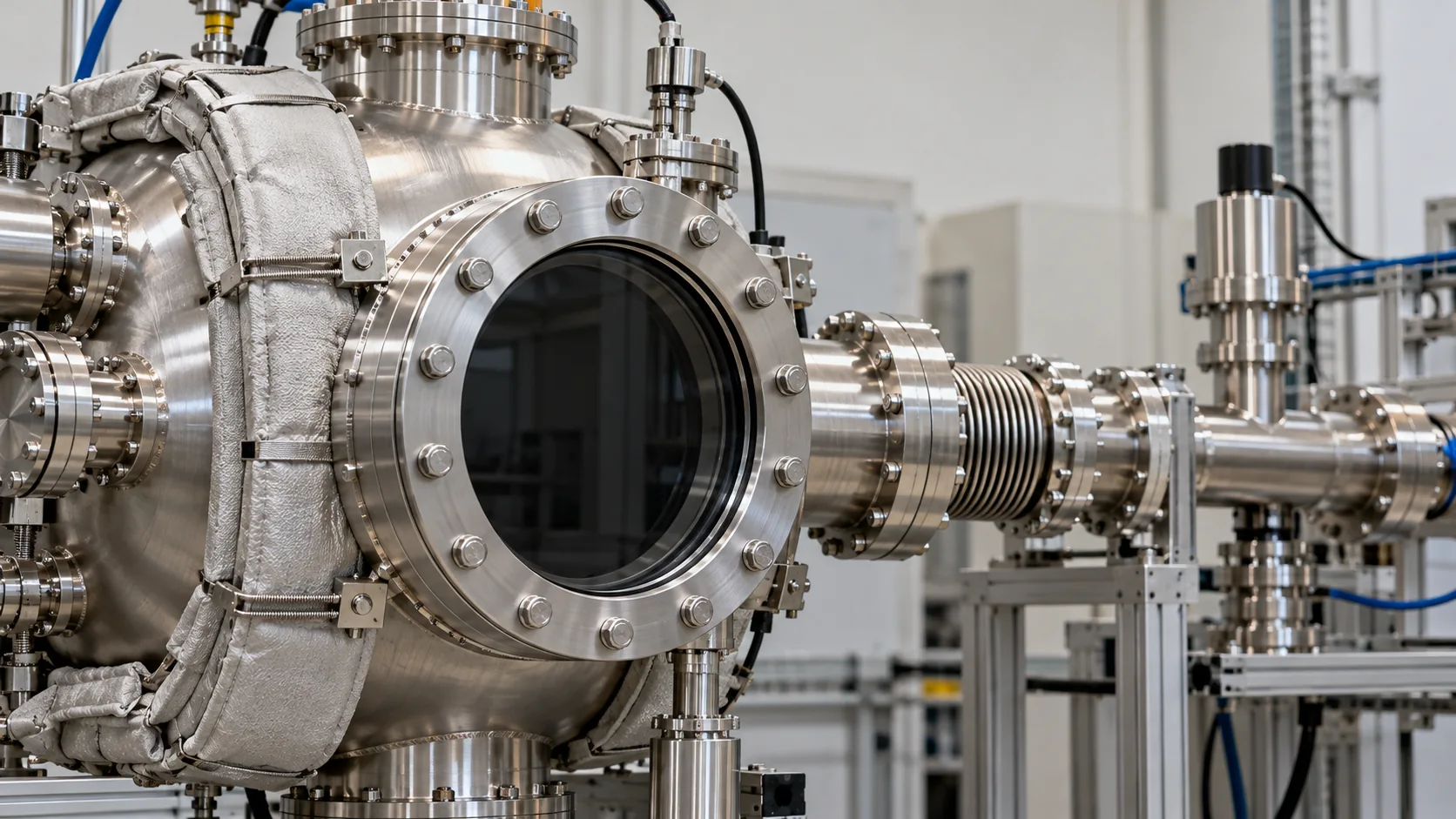
Among the main candidates for fusion power research, D–T can achieve high reactivity at comparatively low temperatures. Its reaction produces a helium-4 nucleus, or alpha particle, and a neutron. Returning the charged alpha particles’ energy to the fuel helps the plasma heat itself. The US Department of Energy’s guide to fusion reactions
Neutrons, however, carry no electric charge and cannot be confined by magnetic fields. Future D–T power plants are intended to recover their energy as heat in equipment surrounding the fusion region. Those neutrons also damage structural materials and cause activation. Capturing the heat, extending component life and replacing components safely must be addressed together.
Tritium is another challenge. Deuterium can be obtained from seawater and other sources, but tritium is extremely scarce in nature and is radioactive. A power plant will need to use neutrons and lithium to produce tritium, recover it and return it to the fuel supply—processes known as breeding and fuel cycling. Reliably achieving tritium self-sufficiency across an entire power plant remains a research and development challenge. The US Department of Energy’s guide to fuel supply
D–T was not chosen by overlooking difficult fuel management. The choice takes advantage of more accessible reaction conditions while seeking solutions to the associated materials, fuel and maintenance challenges.

Does D–D remove the need to supply tritium?
Fusing deuterium with deuterium is attractive from a fuel-resource perspective. But under comparable temperature conditions, reactions are less readily produced than with D–T. Obtaining sufficient output places more demanding requirements on temperature and confinement.
Nor is D–D a reaction that produces neither tritium nor neutrons. Its main branches produce either helium-3 and a neutron, or tritium and a proton. If the resulting tritium reacts with deuterium, D–T neutrons can also be produced. We need to consider not just the initial fuel, but what is created during operation and what further reactions it undergoes. UKAEA’s explanation of D–D and secondary reactions
D–³He can reduce neutrons, but challenges remain
The primary reaction between deuterium and helium-3 produces a helium-4 nucleus and a proton. Because its primary products are charged particles, this approach aims to reduce the burden neutrons place on materials.
However, it requires more demanding reaction conditions than D–T, and a continuing supply of helium-3 must be secured. Since the fuel contains deuterium, D–D side reactions also cannot be ignored. A primary reaction that produces no neutrons is not the same as an operating device that produces no neutrons. Comparison of advanced fuels, Appendix D
Why is p–¹¹B attractive—and difficult?
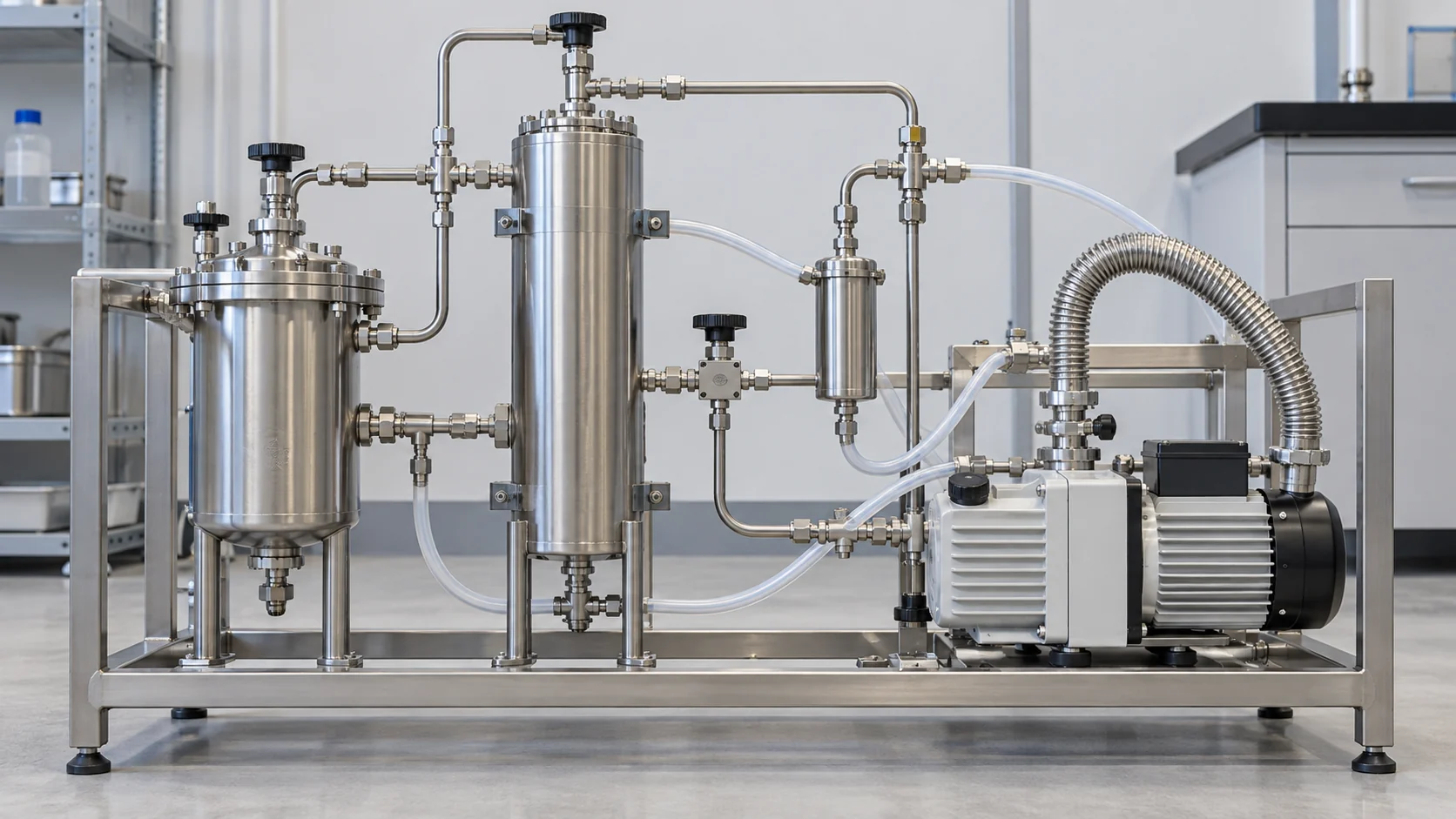
The primary reaction between a proton and boron-11 produces three alpha particles. Its attractions include the absence of neutrons from that primary reaction and the fact that the hydrogen and boron fuel isotopes are not radioactive.
The difficulty is meeting the conditions for enough reactions while also controlling energy losses. Bremsstrahlung is particularly important: electrons emit energy as radiation when their paths are deflected by the electric fields of ions, producing losses through X-rays and other radiation. Raising the temperature does not increase fusion reactions alone. Fuel composition, the difference between electron and ion temperatures, and particle velocity distributions all affect the energy balance. Feasibility cannot sensibly be judged from a single temperature. Background and discussion in an experimental p–¹¹B paper
This research is real. A collaboration between NIFS and TAE Technologies used a hydrogen beam and boron in the Large Helical Device, LHD, to measure alpha particles originating from p–¹¹B reactions. The paper was published on 21 February 2023; it is not a new announcement. This was an experimental advance in studying the reaction, not a demonstration of net electricity generation or self-sustaining fuel burn. NIFS’s explanation of the result
Even when a primary reaction produces no neutrons, radiation losses and other reactions involving the actual fuel and reaction products still require evaluation. “Aneutronic” should not be read as “no radiation” or “no need for shielding or safety engineering.”
Look at what has been demonstrated, rather than declaring a winning fuel
Fuel selection is also an engineering decision about where to take on the difficulties of physics and technology. D–T has materials and tritium challenges; advanced fuels have challenges involving reaction conditions, losses and supply. An easier-to-handle fuel does not necessarily mean an easy-to-build power plant.
When comparing businesses, at least three questions matter. What was actually measured with the fuel used? Is energy gain measured against energy delivered to the fuel, energy supplied to the heating equipment or the electricity consumed by the whole facility? And how much operation has been validated, including fuel supply, equipment lifetime and replacement?
Understanding why D–T leads does not mean rejecting other fuels. It provides a starting point for distinguishing the challenges each approach seeks to solve from the results it has already demonstrated.
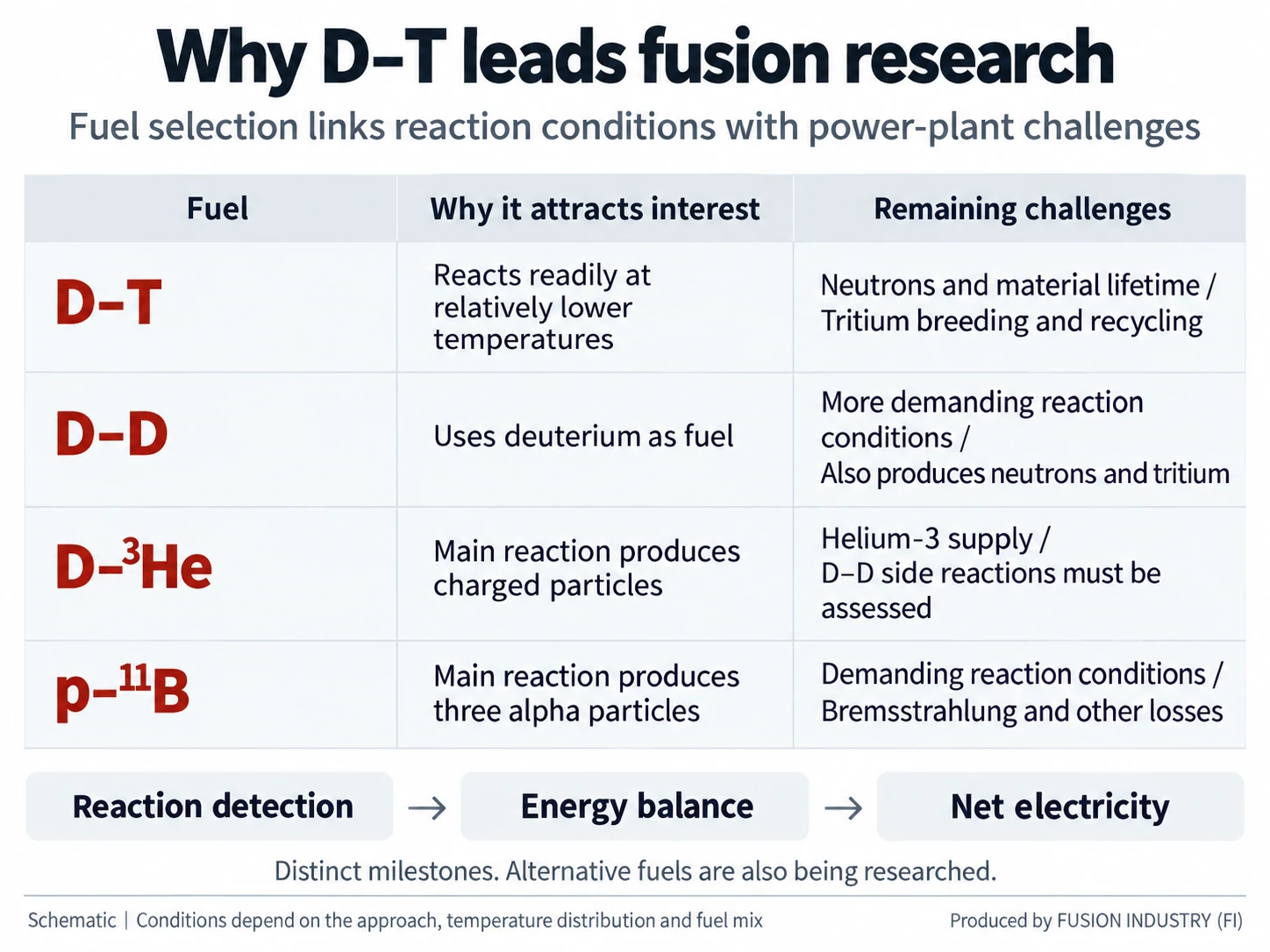
Fusion fuel choices at a glance
A schematic summary of differences in reaction conditions, products and fuel supply. The comparison is conceptual; it does not predict the order or timing of commercial deployment for individual fuels.
- The US Department of Energy’s guide to fusion fuel
- UKAEA’s reaction-calculation documentation
- A paper explaining the Lawson criterion
- The US Department of Energy’s guide to fusion reactions
- UKAEA’s explanation of D–D and secondary reactions
- Background and discussion in an experimental p–¹¹B paper
- NIFS’s explanation of the result
Information checked as of:2026-10-26
Explainer based on public primary sources