NIFS and Ando Hazama launch joint research on fusion facility safety
Japan's NIFS and construction group Ando Hazama have established a Fusion Facility Safety Design Group to study hydrogen permeation through construction materials and develop better containment materials through March 2029. No tritium experiments will be conducted at NIFS.
Read the Japanese originalAnnouncement date:2026-11-16
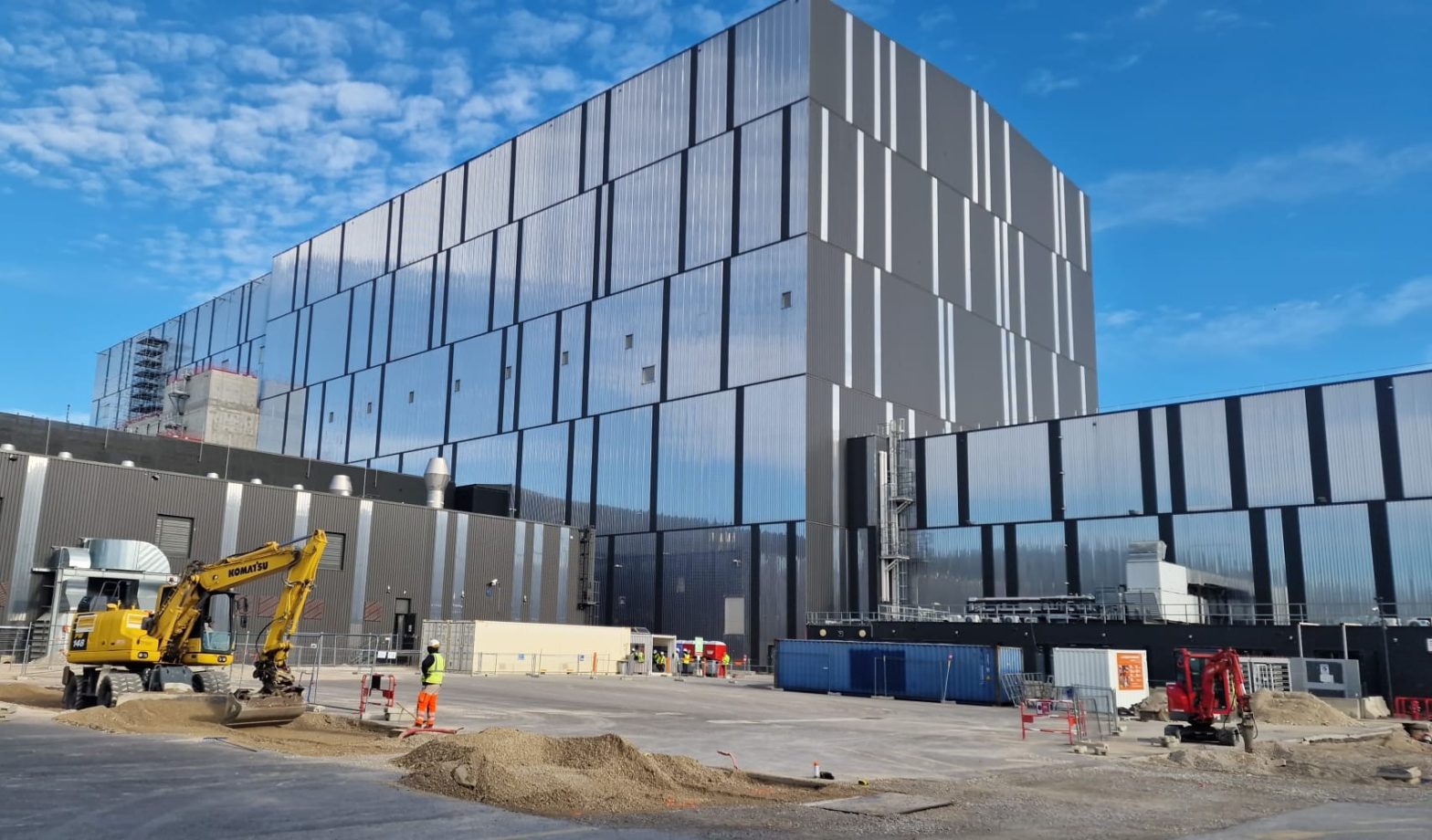
A fusion facility's safety depends on more than its vacuum vessel and fuel systems. How readily can hydrogen pass through materials used in the walls and floors of the building itself? On November 16, Japan's National Institute for Fusion Science (NIFS) and construction company Ando Hazama announced the formation of a joint Fusion Facility Safety Design Group. The building around a fusion device is now part of the research agenda.
Studying construction materials that retain hydrogen
The group was established on November 1 within NIFS's Fusion Energy Industry-Academia Collaboration Laboratory, with an operating period through March 31, 2029. Research leads are 千々松正和, head of the Nuclear and Radiation Research Department at Ando Hazama's Technical Research Institute, and NIFS associate professor 小川国大.
The work has two central aims: understanding how hydrogen permeates construction materials, and developing next-generation materials with improved hydrogen containment. Researchers plan permeation experiments with different materials to analyze the mechanisms by which hydrogen passes through them. The findings would then guide development of materials that retain hydrogen more effectively than conventional alternatives. Establishing the group is a confirmed event; neither a finished new material nor verified performance was announced.
A construction company joins the research stage
Fusion fuel management also raises a facility-wide question: how should substances be contained beyond the reactor equipment itself? Combining NIFS's fusion expertise with Ando Hazama's construction engineering can be seen as an effort to evaluate building materials alongside device development. NIFS explicitly states that it will not conduct experiments using tritium in this research. Hydrogen permeation tests therefore cannot be presented as certification of tritium containment performance.
For the fusion industry, a building is more than a place to install a machine. ITER's infrastructure also involves substantial civil engineering and facility systems. Which materials provide the required performance, and how will that affect construction and maintenance? The new collaboration is at the stage of generating the fundamental test data needed to answer those questions.
- National Institute for Fusion Science — Fusion Facility Safety Design Group announcement (16 November 2026)
- Ando Hazama — Fusion Facility Safety Design Group announcement (16 November 2026)
Information checked as of:2026-11-23
The joint group was established, but no material performance result was announced. NIFS will not use tritium in these experiments.