Where can you work in fusion research? Routes into QST, NIFS and universities
Understand the roles of QST's Naka and Rokkasho sites, NIFS and university laboratories, and distinguish recruitment from postgraduate admission when choosing a workplace for your specialty.
Read the Japanese original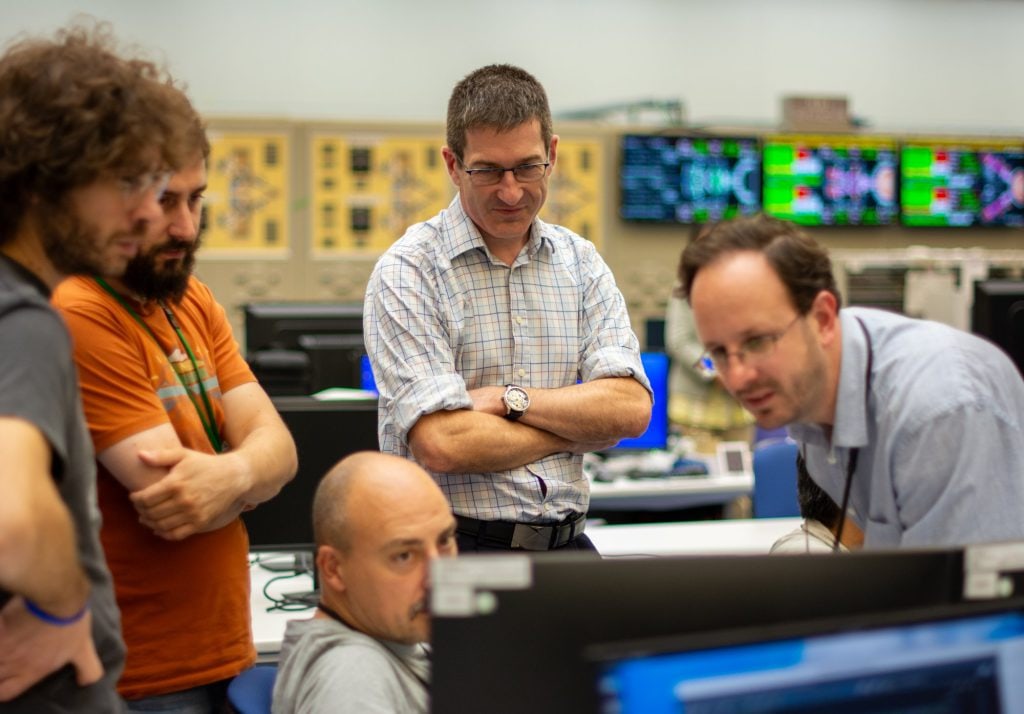
When looking for fusion energy work, ask not only which approach interests you but which organization you want to join and what you want to do. Japan has laboratories operating large machines, academic research institutions collaborating with universities, and university research groups. Employers and working arrangements differ even within fusion.
QST Naka supports JT-60SA and ITER
QST is the National Institutes for Quantum Science and Technology. Its major fusion sites include the Naka Institute for Fusion Science and Technology in Naka, Ibaraki, and the Rokkasho Institute for Fusion Energy in Aomori. QST also covers medicine and quantum technologies, so joining QST and being assigned to fusion are not equivalent.
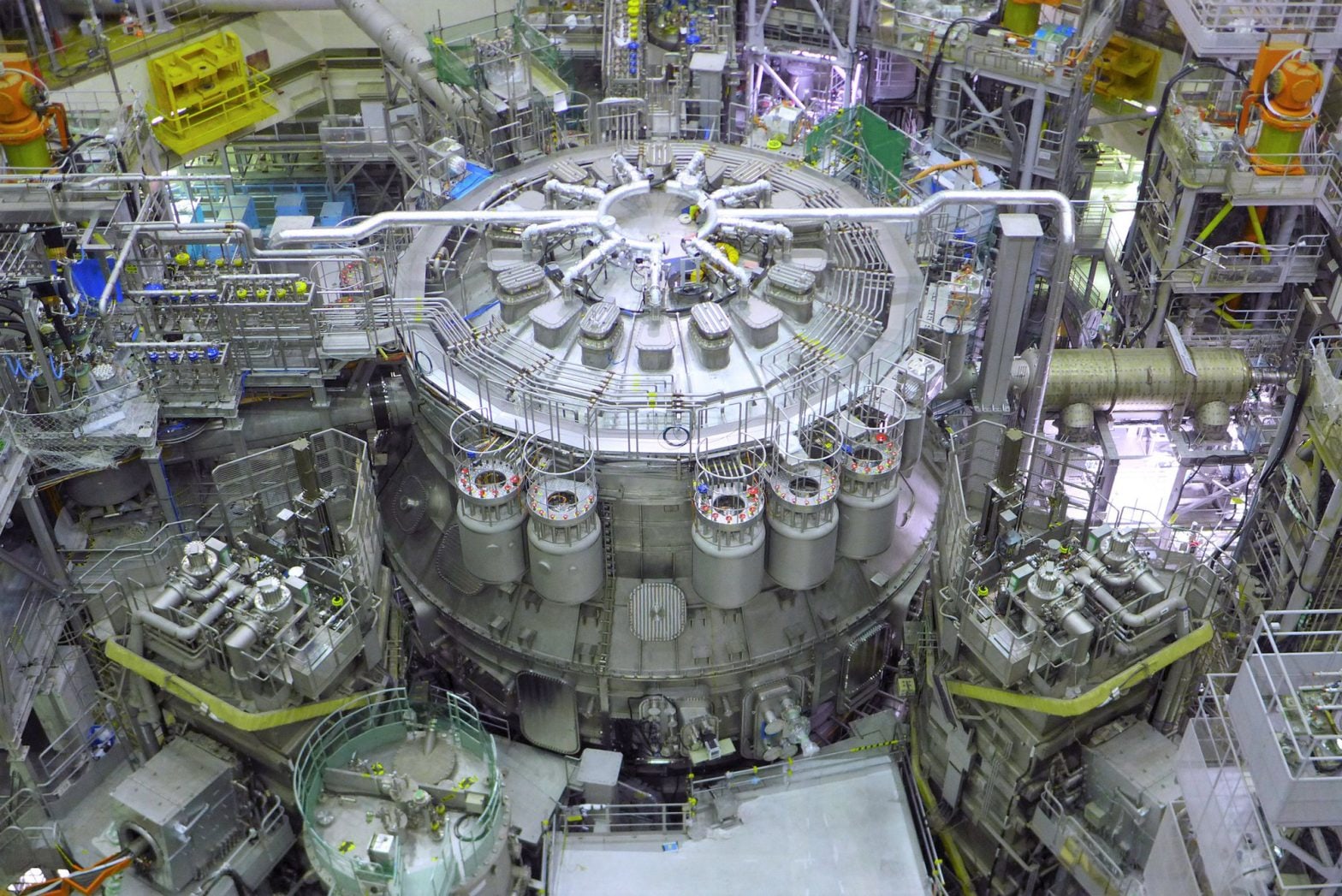
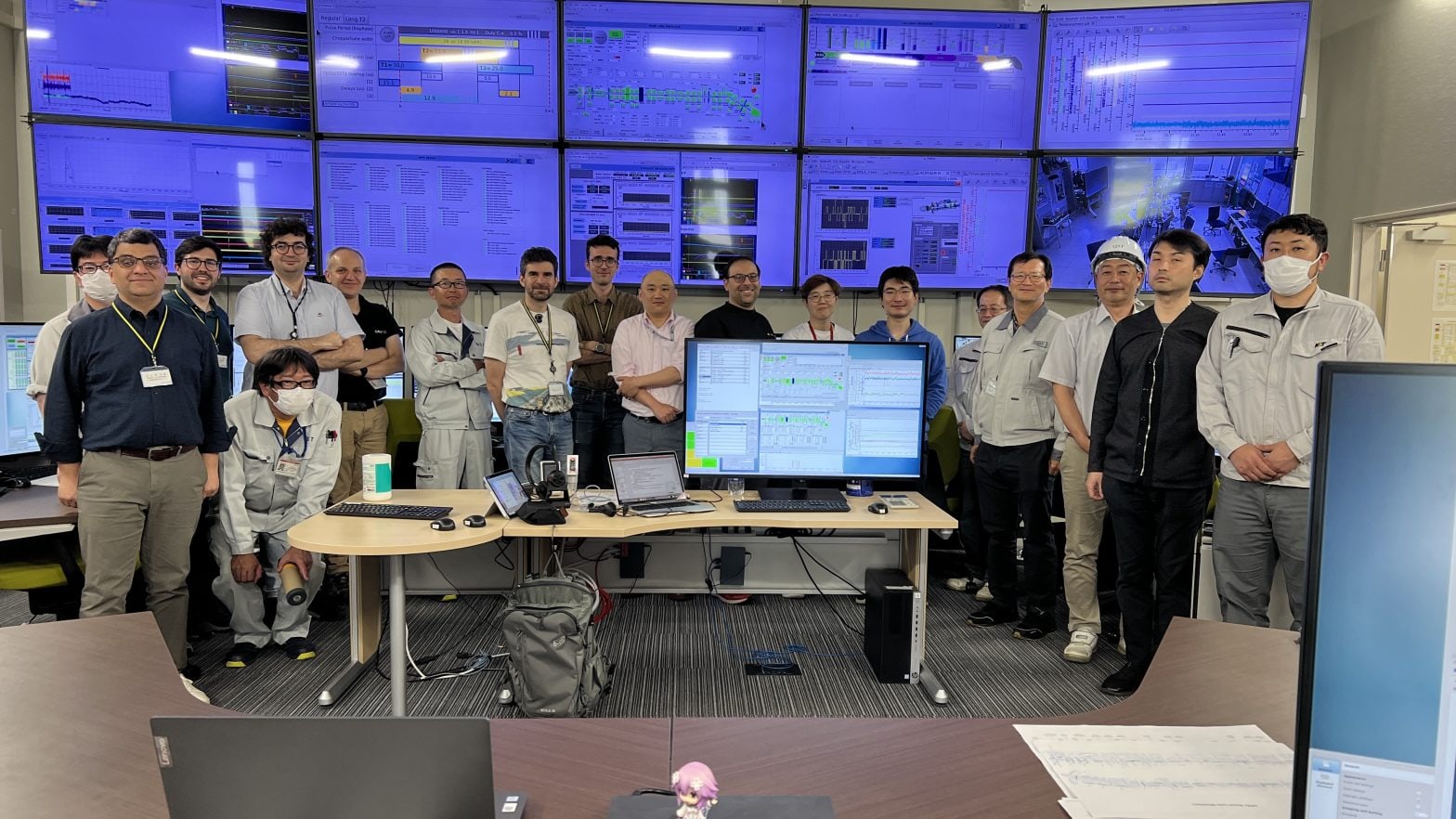
Naka hosts the Japanese–European superconducting tokamak JT-60SA and work as Japan's domestic agency for ITER. Mechanical, electrical and control expertise meet in operations, heating, diagnostics, power supplies and cooling as well as plasma research. Control-room photographs show large experiments operating through collaboration among multiple specialists.
Research applicants should compare themes and achievements with the advertised work; technical applicants should compare operations, maintenance and development experience. Specifying the machine or challenge you want to work on narrows the search more effectively than an institution's reputation alone.
Rokkasho broadens the view to reactor engineering, materials and accelerators
Rokkasho works on reactor systems, materials, blankets and engineering demonstration toward an international fusion materials irradiation facility. A blanket is a key component recovering neutron energy as heat inside a reactor and contributing to fuel production.
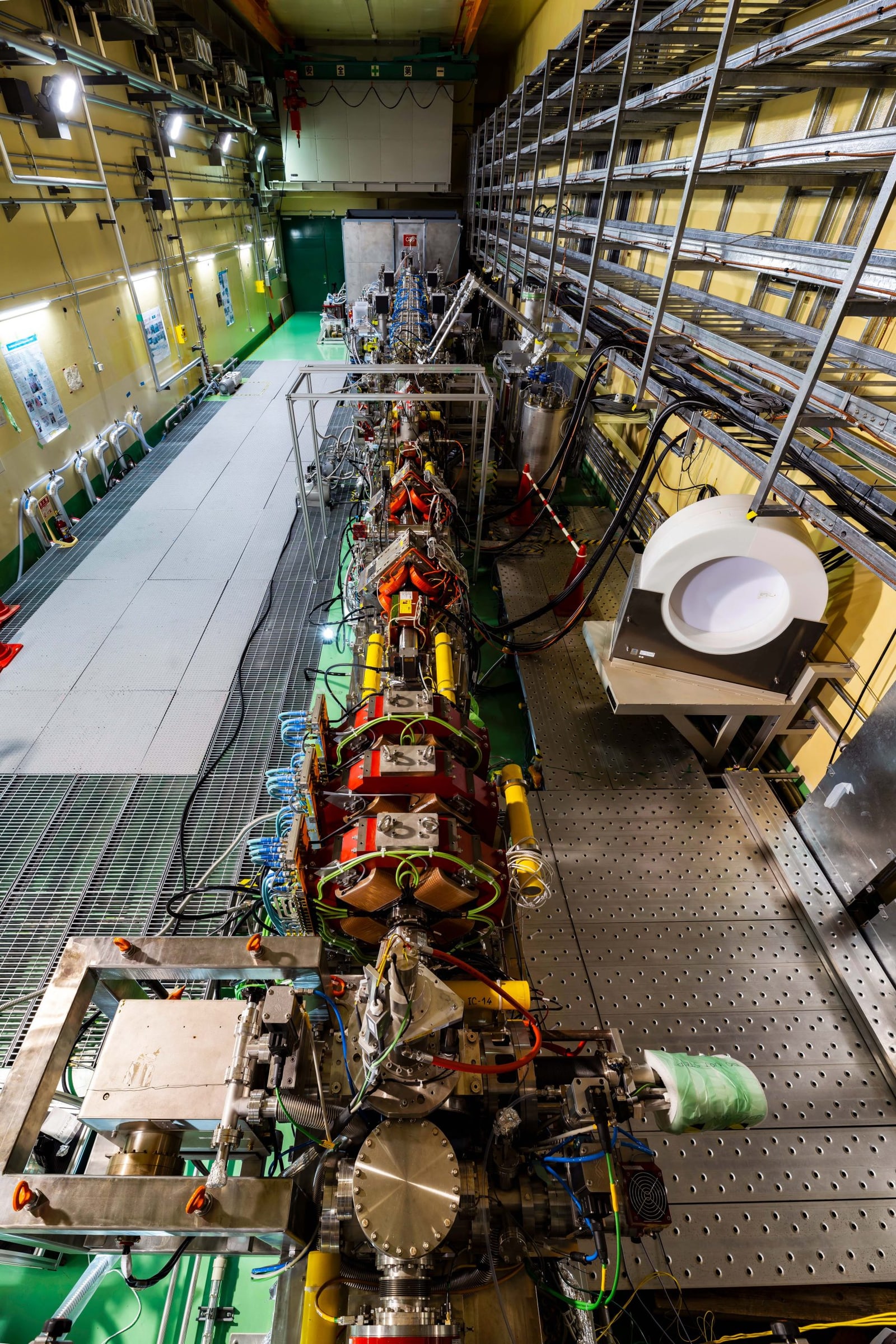
Rokkasho also hosts LIPAc, the prototype accelerator developed through Japanese–European cooperation. It demonstrates accelerator technology for studying future fusion reactor materials; it is not a power reactor. Accelerator equipment, vacuum, power supplies and control offer further routes into fusion. LIPAc's role
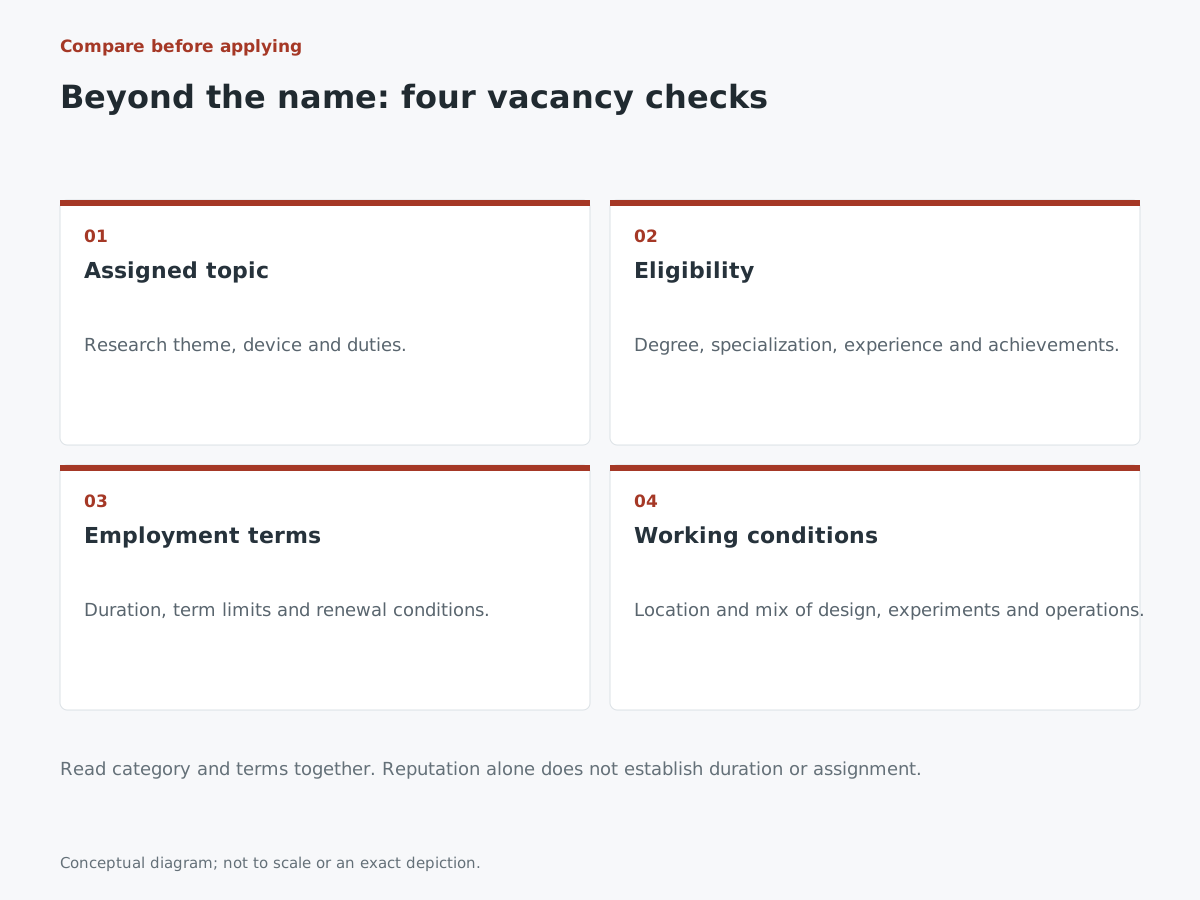
Do not simply group Naka and Rokkasho as interchangeable sites. Examine their different machines and research questions. For a career move, check whether daily work centers on design, experiments or facility operations as well as location.
Find NIFS and university entry points through research themes
The National Institute for Fusion Science (NIFS) in Toki, Gifu, is an inter-university research institute within the National Institutes of Natural Sciences, separate from QST. It conducts research and graduate education with universities. Prospective employees should distinguish research, technical and administrative categories in its recruitment notices.
NIFS's universities and laboratories where plasma and fusion can be studied provides an entry point to research groups. Follow themes such as experiments, theory and simulation, materials or reactor engineering to laboratory pages. Postgraduate admission, research employment and technical or administrative recruitment are different procedures.
Research is not confined to institutions owning large machines. A university participating through collaboration is another route. Affiliation, the university awarding a degree and the experimental facility need not be the same, so students should examine supervision and research location together.
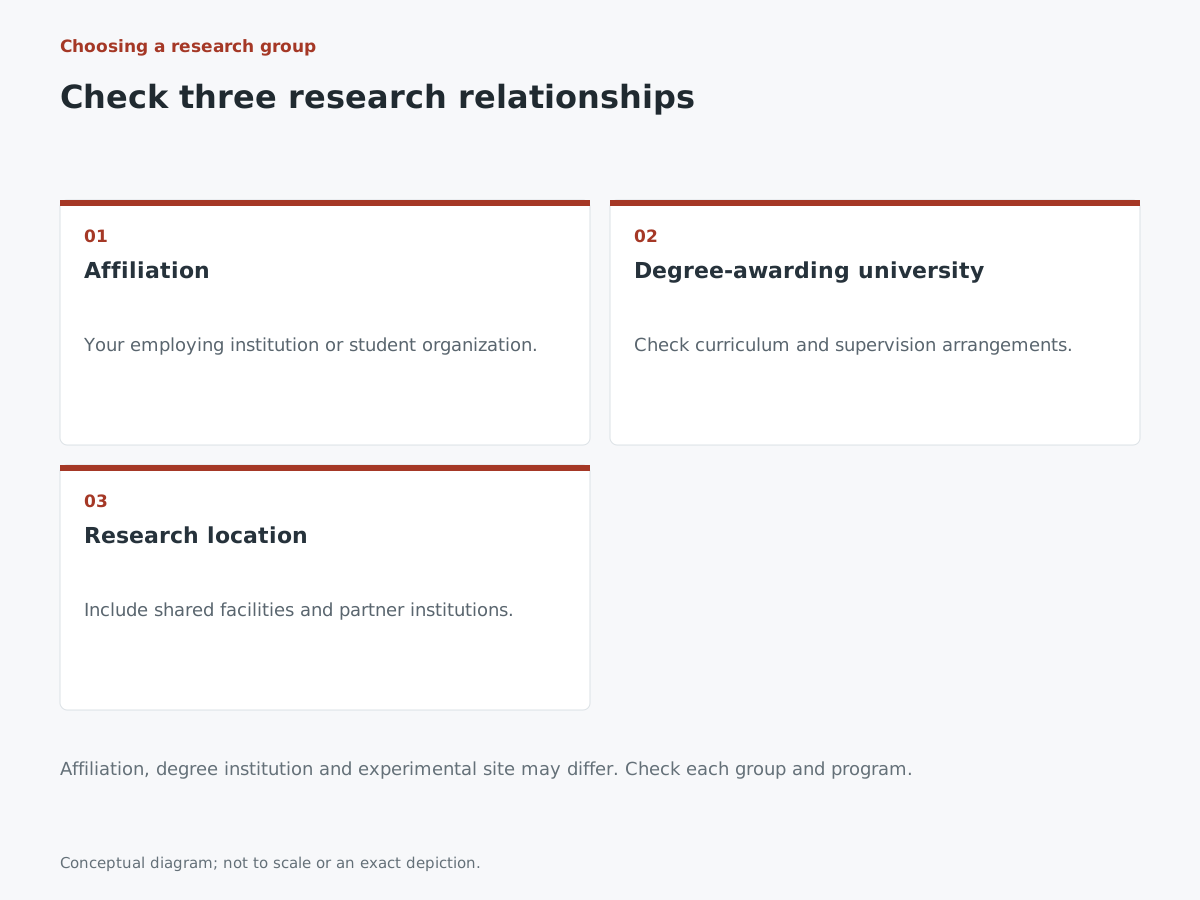
Read affiliation, role and contract as one set
A useful first step is to save official contacts under four headings: QST Naka, QST Rokkasho, NIFS and university laboratories of interest. For each vacancy, record the task, required degree and experience, employment duration and location. Do not infer fixed-term status or renewal conditions from the organization's name.
QST's recruitment site introduces administrative, technical and research roles. A vacancy's existence does not mean it matches your conditions, but recognizing these categories helps dispel the idea that only people who have already researched fusion can apply. Begin choosing an organization by identifying which work at which site connects to your expertise.
- Naka Institute
- Rokkasho Institute
- LIPAc's role
- Recruitment notices
- Universities and laboratories for studying plasma and fusion
- Recruitment site
- JT-60SA (photograph source)
Information checked as of:2026-10-10
Career explainer based on official organizational and recruitment information as of October 10, 2026. Not a report of newly established roles, hiring decisions or guaranteed employment. Conditions vary by vacancy.