Banks Are Part of Fusion’s Future: How MUFG, SMBC and Mizuho Connect Research and Business
What are MUFG, Sumitomo Mitsui Banking Corporation and Mizuho Bank doing before fusion power becomes commercial? A comparison with lending to utilities that operate fission nuclear power plants and examples of public guarantees shows where equity investment, loans for demonstration facilities and business introductions stand today—and what conditions still need to be met for financing.
Read the Japanese original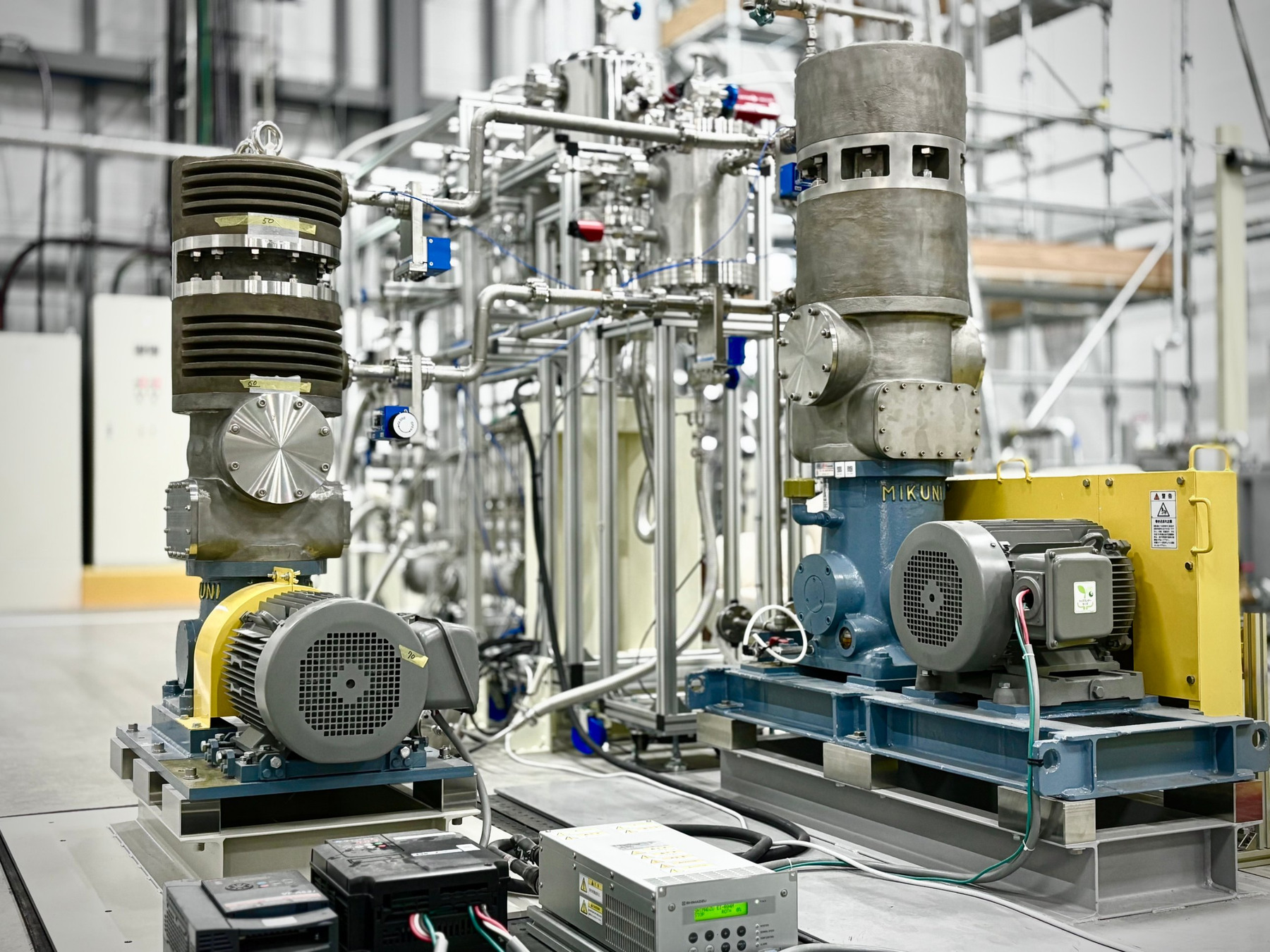
Commercializing fusion power still faces technical and economic challenges. Even so, Japan’s major banks and their groups are already providing fusion energy companies with funding and connections to customers. This raises a question: what are banks looking at when they get involved before fusion power becomes commercial?
Kyoto Fusioneering’s financing provides a concrete example. Its announcement of August 24, 2026 names MUFG Bank, Ltd. as an additional equity investor, and Sumitomo Mitsui Banking Corporation (SMBC) and Mizuho Bank, Ltd. as financial institutions providing loan and credit facilities. Even when they support the same company, they do not necessarily use the same financial instruments. Kyoto Fusioneering’s announcement
The relationship between banks and nuclear power based on fission offers a way to understand these developments. How have the three banks been involved in lending to electric utilities and financing safety measures at nuclear power plants? Can that experience also be applied to fusion? We consider where the money goes and how risks are borne.
Key Points
- The three banks have been involved in lending to utilities that operate nuclear power plants, and in publicly guaranteed loans whose purposes include nuclear plant safety measures.
- In fusion, equity investments in companies, loans for demonstration facilities and introductions between companies in Japan and overseas are already under way. These need to be distinguished from lending to commercial power plants.
- Even with nuclear power’s operating track record, construction and repayment risks do not disappear. In fusion, too, the important questions are who borrows, what funds repayment and who bears the uncertainty.
Contents
- How Do Equity Investment, Corporate Lending and Power Plant Lending Differ?
- How Have the Three Banks Been Involved in Nuclear Power?
- Even with Commercial Nuclear Technology, Banks Do Not Bear the Risks Alone
- MUFG, SMBC and Mizuho’s Work in Fusion
- Can Experience in Nuclear Power Finance Be Transferred Directly to Fusion?
- What Will Lending to Commercial Fusion Power Plants Require?
- Look Beyond the Bank Names to Where the Money Goes
- At a Glance: Banks Supporting Nuclear Power and Fusion
How Do Equity Investment, Corporate Lending and Power Plant Lending Differ?
The first distinction is between equity investment, which makes the investor a shareholder in a company, and lending, which provides money on the expectation of repayment. Equity investors participate in growth in a company’s value, but bear the risk of being unable to recover their investment if development does not progress. Lending calls for scrutiny of the use of funds and the prospects for repayment. A loan facility, moreover, does not mean that the entire facility has already been borrowed or disbursed.
Within lending, corporate finance based on the creditworthiness of the borrowing company as a whole and project finance relying primarily on the revenue generated by a particular project look at different things. Public lending and guarantees are forms of support that can be combined with these structures. A nuclear-related use of funds alone does not determine a loan’s structure. IAEA overview of financing structures, pages 37–39
The financing that Kyoto Fusioneering announced it had secured in August 2026 totaled ¥25.72 billion: ¥16.72 billion in equity and ¥9 billion in debt financing, including loan and credit facilities. The announcement did not disclose the amount committed by each bank or the amount of loans already disbursed.
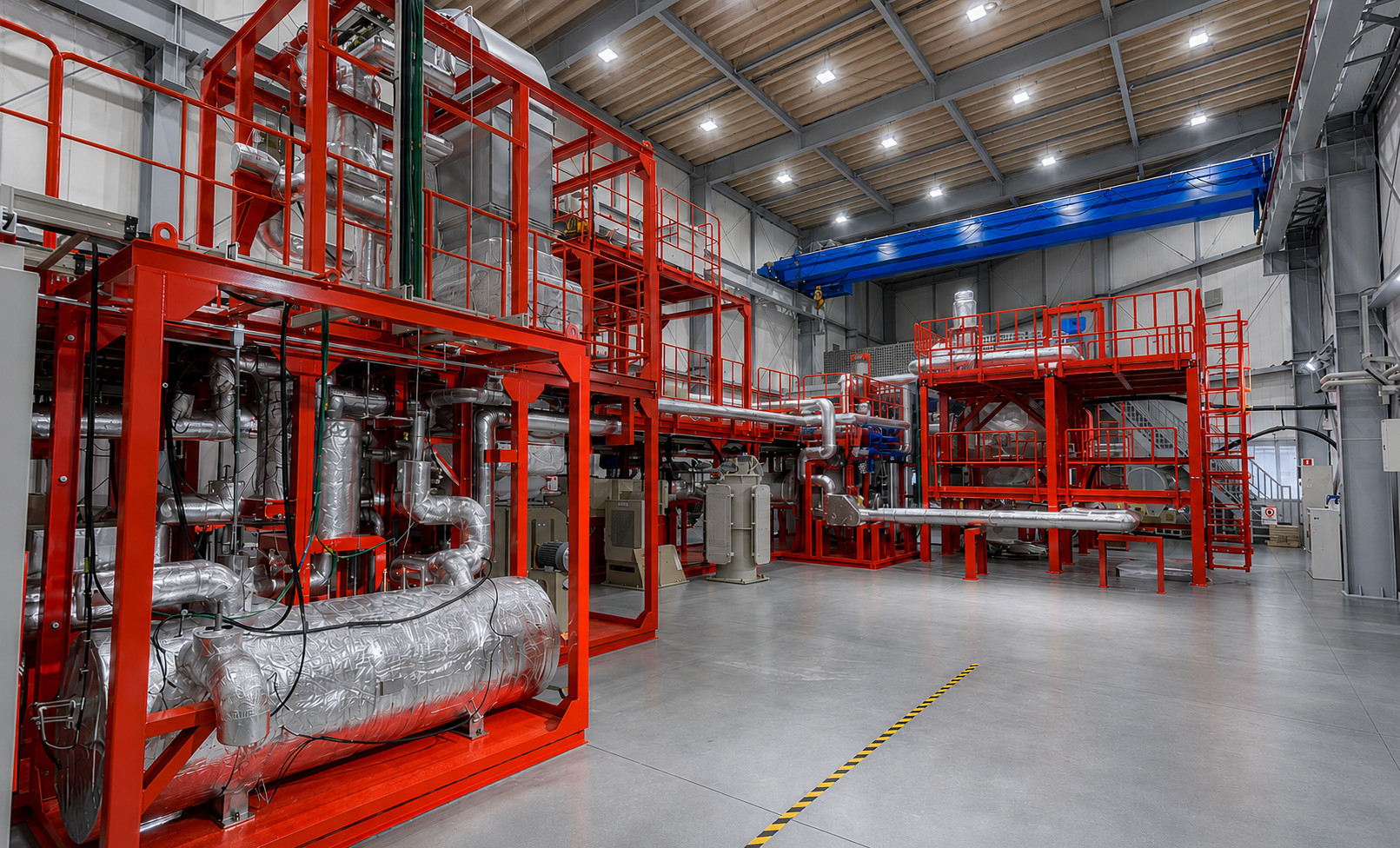
The company’s planned uses of funds include developing integrated demonstration facilities and moving to mass production of gyrotrons, which heat plasma. Bank funding does not go only to power plants that will sell electricity in the future. Companies that manufacture equipment and facilities that test technologies are also financing targets. Financing breakdown and uses of funds
How Have the Three Banks Been Involved in Nuclear Power?
A Tokyo Electric Power Company report from before the Fukushima Daiichi nuclear accident lists Sumitomo Mitsui Banking Corporation, Mizuho Corporate Bank and the Bank of Tokyo-Mitsubishi UFJ among its major lenders as of the end of March 2010. The latter two were the names at the time of banks that became today’s Mizuho Bank and MUFG Bank, respectively. However, the figures shown are the outstanding borrowings of Tokyo Electric Power Company as a whole; they cannot simply be relabeled as lending to nuclear power plants. Tokyo Electric Power Company’s fiscal 2009 report, page 17
Banks also played an important role after nuclear plants stopped operating. According to Chubu Electric Power’s official corporate history, after the company accepted the request to shut down the Hamaoka Nuclear Power Station in May 2011, it faced substantial financing needs for purposes including procuring fuel for replacement thermal power generation. As issuing corporate bonds became difficult, in June that year it signed loan agreements totaling approximately ¥250 billion with the then Bank of Tokyo-Mitsubishi UFJ, Sumitomo Mitsui Banking Corporation and Mizuho Corporate Bank. This was not lending to build a new nuclear power plant, but work to support the utility’s liquidity. Chubu Electric Power’s 70-year history, page 539
More recent examples include loans with nuclear plant safety measures among their designated uses. On March 31, 2026, Chugoku Electric Power announced the disbursement of loans to fund safety improvement work and related activities at Unit 3 of the Shimane Nuclear Power Station, and equipment upgrades at the Toyokawa Hydroelectric Power Station. Five financial institutions, including Mizuho Bank, Sumitomo Mitsui Banking Corporation and MUFG Bank, participated, using a debt guarantee from the GX Acceleration Agency. Chugoku Electric Power’s loan disbursement announcement
In September of the same year, the company announced that it would raise a total of ¥149 billion from eight financial institutions, including these three banks. The funds were designated for Shimane Unit 3 and the Akatsuka Hydroelectric Power Station; not all of the amount was for nuclear power. Because the September 25 announcement listed the signing and disbursement dates as scheduled for later dates, this article treats it as an announced financing decision. Chugoku Electric Power’s additional financing announcement
Seen this way, the relationship between banks and nuclear power is not limited to lending money for reactor construction. Their roles change with the stage of the business: corporate finance supporting utilities, liquidity during shutdowns and loans earmarked for safety measures, among other functions.
Even with Commercial Nuclear Technology, Banks Do Not Bear the Risks Alone
Consider one example of a new nuclear power plant. The UK’s Sizewell C reached financial close—the point at which the financing agreements and conditions were put in place—on November 4, 2025, securing £5 billion in export credit-backed debt from 13 banks. The disclosed banking group includes HSBC and BNP Paribas. None of the three Japanese banks is included in the published list of 13 banks. Sizewell C’s announcement
What matters is the structure more than the loan amount. Alongside government equity and lending, the project combines a regulated asset base (RAB) model that provides regulated revenue through electricity bills from the construction phase with government support for certain severe cost overruns and other circumstances. This is not a structure in which banks alone take on all construction risk. Public support does not eliminate risk; it changes how the burden is shared among investors, consumers and taxpayers. UK government summary business case, pages 8–10
The IEA also identifies large upfront investments, long construction periods, delays and cost overruns as challenges in financing new nuclear power plants. Whether nuclear power technology is commercial and whether an individual power plant can secure financing are separate questions. IEA analysis of nuclear financing
So where are the three banks beginning their involvement in fusion, which is still at the development and demonstration stage?
Which Parts of Fusion Power Is MUFG Financing?
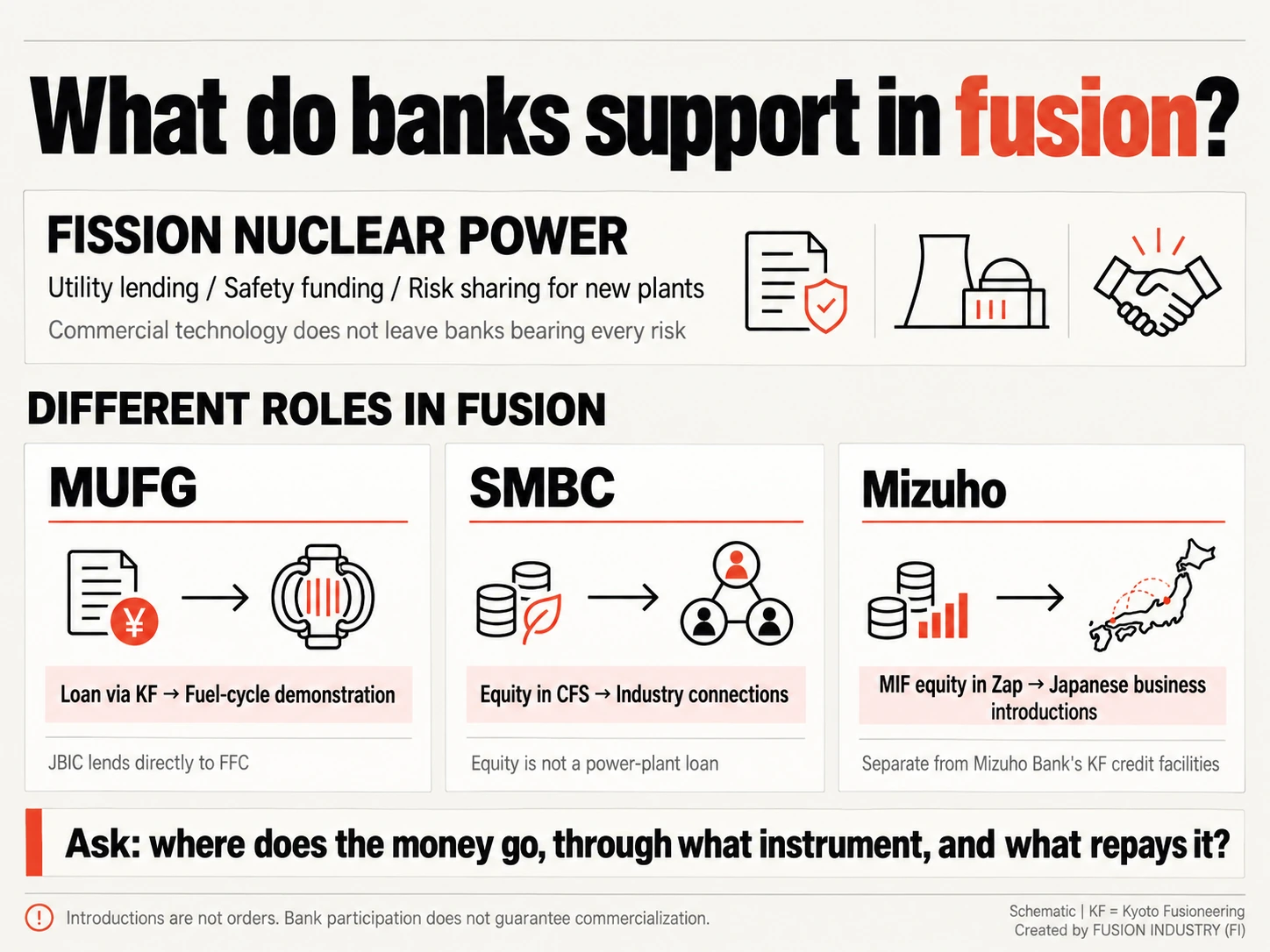
The involvement of MUFG Bank, part of Mitsubishi UFJ Financial Group, Inc. (MUFG), goes beyond equity investment. In September 2025, it announced a loan supporting a fuel cycle demonstration project in Canada, co-financed with the Japan Bank for International Cooperation (JBIC). The total financing arranged was equivalent to C$20 million. Under the structure, JBIC lends directly to the joint venture Fusion Fuel Cycles (FFC), while MUFG Bank lends the yen equivalent of C$10 million through Kyoto Fusioneering. JBIC’s portion is capped at C$10 million. MUFG Bank’s announcement / JBIC’s announcement
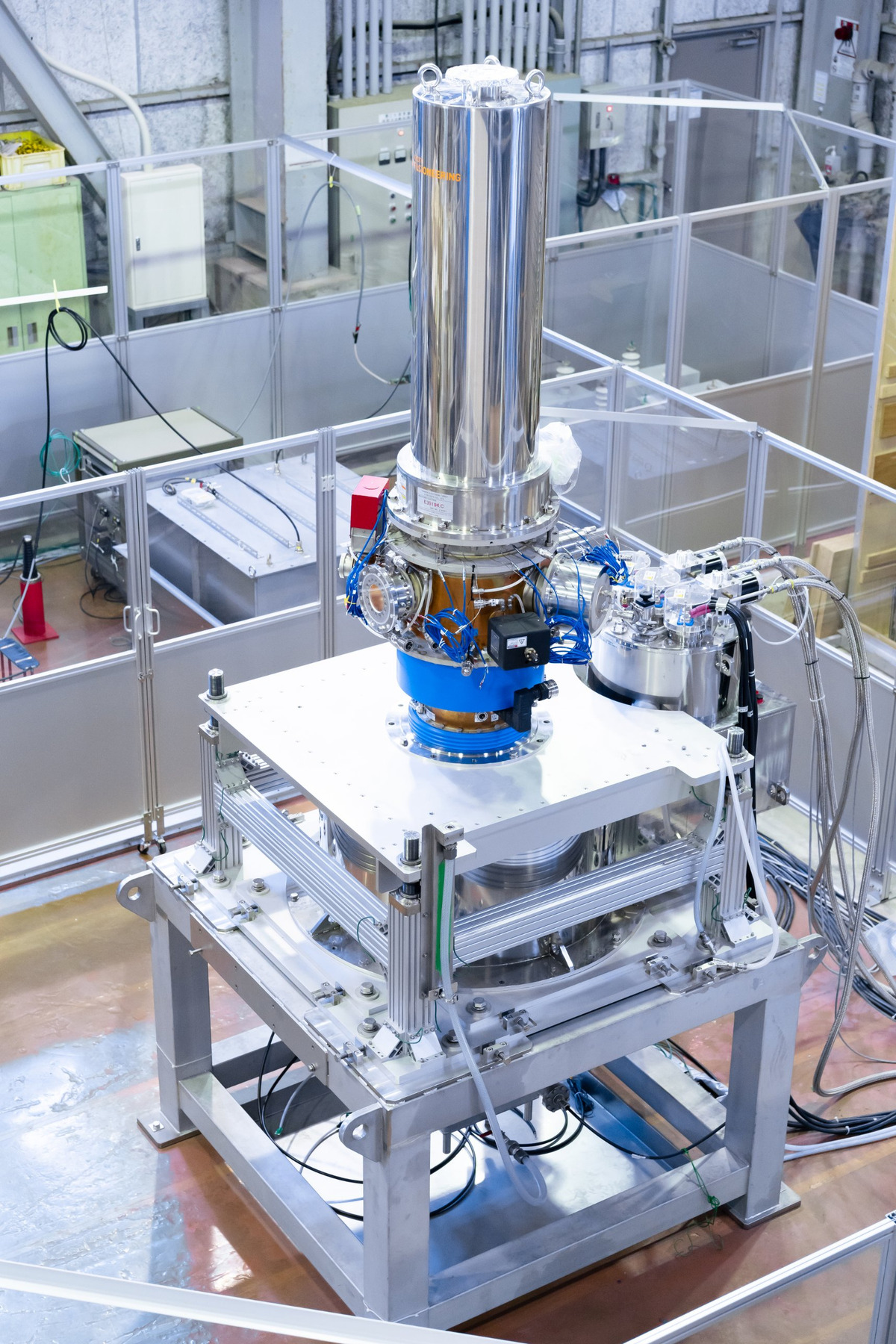
The funds go toward purposes including construction of UNITY-2, a project being undertaken by FFC, the joint venture between Kyoto Fusioneering and Canadian Nuclear Laboratories. This facility tests the sequence of processes for recovering, purifying and resupplying fusion fuel. Rather than supporting a commercial power plant itself, the financing supports the stage of verifying fuel supply technology needed to make such a plant viable.
This is a concrete role: a government-backed financial institution and a private bank work together to arrange funding for an overseas demonstration facility. MUFG’s published materials position it as an initiative supporting overseas business expansion by mid-sized and small businesses, and the development of new industries. Receiving a loan cannot be equated with completion of fuel cycle demonstration or achievement of commercialization. The facility and the purpose of the support
Why Did SMBC Invest in US-Based CFS?
On September 2, 2025, Sumitomo Mitsui Banking Corporation announced an equity investment in US-based Commonwealth Fusion Systems (CFS). The investor was the bank itself, a separate legal entity from SMBC Venture Capital Co., Ltd., which invests in Japan-based Kyoto Fusioneering.
The CFS investment used SMBC’s Social Value Creation Investment Fund and was jointly considered by 12 Japanese companies. The participants span trading, electric power, materials, finance and other industries. This announcement did not disclose SMBC’s individual investment amount. SMBC’s investment announcement
A notable point is that SMBC identifies supply chain development using its customer base and financial solutions as an objective. The consortium aims to bring together the policy, regulatory, construction, operation and maintenance knowledge gained through CFS’s US projects with Japanese companies’ expertise. The equity participation is also intended to connect overseas development projects with industry in Japan.
However, considering a joint investment and sharing knowledge do not establish that participating companies have secured orders or that a power plant will be built in Japan. Which technologies are actually adopted and which contracts follow will be important measures of the subsequent results.
What Does Mizuho Provide Beyond Funding?
On October 7, 2024, Mizuho Financial Group, Inc. announced an investment in US-based Zap Energy. The investor was its dedicated investment subsidiary, Mizuho Innovation Frontier Co., Ltd. Both the counterparty and the financial instrument differ from Mizuho Bank’s participation as a provider of loan and credit facilities in Kyoto Fusioneering’s 2026 financing. Mizuho’s investment announcement
An interesting aspect of the relationship with Zap Energy is the concrete description of work after the investment. Mizuho’s official case study identifies financing, technical partnerships with Japanese companies, entry into the Japanese market and knowledge sharing as the pillars of support. It says that domestic customers who saw the announcement asked whether their own businesses could contribute to fusion development, leading to introductions to several companies. Official case study of support for Zap Energy
For manufacturers outside the fusion sector, identifying where their technologies may be needed in fusion is not easy. Financial institutions familiar with overseas developers can play a meaningful role by connecting them with customers. This case shows that the role is already taking shape. However, the case study does not identify the companies introduced or report completed contracts. A record of introductions must be distinguished from a record of orders won.
Can Experience in Nuclear Power Finance Be Transferred Directly to Fusion?
A common feature of the examples so far is that the label “nuclear power” or “fusion” alone does not determine the role of finance. Lending to Japanese utilities supports the borrowing companies, while financing for a new nuclear plant in the UK combines revenue arrangements with public support. In fusion, funding and networks initially reach company growth, equipment supply, demonstration facilities and the development of business relationships.
Overseas, there are also moves to prepare for the next steps. In July 2026, the UK’s Barclays announced support for the UK Infinity Fusion Consortium, comprising Type One Energy, Tokamak Energy and AECOM. Its contribution is experience in areas including energy, infrastructure, project finance and capital markets. The announcement does not state a loan amount or report a loan disbursement. Joining in support and securing the construction funding for a commercial power plant are different stages. Announcement of Barclays’ support
These examples suggest scope to draw on financing experience used in nuclear power. But experience alone does not demonstrate a fusion facility’s electricity-generating performance, availability or construction cost. Nor do these examples show that Japan’s GX guarantees or the UK’s RAB model would apply directly to fusion projects.
What Will Lending to Commercial Fusion Power Plants Require?
Banks’ public materials alone cannot reproduce their confidential lending assessments. Nevertheless, the comparison so far allows us to identify questions that need to be examined for a power generation business.
First, what will be sold to fund repayment? The underlying contracts differ between a loan to a company expecting equipment sales revenue and a loan relying on a power plant’s long-term electricity sales revenue. Even where a power purchase agreement exists, it is necessary to examine the conditions if generation is delayed, as well as the commitments on price and volume.
Second, how reliably can electricity be supplied? This depends not only on achieving a fusion reaction, but also on the power consumed by the facility, fuel supply, component replacement and downtime for maintenance. The gap between what a demonstration facility has verified and what commercial operation requires must be closed.
Third, who will provide additional funding if construction costs or schedules diverge from the plan? As the Sizewell C example shows, financing structures depend not only on technology, but also on how risks are shared among operators, equity investors, lenders and public bodies.
Licensing, insurance and costs after operations end are also issues. In addition to public finance for companies and supply chains, the UK’s 2026 fusion strategy identifies a need to establish insurance suitable for fusion and arrangements for decommissioning costs. The UK government’s 2026 strategy
These are business questions that this article has drawn from the examples, not common lending conditions published by the three banks. Equity investment, corporate lending and financing for commercial power generation projects involve different risks and different track records that can serve as evidence.
Look Beyond the Bank Names to Where the Money Goes
Banks have helped finance utilities that operate nuclear power plants, and have also supported liquidity during nuclear plant shutdowns and lending for safety measures. Even when viewing fusion as an extension of this experience, it is not possible to leap to the conclusion that bank participation means commercialization is close.
MUFG’s example shows support for fuel cycle demonstration and overseas expansion. SMBC has a vision of connecting an overseas reactor developer with Japanese supply chains, while Mizuho is making introductions to domestic companies. Even in a market that is still small, there is work to be done in developing equipment, companies and business relationships before future power generation arrives.
When reading the next financing announcement, check three things in addition to the bank names and total amount. Is the money going to a company, a demonstration facility or a commercial power plant? Is the announcement about equity investment, a loan facility or a loan already disbursed? And who bears the burden if events do not proceed as planned? These are where the process of fusion energy moving from expectation to business becomes visible.
Note: This article is a business explainer based on publicly available materials reviewed through October 25, 2026. It does not estimate lending conditions for individual nuclear power or fusion projects, and is not intended to recommend financial products or assess creditworthiness.
At a Glance: Banks Supporting Nuclear Power and Fusion
This overview compares corporate lending and public risk-sharing in nuclear power with the three banks’ current work in fusion. The two are not stages on a single linear path. The key to the comparison is that the financing target, instrument and source of repayment differ from project to project.
- Kyoto Fusioneering accelerates development toward the commercialization of fusion energy
- Co-financing with JBIC for Kyoto Fusioneering Ltd.
- Loan for a project to construct and operate a fusion fuel cycle system demonstration facility undertaken by a Japanese company in Canada
- Investment in Commonwealth Fusion Systems LLC
- Participation in an investment in US-based Zap Energy
- Contributing to stronger industrial competitiveness and carbon neutrality through fusion energy that creates a sustainable future
- Barclays supports the development of commercial fusion power in the UK
- A new energy revolution: The UK’s plan for delivering fusion energy
- Tokyo Electric Power Company Fiscal 2009 Report
- Chubu Electric Power’s 70-Year History, Part 6: Strengthening the Management Foundation
- Financing through a transition loan using financial support from the GX Acceleration Agency
- Financing through a transition loan using financial support from the GX Acceleration Agency (additional financing)
- Sizewell C reaches Financial Close, with £5 Billion export credit backed debt raise
- Sizewell C Project: Summary Business Case
- Managing the Financial Risk Associated with the Financing of New Nuclear Power Plant Projects, NG-T-4.6
- Financing nuclear projects — The Path to a New Era for Nuclear Energy
Information checked as of:2026-10-25