JET decommissioning turns to seven suppliers for specialist staff
UKAEA’s staffing framework divides 22 roles across five lots. It shows how fusion work extends into integration, logistics, planning and waste management.
Read the Japanese original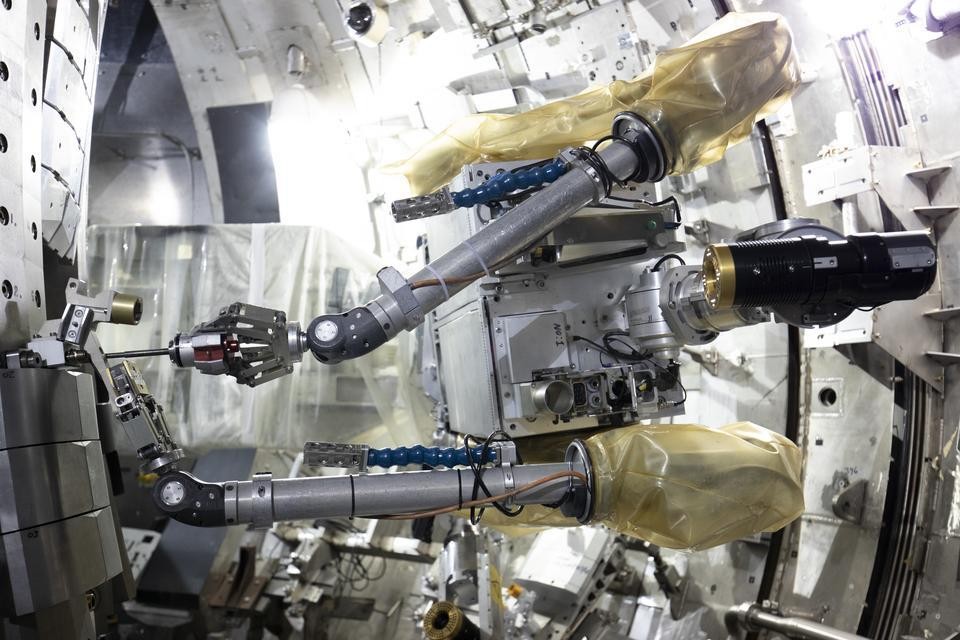
A fusion experiment’s closure creates a different set of jobs. For JET decommissioning, UKAEA established a framework to obtain specialist personnel through seven companies. Its 22 roles extend from programme controls to digital capability, logistics and waste. Looking only for equipment orders misses part of this market.
Seven companies and 22 roles
The Management Framework announced on 1 May 2026 supports the second tranche of JET Decommissioning and Repurposing, JDR. The companies are Amentum, Assystem, AtkinsRéalis, Cyclife, Mott MacDonald, Nuvia and Vulcain Engineering Group.
Five procurement lots cover 22 individual roles. Skills include programme control, engineering integration, digital capability, logistics, waste, decommissioning and handling, and planning. Not every supplier is assigned to every lot. The framework provides access to contingent labour through pre-qualified suppliers, rather than procuring a complete machine.
Adding expertise to site knowledge
Specialists from outside still need the organisation’s knowledge of the plant. UKAEA describes bringing supply-chain skills and experience into the team to complement its understanding of JET systems and the site.
In its July 2026 progress account, JDR reported retrieving 66 sample tiles and components for analysis, and removing, packaging and preparing 11 diagnostics for reuse by other fusion programmes. Remote handling, sample management and transfer to a new user require different capabilities. These are programme-wide achievements, not a breakdown of the seven companies’ orders or results.
A spending ceiling is distinct from revenue
The framework has a maximum spend of £9.9 million and a four-year delivery period. Neither an immediate expenditure of the full sum nor equal revenue for each company can be inferred. The 22 roles are not a count of people hired at once.
The JDR update also describes deferring some projects to fit the funding profile and organising delivery in phases and work packages. Suppliers need to distinguish a framework’s ceiling from the skills and tasks required for particular stages.
Opportunities beyond manufacturing equipment
Fusion-specific knowledge meets experience from other sectors. A December 2025 agreement between UKAEA and the Nuclear Decommissioning Authority supports knowledge sharing on waste strategies and auxiliary-building decommissioning. That collaboration is separate from the seven-supplier staffing framework.
FI’s interpretation is that the interface matters: site information must be combined with specialist skills to support scheduling, waste and handover decisions. Integration, planning, logistics and data businesses can therefore have a role alongside manufacturers throughout a fusion facility’s life. This does not establish that the framework is currently open to new suppliers or applications.
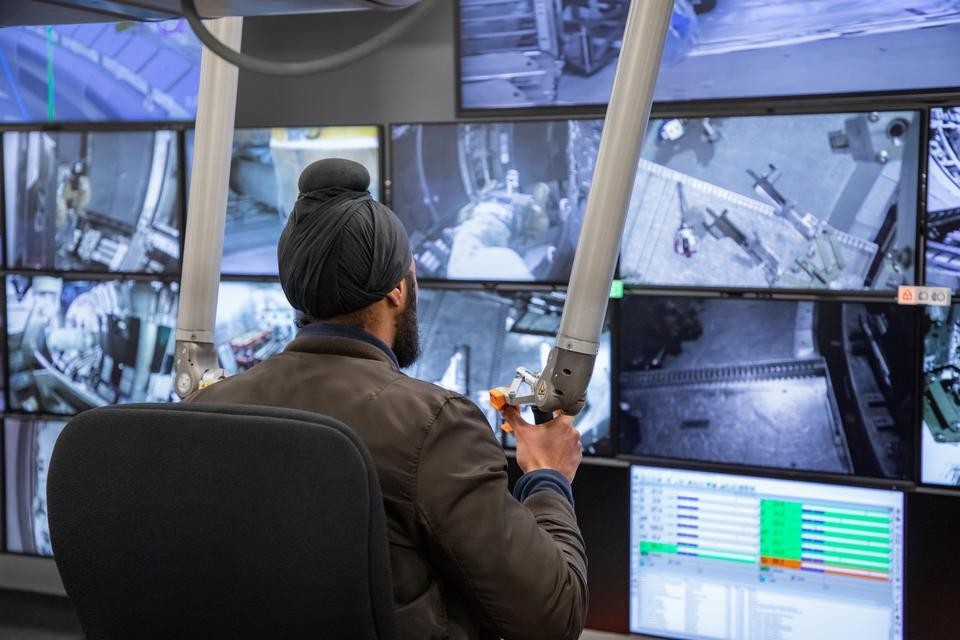
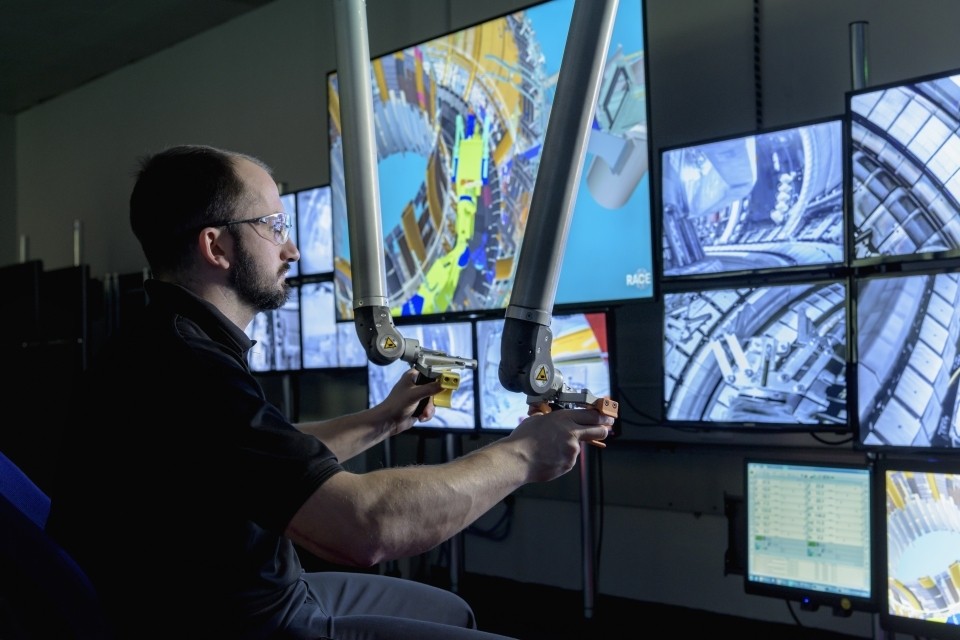
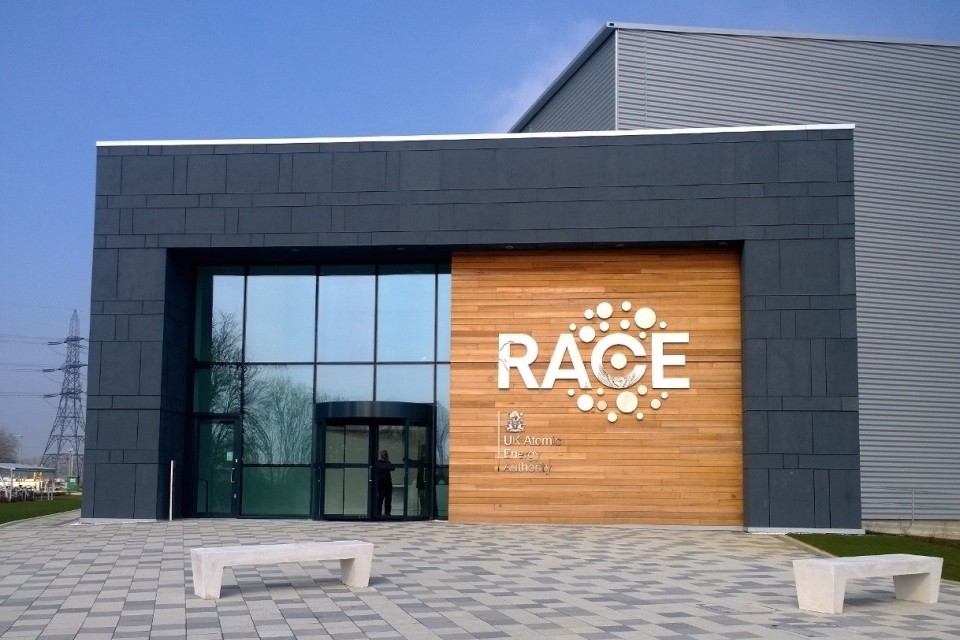
The photographs are archive views of UKAEA remote-handling, training and RACE facilities, not evidence of the seven suppliers’ staffing or contract delivery. RACE’s facility guide provides an example of infrastructure used to test such capabilities.
- UKAEA Management Framework 2026年5月1日
- UKAEA JDR進捗・優先順位 2026年7月23日
- UKAEA NDA知識共有協定 2025年12月17日
- UKAEA RACE試験施設
Information checked as of:2026-11-26
2026年5月の人材調達枠組みと7月JDR進捗、2025年12月NDA協定を区別。990万ポンドは最大支出額で支出実績・各社売上ではない。22職種を採用人数としない。現在の追加募集・ロット別受注は未確認。結びはFIの分析。