Gyrotron opportunities extend beyond the tube: the supply chain behind a heating system
Additional ITER procurement spans electron tubes, magnets, insulation, power supplies and transmission. Japanese and European responsibilities help suppliers define the product scope they can offer.
Read the Japanese originalAnnouncement date:2026-05-20
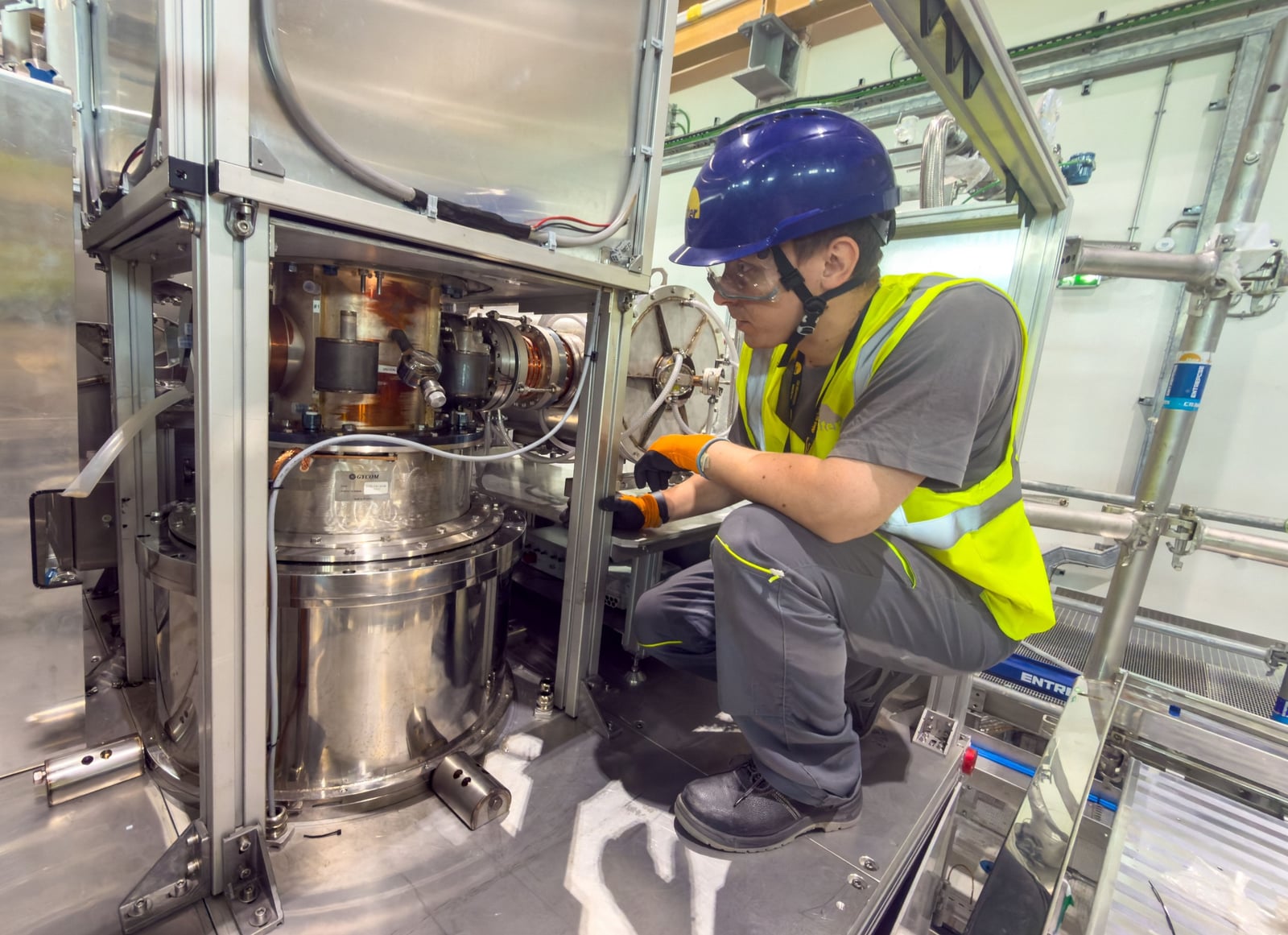
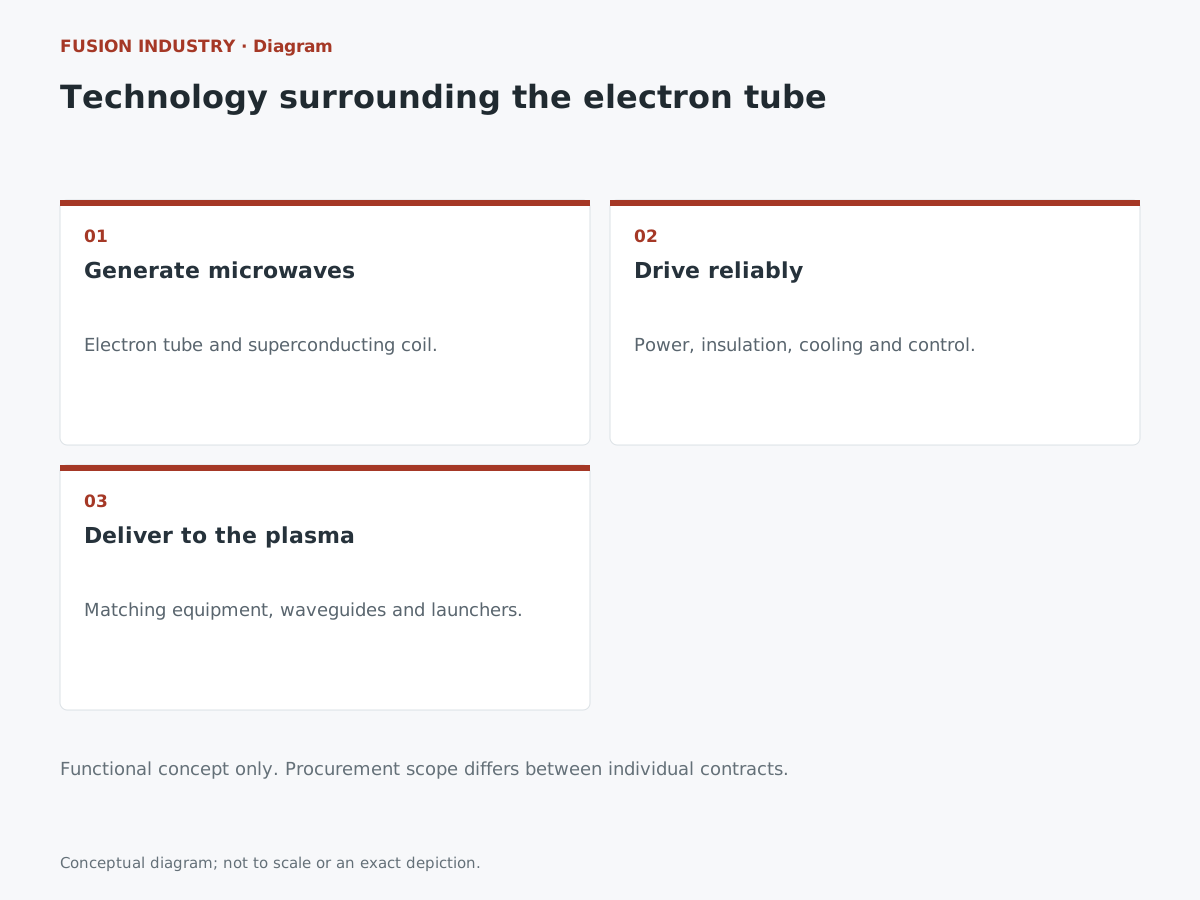
Fusion heating equipment often brings the giant electron tube itself to mind. Yet generating microwaves with a gyrotron and delivering them to plasma also requires magnets, power supplies, insulation, cooling, transmission and control. Prospective suppliers should ask not only whether to develop a tube from scratch but which link in this chain they can provide as a product.
Twenty additional systems reveal six manufacturing areas
On May 20, 2026, QST announced additional procurement of 20 gyrotron systems commissioned by the ITER Organization in May 2025, along with contracts with six Japanese companies. Requirements include increasing output from the previous 1 MW per unit to 1.2 MW. The commissioned contract includes an option for four more units, but these cannot be counted in the same way as the confirmed 20. QST announcement
The responsibilities are electron tubes for Canon Electron Tubes & Devices; superconducting coils for Japan Superconductor Technology; ceramic cylinders for Kyocera; power supplies and fast switches for Tokyo Electronics; coils, power-feeding equipment and supports for NAT; and quasi-optical matching units for Toyama. A matching unit efficiently transfers emitted microwaves into a waveguide. A single heating function involves many manufacturing technologies.
This describes a procurement with suppliers already selected, not a new call. Its value for prospective entrants lies less in a list of contracted names than in a map of products by function.
In Europe too, oscillators and controls are separate work
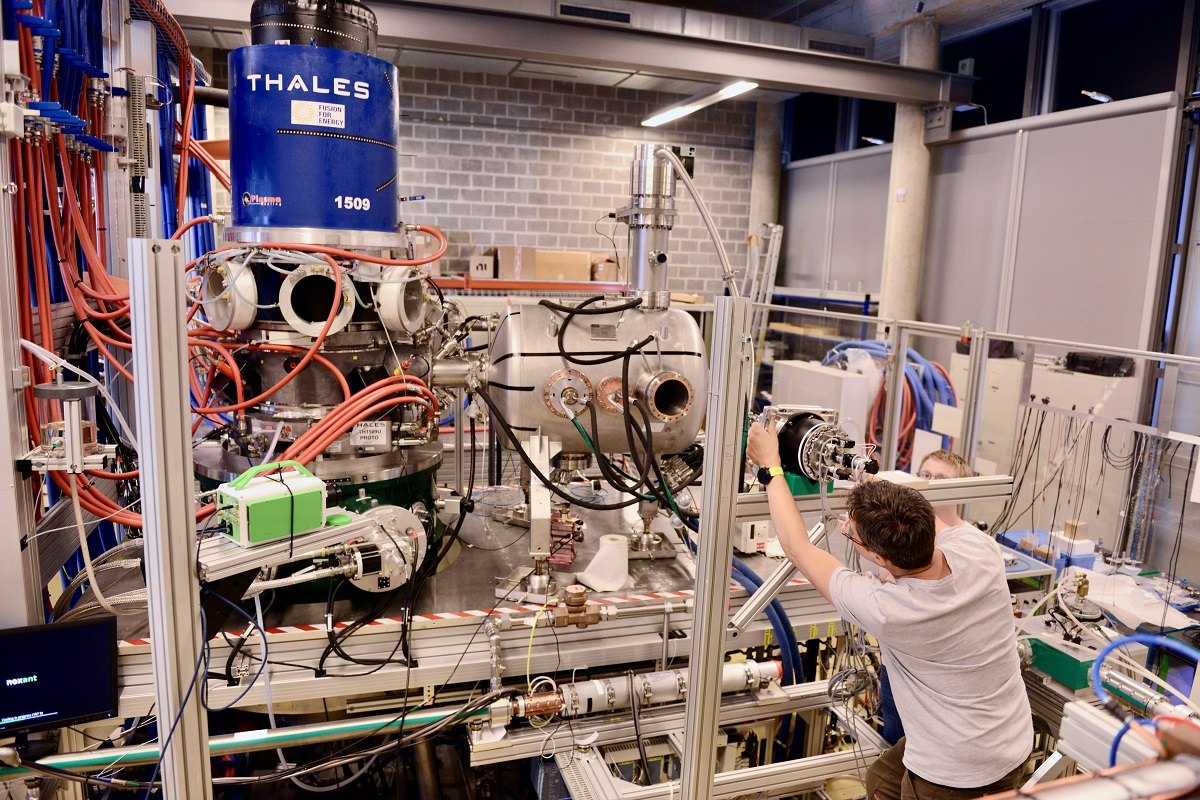
Fusion for Energy (F4E) reported in January 2026 that the final design review for European ITER gyrotrons had concluded in December 2025 and manufacturing preparations were advancing. Alongside Thales's electron tubes, GTD develops dedicated controls. Prototype experience at the Swiss Plasma Center's FALCON test facility was incorporated into the design. F4E manufacturing plans
Beyond the microwave generator lies the transmission line carrying its energy. The article's introductory description refers to transmission components published by US ITER/ORNL in 2018. Do not assume oscillators and transmission form one procurement package; identify the relevant buyer according to actual contract boundaries.
In February, F4E announced handover of the first European high-voltage power supply set to ITER. It converts facility electricity into the controlled high voltage and current needed by gyrotrons, including interfaces with ITER-wide controls as well as local control. F4E power supply handover
Separate component performance from integrated performance
On July 31, 2026, QST announced that Japanese-procured equipment had been integrated at ITER and produced microwaves at 170 GHz. GHz measures frequency, a different quantity from output power in MW. Power supplies, superconducting coils and cooling must operate together; individual deliveries alone do not establish system operation. QST on-site test
This demonstrates operation of heating equipment, not the start of fusion electricity generation at ITER. In business terms, it indicates roles in interface design and adjustment alongside component manufacturing.
For high-voltage components, for example, proposals depend not only on standalone voltage withstand capability but installation dimensions, cooling conditions, signal interfaces and shutdown methods during abnormalities. Suppliers need not assume responsibility for the whole design, but should clarify what they assure and what the system integrator decides.
Define the saleable unit before counting more machines
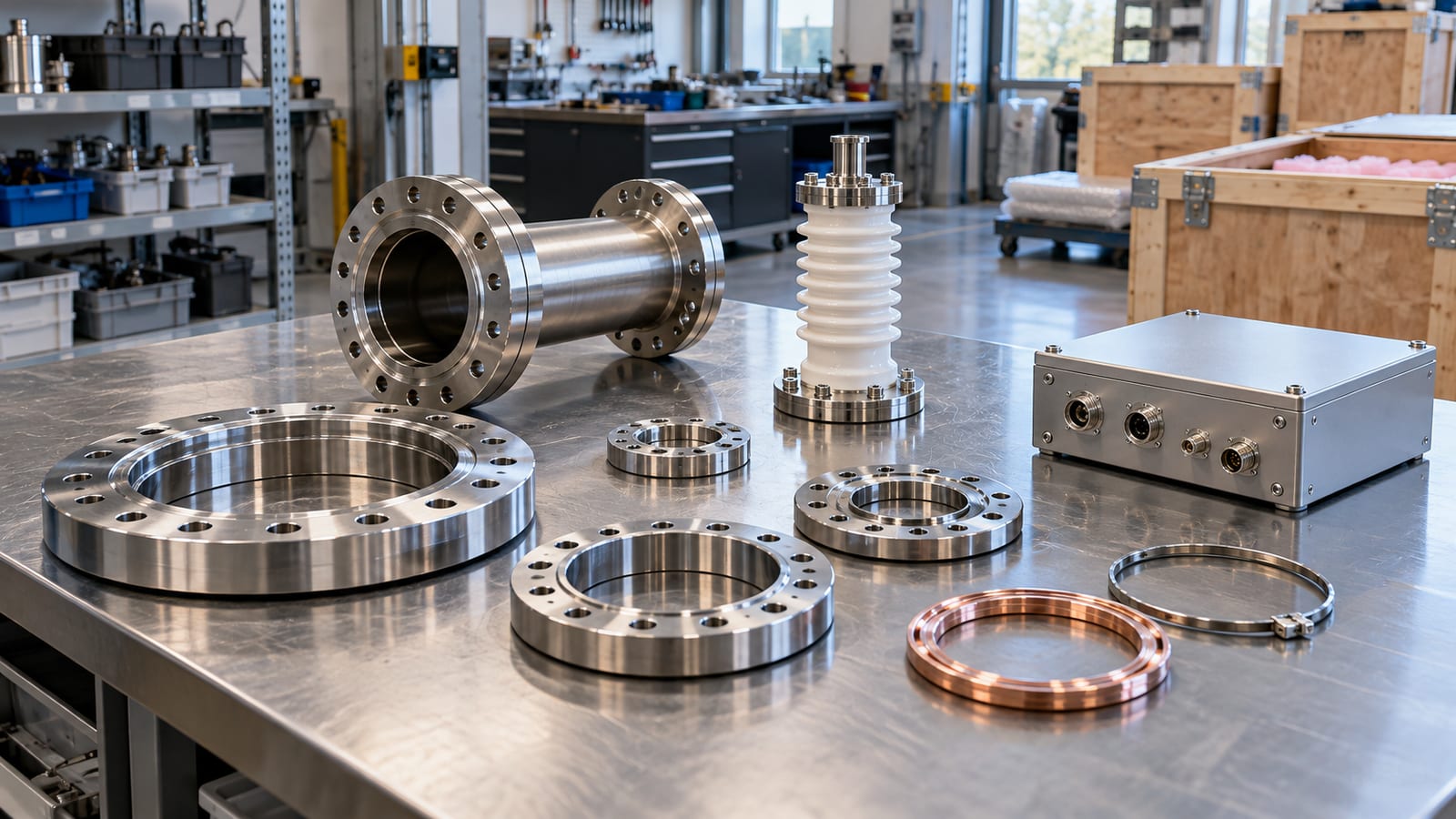
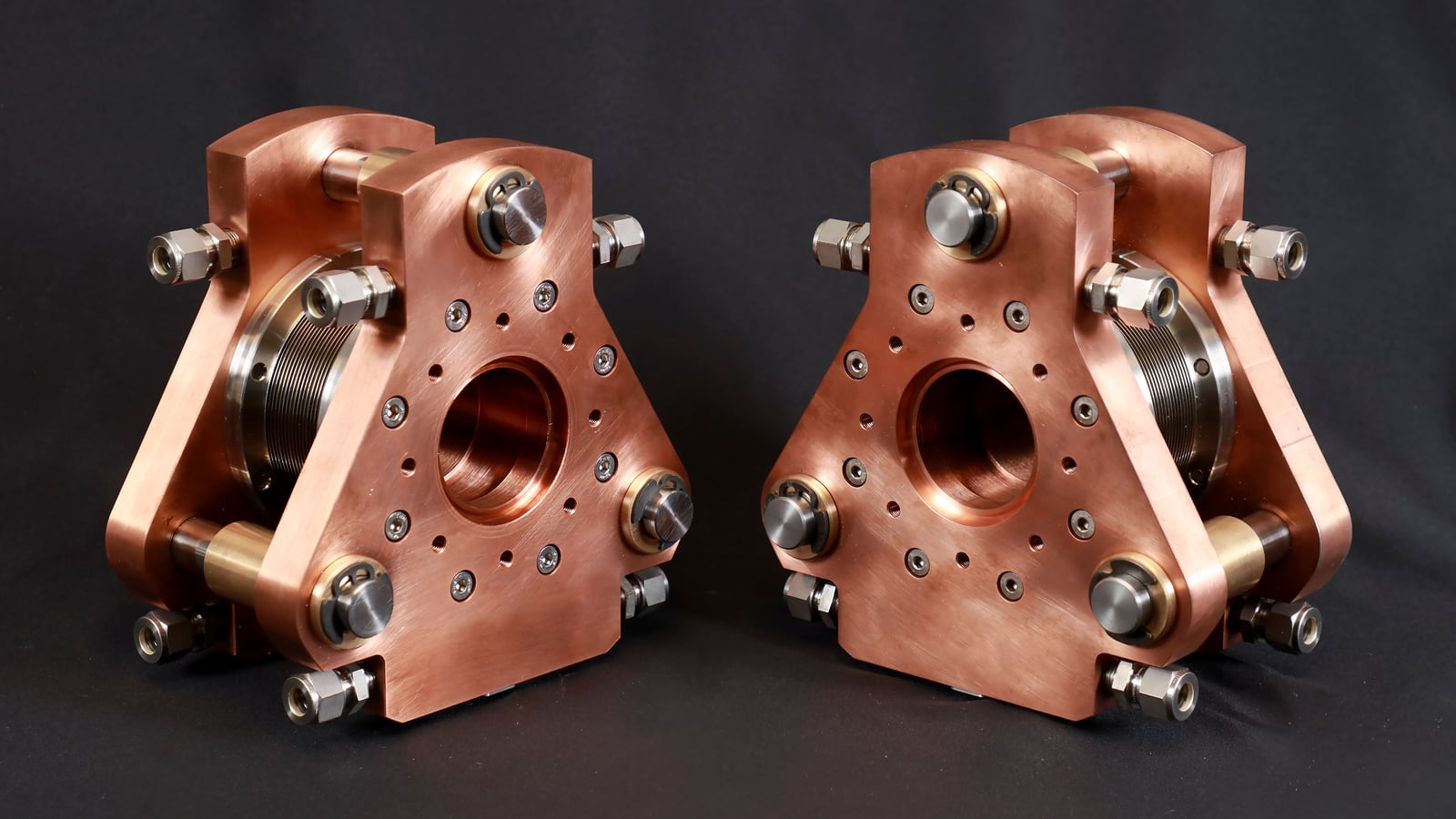
The following is practical advice for prospective suppliers. Describe strengths as functions rather than machine names. Move beyond “precision machining” to units customers need, such as vacuum-tight joints, microwave-transmission components or power-switching circuits.
Then define what is handed over. A component, assembled device and controlled system require different partners and costs. If adjoining equipment is still being designed, separating specification-change work as design support rather than hiding it in the hardware price can make economics clearer.
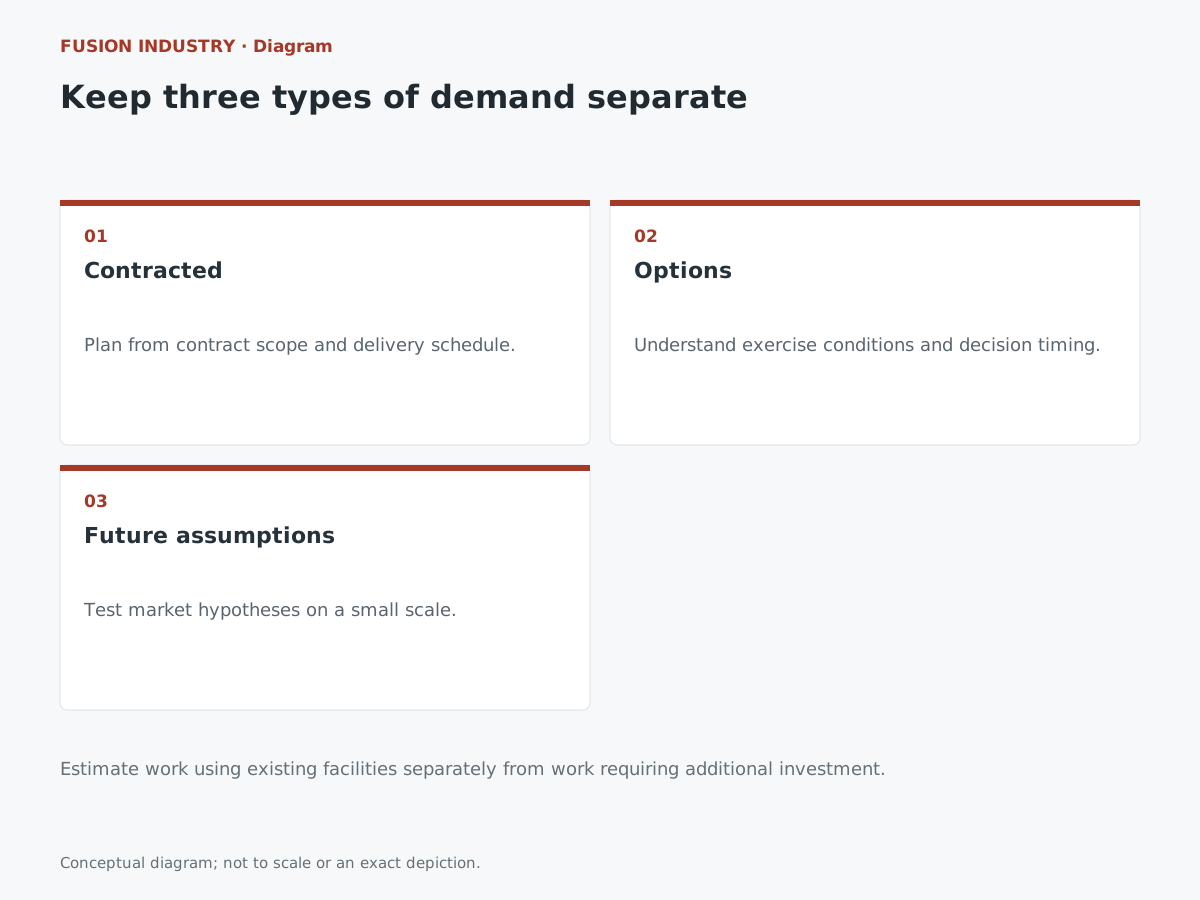
Finally, separate demand into contracted quantities, options not yet exercised and quantities envisaged for future reactors. Treating the last two as confirmed orders when committing to factory fixed costs is premature. Separating work possible with existing equipment from work requiring investment is a first step toward entering the supply chain with lower risk.
- QST: additional procurement of 20 gyrotron systems (May 20, 2026)
- F4E: European gyrotron manufacturing preparations (January 19, 2026)
- F4E: first ITER power supply handover (February 19, 2026)
- QST: microwave output at the ITER site (July 31, 2026)
Information checked as of:2026-10-10
Practical explainer using historical QST announcements from May and July 2026 and F4E announcements from January and February. Distinguishes procurement and manufacturing plans from on-site microwave output. Not an October announcement of new orders.