Building fusion's eyes: industry connections in ITER diagnostics
What equipment is needed to understand a plasma? Using ITER diagnostics, we examine sensor installation, optical windows, and observation beams to identify entry points for optics, instrumentation, and wiring technologies.
Read the Japanese original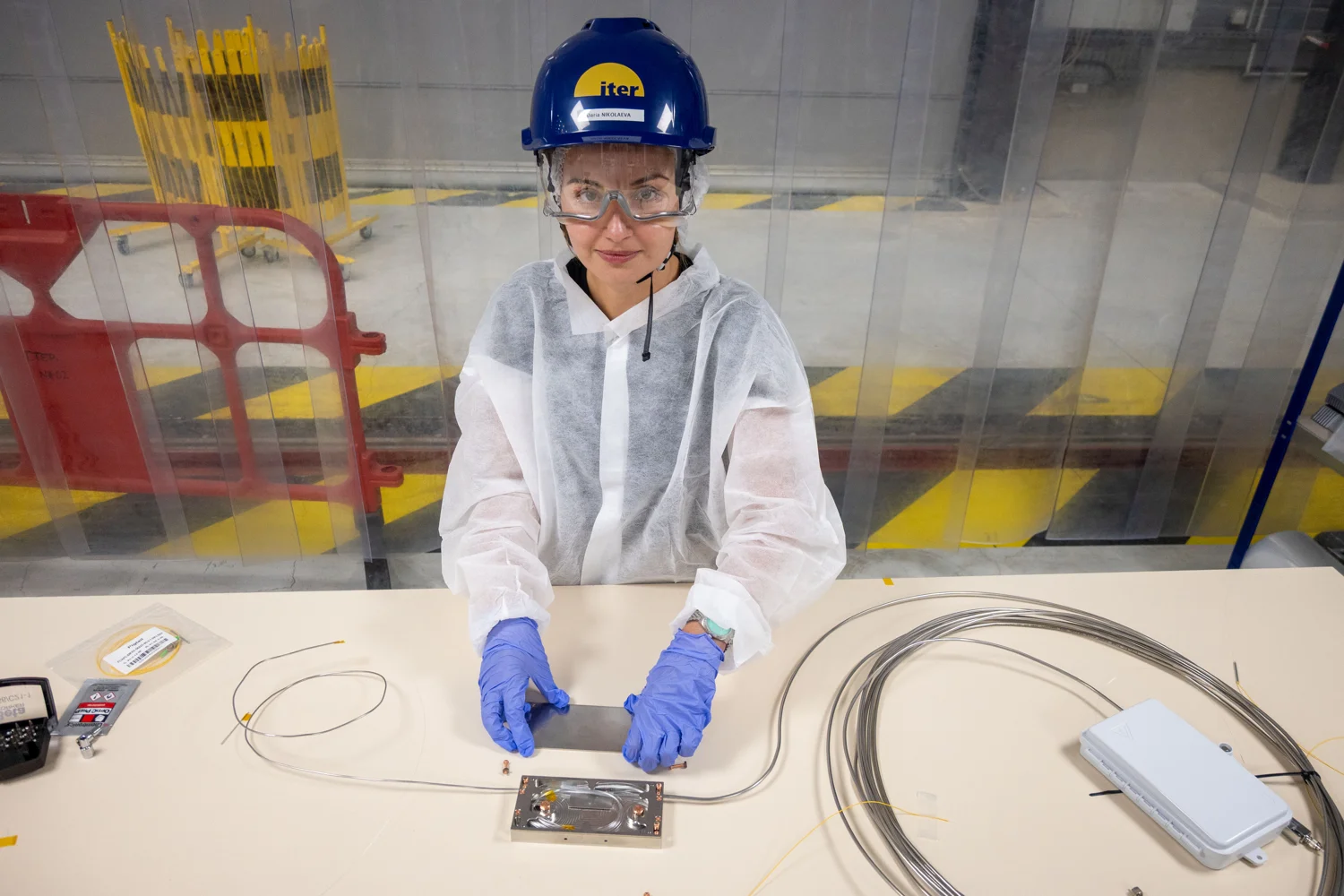
Even if a high-temperature plasma can be created, operation cannot continue without knowing its state. “Diagnostics” in a fusion device measure temperature, density, radiation, and other quantities. Public ITER examples reveal opportunities for companies extending beyond sensors to signal-extraction windows, cables, and test facilities.
The machine's eyes change with what needs measuring
ITER's diagnostic systems use multiple approaches, including magnetic fields, neutrons, light, and microwaves. For example, optical instruments investigate plasma temperature and density distributions, while neutron instruments help assess fusion power. Unlike medical diagnosis, the term here means measurement to determine the plasma's state. ITER diagnostics
Measuring important quantities repeatedly using different methods increases confidence in the measurement. A single sensor's reading is not simply taken to represent the entire machine's condition.
For equipment manufacturers, the first question is not only “Can we achieve the highest accuracy?” What will be measured, where, and at what time interval? Only after specifying the target and conditions can optical-component and detector specifications be discussed.
Manufacturing and installation work also surrounds the sensors
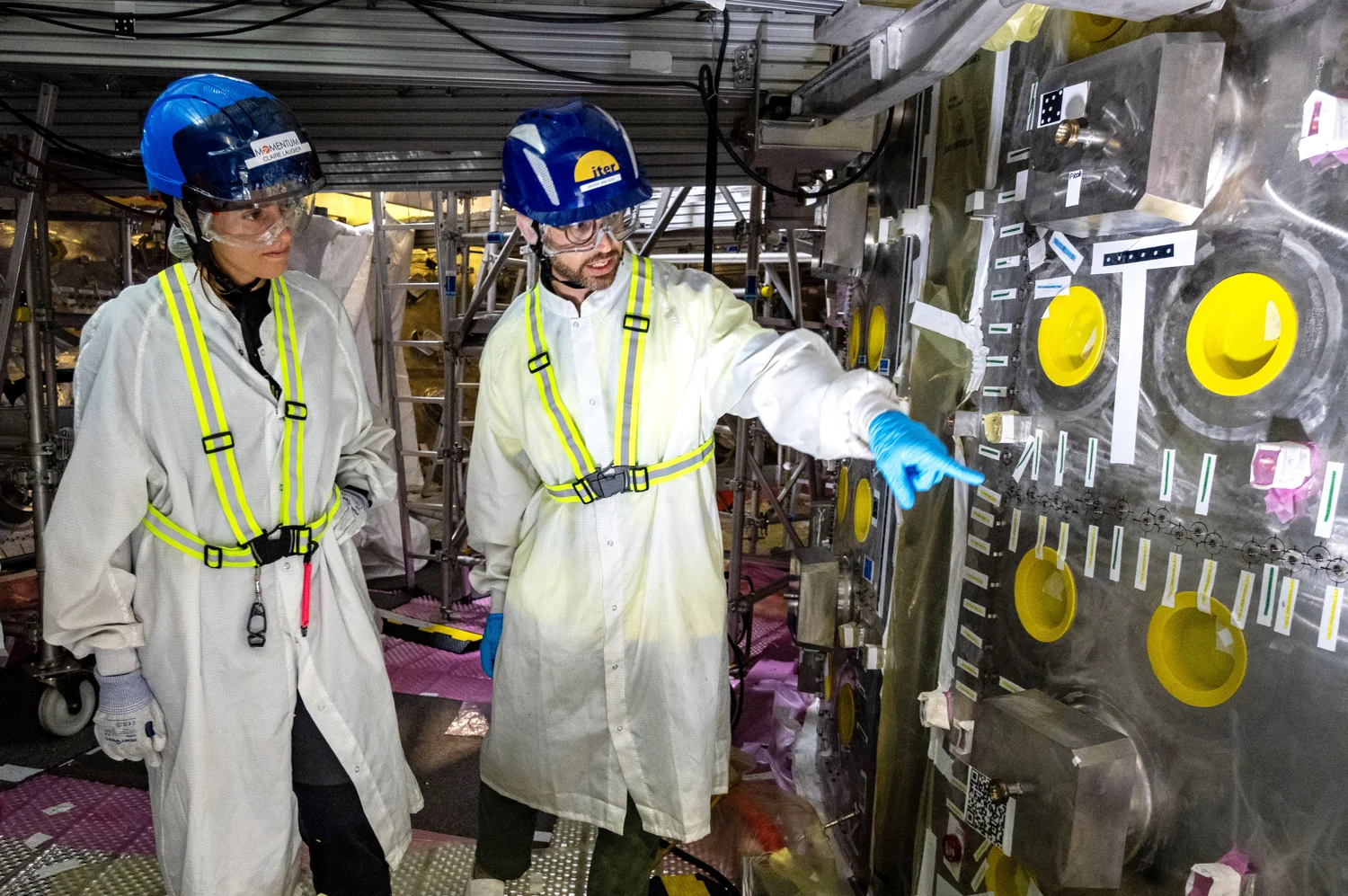
ITER's July 20, 2026 report introduced the process of installing diagnostic and instrumentation equipment inside the vacuum vessel. It distinguished diagnostics that observe the plasma from instrumentation that monitors structural conditions such as those of the vessel, and described preparations for installing sensors and cables. Installation of measurement equipment inside the vessel
Cables are not laid on a flat board. They must follow the wall while avoiding pipes and supports and be secured at specified locations. The article also features a fiber-optic junction box connecting main cables to the thinner sensor-side cables. The opening photograph shows a staff member explaining the actual box.
The business connections suggested here include wiring, connections, fixtures, and installation tools, alongside the detectors themselves. Even an excellent sensor cannot serve its purpose if it cannot be mounted and its signal extracted.
Even a small optical window must meet several requirements
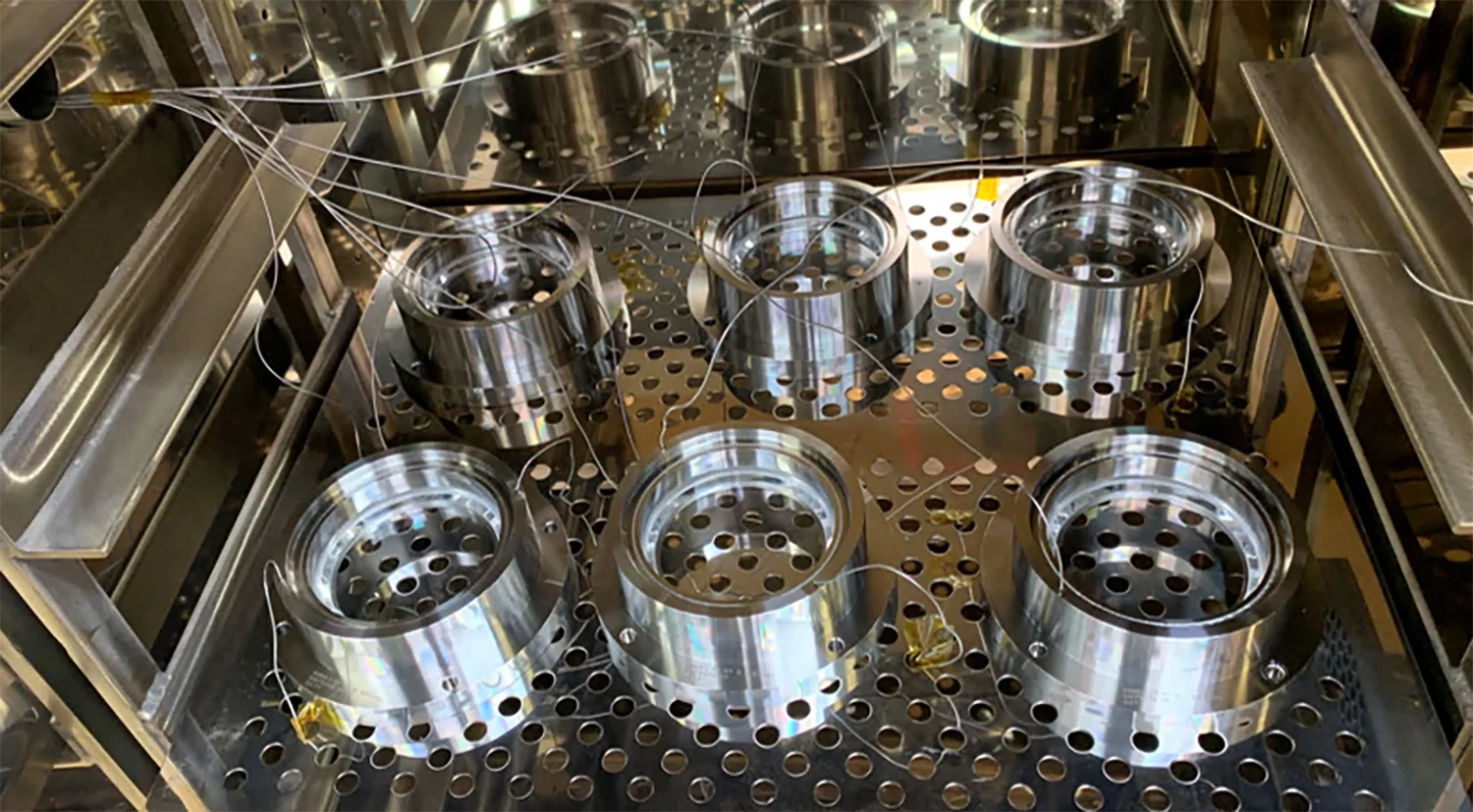
In optical diagnostics, a “diagnostic window” that transmits the observed light is important. ITER's March 13, 2023 explanation described selecting materials such as quartz or sapphire according to wavelength, while also explaining the window's role in maintaining the vacuum and confinement boundary. Diagnostic-window design and testing
Transparency alone is not enough. Light attenuation, reflection, and deformation due to temperature changes also affect measurement. The photograph shows window prototypes undergoing thermal-cycle testing at the time, not an operating, completed fusion reactor.
For companies skilled in optical materials, thin films, or joining to metals, this overlap of requirements is a potential connection. Performance achieved in conventional optical products does not necessarily meet fusion operating conditions unchanged. The target wavelength, heat load, joining method, and scope of verification should be considered together.
Some methods inject a beam to make observations
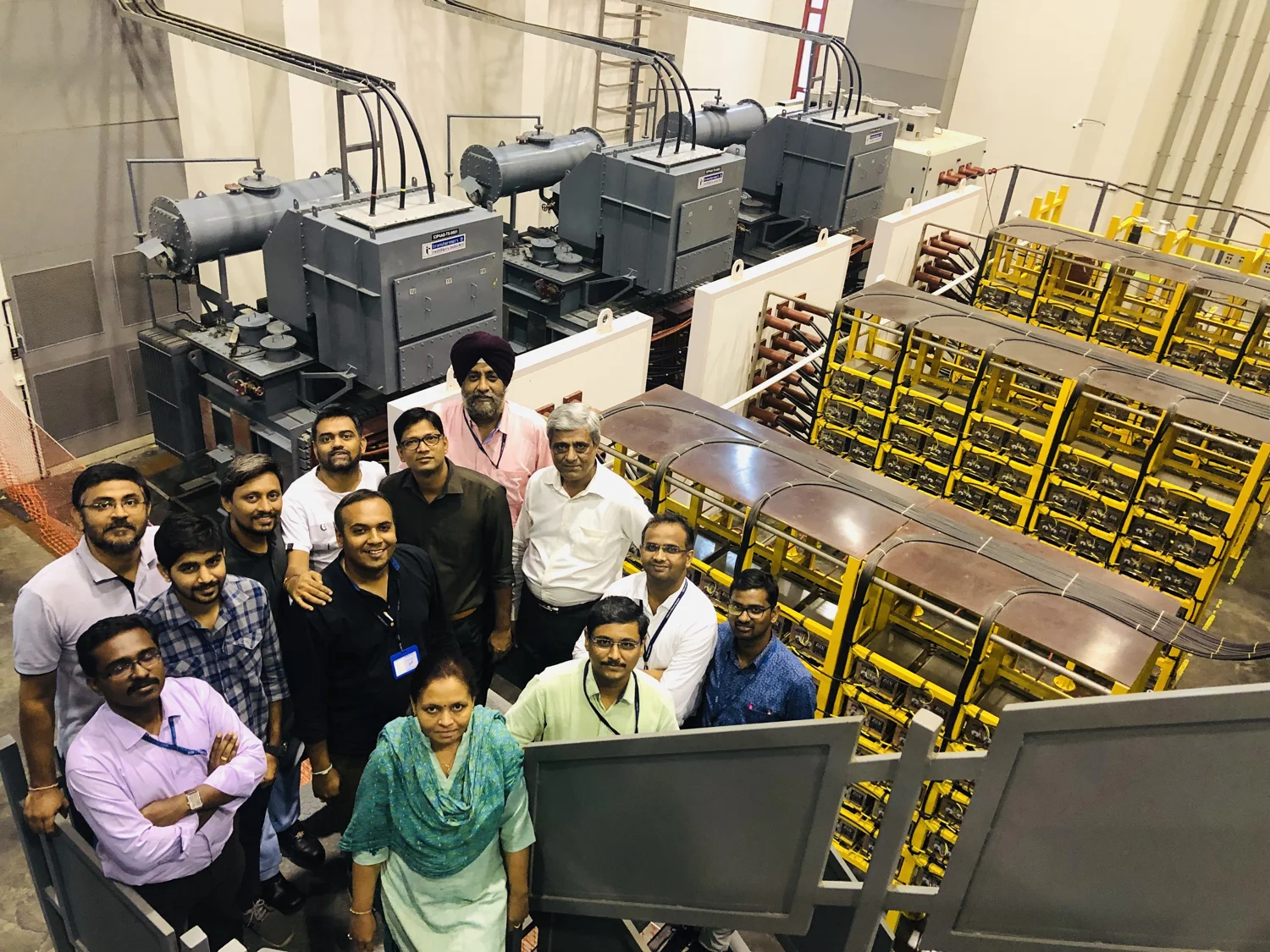
Besides receiving light emitted by the plasma, some methods probe it from outside. ITER's November 4, 2019 explanation introduced a system combining a diagnostic neutral beam with spectroscopy to investigate helium produced by the reaction. Test infrastructure for a diagnostic beam
The photograph shows power-supply equipment undergoing acceptance testing at an Indian test facility at the time. Producing a beam and transporting it along the intended path also requires power supplies and mechanical equipment. Future dates in that article were plans at the time of publication, not evidence of present-day completion.
To understand diagnostic-system procurement, it is useful to examine not just the price of an individual sensor but also the ancillary equipment and testing environment that make measurement possible.
Describe the conditions under which measurement is possible before making a proposal
Based on these examples, the editorial team suggests presenting products as a combination of operating conditions and verification methods. Specify the measurement target, installation location, allowable error, operating environment, and replaceability, and show which test results can be submitted.
Also distinguish standalone performance from performance after integration. For optical components, purchasers need to assess not just transmission characteristics but the condition after joining; for cables, not just signal transmission but mounting conditions. Required qualifications, responsibility for test costs, and rechecks after design changes depend on individual contract terms.
The industries supporting fusion's “eyes” extend beyond precision detectors. Public examples do not guarantee orders, but provide concrete starting points for considering where existing optical, instrumentation, and wiring technologies can connect.
- ITER Diagnostics: standing technical explanation; no publication date stated; checked 2026-10-12
- Monitoring the tokamak from within: published 2026-07-20; reports installation work beginning that month; checked 2026-10-12
- Preserving the view and the vacuum: published 2023-03-13; design/test explanation (test date not specified); checked 2026-10-12
- Testing a neutral beam for diagnostics: published 2019-11-04; acceptance tests and development plans at the time; checked 2026-10-12
Information checked as of:2026-10-12
Technical and business explanation based on public ITER materials. Distinguishes past announcements and test records from future plans; connections for companies are presented as editorial analysis.