Cooling fusion with plastics and water droplets: inside ITER's cooling towers
Thin plastic sheets, spray nozzles and fans work together inside a cooling tower. Photographs of ITER's equipment explain cooling and droplet recovery and reveal roles for materials, molding and fluid-equipment companies.
Read the Japanese original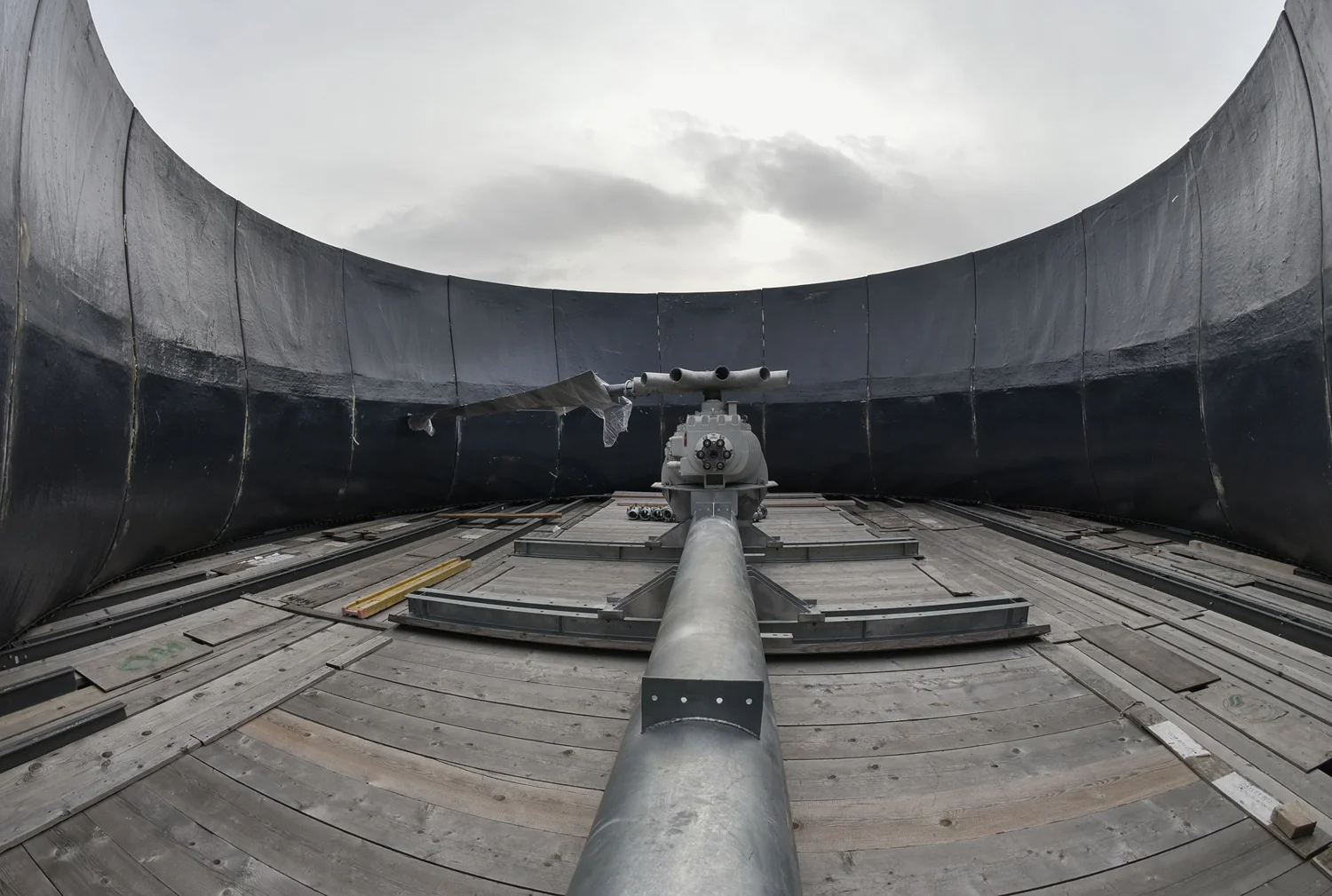
Components supporting fusion are not found only inside vacuum vessels and magnets. In ITER's cooling towers, thin plastic sheets, spray nozzles and large fans work together to release the facility's heat. Looking inside the towers reveals work that materials, molding and fluid-equipment companies can consider.
Carry heat to its final transfer into the air
ITER is an experimental machine that will not generate electricity. Its July 17, 2017 official explanation notes that heat used for electricity generation in a future power plant must instead be rejected outside the ITER facility. The chain runs from heat-receiving components through pipes, pumps and heat exchangers to the final cooling towers. ITER's heat-rejection systems
A cooling tower does not produce fusion reactions. Nevertheless, it cannot support operation unless it can absorb heat from other systems. Components that create extensive contact between water and air matter alongside specialized high-temperature materials.
The photographs in this article were published January 27, 2020 as construction records. They do not document current fusion burning or electricity generation. The lead photograph shows the first blade being installed on a fan.
Thin plastic sheets increase contact between water and air
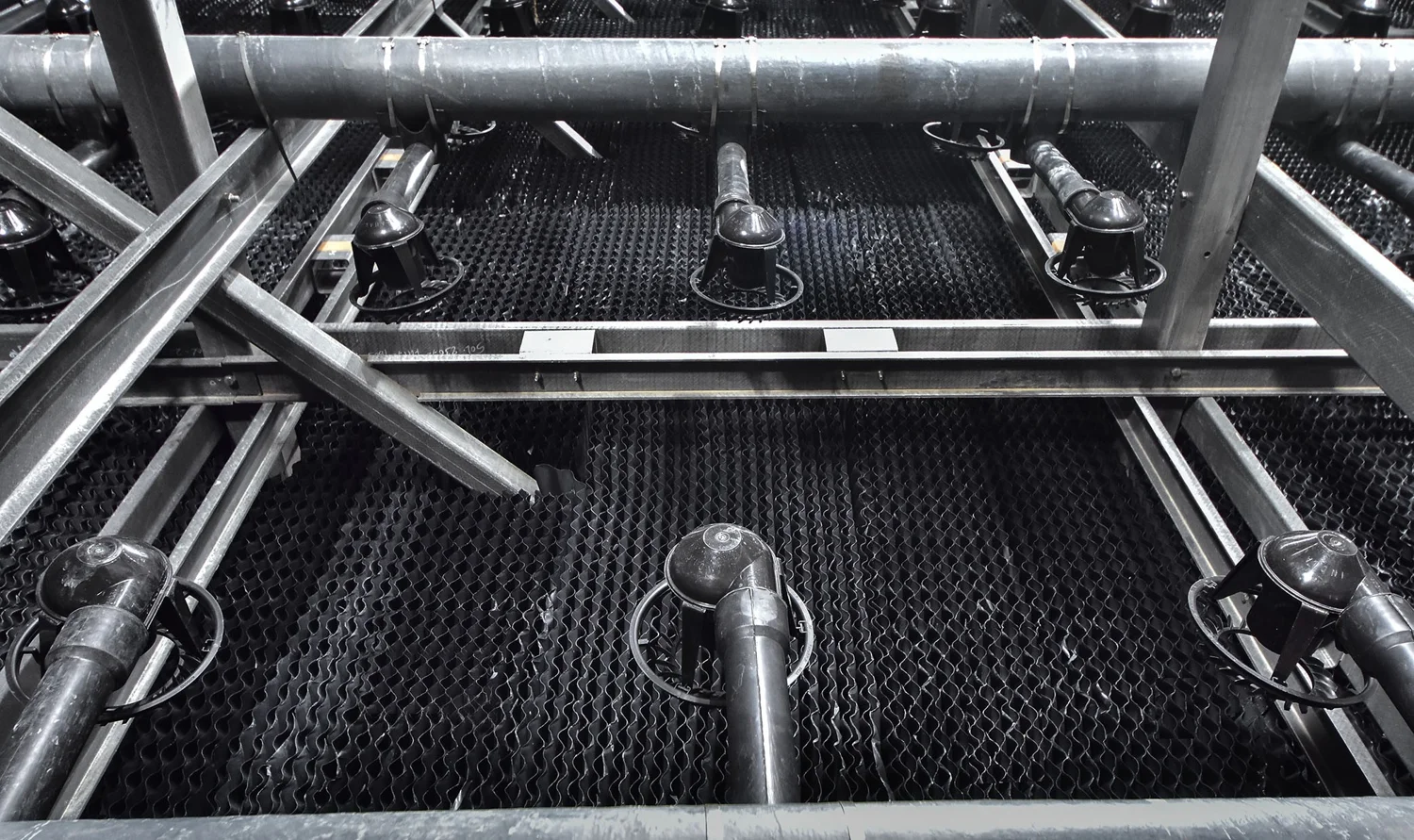
ITER's 2020 explanation describes spray nozzles and fill made of stacked corrugated plastic sheets inside the cooling cells. The structure spreads water into contact with air, removing heat as some water evaporates. Fans above create the airflow. Photographs and explanation of the tower interior
The key is that material and geometry create the function together. Supplying a large quantity of plastic does not by itself explain cooling performance. Sheet shape, stacking, water distribution and airflow need to be considered as one system.
For molding or assembly companies, a proposal should address whether the required configuration can be reproduced on site as well as the precision of individual parts. In large installations, transport packaging, installation procedures and ease of replacement also affect usability.
Evaporate water for cooling, but return escaping droplets
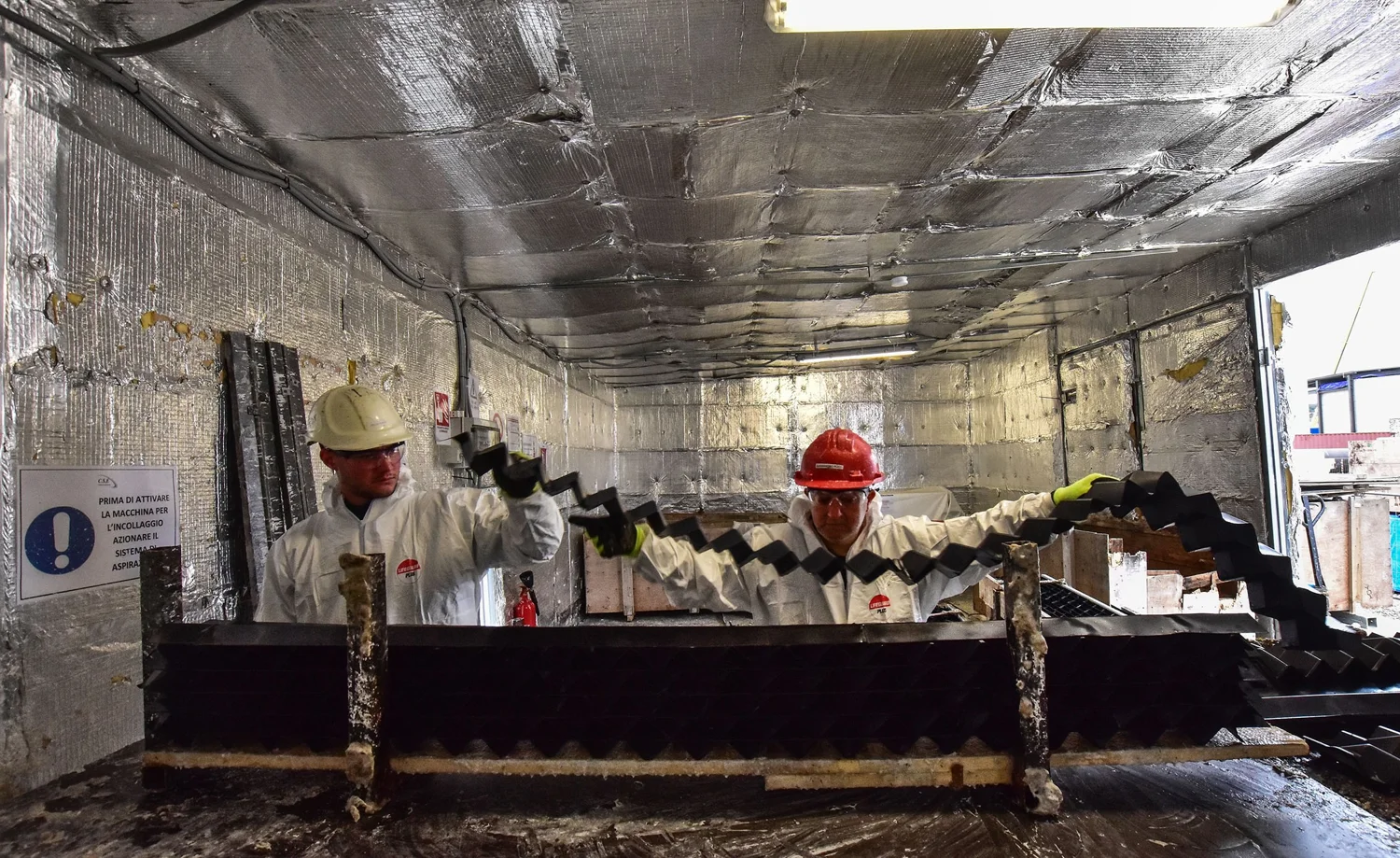
A cooling tower distinguishes evaporation that removes heat from liquid droplets carried out by the airflow. A drift eliminator limits the latter. ITER describes assemblies of thin sheets forming winding passages that redirect droplets back into the tower. Components that recover droplets
The photograph shows actual assembly of these components. Seemingly modest plastic parts help reduce water losses. Assessing cooling equipment means examining not only heat rejection but also the form in which water leaves the system.
A prototype proposal is easier to assess if it explains what will be measured at specified water and air flow rates, rather than describing geometry alone. The proposal points below are editorial analysis, not the conditions of a current ITER solicitation.
Pumps and basins connect changing loads
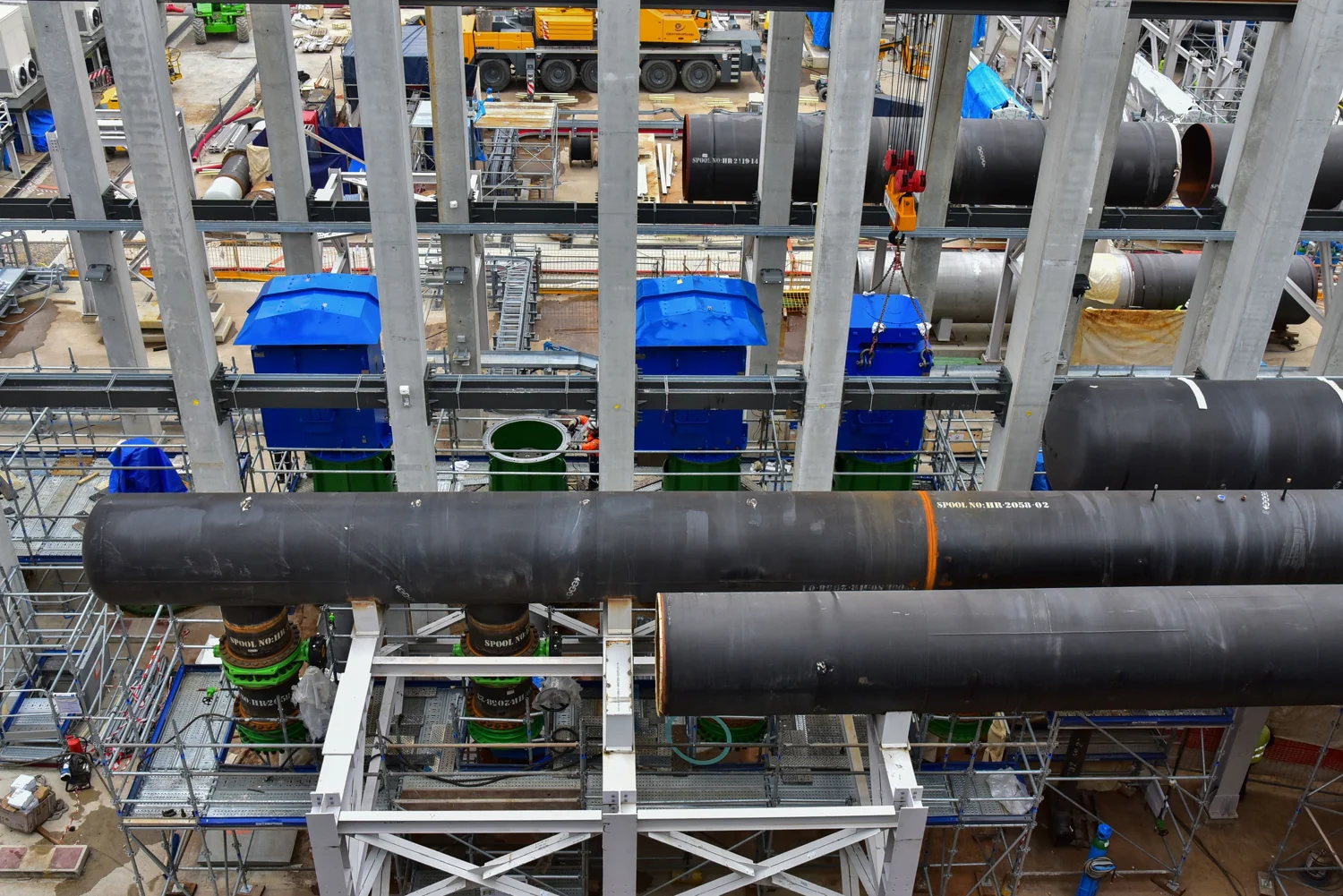
ITER's official Cooling Tower Area page describes hot and cold basins, pumps, heat exchangers and ten independently operable cooling cells. It explains adjusting system flows to changing heat loads associated with plasma operation. Cooling Tower Area configuration
The page states that the equipment is operating to support commissioning of other systems. That is different from having processed heat from fusion burning. Nor can ITER's configuration be assumed to be the standard specification for a future commercial reactor.
When comparing equipment quotations, align assumptions about low-load operation, startup and shutdown, and operation during inspections, not just maximum flow. A low purchase price may be offset by electrical consumption or maintenance conditions. Commercial discussions must address which conditions testing will verify and who will accept the integrated system.
Explain which combinations your proposal will validate
Materials suppliers, molding companies and fan or pump manufacturers should explain which cooling-system function their component performs. Set out water conditions, connected equipment, installation methods, inspection and replacement-parts coverage, and ask the purchaser about unresolved items.
Rather than treating the fusion label itself as added value, discuss cooling performance, water loss, operation and maintenance concretely. ITER's interior photographs offer clues to how established industrial technologies support large research facilities. They do not guarantee orders, but looking beyond the reactor can help companies find where their experience is useful.
- ITER: Evacuate and dissipate (published July 17, 2017; construction and technical explanation; checked October 12, 2026)
- ITER: From river to droplets and mist (published January 27, 2020; contemporary construction photographs, work date unspecified; checked October 12, 2026)
- ITER: Cooling Tower Area (permanent facility description, update date unspecified; checked October 12, 2026)
Information checked as of:2026-10-12
Technology and business explanation based on official articles from 2017 and 2020 and the current facility description. Photographs are construction records published January 2020. Current commissioning is distinguished from fusion-burning performance; entry considerations are editorial analysis.