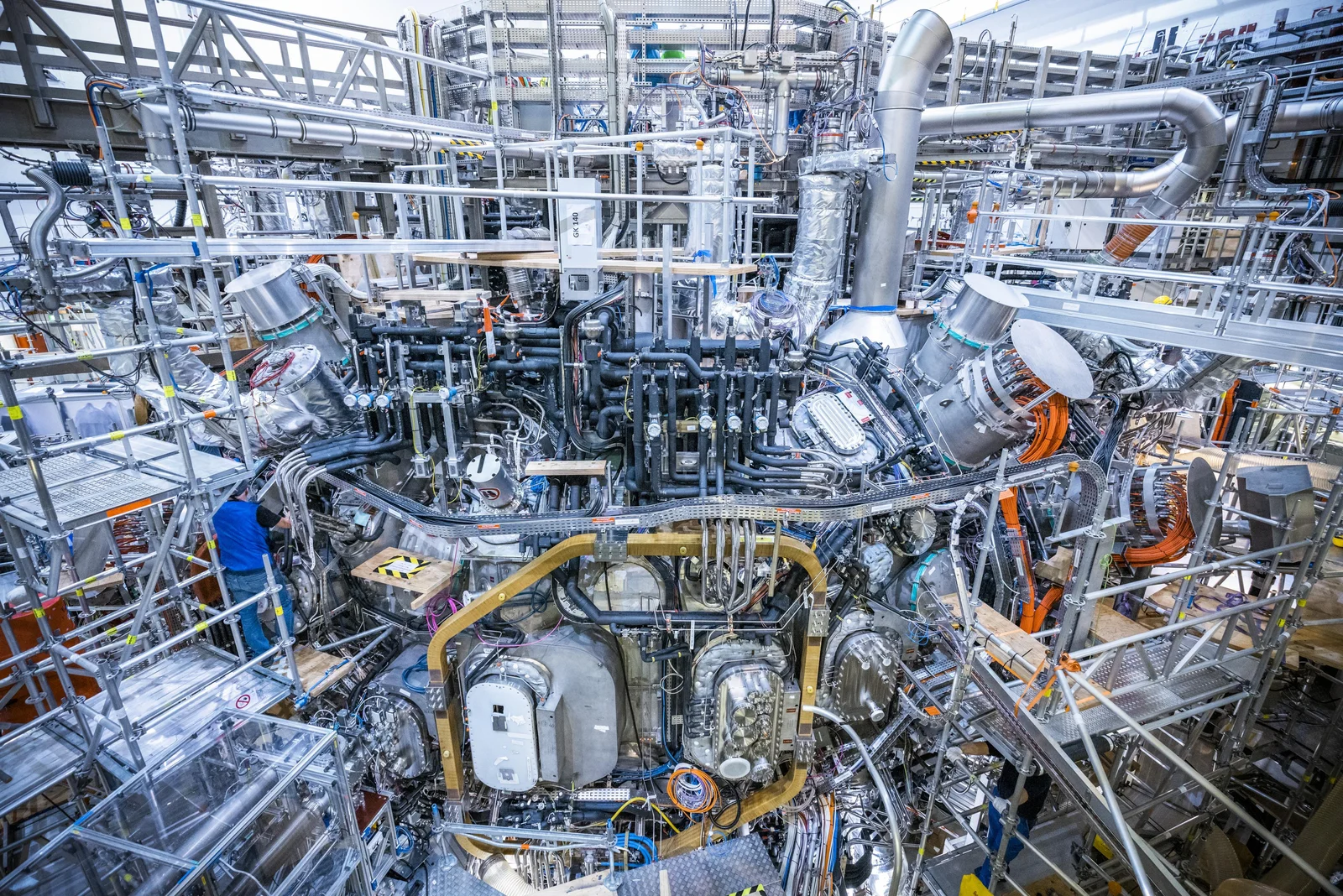
W7-X has supported stellarator research for years, while Alpha remains a proposed demonstration machine. University and manufacturer collaborations reveal Germany's industrial foundations when public research results are kept distinct from corporate commercialization plans.
STEP's power plant plans depend on more than plasma experiments. UKAEA's 2026 strategy and facilities at Culham show how materials assessment, remote handling and skills training support Britain's industrial capabilities.
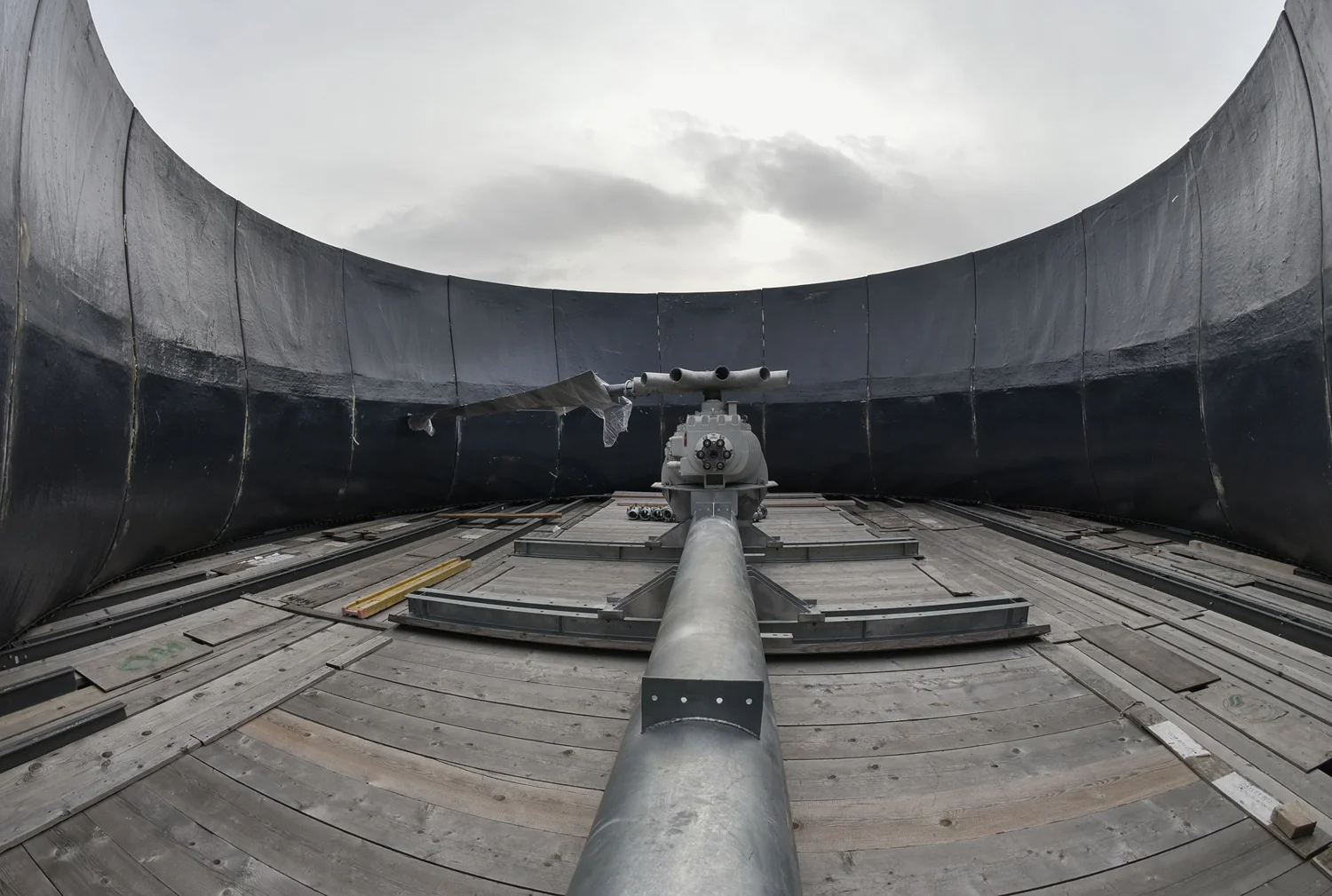
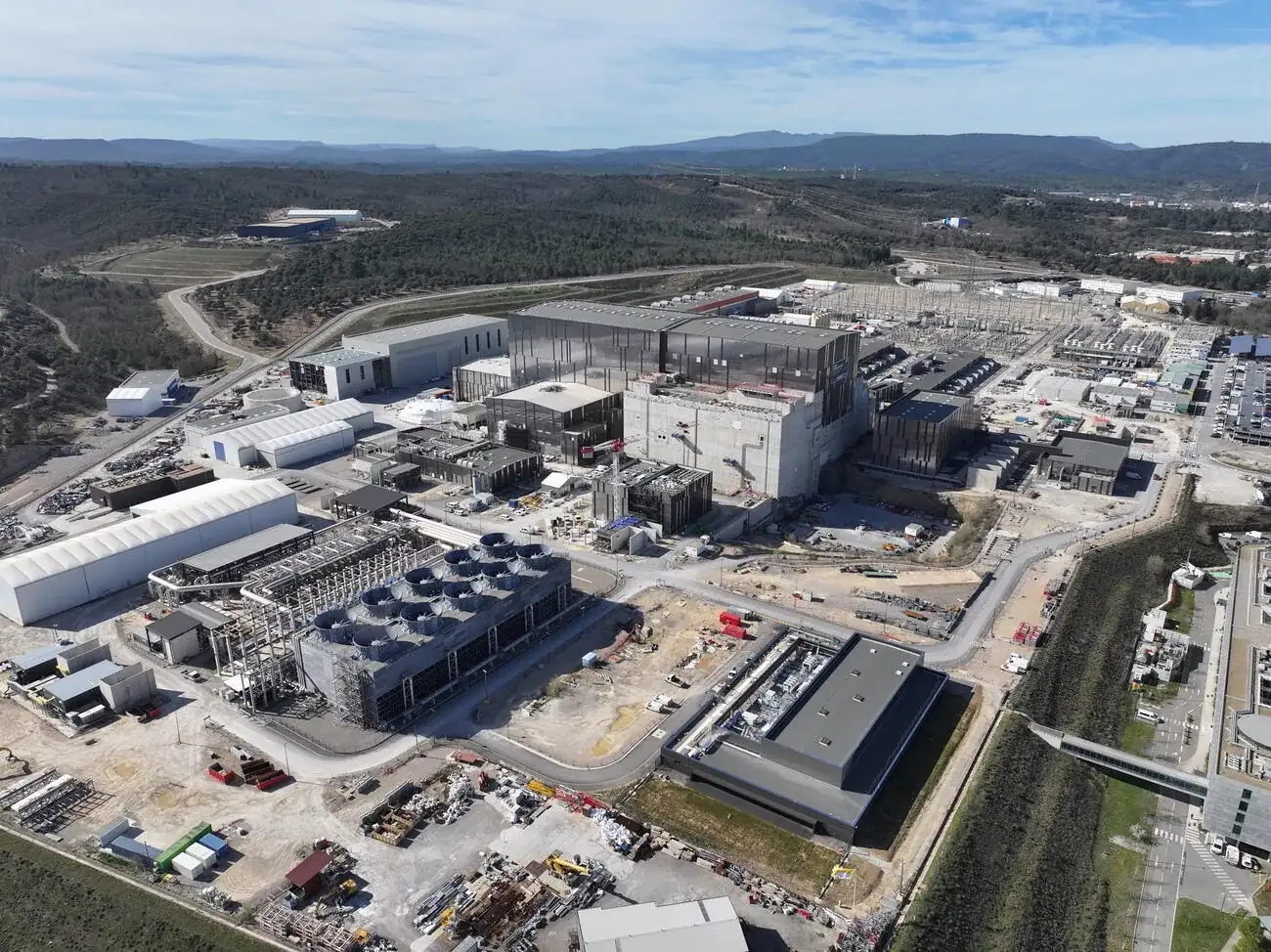
Thin plastic sheets, spray nozzles and fans work together inside a cooling tower. Photographs of ITER's equipment explain cooling and droplet recovery and reveal roles for materials, molding and fluid-equipment companies.
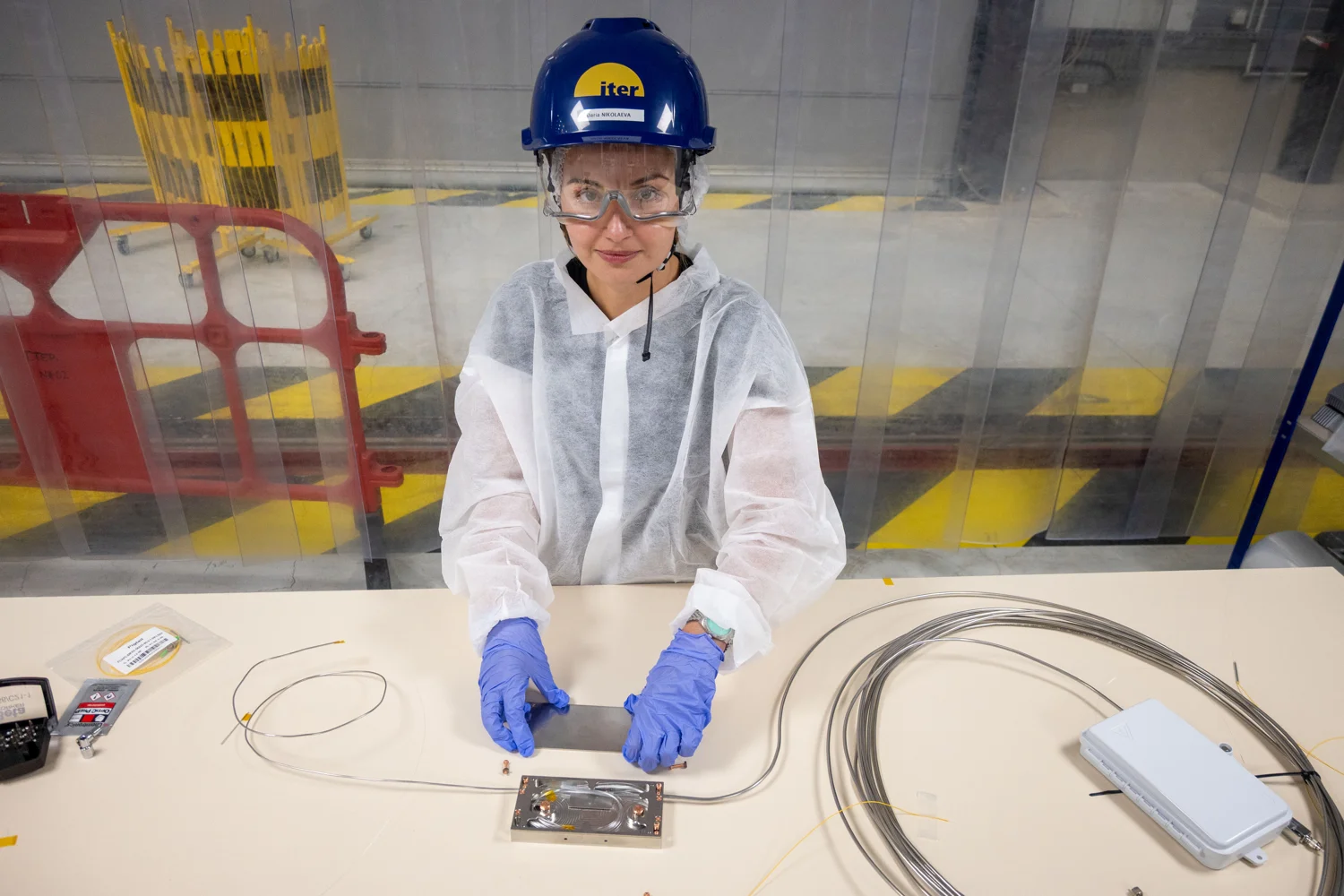
What equipment is needed to understand a plasma? Using ITER diagnostics, we examine sensor installation, optical windows, and observation beams to identify entry points for optics, instrumentation, and wiring technologies.
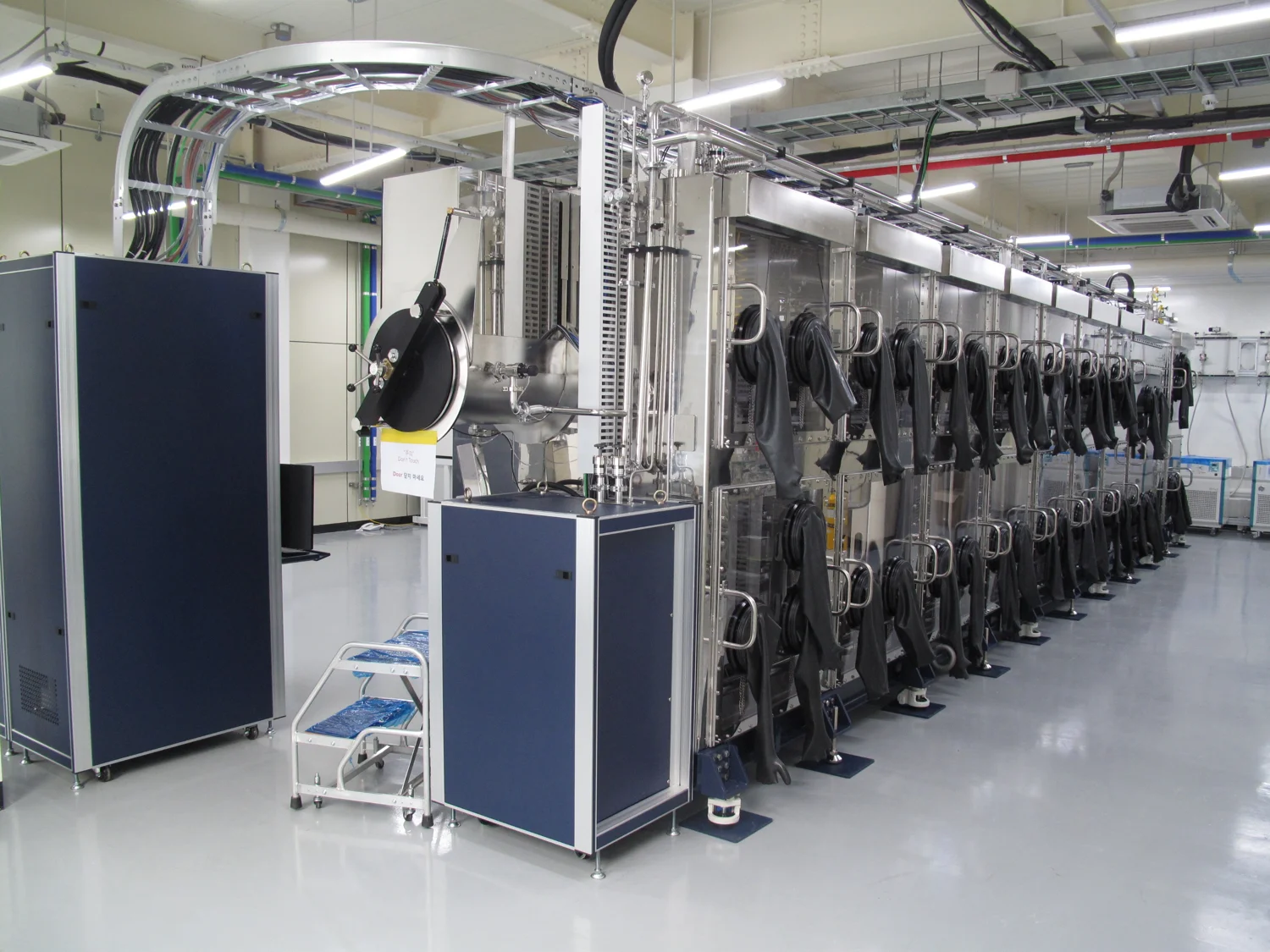
A fusion device needs more than a fuel supply. ITER’s systems recover unreacted fuel, separate and store it, and return it for reuse. They reveal work for chemical-process and equipment manufacturers.
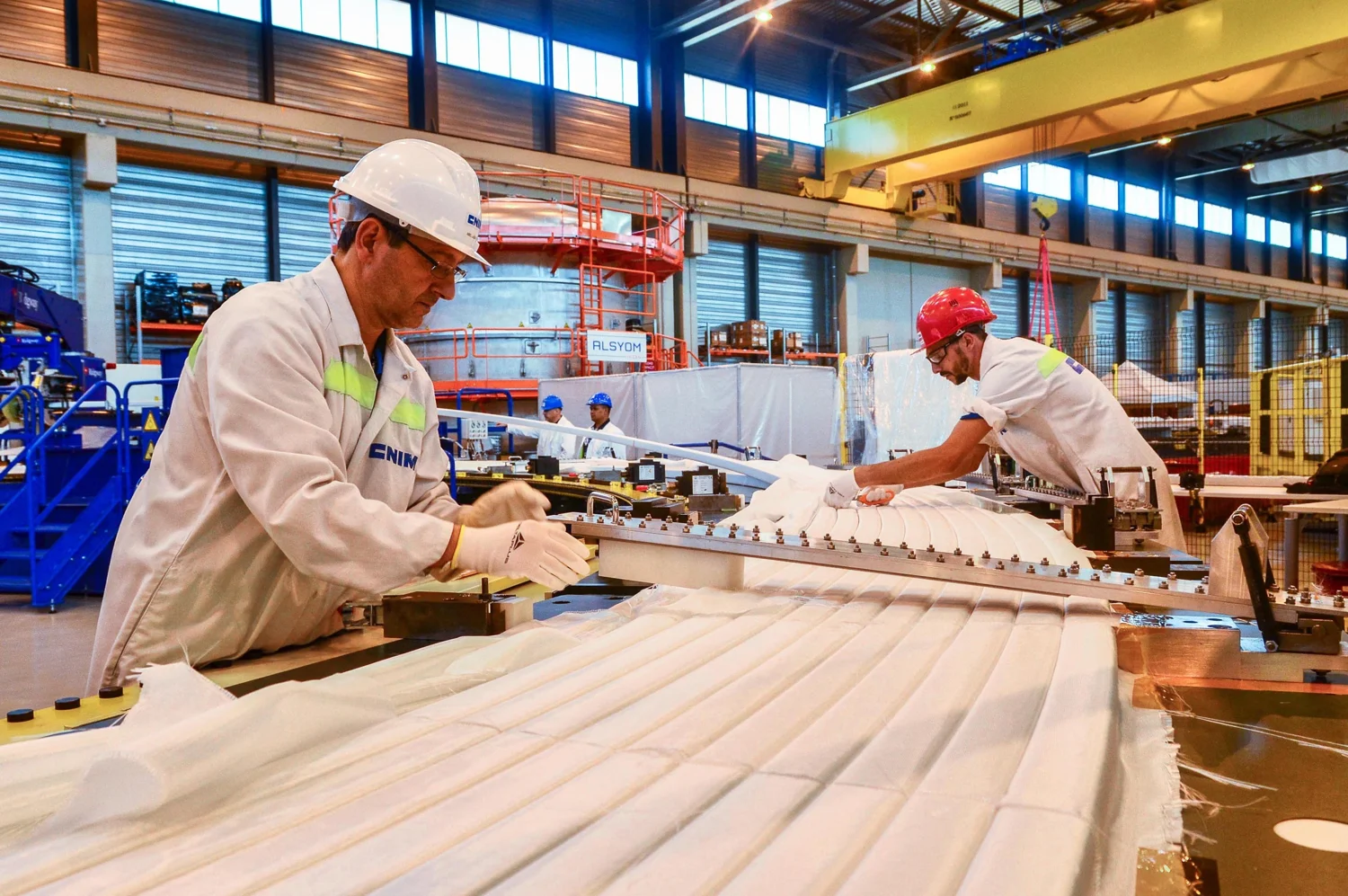
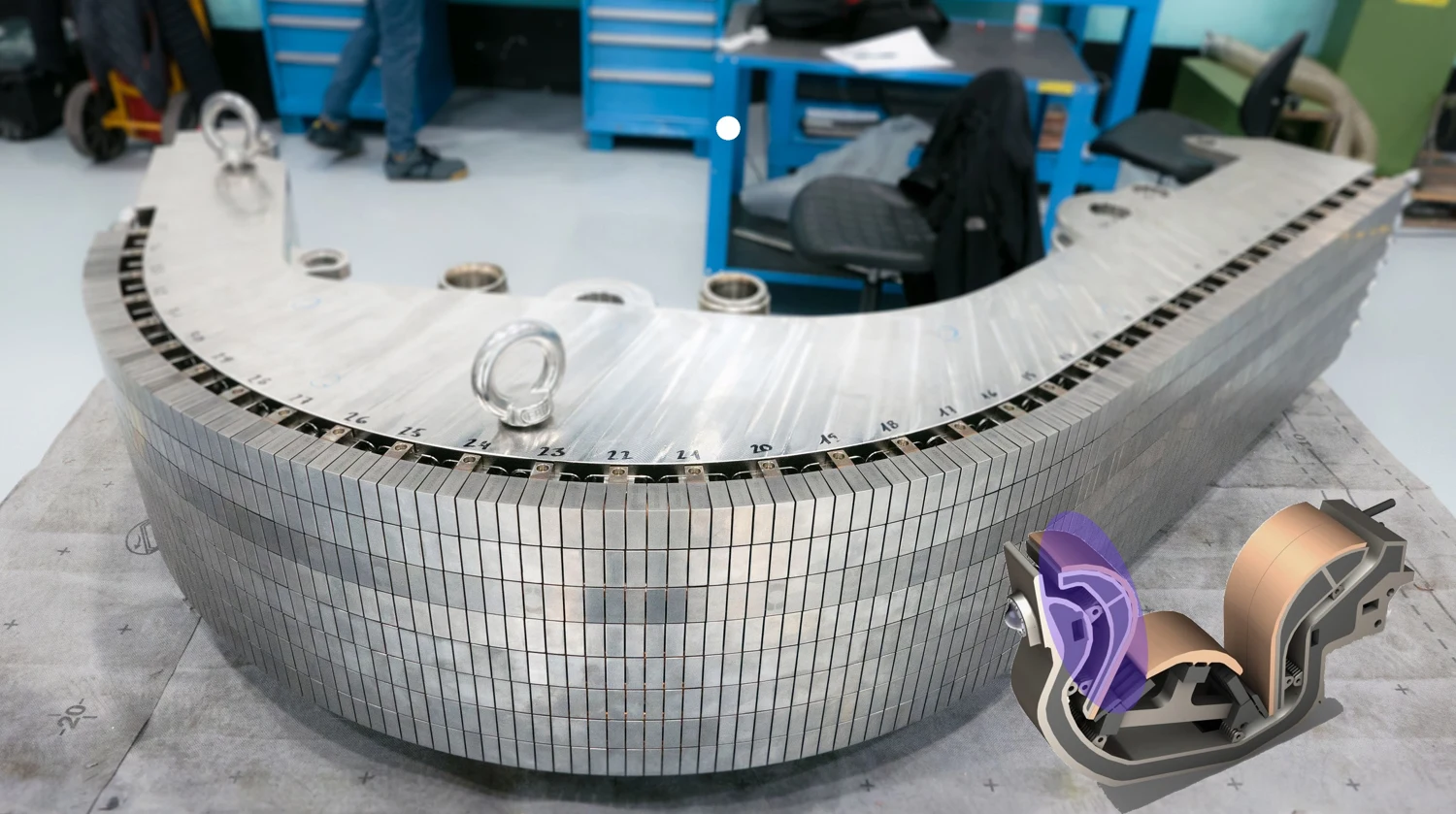
Strong magnetic fields require not only conductors but integrated insulation and structure. ITER’s ring-coil manufacturing illustrates work for materials and equipment companies through dummy windings, resin impregnation and curing monitoring.
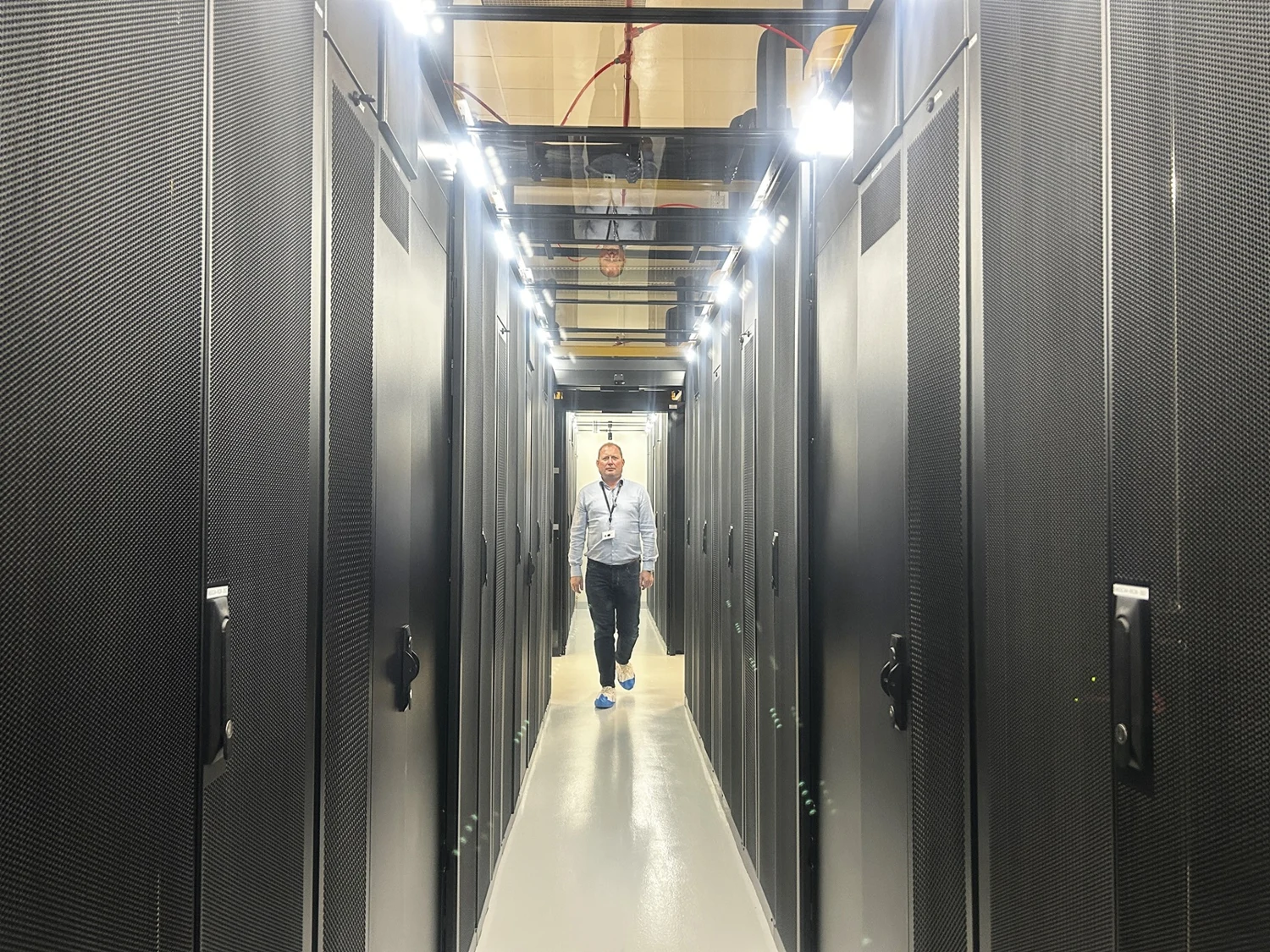
Equipment that works independently does not necessarily operate as part of a fusion machine. Using ITER's CODAC as an example, this guide connects shared software, test environments, configuration handover and operators' procedures.
A high melting point alone does not make a fusion component. ITER’s divertor illustrates joints to cooling tubes, the progression from small tests to full scale, and manufacturing qualification for series production.
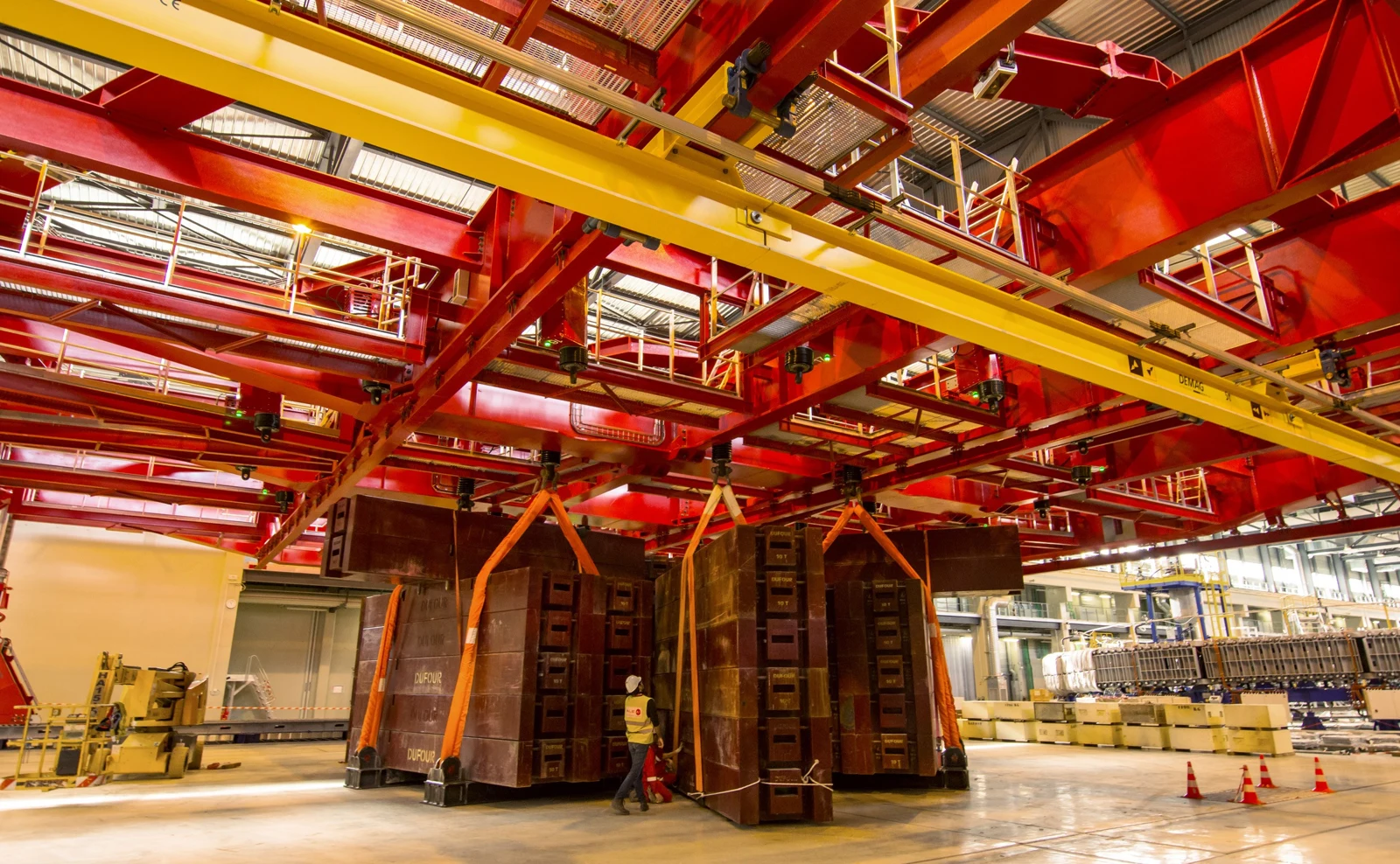
Preparing to handle heavy equipment requires more than a crane's maximum rating. Historical ITER tests illustrate static and dynamic testing, dummy loads reproducing centers of gravity, and load paths into buildings, revealing work suppliers should include in their quotations.
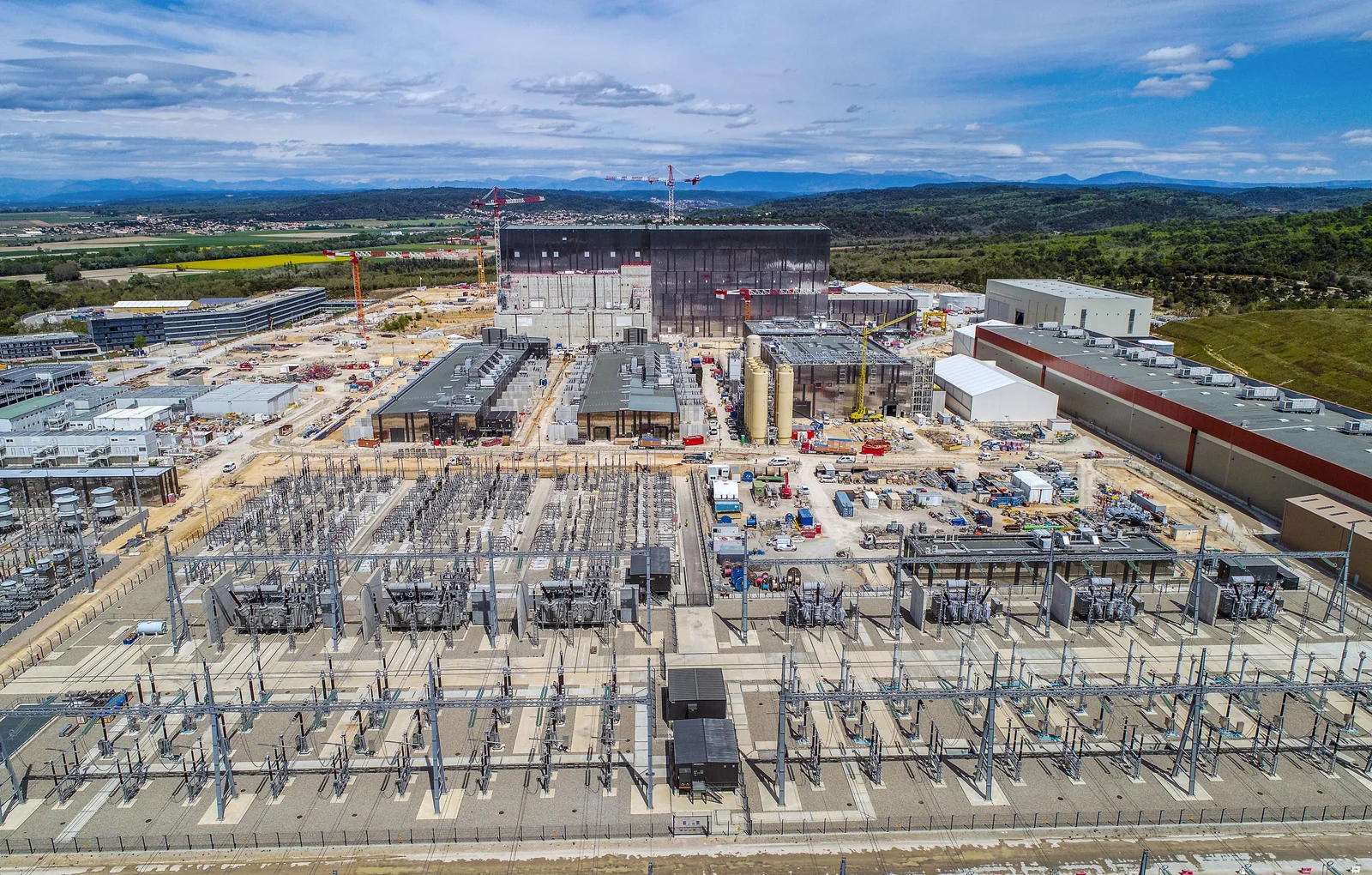
Fusion power supplies involve more than magnets and heating systems. ITER's grid connection, AC-to-DC conversion and emergency supplies illustrate the boundaries between equipment supply and operation that electrical companies need to consider.
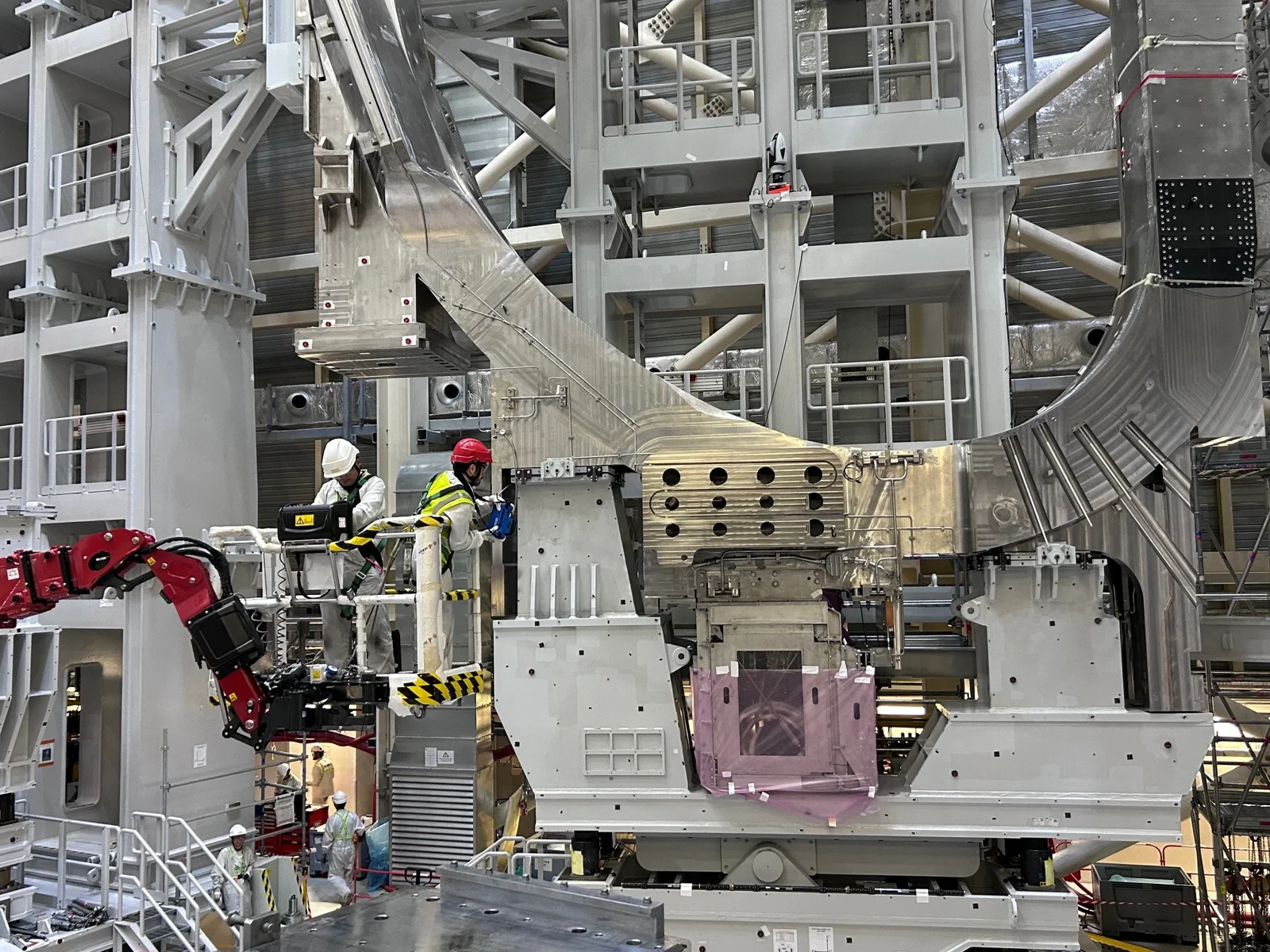
Connecting component precision with on-site assembly requires shared coordinates, calibration, temperature conditions and as-built records. ITER's metrology shows what companies should agree before quoting.
CEA's WEST, the international ITER Organization and European procurement body F4E have different roles. Distinguishing French testing infrastructure from regional industrial clusters helps Japanese companies identify research and supply opportunities.
FOLLOW THE INDUSTRY
Keep up with new articles
Read the latest articles here or follow updates with an RSS reader.