France's fusion industry: connecting component testing at WEST with the companies supporting ITER
CEA's WEST, the international ITER Organization and European procurement body F4E have different roles. Distinguishing French testing infrastructure from regional industrial clusters helps Japanese companies identify research and supply opportunities.
Read the Japanese original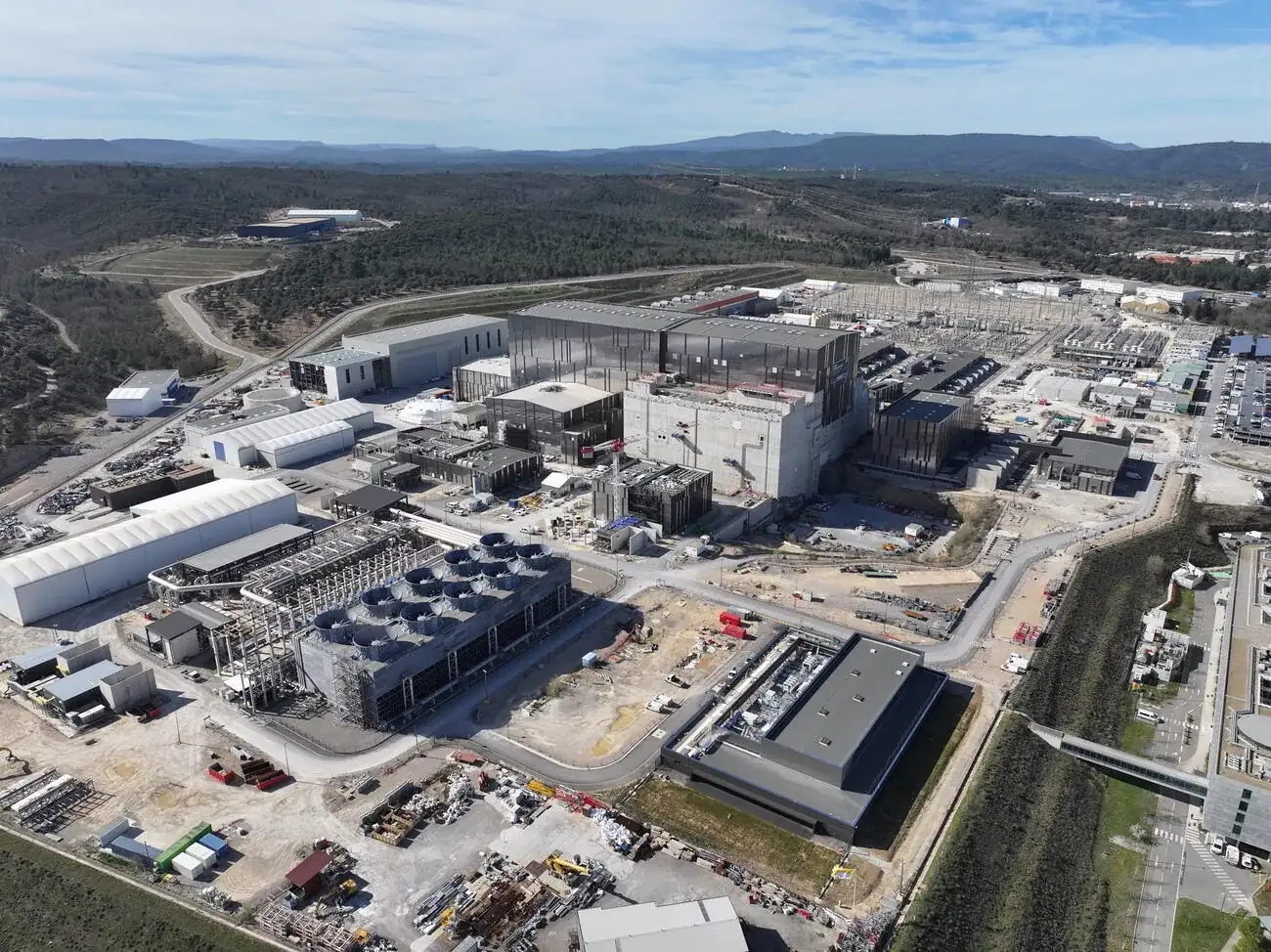
Viewing France simply as the country hosting ITER can lead to the wrong entry point into its fusion sector. CEA conducts domestic research, the ITER Organization is an international body, and Fusion for Energy (F4E) handles Europe's equipment procurement. Each has different responsibilities and contracting counterparts. France's distinctive feature is the proximity of research infrastructure that tests components in experimental machines to a regional industrial cluster supporting a large international project.
WEST turns long-duration operation into experience with components
CEA's Institute for Magnetic Fusion Research (IRFM) is at Cadarache in southern France. Its WEST machine is not a newly built commercial reactor but a research facility converted from the Tore Supra tokamak. Building on superconducting magnets and active cooling, it was reconfigured to test a divertor that receives heat and particles.
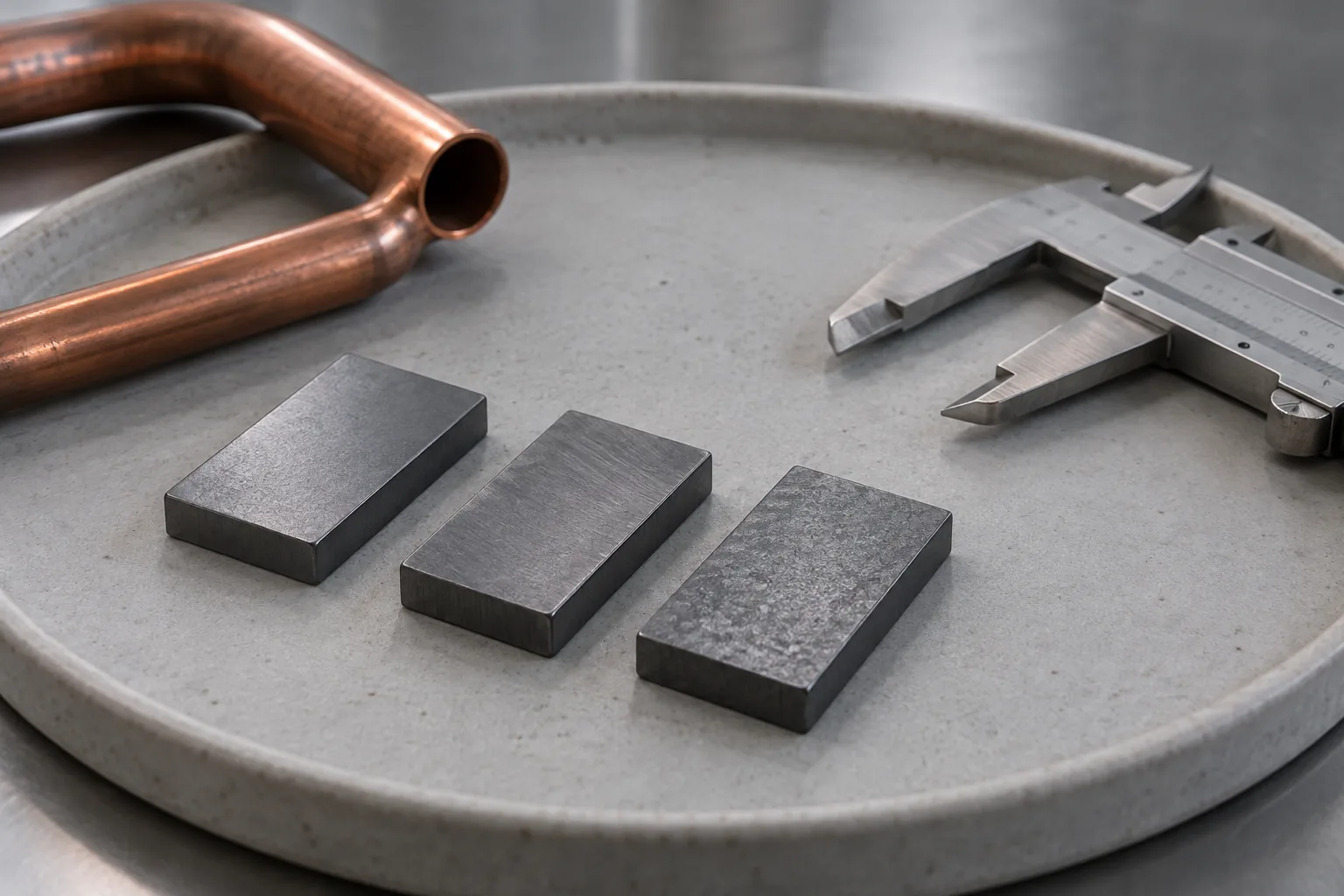
A divertor is an in-vessel component that receives heat and particles escaping the plasma. The W in WEST is the chemical symbol for tungsten. Using a high-melting-point metal alone is insufficient: cooling, joining, surface damage and operational monitoring must be addressed together. CEA positions WEST as a testing infrastructure for components and diagnostics that can help prepare ITER operation.
In an experiment reported by CEA on February 19, 2025, hydrogen plasma was sustained for 1,337 seconds on February 12. This demonstrates long-duration control and heat removal, not electricity output or net energy gain. Rather than presenting it as the latest world record in October 2026, it should be understood as a platform for learning by exposing components to sustained heat loads.
Distinguish ITER's location from European procurement authority
Although ITER is being built in France, it is not a solely French research program. ITER's official explanation describes France's distinct host-country responsibilities, including site preparation, transport-route upgrades and arrangements for staff families. CEA's Agence ITER France supports implementation and regional coordination.
F4E, by contrast, manages Europe's contribution to ITER. Even when seeking cooperation with French companies, a facility's French location does not mean that French government calls are the only place to look. Direct ITER Organization procurement, F4E procurement and subcontracts from main contractors must be separated, with the actual purchaser and eligibility checked.
F4E's guidance generally addresses EU operators, with non-EU participation possible where specified in a call. Japanese companies cannot directly participate in every opportunity. Japan's own ITER procurement route and supplying materials or technology to European companies are separate options to consider.
Machining and maintenance also matter in the regional industrial cluster
Concrete connections exist between research and companies. According to a report published by CEA-Agence ITER France on July 13, 2026, more than 400 industry participants attended Rencontres ITER 2026 in Aix-en-Provence on July 7. This was a completed networking event, not an indication that contracts are currently open for bidding.
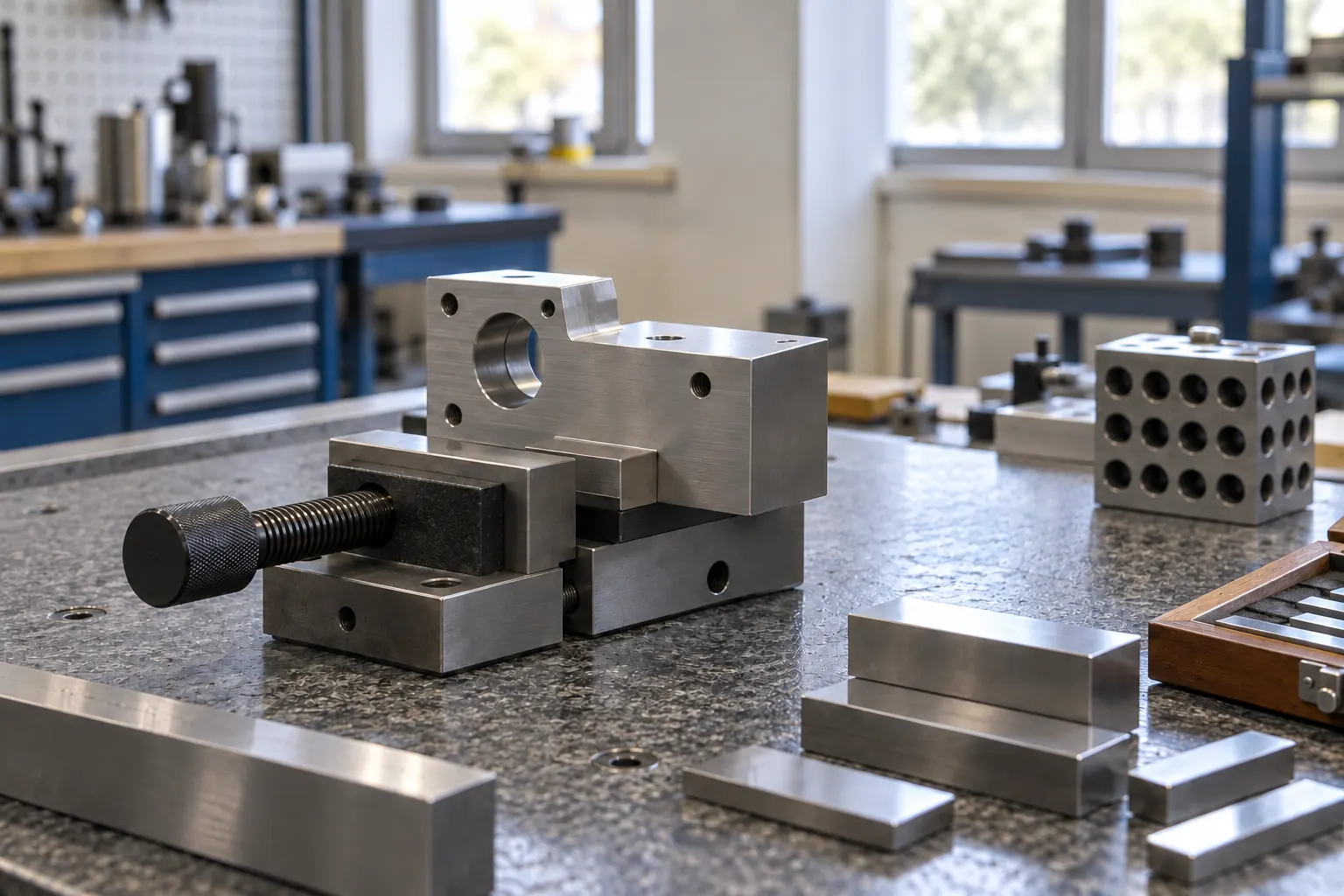
The organizer's report describes Amentum presenting cooperation opportunities in equipment qualification, maintenance and remote operations, and Framatome discussing machining, tooling and technical support. A company need not develop a reactor to contribute: technologies supporting inspection, manufacture and operation can provide an entry point. But the needs described are neither guaranteed orders nor necessarily current calls.
CEA's WEST partner information likewise describes a testing infrastructure open to domestic and international research organizations and industry. Research cooperation focuses on what can be validated; commercial transactions emphasize specifications, quality assurance, delivery and allocation of responsibility. Participation in joint research and adoption of a product are not the same outcome.
Japanese companies should begin with what they can demonstrate and deliver
The following is business analysis. When seeking a French counterpart, the first useful material is not a presentation listing enthusiasm for fusion, but evidence of the operating conditions and validation results for the company's technology. For materials, this may mean temperatures and thermal histories; for machining, tolerances and repeatability; for measurement, conditions and calibration; and for maintenance, inspection methods and recovery procedures.
First decide whether the objective is research cooperation or supply, then identify whether the counterpart is CEA, the ITER Organization, F4E or a main contractor. Next check intellectual property, handling of test data, export controls, and the need and cost of on-site work. This sequence reduces the risk that institutional differences become commercial misunderstandings.
France's strengths extend beyond one machine's record. They lie in an environment that connects knowledge gained by upgrading longstanding research facilities with components for an international project and work for regional companies. For Japanese businesses, focusing on components and processes that need validation now, rather than forecasting the entire future reactor market, offers a concrete starting point for cooperation.
- CEA-IRFM: Presentation of WEST
- CEA-IRFM: WEST sets a new plasma duration record (announced February 19, 2025; experiment February 12)
- CEA-IRFM: WEST partners
- ITER Organization: ITER in France
- Fusion for Energy: Get involved
- CEA-Agence ITER France: report on Rencontres ITER 2026 (published July 13, 2026; event July 7)
Information checked as of:2026-10-12
Country overview based on public information from official institutions. The experimental result dates from 2025 and the industry event from July 2026; neither is presented as a contract award or electricity-generation achievement.