Making a fusion machine work as one system: software roles in ITER's control integration
Equipment that works independently does not necessarily operate as part of a fusion machine. Using ITER's CODAC as an example, this guide connects shared software, test environments, configuration handover and operators' procedures.
Read the Japanese original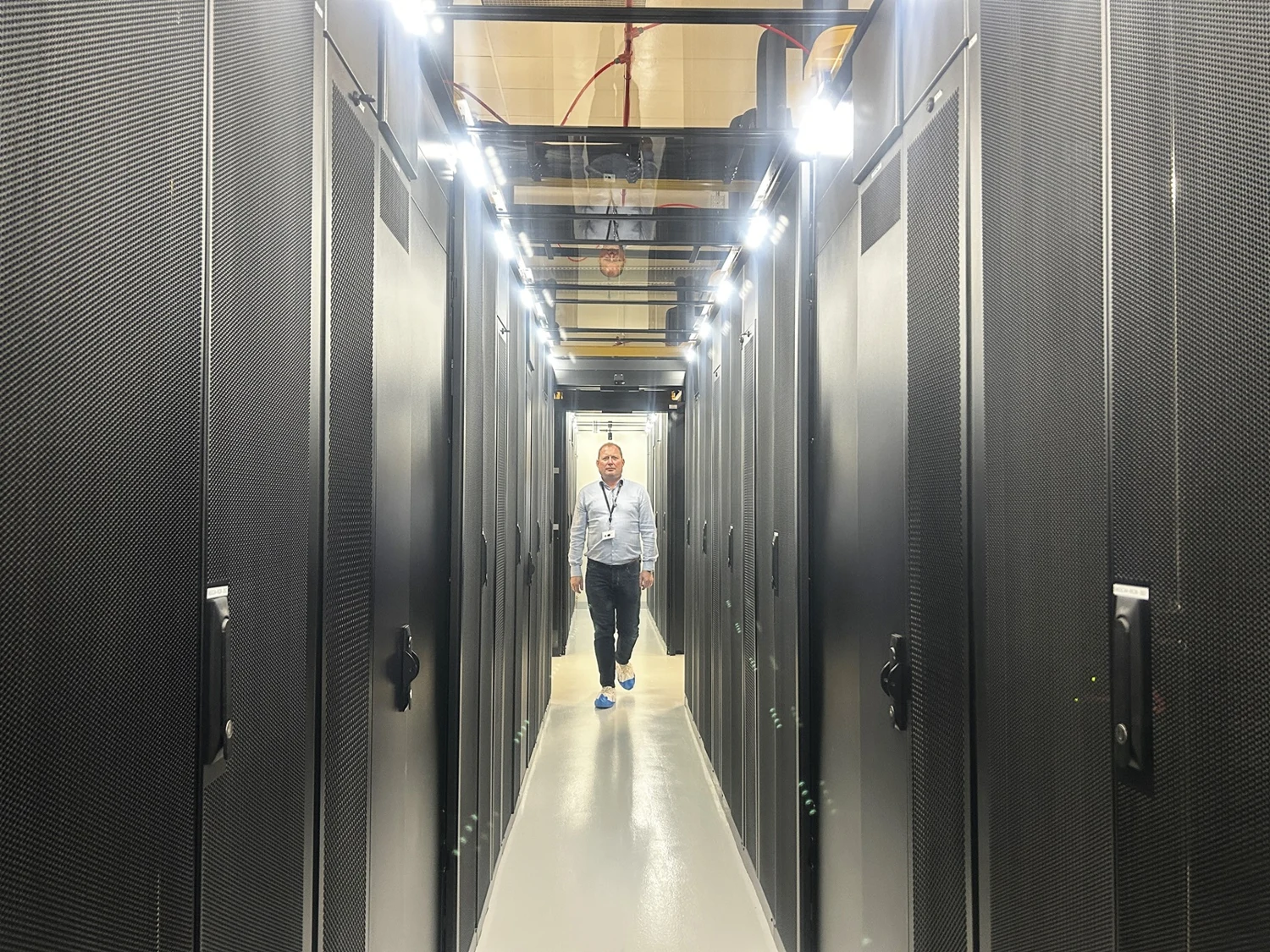
Fusion work is not limited to manufacturing magnets or vacuum vessels. It also includes connecting equipment made by different companies so that it can function as one operating system. ITER's central control system, CODAC, provides an introduction to the links between development, testing and handover that software and controls companies need to understand.
Turn each system's language into a shared framework
CODAC stands for Control, Data Access and Communication. ITER procures systems such as cooling and power supplies separately. They must not only work individually but also allow central monitoring and coordinated operation. ITER's CODAC explanation
A handbook defining equipment and control design rules and a common software environment support that integration. I&C means instrumentation and control: receiving sensor values, sending commands to equipment and displaying its condition.
However, central control is not responsible for everything. Equipment-protection interlocks and personnel and nuclear safety systems operate independently of CODAC. When considering a contract scope, first establish the boundary between operational control and protection or safety. Architecture and division of roles
Transfer factory-tested configurations to the site
The common CODAC Core System software is based on open-source EPICS and Control System Studio. The official information checked on October 12, 2026 lists version 7.4.1, released in September 2026, as the latest. This concerns an updated development platform, not the achievement of fusion operation at ITER. Distribution and use information
Developers use mini-CODAC, an environment providing operator interfaces, alarms and data archiving in place of central facilities. The official March 2026 overview describes its use in development and testing, including factory acceptance tests, with the resulting configuration data reused in the final installation. Development-environment overview
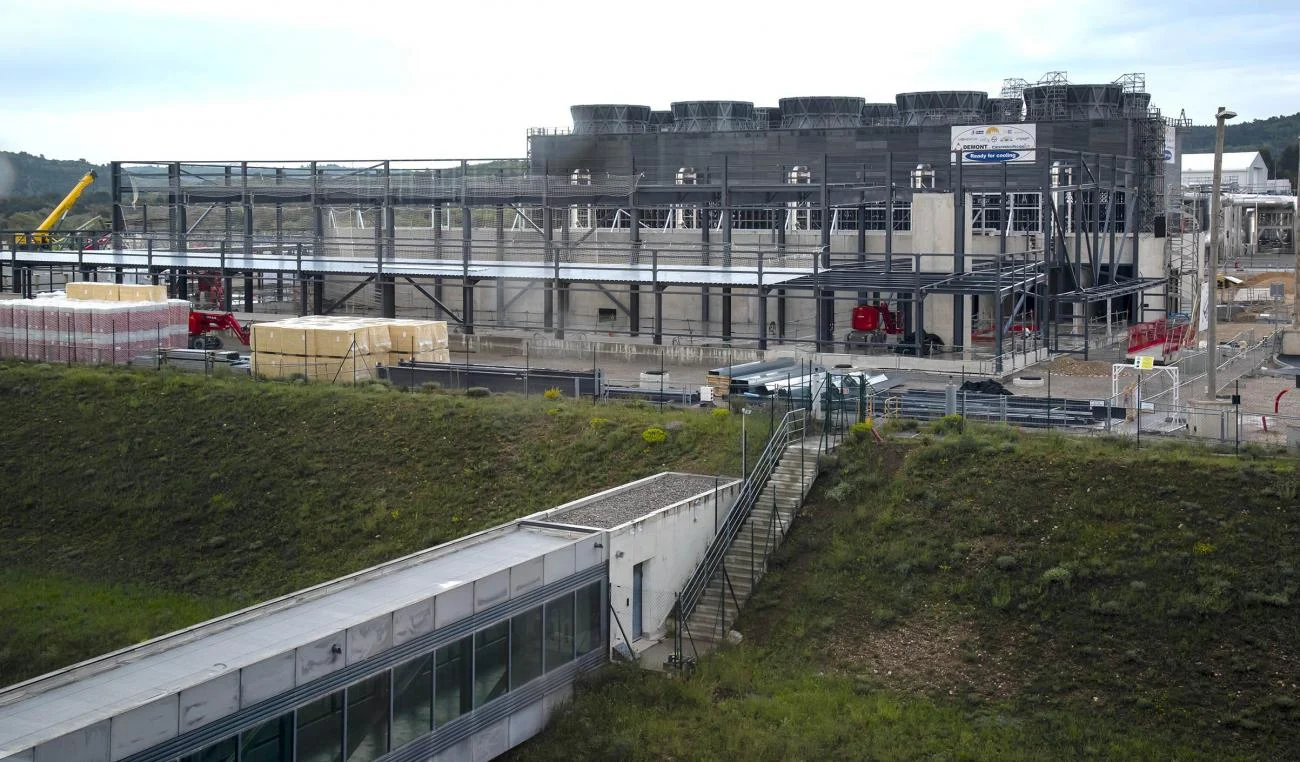
Controls also require buildings for computers and space for cabling. ITER's May 9, 2022 report introduced the Control Building under construction and the server room accommodating connections between control cubicles. Control Building construction record
For a supplier, delivering an interface does not finish the job. Test configurations and delivered configurations need to correspond, changes must be traceable, and site personnel must be able to maintain the system. This is a practical inference from the documented development process.
Add new equipment without disturbing existing systems
ITER's July 24, 2023 article identifies time synchronization, signal names and addresses, and effects on existing systems as challenges when integrating new equipment. A measurement is difficult to use operationally if its equipment of origin or timestamp is unclear. The practice of system integration
The article describes separating central computers and services by system to reduce the spread of changes to other equipment. Delivered control cubicles also need to meet local electrical standards and environmental conditions, in addition to connecting power and communications.
The opportunity is not limited to writing an entire fusion-specific software system from scratch. Connecting equipment to an existing common platform, defining signal semantics and testing additions or updates can also create a role. The computing facilities in the lead photograph are part of the infrastructure for handling information generated by the machine.
Align operator interfaces with people's procedures
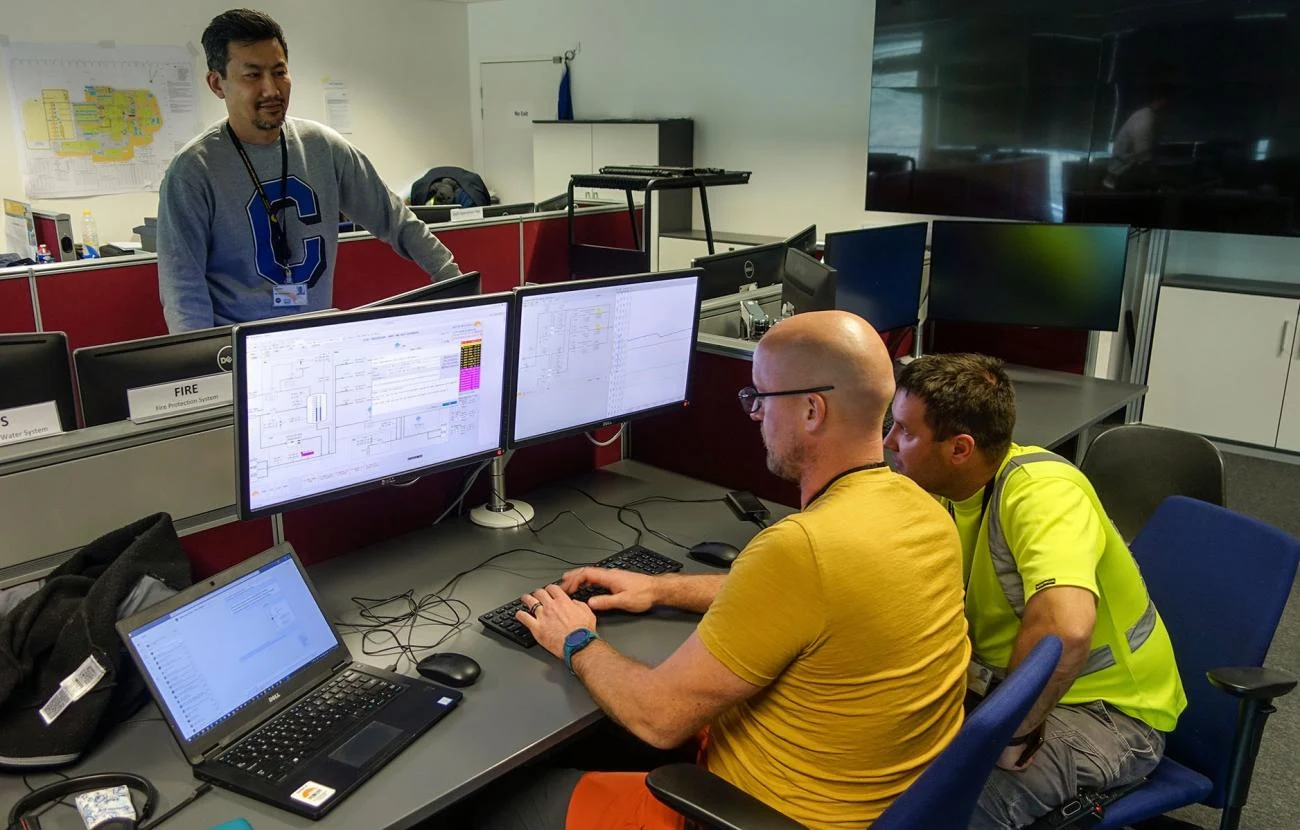
ITER's February 20, 2023 report on the temporary main control room described continuous remote operations that had begun the previous November. Staff monitored pressures and temperatures and coordinated with field operators to commission pumps and other equipment. The article also discussed handovers and procedures linking the site and control room. Contemporary report on the start of operations
A separate May 9, 2023 article illustrated the distinction between permission to monitor equipment and permission to operate it. Operating authority depends on the user's qualifications and the location responsible for commissioning. Centralization of controls and permissions
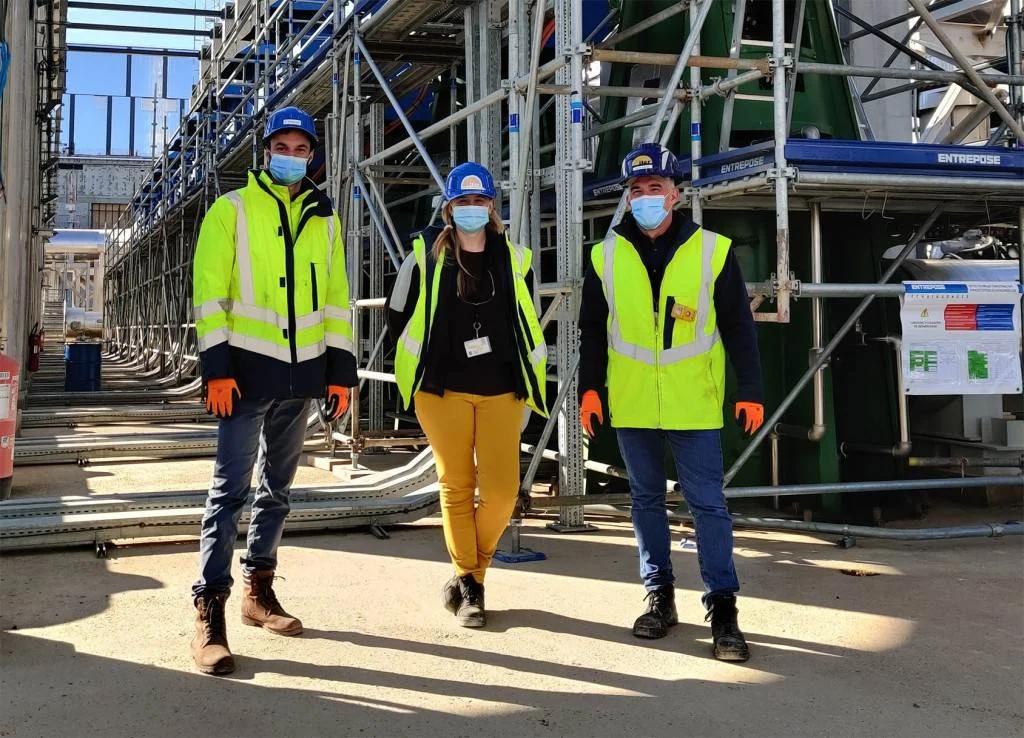
These are historical records of installation and operational preparation. The photographs show those periods, not the current status of every system. They nevertheless demonstrate the difference between delivering an interface and handing over a system ready for operation.
Include work after connection in the quotation
The editorial recommendation is to divide development costs into control within the equipment, connection to central systems, factory and site testing, and updates and maintenance. Signal-list preparation, alarm verification, test-data preparation, fault isolation and operator instruction all require effort.
A common platform does not mean unconditional access to distribution or support. Official guidance requires registration by institutions and contractors participating in ITER development. For each opportunity, check participation conditions, the scope of source-code and configuration handover, maintenance duration and the selected software version.
Value in fusion controls lies in connecting individual equipment performance with other systems and human work. Companies supplying manufacturing controls and software may be able to apply their experience to that task.
- ITER: CODAC's role (official technical explanation, undated; checked October 12, 2026)
- ITER: control architecture and independent protection and safety systems (undated; checked October 12, 2026)
- ITER: CODAC Core System distribution (software released September 2026, exact day unspecified; checked October 12)
- ITER: CODAC Core System overview (March 2026 edition; development and testing procedures; checked October 12)
- ITER: Integrating new systems (July 24, 2023; checked October 12, 2026)
- ITER: temporary main control room operations (February 20, 2023; remote operation from November 16, 2022; checked October 12, 2026)
- ITER: centralization of control functions (May 9, 2023; contemporary operations and plans; checked October 12, 2026)
- ITER: Control Building construction (May 9, 2022; construction the preceding week; checked October 12, 2026)
- ITER: commissioning photographs (published February 4, 2022 and February 3, 2025; capture dates not separately verified; checked October 12, 2026)
Information checked as of:2026-10-12
Practical explanation based on ITER's official public materials from 2022–2026. Historical commissioning results, current software distribution guidance and editorial business recommendations are distinguished.