How do you verify that fusion equipment does not leak? The work behind vacuum testing
Detector performance alone does not make a vacuum test valid. Historical ITER examples explain sensitivity, outgassing, cleanliness and the work that quotations should include.
Read the Japanese original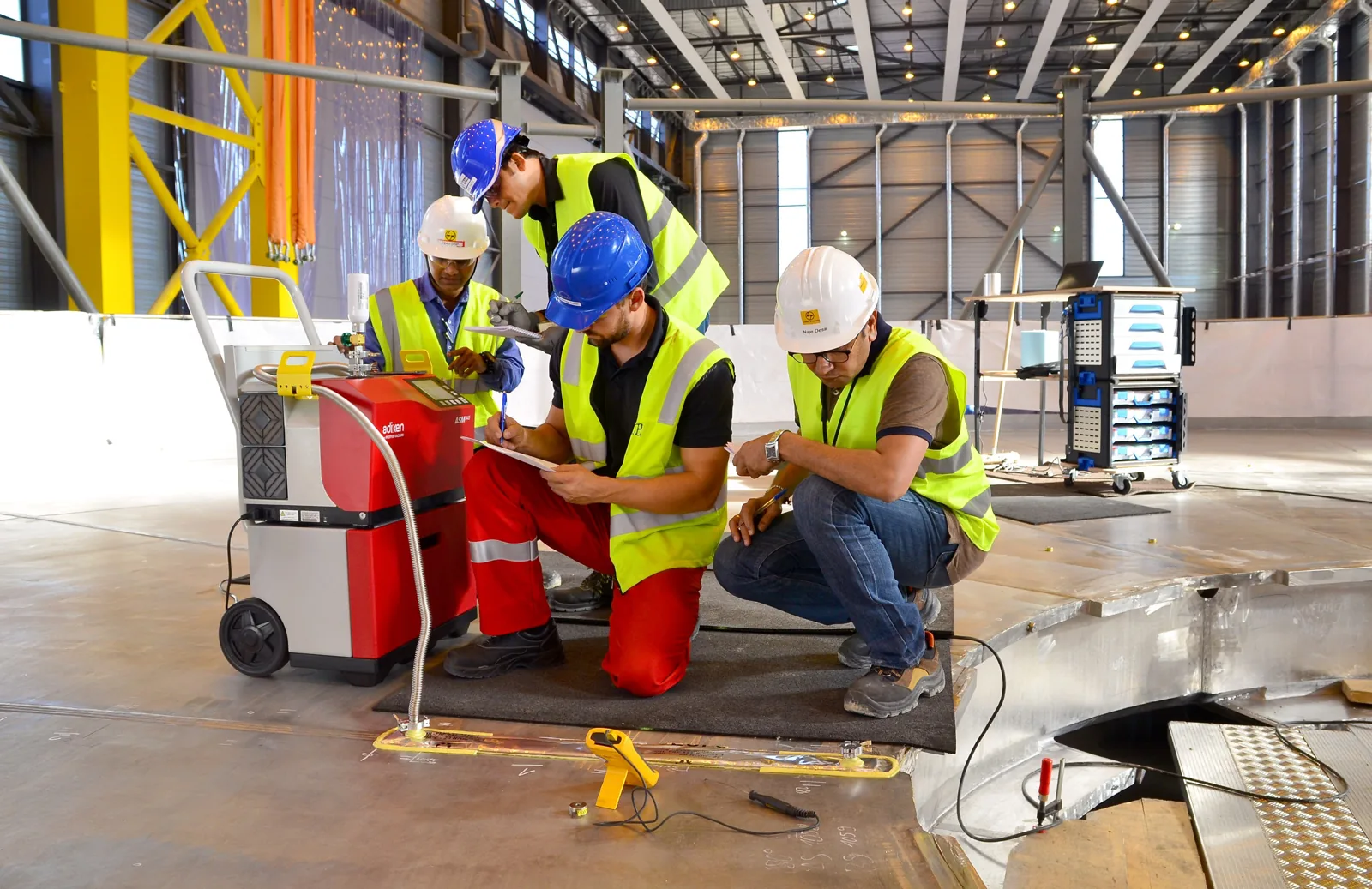
For a company building fusion equipment, airtightness is not a simple specification. It becomes useful performance only when the boundary tested, sensitivity and timing are defined. Historical ITER tests offer a guide to the work supporting vacuum systems.
Support the reaction environment from outside the vessel
A vacuum is a state of low gas pressure. In a fusion machine, limiting the entry of gases other than fuel helps create the intended plasma conditions. Vacuum insulation is also important around superconducting magnets. Despite both being vacuum enclosures, the vessel surrounding the plasma and the cryostat enclosing magnets and other equipment serve different purposes. ITER's vacuum system
Increasing pump performance does not solve every leak. The installation must maintain the required leak-tightness at joints, penetrations and elsewhere. Leak-detection instruments, measurement conditions and manufacturing cleanliness all form part of making the machine usable.
Assess the sensitivity of the entire test, not just the detector
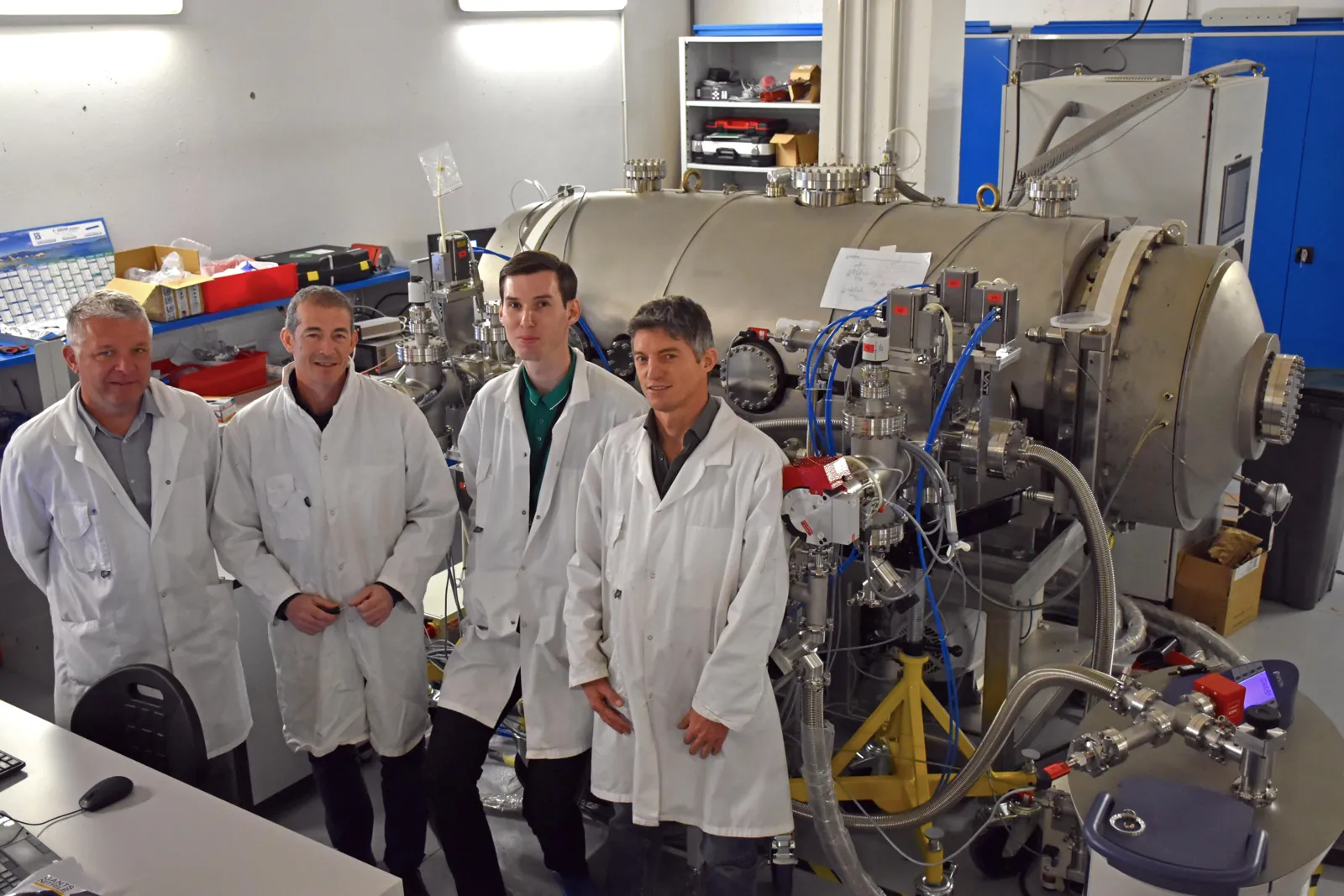
On May 20, 2019, ITER described preparations ahead of factory testing of vacuum-vessel sectors. A small test vessel was used to assess a helium-detecting mass spectrometer and the test procedure. A mass spectrometer identifies gas components using properties related to particle mass.
The difficulty was distinguishing the helium being sought from outgassing, meaning gas released from material surfaces and elsewhere. Rather than relying on a detector catalog, the team checked that the required sensitivity could be achieved against a background resembling the real test environment. Test preparations in 2019
The practical implication is to distinguish the scope of supplying an instrument from the scope of guaranteeing results as a test. Changes in piping, test volume, background gases or waiting time can change what the same detector can verify. The comparison must cover the complete measurement system's conditions, not just model names.
Check long welds section by section
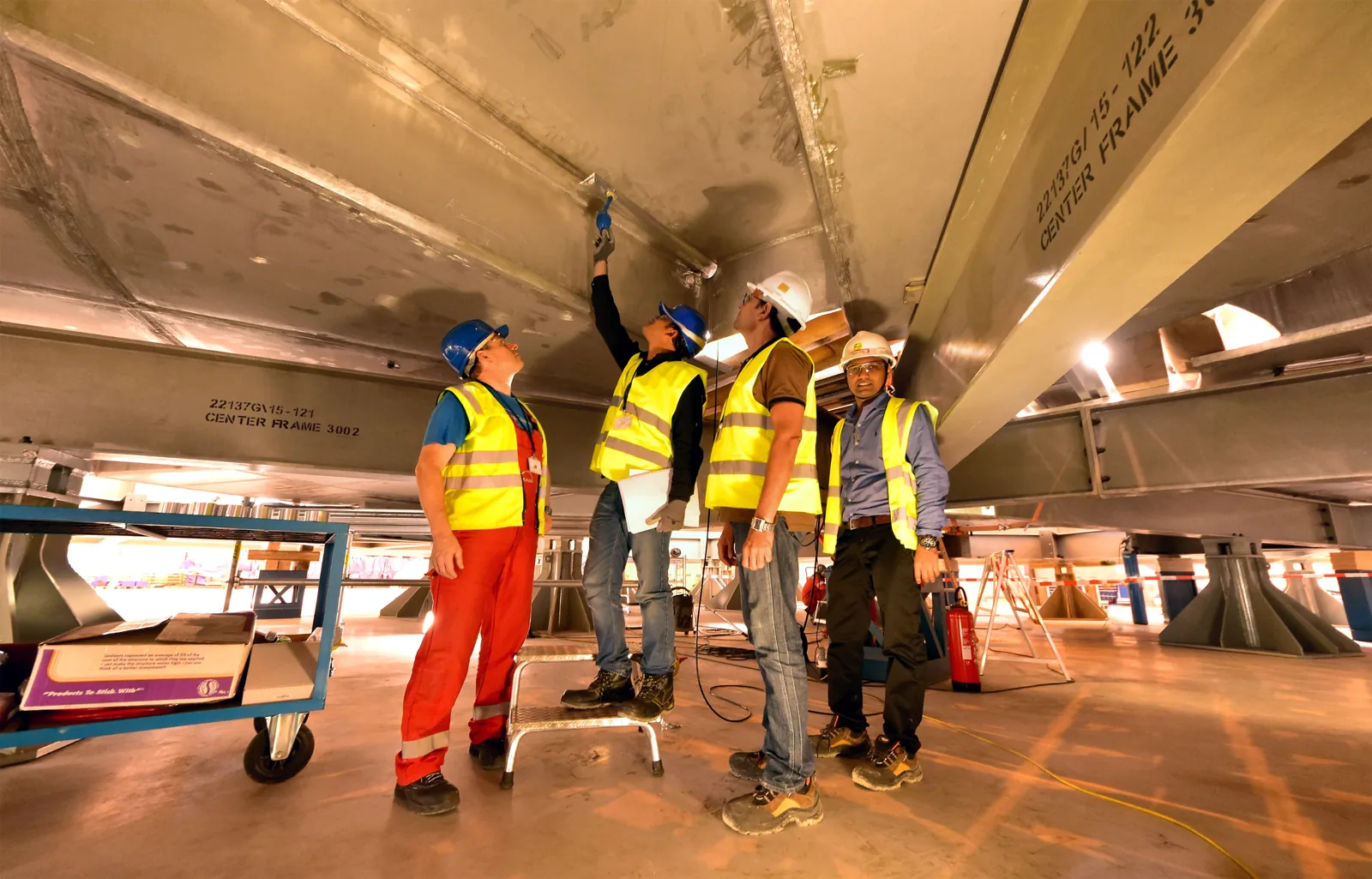
ITER's November 7, 2016 report describes creating a small box-shaped test volume at welds in the cryostat base, evacuating one side and introducing helium from the other. Detecting helium that passes through a weld reveals a possible leak. Long weld lines are divided into sections with overlapping test areas. Cryostat leak testing
Testing a giant component all at once is not the only option. Assessing overall acceptance and locating a defect are different tasks. Manufacturers must consider whether access for inspection can be retained and whether repairs can be rechecked under the same conditions.
The photographs show the work at that time, not current construction progress. Historical processes are useful because they reveal the space and sequence needed for testing, which a finished component's exterior does not show.
Cleanliness affects the time needed after delivery
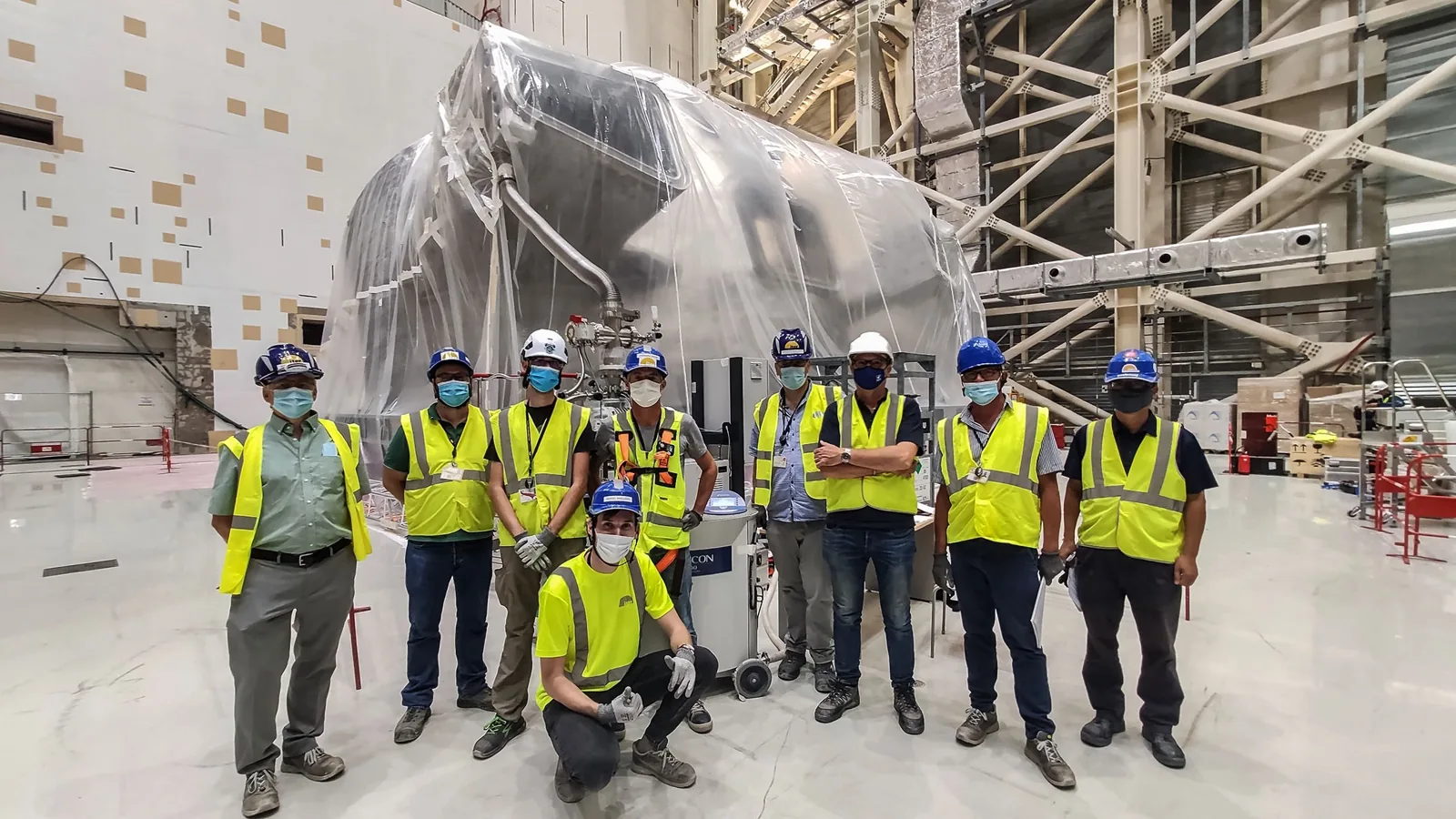
According to ITER's September 14, 2020 report, vacuum-vessel sector 6 passed its on-site leak test on September 4. ITER explained that the internal components had remained sufficiently clean that heating treatment was unnecessary to obtain the required test sensitivity. On-site testing in 2020
This shows how meeting cleanliness requirements can affect time and cost downstream. However, a result in which one component did not require treatment cannot be applied indiscriminately to all components or future reactors. Geometry, materials, surface condition and required sensitivity must each be considered.
Include the work that makes the test possible
The following are the editorial team's recommendations drawn from these examples. Before contracting, align four points: the test boundary and acceptance criteria; how the required detection sensitivity will be demonstrated; manufacturing, storage and transport conditions that maintain cleanliness; and responsibility for locating leaks, repairing them and retesting.
Bundling fixtures, temporary piping, pumping equipment, measurement records and witness-test preparations under a single inspection item can leave gaps in schedules and costs. Check the customer's contractual specifications and test procedures, and define exactly which work your company will undertake.
The value of a vacuum is not that a vessel looks empty. It lies in measuring and reproducing the required conditions and handing them over to the next process. Careful test design is one of the routes connecting established vacuum, welding and measurement expertise with fusion.
Official information from related companies and research institutions
Check each organization’s announcements for development progress and technical documentation.
- ITER: Vacuum system
- ITER: Ensuring leak test sensitivity
- ITER: Cracks in welds? Helium will tell
- ITER: Sector #6 is leak tight
Information checked as of:2026-10-12
Practical explanation of tests published by ITER in 2016, 2019 and 2020. Photographs are also historical and do not show current construction progress or operation of the entire reactor. Acceptance criteria must be checked against the particular equipment's contract and test specifications.