Fusion components are complete only with their records: quality assurance in ITER procurement
Precision manufacturing must be accompanied by connected material, manufacturing and test records. ITER and F4E examples clarify acceptance milestones and quality-assurance work to include in quotations.
Read the Japanese originalAnnouncement date:2026-10-05
For manufacturers considering fusion equipment, the ability to make precise parts and the ability to explain their quality go together. Finished machining is not enough for acceptance if the material, drawing version and tests cannot be traced. Defining what accompanies the hardware before winning an order helps protect profitability.
Manufacturing and inspection underpin a giant vacuum vessel
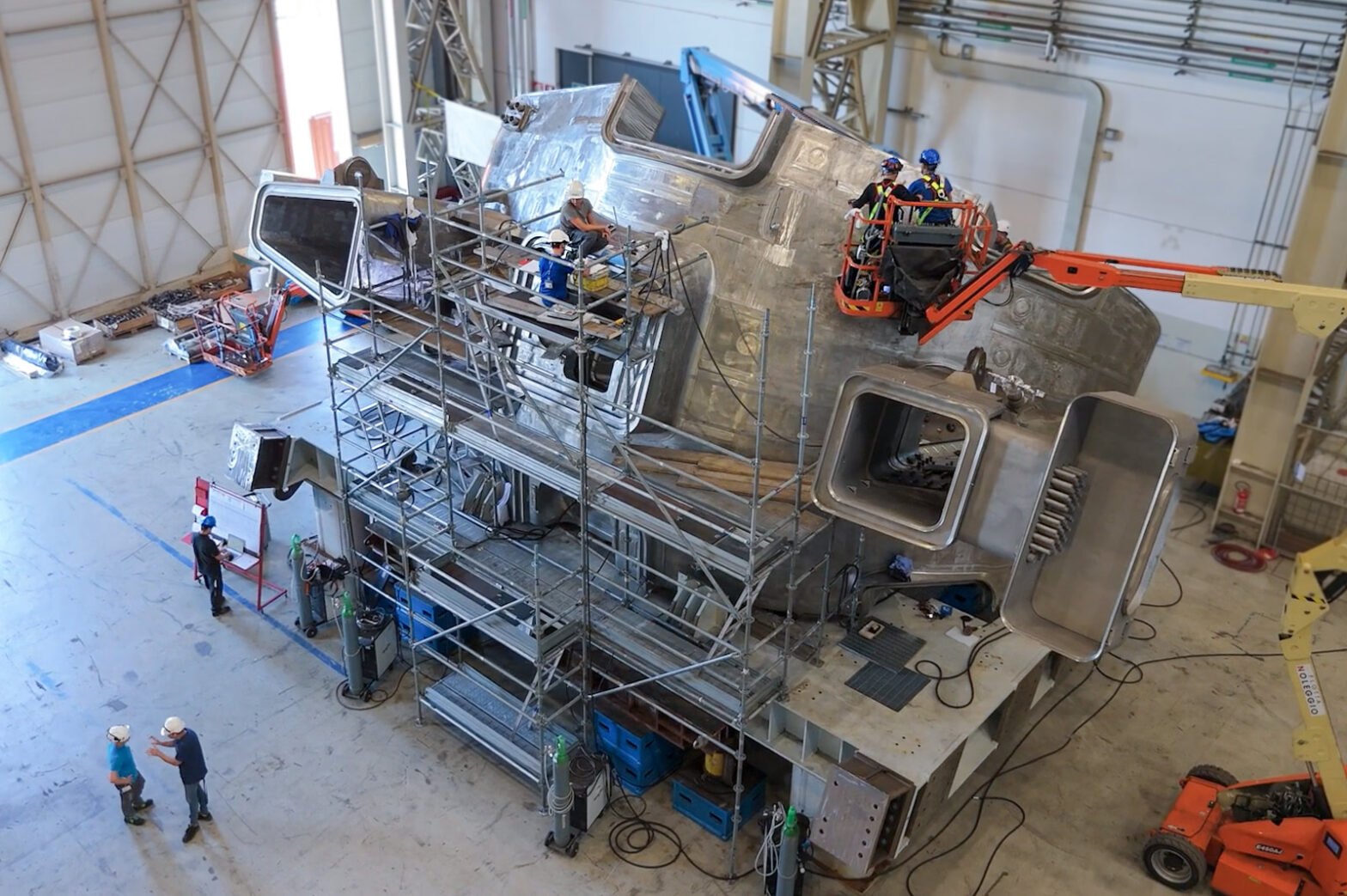
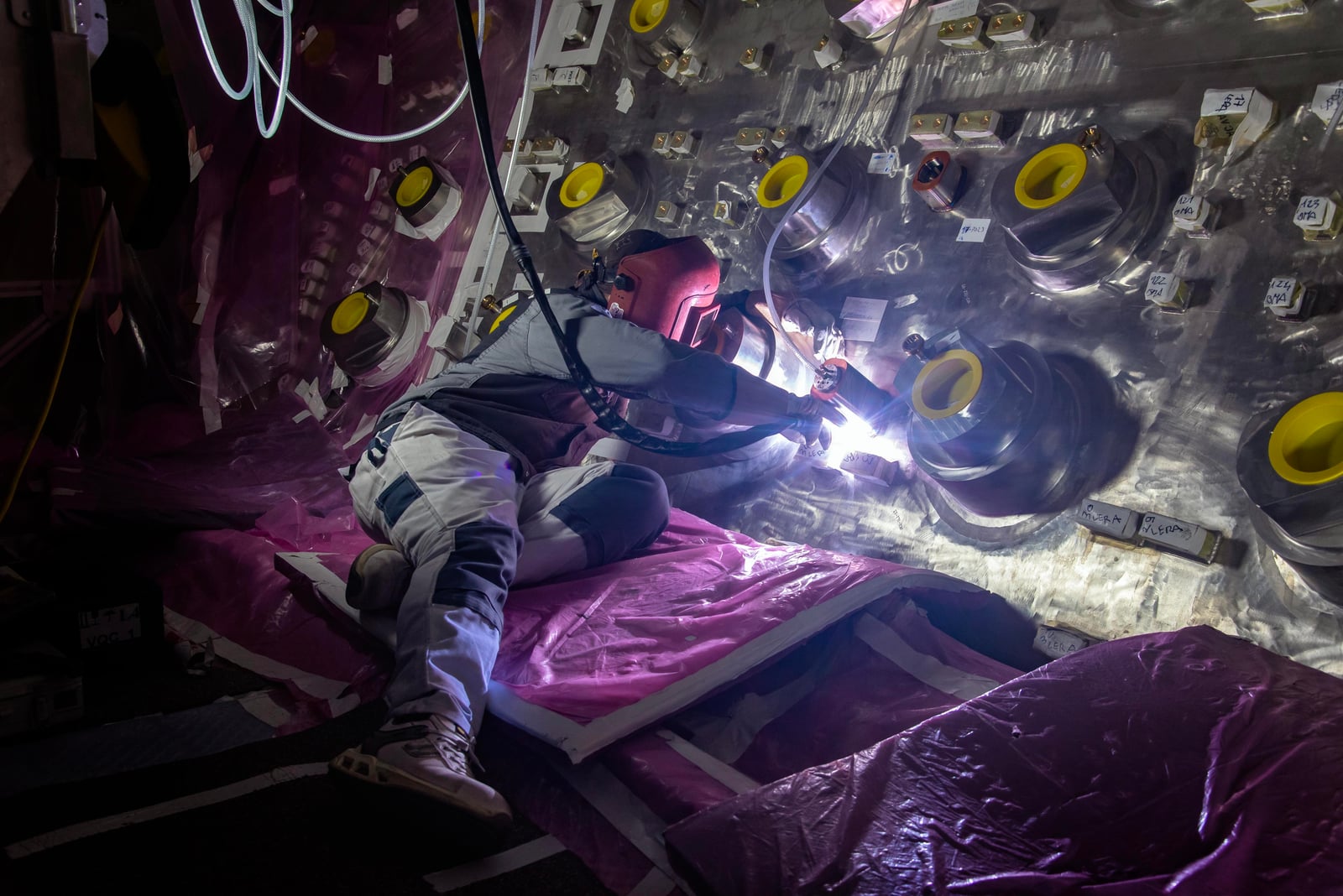
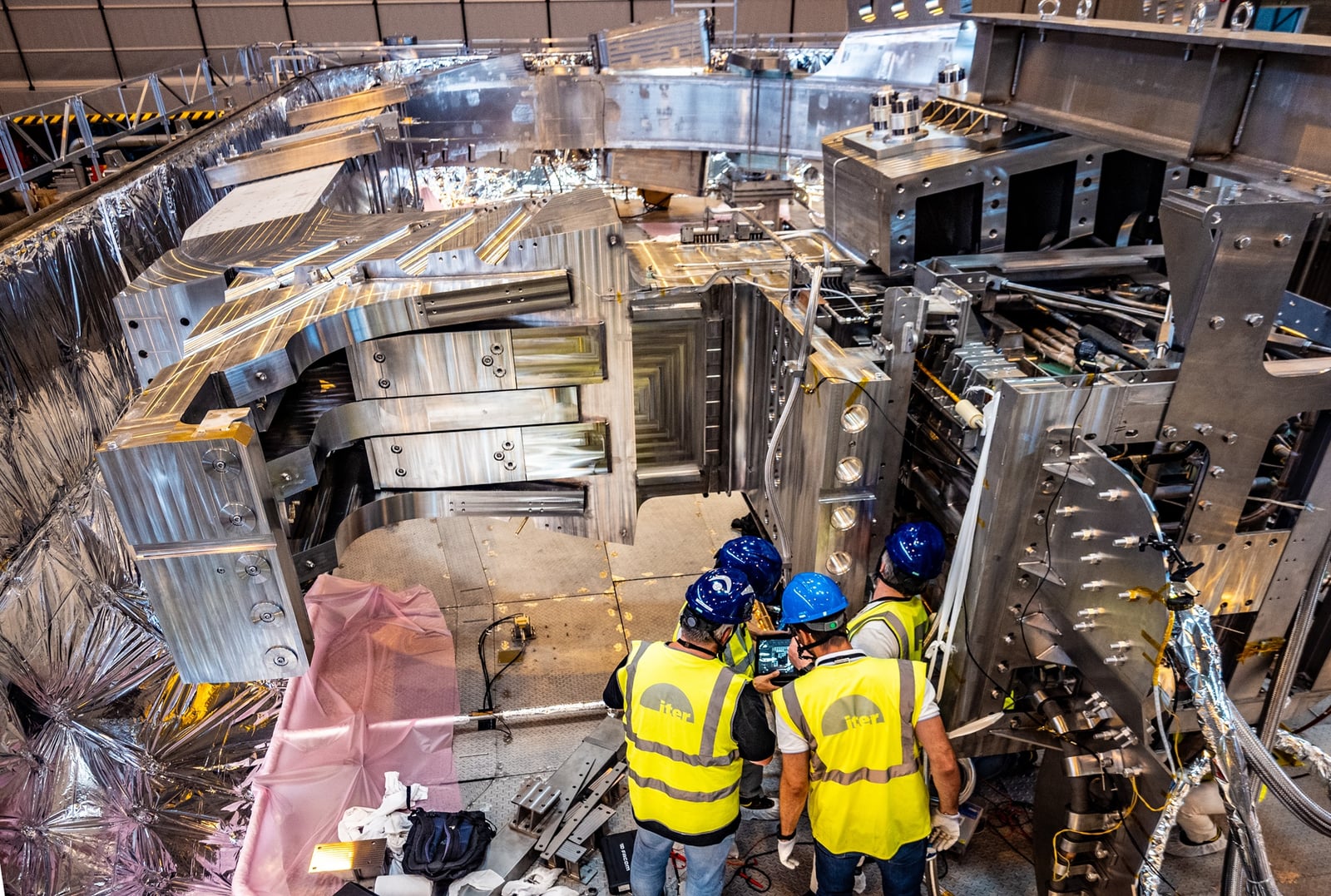
On October 5, 2026, Fusion for Energy (F4E) announced delivery of Europe's final ITER vacuum vessel sector to the site. Manufacturing the five European sectors reportedly required more than two million working hours and 750 kilometers of weld beads. This was a manufacturing and delivery milestone, not the start of ITER operation. F4E delivery announcement
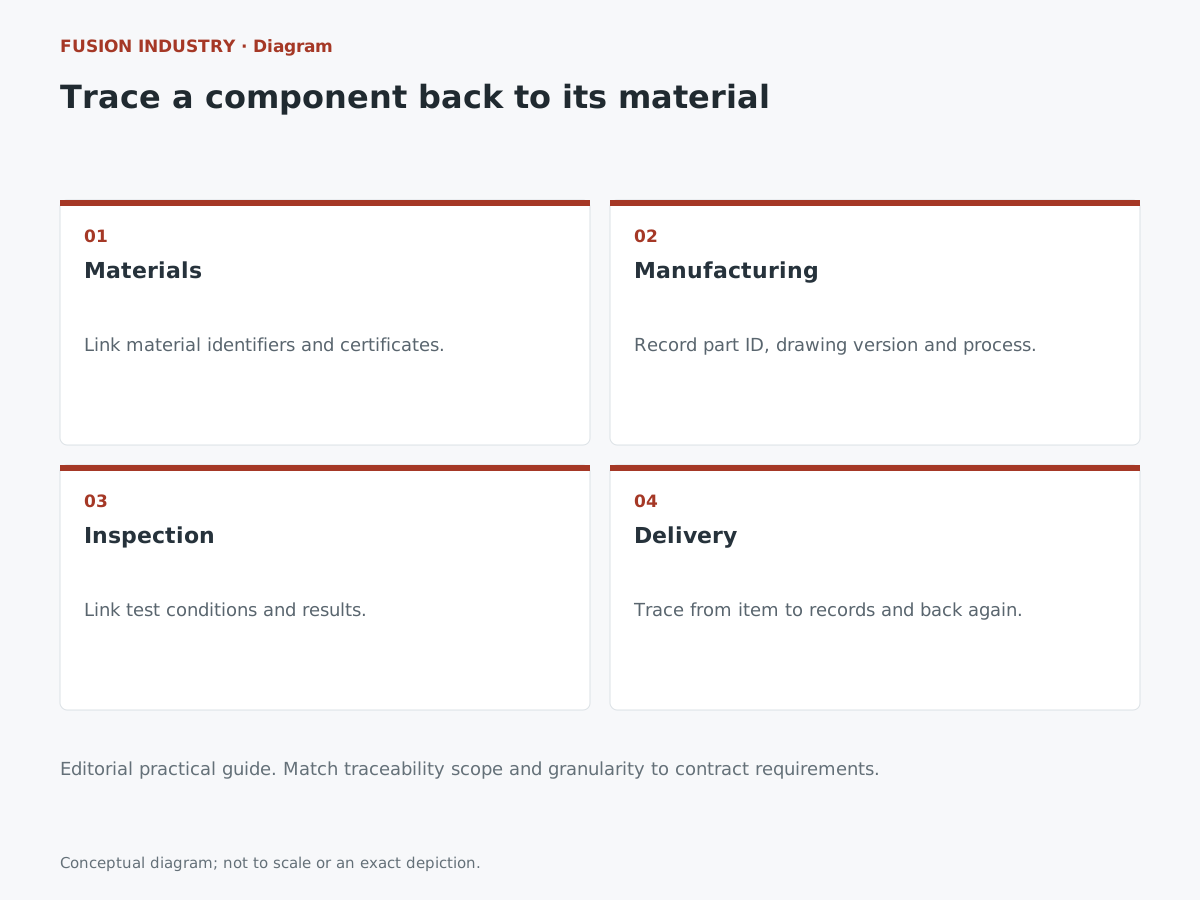
Photographs and appearance alone cannot establish a large component's quality. Only by linking purchased materials, cut pieces, joined locations and inspected positions can the evidence of compliance be followed. This ability to trace is called traceability.
F4E's supplier quality document QA-115 v5.5 links items and associated records in both directions and specifies tracing methods, including individual-item or production-lot identification. It is publicly available as a 2018 version; the version and scope specified by an individual procurement take precedence in an actual application. QA-115 traceability requirements
Quality records are not paperwork created just before shipment
Before manufacturing, prepare a mapping from part numbers to material certificates, processes, drawing versions and measurements. If several parts are cut from one sheet, determine how the original material identifier remains traceable afterward. If heat treatment or inspection is outsourced, report identifiers must correspond to your part numbers.
Rather than adding documents for their own sake, define the questions that must later be answered: which material was used, which drawing requirements a test addresses, and what was reassessed after a specification change. Build the minimum record structure that answers these questions and meets customer requirements.
Define handovers among design, manufacturing, quality assurance and purchasing rather than leaving everything to recordkeeping staff. A data-management system cannot fill gaps if necessary information never arrives from subcontractors.
Separate factory testing, shipment approval and site acceptance
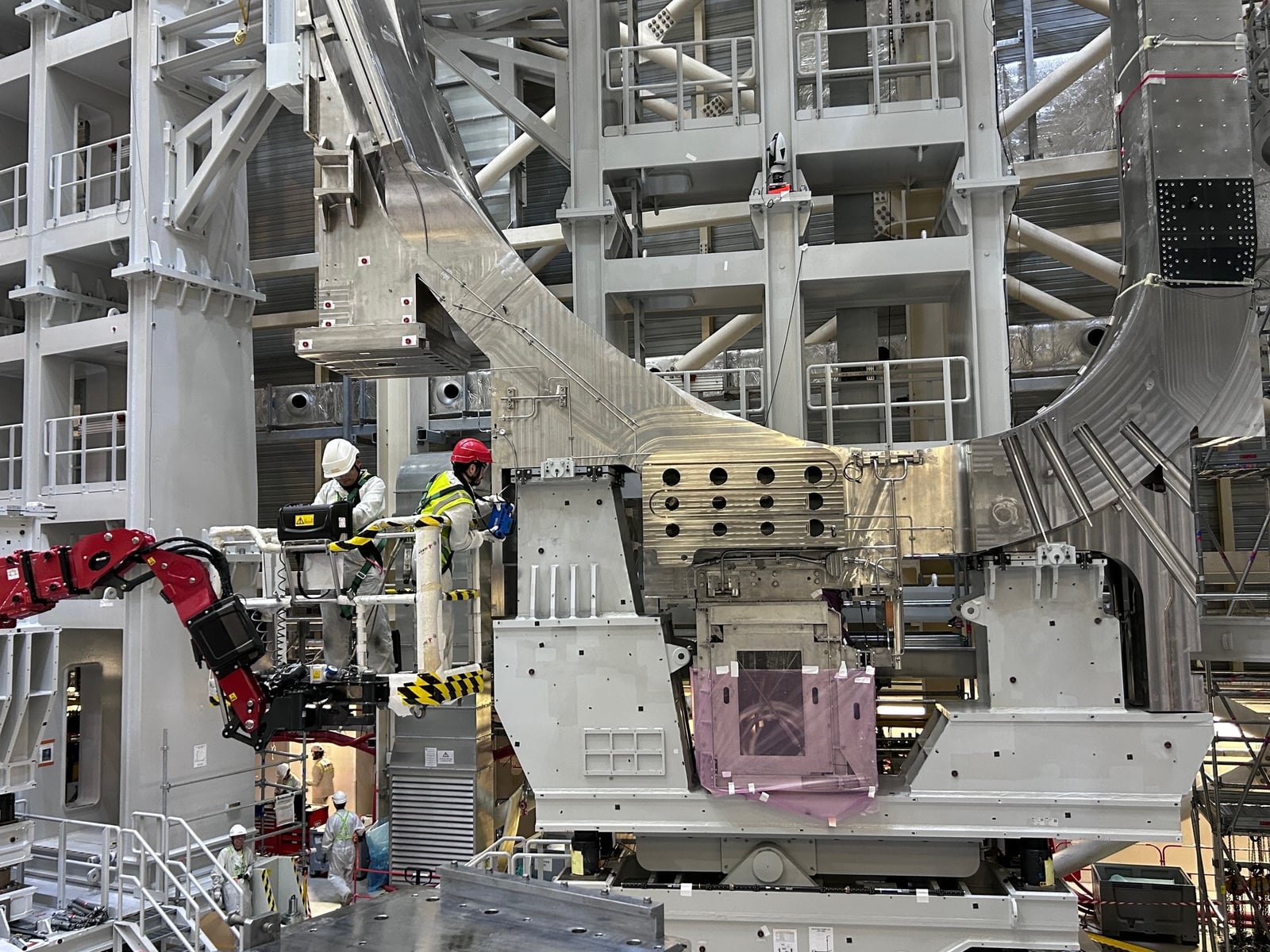
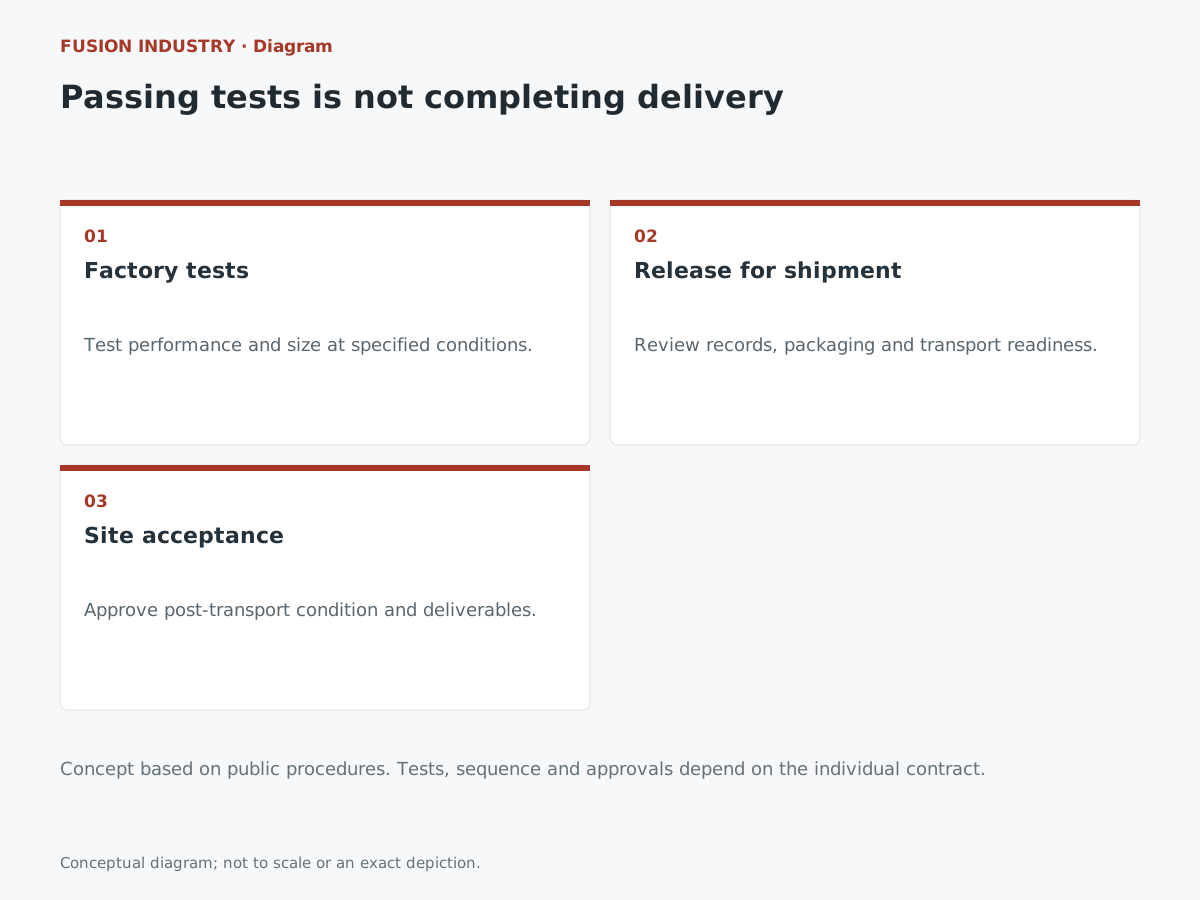
The 2025 procurement specification for ITER heating neutral beam duct liners separates factory acceptance tests (FAT) from site acceptance tests (SAT). Factory work includes dimensions, pressure and helium leak tests, as well as material traceability and manufacturing documents. Inspection after arrival and approval of documents are also conditions for final acceptance. Section 8.2 of the specification
F4E's Delivery Readiness Review (DRR) similarly defines checks required for packaging and transport approval. Demonstrated factory performance, permission to ship and final customer acceptance are therefore different decisions. F4E Delivery Readiness Review
These are examples of published procedures, not identical tests imposed on every fusion contract. Sales teams should identify the approver, submissions, witnessing requirements and repeat-test arrangements for each contractual milestone.
Include inspection and recordkeeping effort in the quotation
Promising a product price first can leave later additions for test fixtures, instruments, external testing, document preparation and translation, and customer reviews that erode margins. Separate manufacturing and verification costs at proposal stage, stating the number of tests, deliverables and extent of revisions included. This is business advice informed by public requirements.
ITER's tender explanation states that proposals passing technical evaluation proceed to financial evaluation. Low price does not compensate for missing technical compliance. ITER tender process
Start by selecting one component you want to supply and dividing deliverables into hardware, tests and records. Assign responsibility and cost to each, turning unresolved conditions into questions before quoting. Treating quality assurance as part of product value and cost, not final administration, supports a structured response to demanding delivery conditions.
- F4E: Europe's final ITER vacuum vessel sector delivered (October 5, 2026)
- F4E: quality and nuclear-safety documents and project-specific applicability
- F4E: QA-115 v5.5 (2018), section 6.3.5
- ITER/QST public document: HNB duct liner procurement specification (2025 call), section 8.2
- F4E: Delivery Readiness Review v2.1 (2020)
- ITER: Tender process
Information checked as of:2026-10-10
Practical explainer based on public announcements and procurement documents. Distinguishes delivery achievements from future operation. Older specifications and procedures are examples; each contract's applicable version and acceptance conditions take precedence.