Why Prime Minister Takaichi backs fusion energy: the path to industrialization since her ministerial years
Trace Sanae Takaichi's involvement in fusion policy from developing Japan's national strategy as the responsible minister to supporting R&D as prime minister. Industry coordination, tax measures, multiyear funding and practical questions for companies.
Read the Japanese original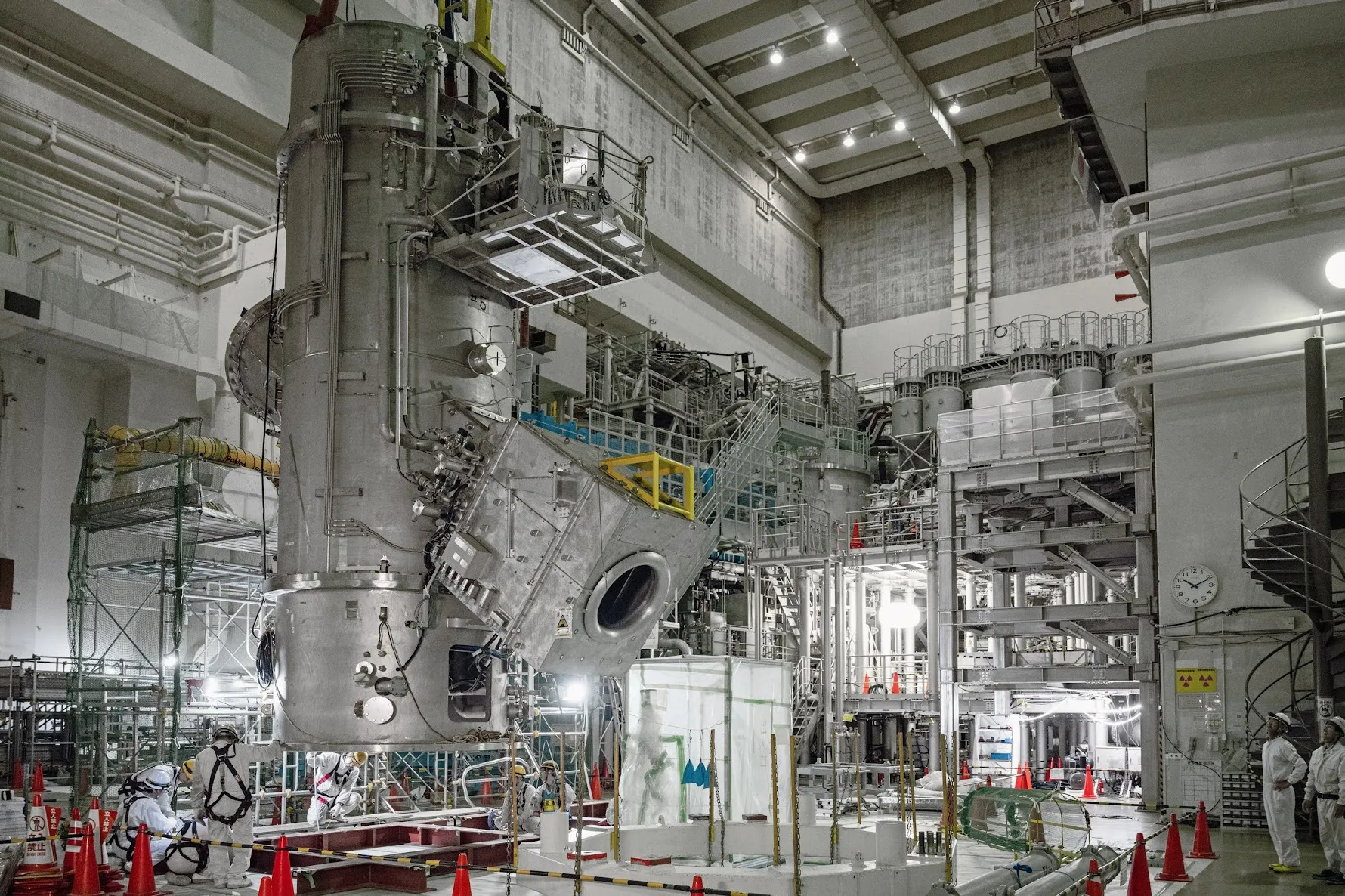
Prime Minister Sanae Takaichi's involvement in fusion energy policy dates back to her time as minister responsible for science and technology policy, before becoming prime minister. She participated consistently in discussions leading to Japan's first national strategy, advocating an integrated approach to corporate entry, supply chains, safety and workforce development alongside R&D. Her strong backing combines expectations for future electricity generation with an effort to turn Japanese companies' existing technologies into an industry. Policy support and the realization of commercial power generation are nevertheless different stages.
From research to industry: involvement began as the responsible minister
The Cabinet Office's current ministerial list identifies Sanae Takaichi as prime minister. In tracing her specific involvement in fusion policy, however, it is important to distinguish that role from her period overseeing science and technology policy in the Kishida Cabinet. Cabinet Office ministerial list
At the first expert meeting on fusion strategy on September 30, 2022, Minister Takaichi emphasized the need to connect Japanese technologies accumulated through ITER and other programs to commercialization through public–private cooperation. This reflected a concern with developing domestic research results into an industrial foundation in which companies could participate. Cabinet Office: first meeting
On April 14, 2023, the Integrated Innovation Strategy Promotion Council adopted the Fusion Energy Innovation Strategy. At her press conference that day, Takaichi said she had attended and participated in every meeting. She identified concrete measures including an industry council, R&D support for startups, discussion of safety regulation, support for emerging technologies and education programs. The substance of the backing lay not simply in expressing expectations but in bringing together policy instruments needed for industrialization. April 14, 2023 press conference
Emphasizing technological strength rather than resource abundance
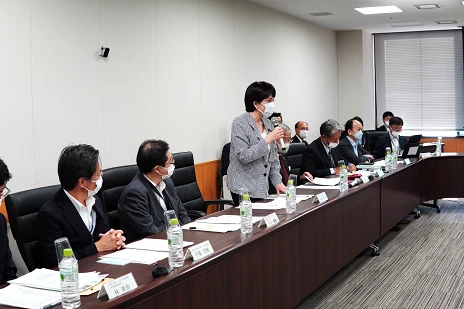
At the fifth expert meeting on fusion strategy on February 28, 2023, Minister Takaichi discussed the possibility that national advantages in energy could shift from resources to technology. From this perspective, Japan's limited natural resources give it a reason to strengthen research and manufacturing capabilities. This was a forward-looking policy assessment, not a report that the structure of energy supply had already changed. Fifth meeting
Creating work for Japanese companies before power generation arrives
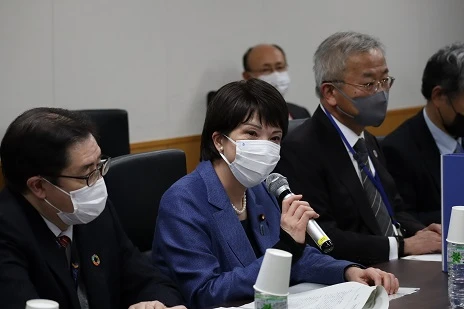
Her December 26, 2023 press conference helps explain this approach. Takaichi said, in substance, that while electricity generation itself would take time, she wanted to connect Japanese companies' individual technologies to business and bring economic benefits to Japan. December 26, 2023 press conference
Owning a completed power plant is not the only way into the industry. Companies also have roles in equipment, materials, manufacturing and maintenance for research machines and demonstration facilities. Integrating their technology into domestic or overseas development plans may offer business opportunities before future electricity sales begin. This is not an argument for optimism about whether power generation will succeed, but a question of how to build the supply chain that supports long-term development.
The JT-60SA neutral beam unit in the headline photograph is a concrete example of equipment supporting research facilities. The photograph records installation work in December 2024; it does not show budget execution by the current Cabinet. F4E's equipment upgrade article
From the industry council to the next strategy revision
In May 2024, Takaichi attended the founding celebration of the Japan Fusion Energy Council (J-Fusion), explaining the importance of participation by companies across a broad range of industries. At an expert meeting that August, she reviewed developments including the industry council and Moonshot goals and announced the start of discussions on revising the national strategy. The record shows policy formation continuing beyond a single strategy decision into further institutional development. Founding celebration / Start of revision discussions
Support as prime minister: R&D and multiyear investment
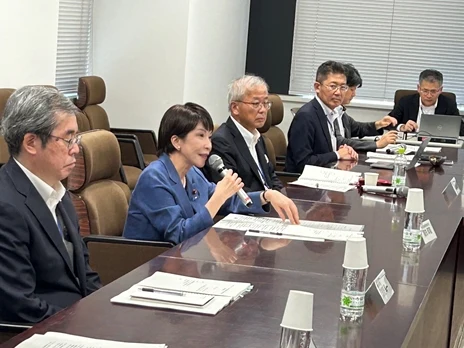
Her approach as prime minister can also be seen in the Cabinet Office's record of remarks at the Japan Growth Strategy Council on December 24, 2025. Prime Minister Takaichi stated that R&D tax incentives would be strengthened for growth sectors with difficult research challenges, including fusion. The material also records the government's intention to advance R&D on diverse reactor types and develop facilities and equipment that companies can use. Meeting material published by the Cabinet Office
On funding, the Ministry of Economy, Trade and Industry explained at a government working group on February 12, 2026 that the fiscal 2025 supplementary budget provided ¥20 billion, alongside ¥60 billion in authorization for government obligations over three years. It also envisaged support on the scale of ¥100 billion over five years, taking account of achievement against development milestones. A single-year budget, authority to assume future obligations and an anticipated support scale are different things. The ¥20 billion and ¥60 billion cannot simply be added together, nor should the ¥100 billion be read as money already paid to companies. Summary of the first working group meeting
Taken together, these policies and statements suggest two central strands: long-term investment to broaden energy options and industrial policy to develop domestic research and manufacturing capabilities. This is an interpretation of the policy direction in the documents, not a guarantee that individual development plans will succeed.
Policy across administrations: distinguish contributions from targets
It is important not to attribute all of this policy to one politician. The first national strategy in 2023 was adopted under the Kishida Cabinet. The June 4, 2025 revision came during the Ishiba Cabinet, with the revised strategy targeting electricity-generation demonstration in the 2030s. Takaichi's continued involvement is documented, but it is more accurate to place it within years of work by government, research institutes, universities, companies and international partners. Cabinet Office meeting record for that date / Revised strategy
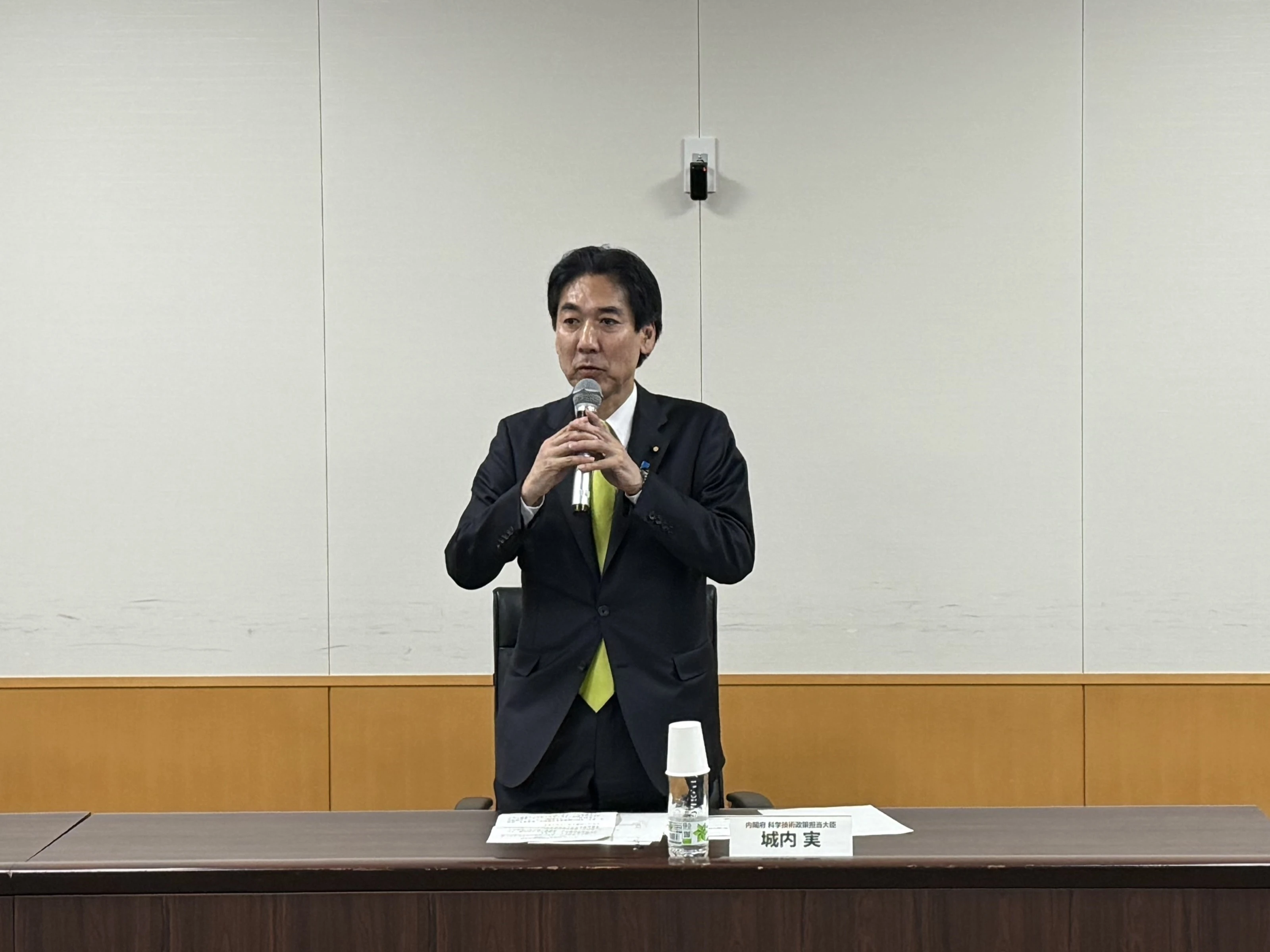
Minoru Kiuchi, then minister responsible for science and technology policy, attended the twelfth expert meeting on May 30, 2025 ahead of the revision. Discussions of industrialization and electricity-generation demonstration continued through the expert process even as the responsible minister changed. Twelfth meeting
Starting an experimental machine is also not a demonstration of electricity generation. The JT-60SA ceremony attended by Takaichi in December 2023 celebrated the start of a plasma experimental machine's operation. Its purposes are support for ITER, research toward a demonstration reactor and training; commercial electricity supply did not begin there. JT-60SA ceremony
Companies should examine the practical steps that follow policy
Sustained political backing is an important consideration for companies assessing entry into the field. It does not, by itself, guarantee profitability or orders. Companies need to examine the scope of calls, selection conditions, development goals, actual equipment procurement, access to testing facilities, safety requirements and future customers.
Assessing Prime Minister Takaichi's support means looking beyond the strength of her expectations to how far conditions have been established for companies to test technology, train people and acquire customers. The purpose of policy that develops fusion as an industry is to connect hopes for future electricity generation with verifiable R&D and near-term business opportunities. Results will have to be assessed through subsequent demonstrations and business progress.
Key developments
- September 2022: Science and Technology Policy Minister Takaichi attends the first expert meeting on fusion strategy
- April 2023: The Kishida Cabinet adopts the first national strategy
- May 2024: Takaichi attends J-Fusion's founding celebration
- August 2024: Discussions begin on revising the national strategy
- June 2025: The Ishiba Cabinet revises the strategy, targeting electricity-generation demonstration in the 2030s
- 2025–2026: The Takaichi Cabinet advances R&D and demonstration support
- Cabinet Office ministerial list
- Cabinet Office: first expert meeting
- April 14, 2023 press conference
- Fifth expert meeting
- December 26, 2023 press conference
- F4E equipment upgrade article
- J-Fusion founding celebration
- Start of strategy revision discussions
- Meeting material published by the Cabinet Office
- Summary of the first working group meeting
- Cabinet Office meeting record for that date
- Revised strategy
- Twelfth expert meeting
- JT-60SA commemorative ceremony
Information checked as of:2026-10-16
Policy explainer distinguishing statements, national strategy, budget frameworks and future targets while considering conditions for corporate entry.