South Korea approves KRW 1.48 trillion fusion R&D program starting in 2027
South Korea has approved a ten-year fusion R&D program for 2027–2036. The KRW 1.4813 trillion project will develop technologies and testing facilities, alongside ongoing KSTAR research, ITER participation and a policy goal of demonstrating fusion electricity generation in the 2030s.
Read the Japanese originalAnnouncement date:2026-11-05
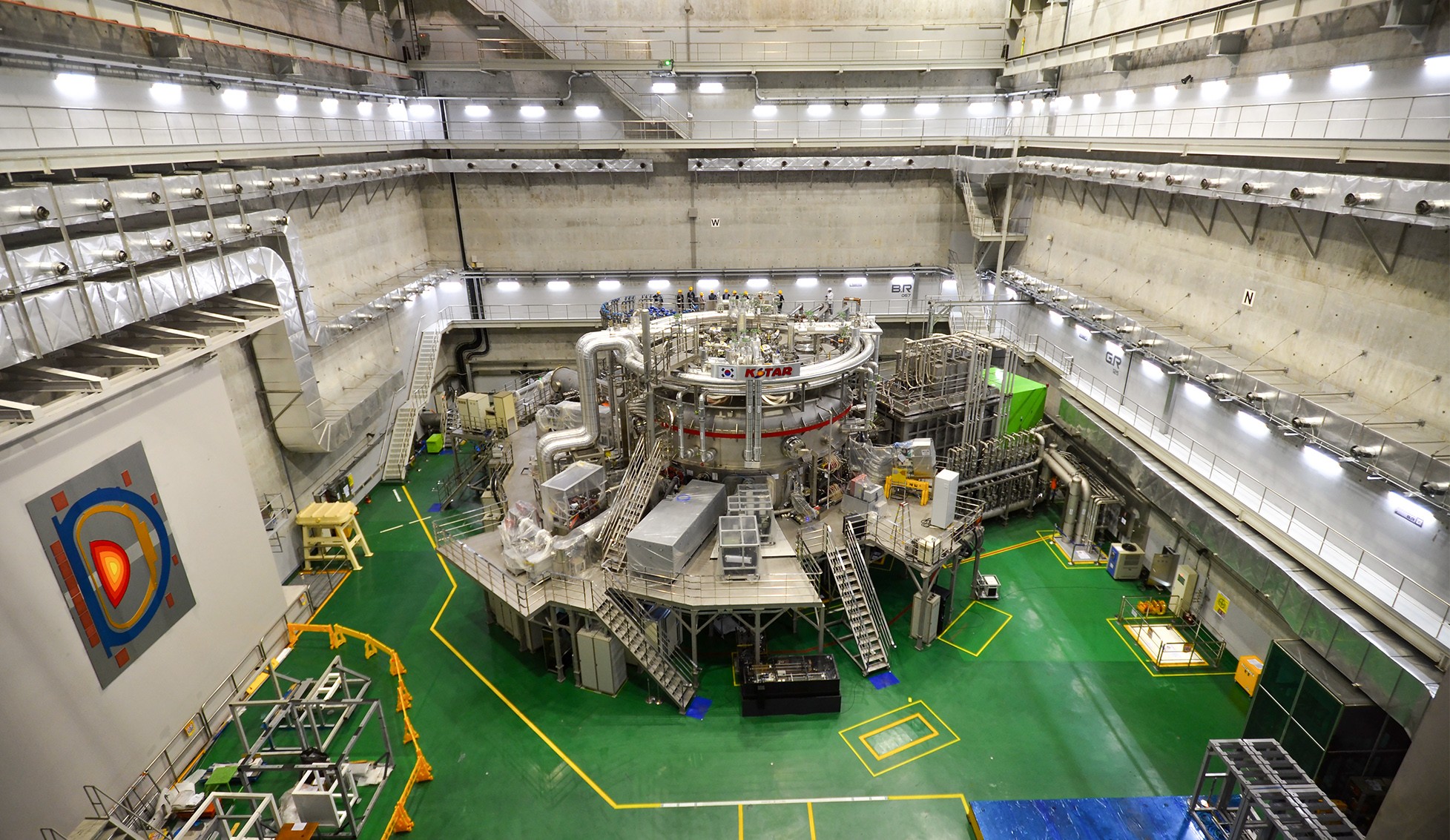
South Korea has approved a program worth approximately KRW 1.48 trillion over ten years for fusion research and development, the Ministry of Science and ICT (MSIT) announced on November 5. Korea has continued high-temperature plasma research at KSTAR while participating in the construction of ITER. The new program will develop technologies intended to help turn that research into electricity generation and establish facilities to test the results.
A ten-year program approved by the government
The program is titled “Development of Core Technologies and Establishment of Demonstration Infrastructure to Accelerate the Realization of Fusion Energy.” It passed its preliminary feasibility study and was approved through the committee’s written deliberations on November 3–5. It will run from 2027 to 2036, with a total cost of KRW 1.4813 trillion, including KRW 1.2877 trillion in national government funding. MSIT announcement
Development will cover plasma, heating and current drive, superconducting magnets, fuel-producing breeding blankets, fusion materials and the fuel cycle. The plan is to advance these technologies to a level where they can be tested in harsh conditions resembling those of a fusion reactor, and to establish a demonstration center to assess the results.
The “approximately KRW 2.2 trillion” in English-language headlines is the combined total for three programs: fusion, marine molten-salt reactors and advanced displays. The fusion share is approximately KRW 1.48 trillion.
Research at KSTAR and participation in ITER
Korea has pursued fusion research through facilities including the KSTAR superconducting tokamak. KSTAR is used to study how to confine and control high-temperature plasma.
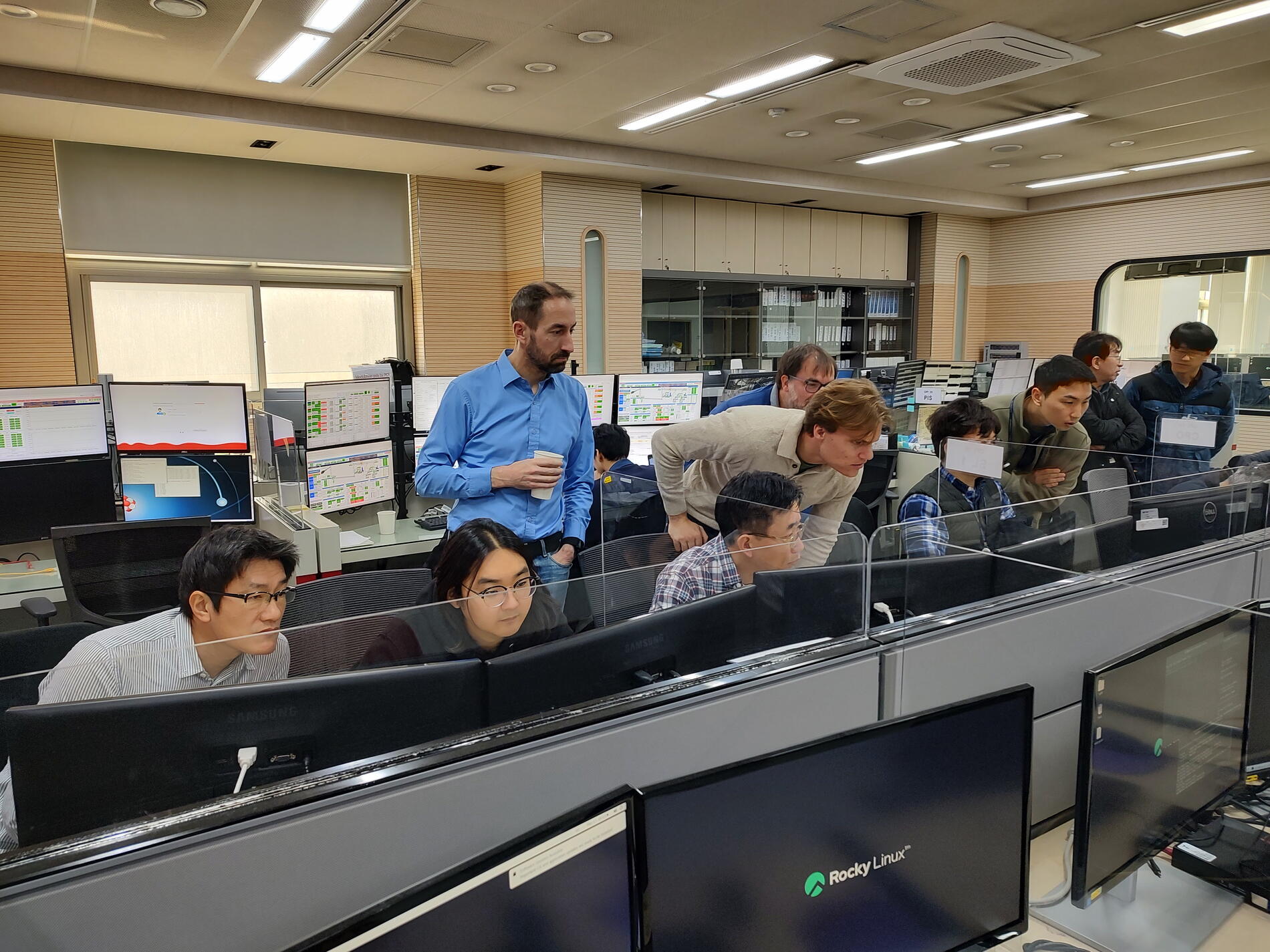
In March 2026, KSTAR was also used to test ITER’s plasma control system. A total of 38 pulses, including preliminary commissioning, examined how the control system performed on an operating machine. The Korean research facility is thus supporting the development of an international project as well as domestic research. ITER’s report on the KSTAR tests
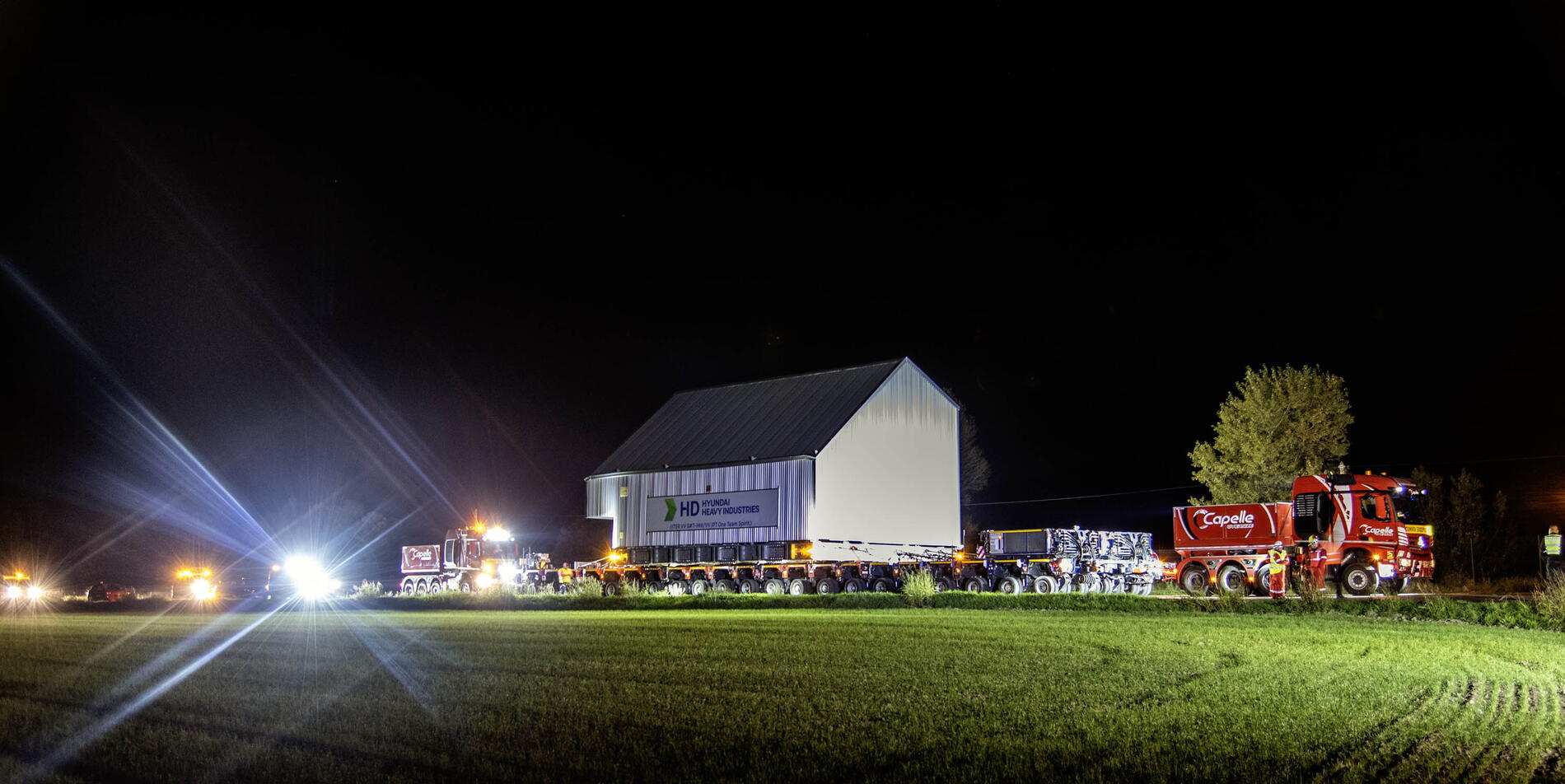
Alongside that research, Korea has supplied large components for ITER. The last of the four vacuum vessel sectors under Korea’s responsibility arrived at ITER in November 2024. It was manufactured by Hyundai Heavy Industries in Ulsan. ITER’s delivery report
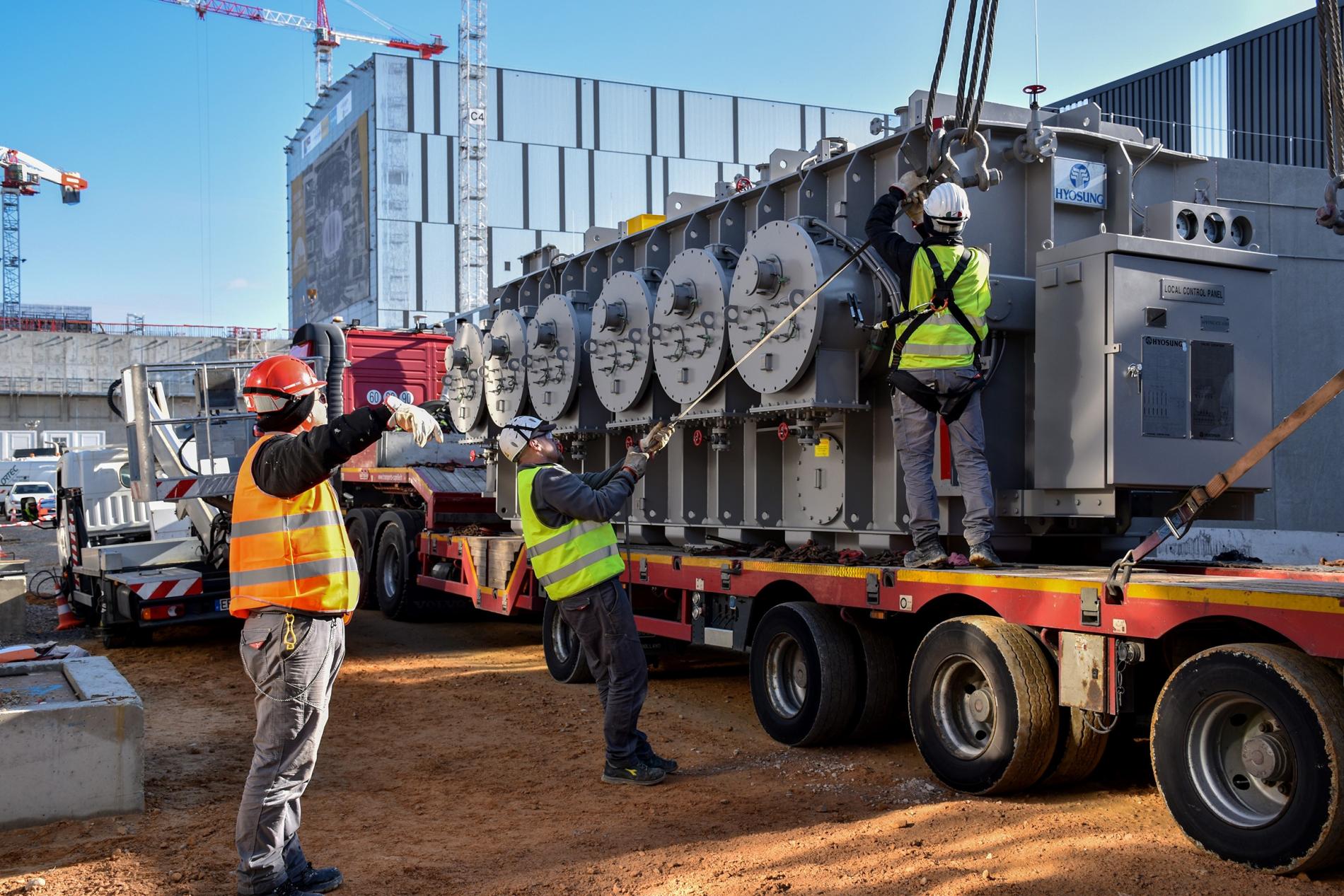
Korea’s responsibilities also include procuring transformers for the magnet power supply equipment. It has gained experience not only through research on experimental machines, but also by delivering equipment to an international project. ITER’s magnet power supply equipment
The latest government announcement makes a similar point: while Korea has supported facilities such as KSTAR, accelerating the realization of fusion energy requires demonstration infrastructure for advancing technologies and assessing their performance. The new ten-year program will support that research and development and the construction of facilities.
Aiming to demonstrate electricity generation in the 2030s
In May 2026, the Korean government also began preparing its Fifth Basic Plan for the Promotion of Fusion Energy Development, covering 2027–2031. It set a goal of demonstrating fusion electricity generation in the 2030s. Topics identified for consideration included early design of a Korean demonstration reactor, upgrades to KSTAR, the use of AI and private-sector-led industrial development. Government announcement on preparation of the next basic plan
Alongside high-temperature plasma research, Korea is seeking to build the technological and industrial foundations for electricity generation. That direction can be seen in both the May policy announcement and the latest program approval.
The 2030s date is a target for demonstrating electricity generation, not a guarantee of commercialization. The KRW 1.48 trillion program likewise covers technology development and demonstration infrastructure, rather than construction of a commercial power plant itself.
The announcement does not specify the demonstration center’s location or funding allocations by technology. As the program approaches its planned 2027 start, questions remain about where facilities will be built and which research institutions and companies will participate. Those details should make Korea’s course over the next decade clearer.
- South Korean Ministry of Science and ICT: Ninth 2026 National R&D Project Evaluation General Committee (5 November 2026)
- South Korean government: Preparation of the Fifth Basic Plan for Fusion Energy Development begins (7 May 2026)
- ITER: Plasma control system tests at KSTAR (13 April 2026)
- ITER: Fourth Korean vacuum vessel sector delivered (11 November 2024)
- ITER: Power for the magnets (5 February 2018)
Information checked as of:2026-11-11
Government announcement