Who owns technology developed together for fusion? ITER's lessons on intellectual property and future revenue
Delivering equipment and reusing manufacturing know-how for another customer are different questions. ITER's framework helps distinguish background technology, new results, research and commercial use, and three scenarios to consider before contracting.
Read the Japanese originalAnnouncement date:2016-12-05
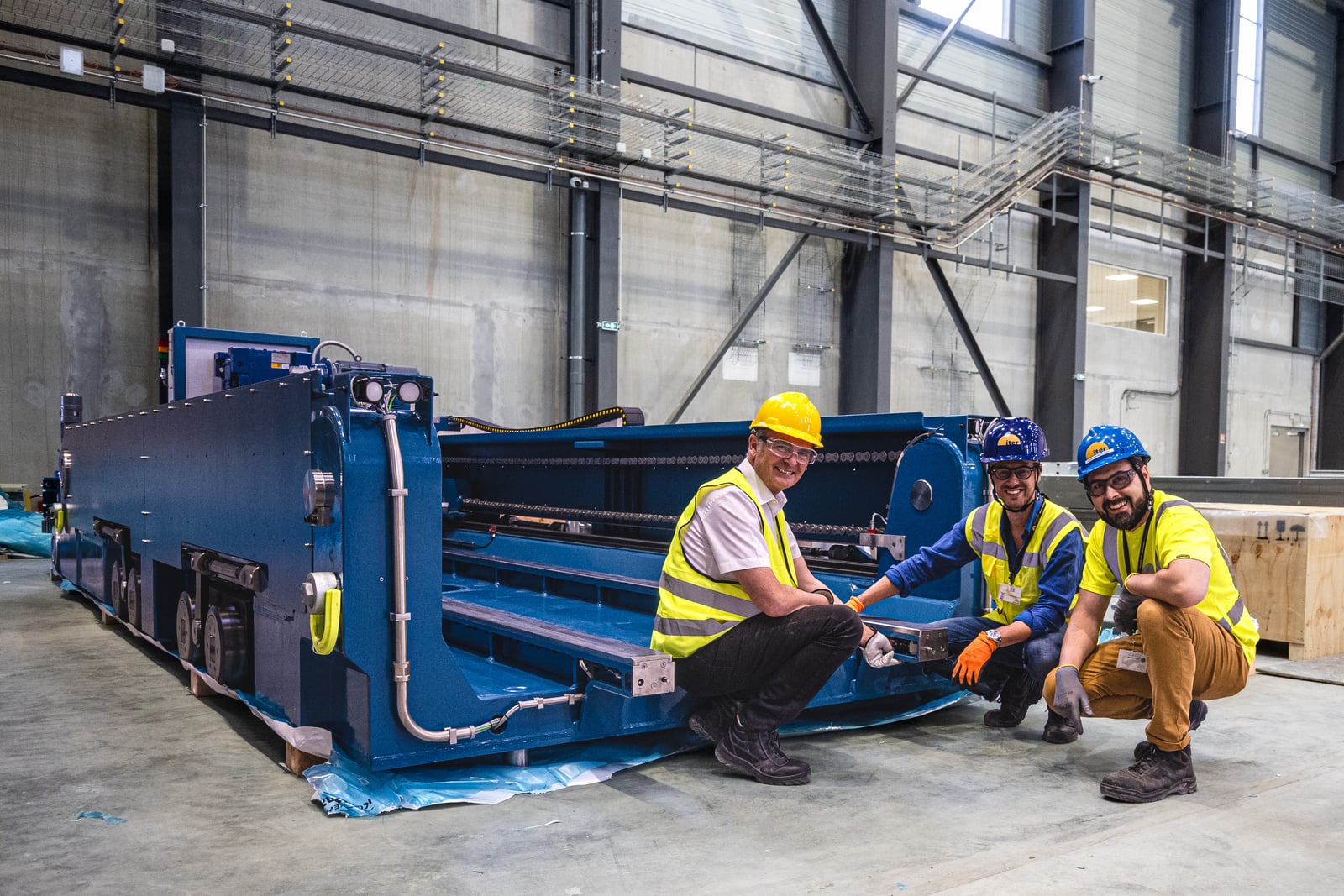
What lets a supplier retain value after delivering jointly developed fusion equipment? Reusing manufacturing know-how or design methods with the next customer can shape the business. ITER shares knowledge for international cooperation while using contracts to define its use. Look beyond order value to how technology can subsequently be applied.
Equipment delivery and technology-use rights are separate
ITER Members contribute equipment in kind, with domestic agencies contracting design and manufacturing to industry. The approach also aims to build industrial fusion experience in Member countries. Physical deliveries and the knowledge used to manufacture them come together across borders. ITER manufacturing and procurement
Equipment ownership should therefore not be conflated with intellectual-property use. Receiving drawings, reading them internally, applying their content to another product and passing them to a customer are different acts. Manufacturing capability alone does not determine future markets; contractual usage scope matters too.
The practical framework below helps companies assess projects; it does not describe a particular company's private contract. Actual rights must be determined from the relevant contract and rules.
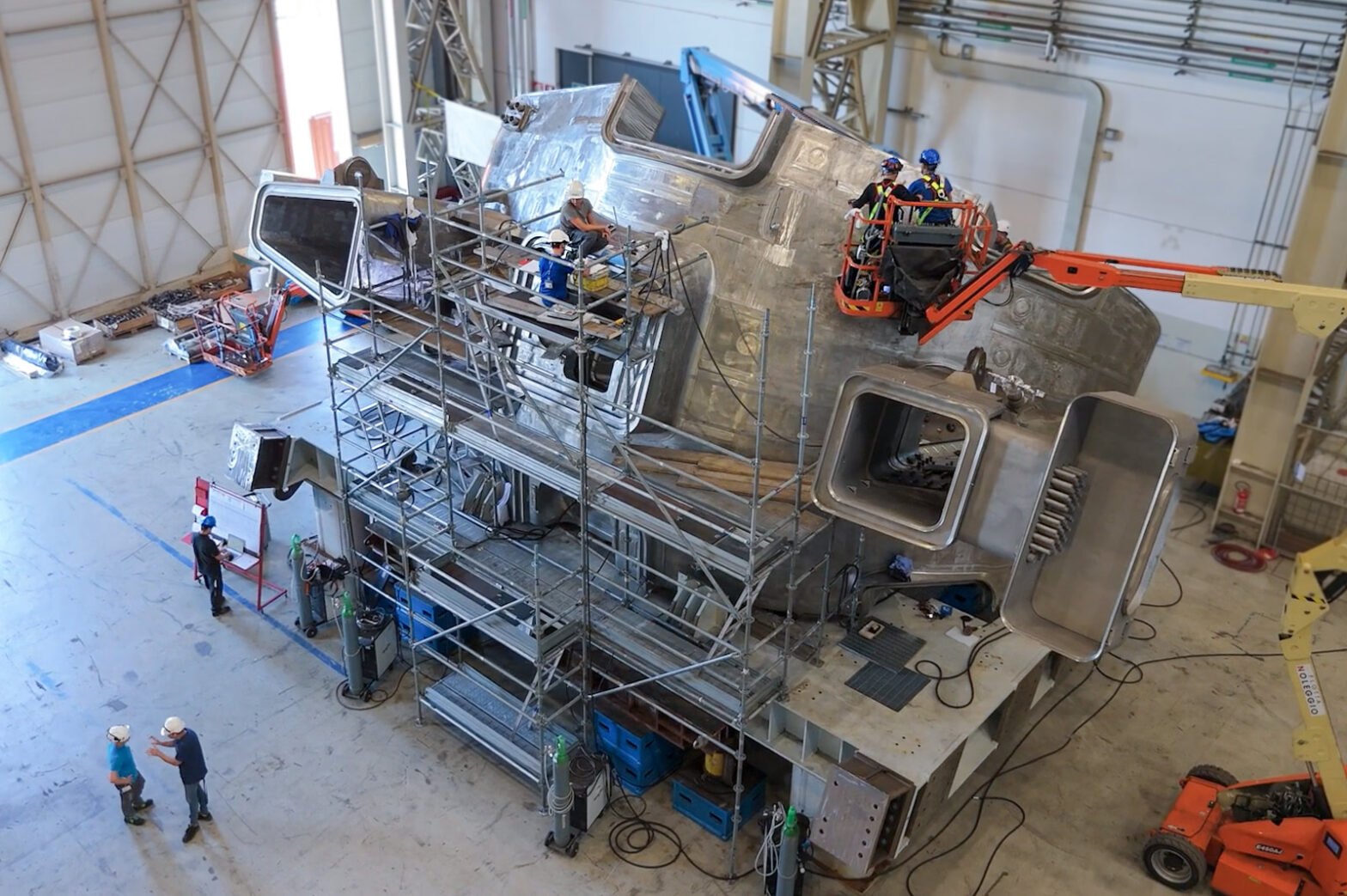
Distinguish background IP from IP generated during development
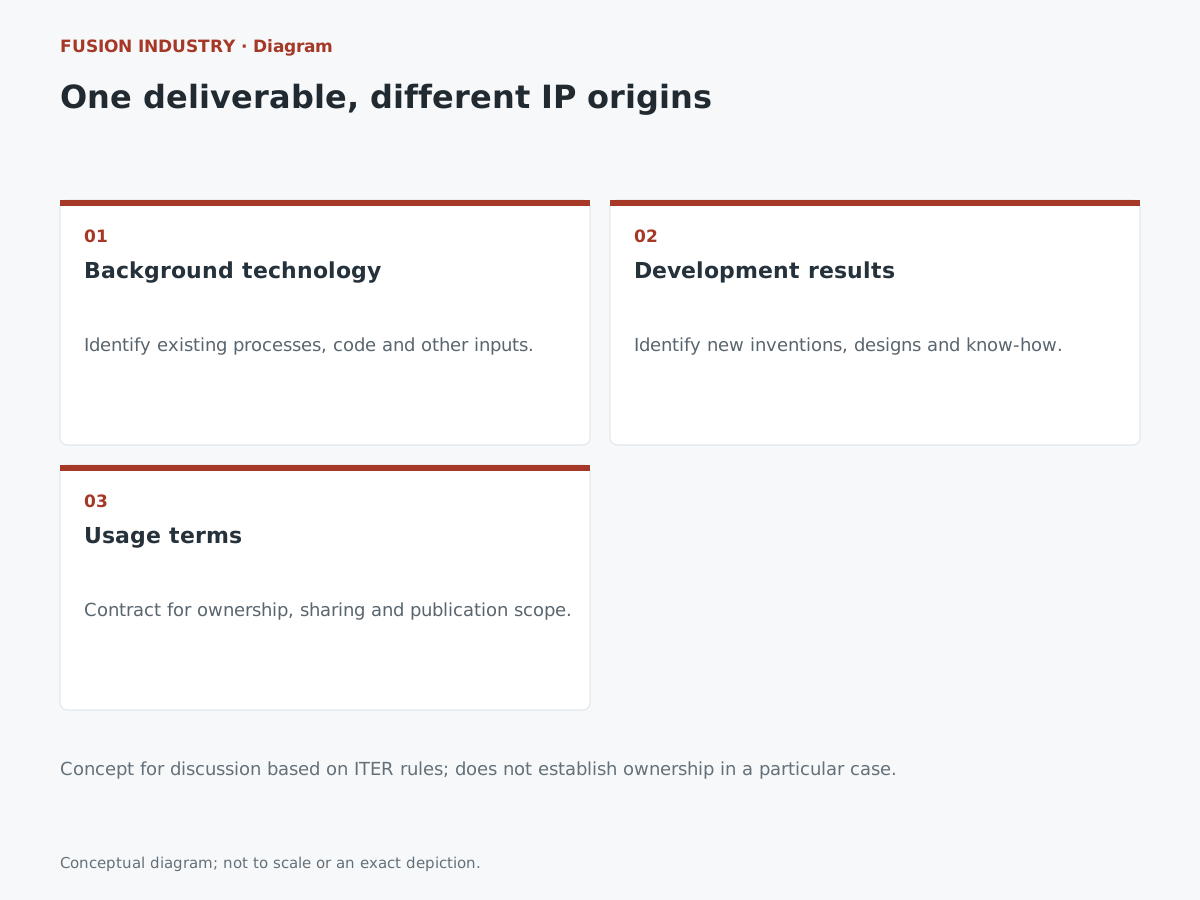
ITER's current guidance distinguishes “Background” IP acquired or developed before the Agreement entered into force, or outside its scope, from “Generated” IP created or acquired through activities under the Agreement. This is not simply a division between before and after a project's start. ITER intellectual-property framework
A supplier's longstanding processing conditions and a new geometry or control method discovered during development have different origins even if they appear in the same delivery. Mixing existing expertise into new results carelessly can make it difficult later to explain how much of the company's strengths it agreed to share.
Before contracting, list existing technology being brought in, technology licensed from third parties and possible new results. ITER guidance also requires contractors to declare background IP during contracting. Identifying technical documents and software versions alongside patent numbers helps future usage decisions.
The official declaration form covers IP and information held before contract signature or outside its scope that are needed to perform the contract or use deliverables. It explicitly states that the form is a declaration, not an assignment of rights, and that applicable access rights are based on it. This illustrates why project-specific form definitions matter alongside general framework descriptions. Background IP declaration form
Research use differs from commercial use
ITER's December 5, 2016 explanation describes nonexclusive, irrevocable, royalty-free licensing for publicly funded fusion R&D among Members. This is an account of an existing framework, not an announcement of a new contract or unrestricted commercial access. ITER framework explanation
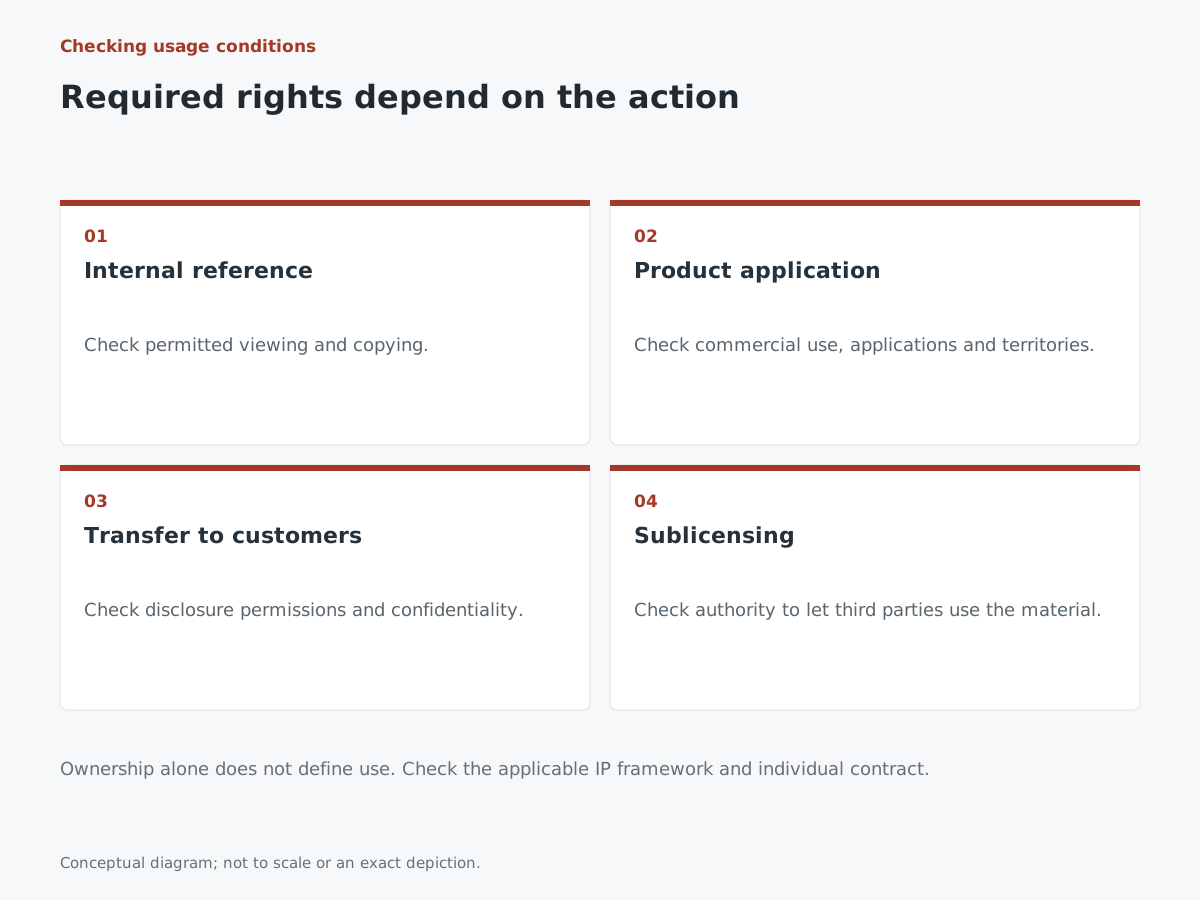
Current guidance likewise distinguishes conditions for public fusion research, commercial fusion and non-fusion uses. Information available for research is not necessarily free to incorporate into a company's products.
Business staff should identify not only who owns rights but who may use them, in which territories and for which purposes. Also check sublicensing to customers, confidential information and publication procedures. Commercialization may be possible with necessary use rights even without ownership, but labels alone do not determine scope.
Consider three uses before contracting for future revenue
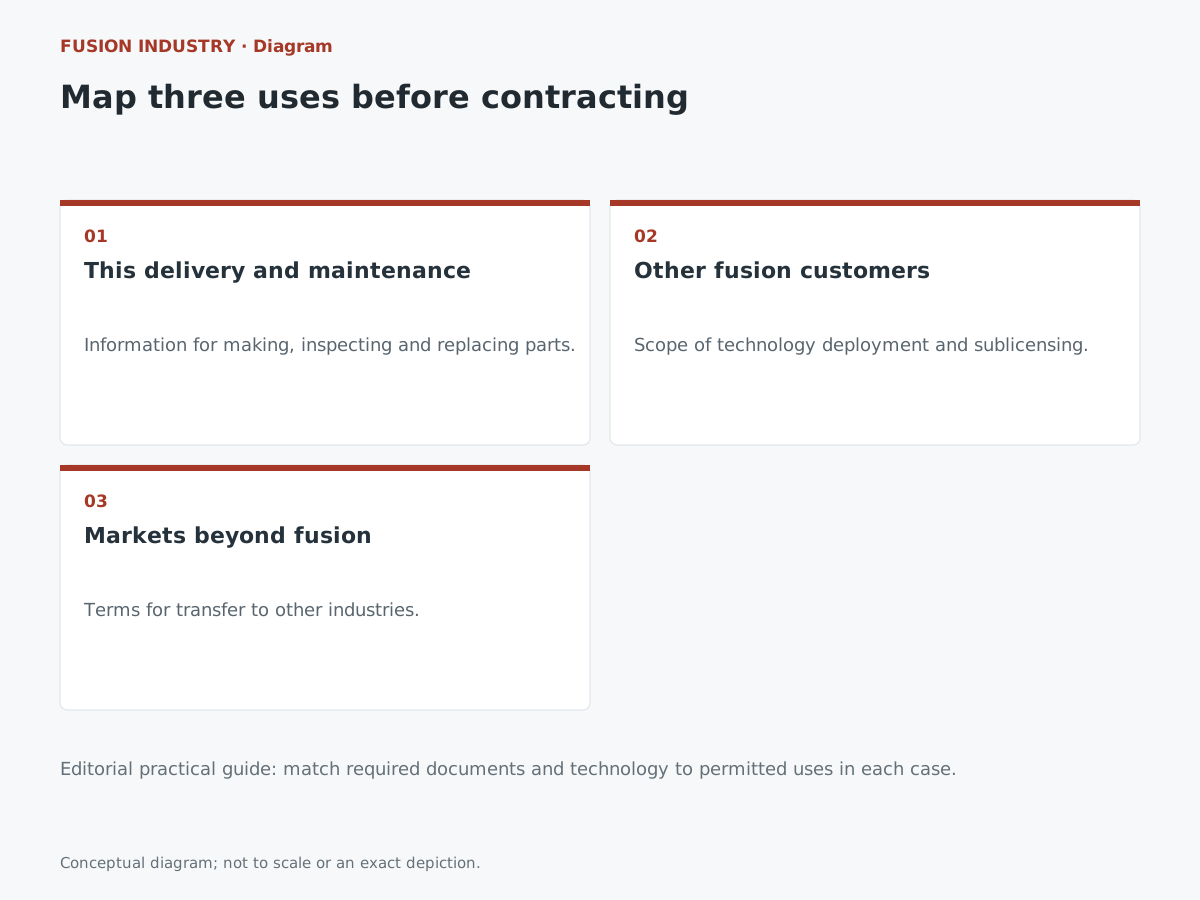
Start with three scenarios: delivery and maintenance under the current project, use with another fusion customer, and transfer to a non-fusion market. List drawings, processing methods, analysis code and other information needed for each, then distinguish permitted uses from those needing further agreement.
A company seeking to extend machining technology to other industries may care more about using the underlying method in another application than reselling a complete fusion system. A company seeking ongoing maintenance work may instead depend on receiving updated design information and using it for inspection and replacement.
This makes it possible to assess current contract profit alongside future technology use. Neither demanding unconditional exclusivity nor assuming shared knowledge leaves no value resolves the question. Specifying rights needed for the products and services a company wants to sell is the starting point for turning joint-development experience into its next business.
- ITER | Manufacturing
- ITER | Intellectual Property
- ITER | The framework for sharing ITER intellectual property (December 5, 2016)
- ITER | Declaration of Background Intellectual Property (form linked from current guidance)
Information checked as of:2026-10-10
Practical explainer based on current ITER guidance and its December 5, 2016 framework explanation. Not news of a new transaction or contract amendment. Does not determine individual companies' ownership or licensing terms.