General Fusion measures an electron temperature of 1.1 keV: progress in slow compression and diagnostics
A closer look at the October 8 joint announcement from General Fusion and UKAEA. LM26's slow compression, electron and ion temperatures, and optical measurements through limited viewing access show what has been demonstrated and what remains a target.
Read the Japanese originalAnnouncement date:2026-10-08
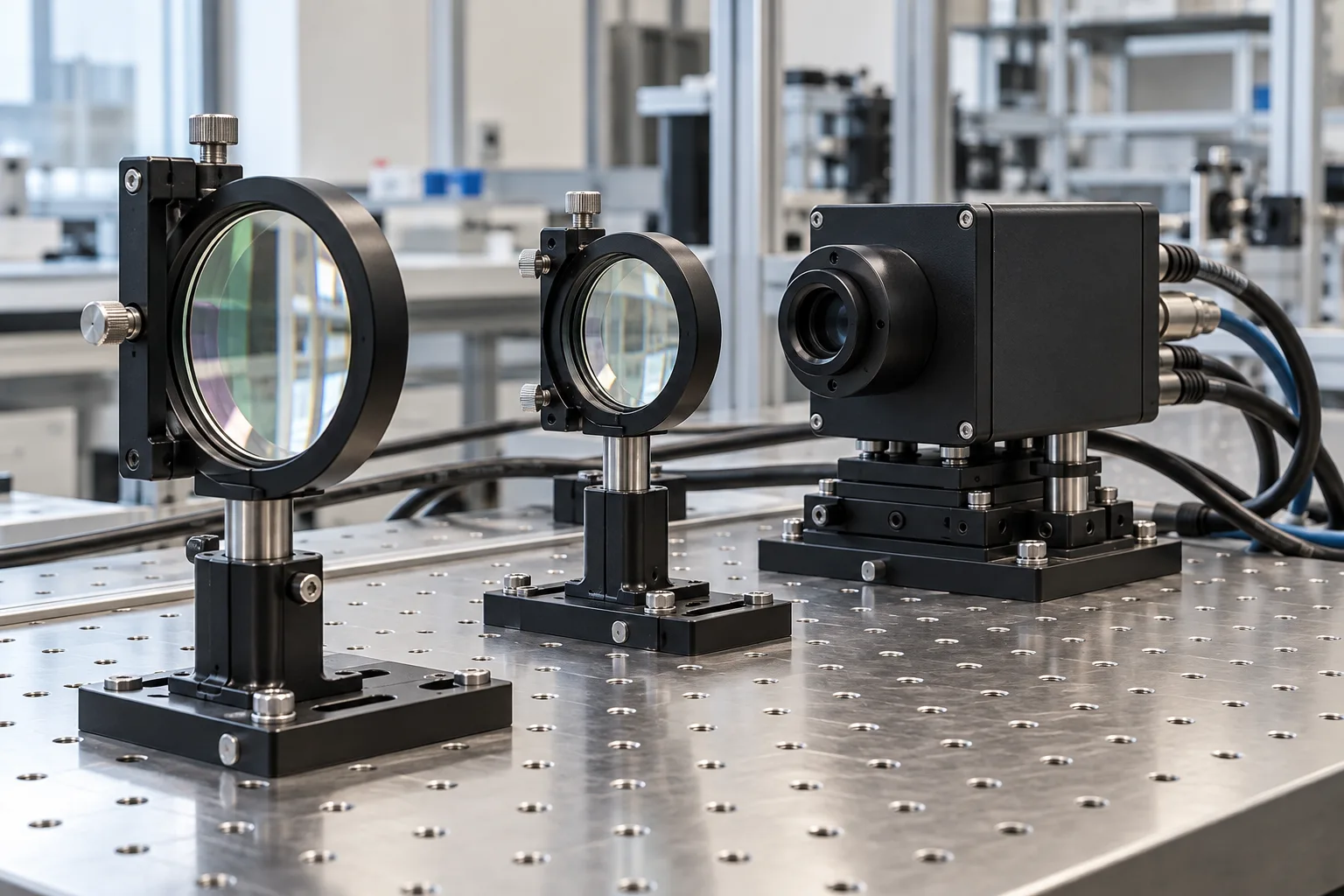
Canada's General Fusion and the UK Atomic Energy Authority (UKAEA) announced on October 8, 2026 that they had measured an electron temperature of 1.1 keV in the LM26 demonstration machine, stated in the announcement as approximately 12.6 million °C. The significance is not just the temperature. It is the combined progress of a method that compresses magnetically confined plasma with a metal wall and the diagnostics needed to measure that moment.
This is not, however, an announcement of successful electricity generation or of an entire reactor producing more energy than it consumes. Let us examine what has been achieved, distinguishing the joint announcement from the company's additional explanations. UKAEA's joint announcement
Another fusion approach: compression with a metal wall
General Fusion is developing Magnetized Target Fusion (MTF), which combines magnetic fields and compression. In LM26, a solid metal wall called a liner compresses the plasma. The configuration of the current demonstration machine must be distinguished from the liquid metal wall envisaged in the future commercial concept.
The company emphasizes heating by relatively slow compression on a millisecond timescale. Here, “slow” is relative to the microsecond or nanosecond timescales used in other compression approaches, not the motion of an everyday slow-moving machine.
The announcement's “world-first” wording should also be understood within the specific scope of reaching 1 keV through this slow compression. It does not mean that fusion research as a whole has reached 1 keV for the first time. General Fusion's joint announcement

What exactly does the 1.1 keV measurement describe?
The kiloelectronvolt, or keV, is a unit of energy also used to express plasma temperature. The 1.1 keV result describes electron temperature; it cannot simply be substituted for ion temperature or an average temperature of the entire machine. According to the joint announcement, the measurement was taken just before maximum compression.
In a separate announcement, General Fusion explains that it used two diagnostics, Thomson scattering and AXUV, and obtained ion heating in addition to the electron temperature result. The company reports an AXUV electron temperature of approximately 1.2 keV at peak compression and an estimated ion temperature of approximately 0.46 keV. It explains that the ion temperature was inferred from factors including neutron yield and density profiles. Values referring to different measured quantities, locations and times must not be collapsed into a single number. The company's explanation of the experimental results
When companies compare research results, the method and location behind a measurement matter alongside the highest temperature reported.
Using light to measure a shrinking plasma
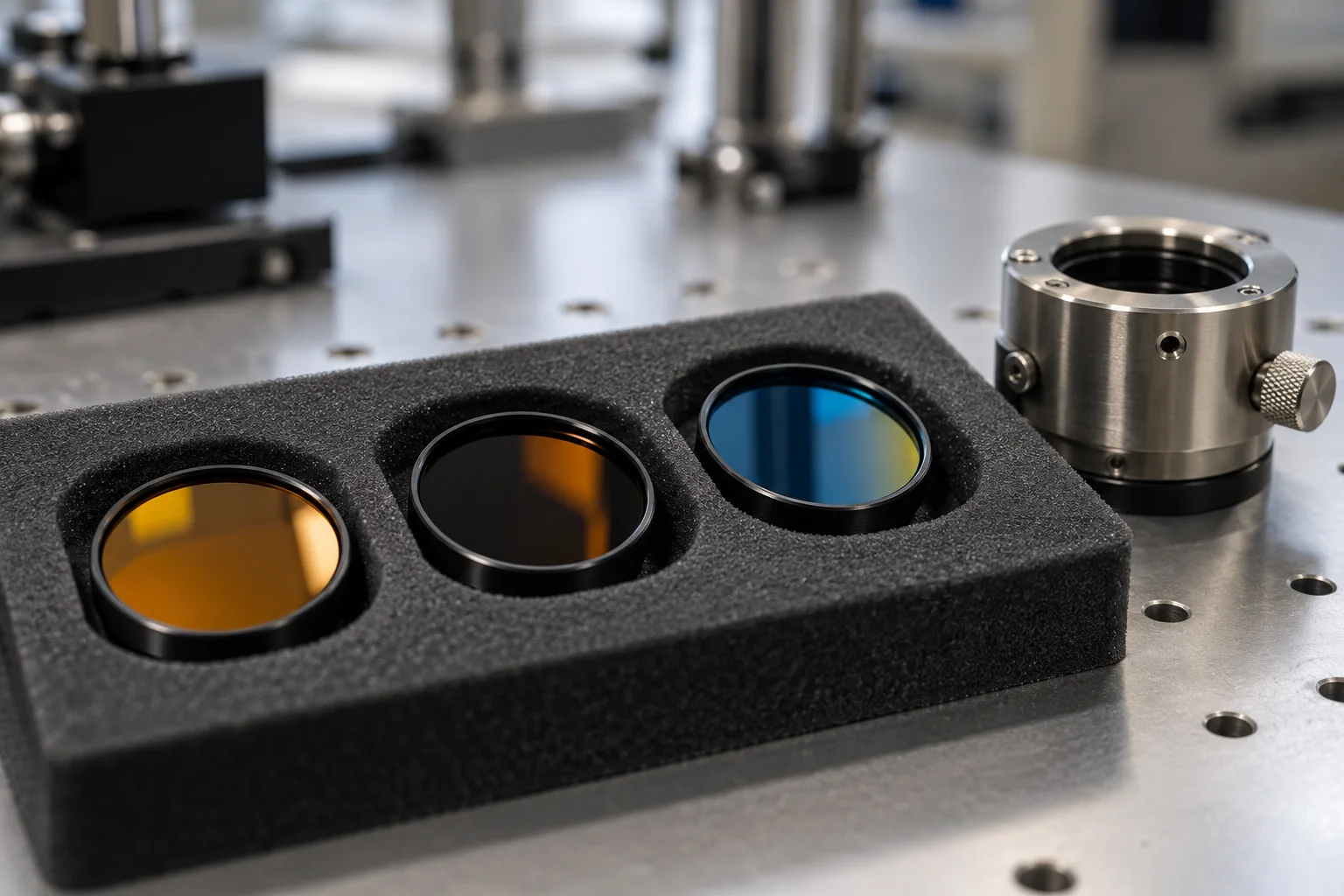
Thomson scattering directs laser light into a plasma and analyzes the scattered light. The challenge here was that the plasma shrinks inside a metal liner, leaving limited viewing access.
UKAEA and General Fusion jointly designed and commissioned a diagnostic system for these conditions. One important component was a polychromator designed and built at UKAEA's DICE. This instrument separates light into several wavelength bands for analysis. The work requires more than attaching a measuring instrument to a machine: limited available light must be collected and converted into meaningful temperature data.
DICE is a center for fusion diagnostics. When its opening was announced in April 2026, it reported contracts with 10 organizations worth more than £10 million in total. These figures describe the center's overall activity at that time, not the value of the contract for this experiment. Announcement of DICE's opening
Peer review and the next demonstrations remain ahead
The October 8 joint announcement described a paper co-authored with UKAEA as being released and submitted for peer review. Participation by a public research institution in joint measurements is important, but it is not the same as independent replication by an unrelated third party or completed peer review.
The next stated targets are 10 keV and, beyond that, the Lawson criterion. The Lawson criterion combines temperature with density and energy confinement time. Operating a first plant around 2035 is also the company's target, not a confirmed operating schedule established by this result.
The following is editorial analysis. For optics and diagnostics companies, an opportunity lies in how each reactor approach changes the available viewing positions, required time resolution and calibration conditions for calculating temperature. Discussions of joint development should address not only component specifications but also responsibilities for design, installation, calibration, analysis and support during operation.
This result marks progress in heating plasma using a specific approach and measuring the outcome, not the completion of a new power plant. Following the next temperature target and the outcome of peer review is a first step toward using the announcement in business decisions.
- UKAEA/GOV.UK: joint MTF announcement with General Fusion (October 8, 2026)
- General Fusion: joint announcement with UKAEA (October 8, 2026)
- General Fusion: detailed experimental results, including electron and ion temperatures (October 8, 2026)
- UKAEA: DICE opening announcement (April 14, 2026; historical center-wide figures)
- General Fusion: public abstract of the Thomson-scattering paper, submitted for peer review (October 8, 2026)
- General Fusion: public abstract of the compression-heating paper, submitted for peer review (October 8, 2026)
Information checked as of:2026-10-13
Research news analysis. Announced October 8, 2026; the experiment date is not specified in the joint announcement consulted. On October 13, 2026, the UKAEA/GOV.UK joint announcement, General Fusion's detailed account, public abstracts of two papers submitted for peer review, and DICE's April 14, 2026 opening announcement were read. Full papers and completion of peer review were not verified. Distinguishes electron Thomson-scattering temperature of about 1.1 keV just before peak compression, electron AXUV temperature of about 1.2 keV at peak compression, and estimated ion temperature of about 0.46 keV. UKAEA is a research collaborator, not an independent replication team. 10 keV and 2035 are targets. Suggested topics for optics suppliers are editorial analysis.