Britain's STEP programme: growing a fusion industry on a former coal-power site
What remains valuable when the old coal-power equipment is removed? Britain’s STEP programme links West Burton’s location, community consultation and a £200 million construction-partner contract to industrial development before electricity generation.
Read the Japanese original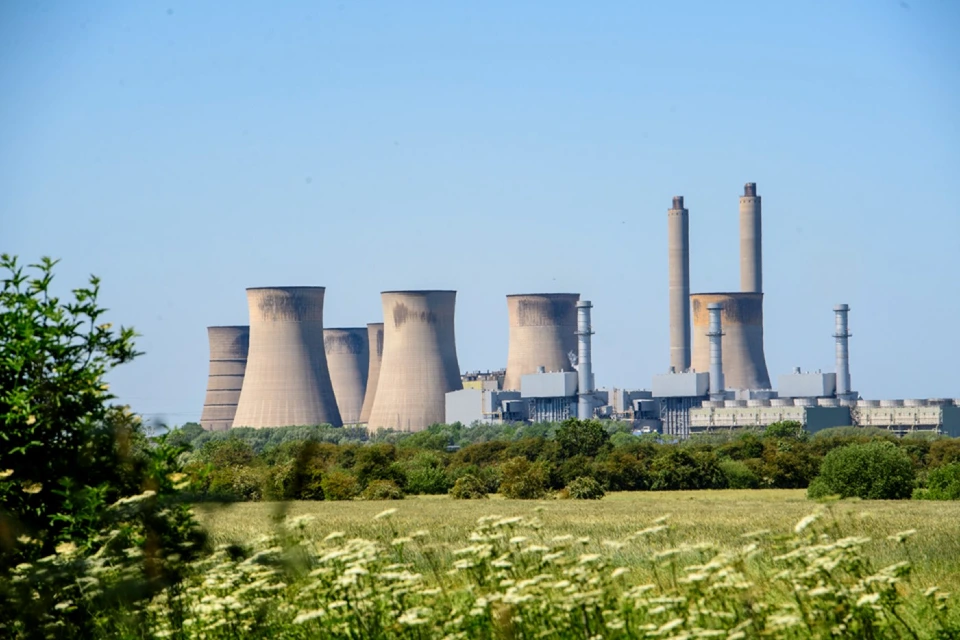
A fusion plant on a former coal-power site sounds like a proposal to reuse old machinery with a different heat source.
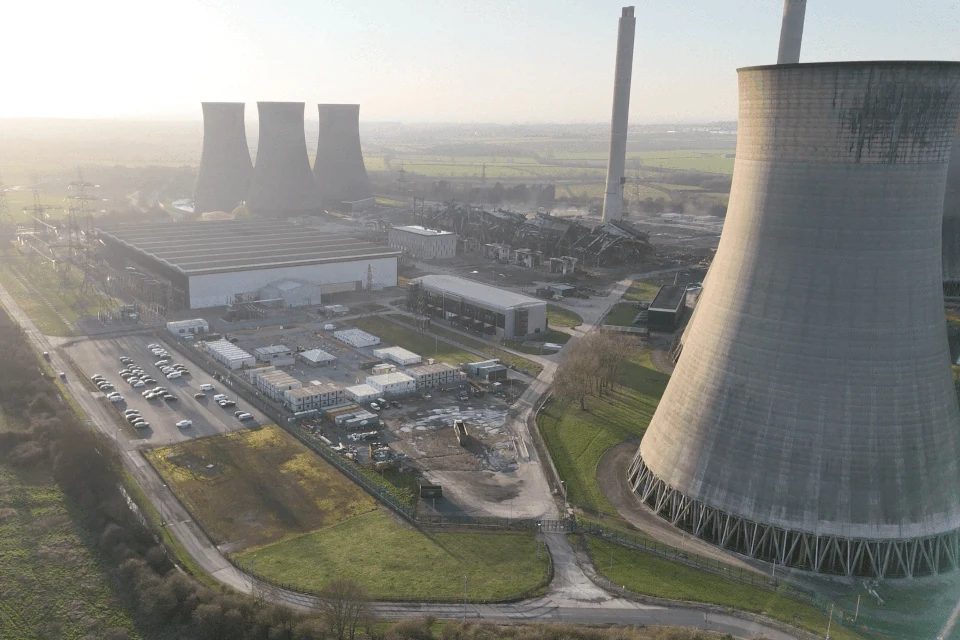
At Britain's STEP project, however, the old facilities—including the cooling towers—are planned for removal. West Burton was selected nonetheless. What remains valuable after the equipment goes? Answering that question explains why industrialising fusion requires much more than plasma research. STEP FAQ
The inheritance is a location, not simply machinery
West Burton A closed as a power station at midnight on March 31, 2023, after 57 years since 1966. The site had been selected for STEP in October 2022. A location with a long history of supplying electricity was being assigned a possible new energy role. EDF closure record · Government site selection
STEP identifies existing infrastructure, generating history and established grid connections among the reasons for the choice. Removing old equipment does not erase all the conditions that made the location useful.
An existing connection does not make a new plant ready to operate, however. Design, necessary works and permissions still have to be developed for the new facility. Reusing a site means assessing which advantages remain useful and connecting them to a new project. STEP site explanation
Why a fusion discussion includes roads and a river
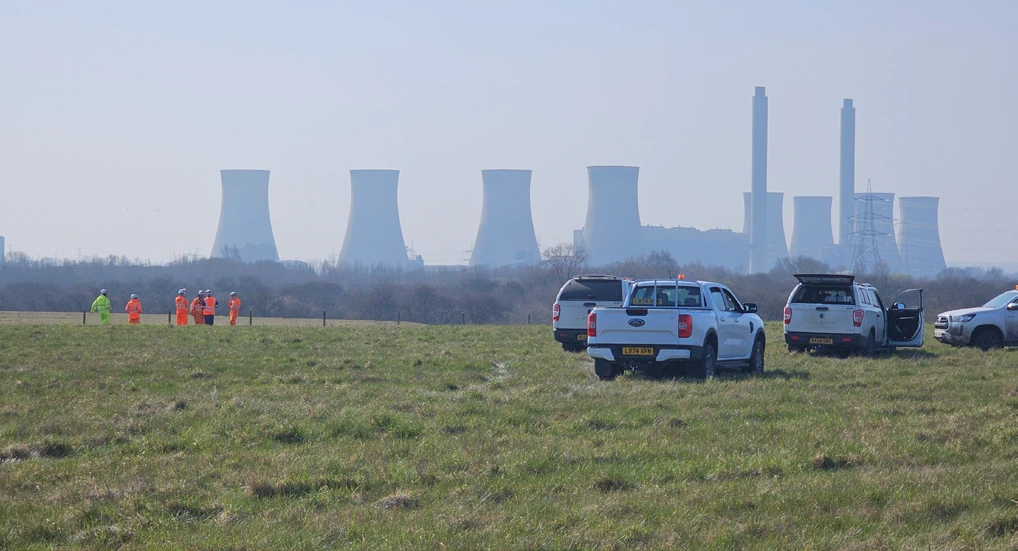
The project's practical demands are visible in its community consultation.
Early consultation ran from January 14 to March 11, 2026, with events in venues including village halls. Proposals covered the facility layout, road, rail and river transport, a public-transport interchange and potential river-handling facilities.
A component cannot be assembled on site unless it can be delivered there. For residents, changes to nearby roads can be as immediate a concern as the technology. Designing a capable plant and making it buildable in a particular place are simultaneous tasks. This consultation has ended; it is not an invitation to submit comments now. Consultation announcement and proposals
Before selling electricity, the programme buys work
In March 2026, the government announced ILIOS as STEP's construction partner under a £200 million contract. Led by a Kier–Nuvia joint venture, the partnership's responsibilities include civil engineering, buildings, infrastructure, supply chains, logistics and sequencing.
The sum is neither electricity revenue nor the entire plant's completion cost. It is a construction-partner contract supporting progress towards a prototype plant. That distinction clarifies STEP's present economic role: while aiming to supply electricity in future, it currently commissions design and construction work through which companies can develop delivery and quality experience. ILIOS selection and responsibilities
The industrial implication is that participation extends beyond magnet and plasma specialists. Integrating designs, moving materials, building structures and managing schedules are necessary capabilities. But announcing a partnership does not establish that local companies have secured orders. Regional benefits must be tested against actual suppliers and deliveries.
UK Fusion Energy’s annual report for 2025/26 (April 2025–March 2026) reports 49 local and regional suppliers to West Burton. UKFE annual report
What gets built before generation begins?
The official FAQ targets first operations in the early 2040s, with permissions sought to enable construction in the early 2030s. Operation, demonstration of net fusion energy and a route towards commercialisation remain future objectives.
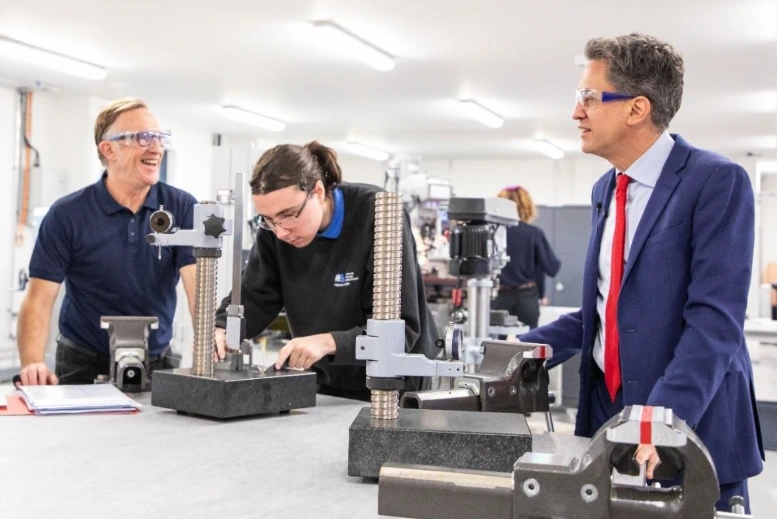
A hot plasma does not by itself make a power plant. Fuel, heat extraction and maintenance must work as part of a complete facility. Flood risk and transport also require assessment. The 2026 UK strategy's attention to skills around West Burton reflects the need to develop people before the facility is ready. Timetable and site issues · 2026 strategy
Cooling towers can disappear without eliminating a site's industrial value. Equally, naming the next reactor does not by itself restore employment.
To judge STEP's progress, look beyond a rendering and a target year: Are transport plans becoming specific? Are suppliers delivering? Does training lead to actual jobs? West Burton is intended to host a power plant. First, the programme must help develop companies and a region capable of building it.
UK government site-selection announcement, October 3, 2022 · UKAEA site-selection announcement, October 6, 2022 · UK government investment prospectus, September 14, 2026
- STEP official FAQ
- EDF: end of generation at West Burton A
- UK government: site of first fusion energy plant selected
- STEP public consultation
- ILIOS appointment at West Burton
- UKFE annual report and accounts 2025/26
- UK fusion strategy 2026
- West Burton selected as home of STEP
- UK fusion investment prospectus
- UK Fusion Energy Ltd Strategy
Information checked as of:2026-11-08
Checked against primary sources. Timelines remain targets; partner contract value is not the total plant cost.